Noise is all around us—at home, in the workplace, and in public spaces. While some sounds are pleasant or even energizing, prolonged exposure to loud noise can have serious consequences for your hearing and overall health. Studies show that repeated exposure to high decibel levels can lead to permanent hearing loss, tinnitus, stress, and even cardiovascular problems. That’s why accurately monitoring sound levels is crucial for protecting your ears and creating a safer environment.
Fortunately, noise monitoring tools and meters make it possible to measure sound accurately and take action before damage occurs. Whether you’re a caregiver monitoring noise for an elderly relative, a homeowner concerned about neighborhood sounds, or a professional in a loud work environment, these devices provide the data needed to make informed decisions. From handheld sound level meters to smartphone apps and industrial monitoring systems, the options are diverse and adaptable to different needs.
This guide explores the best noise monitoring tools and meters available today, highlighting how they work, what features to look for, and practical tips for using them. By understanding how to measure and manage noise, you can protect your hearing, reduce stress, and ensure a safer, quieter environment.
Understanding Noise Levels and Their Impact on Hearing
Sound is measured in decibels (dB), which quantify how loud or soft a sound is. To put it in perspective, a quiet library may register around 30–40 dB, normal conversation is about 60 dB, while a busy city street can reach 80–85 dB. Sounds above 85 dB, especially when experienced for prolonged periods, can start causing damage to your hearing over time. Prolonged exposure to very loud noises—like construction machinery, concerts, or heavy traffic—can lead to noise-induced hearing loss (NIHL), which is often permanent.
Understanding the difference between safe and harmful sound levels is essential. For example, listening to music through headphones at high volume may seem harmless for a few minutes, but repeated exposure can add up over weeks and months. Similarly, workplaces with consistent noise, like factories or airports, require careful monitoring to prevent hearing damage among employees. Even moderate noise can be stressful, contributing to fatigue, irritability, and difficulty concentrating.
Noise monitoring tools help quantify these risks by providing accurate measurements of sound in your environment. These measurements are crucial for determining when to take protective measures, such as using earplugs, earmuffs, or sound-dampening solutions. In addition, these tools are valuable for compliance in workplaces regulated by occupational health and safety standards, ensuring that noise exposure does not exceed safe limits.
By understanding noise levels and their effects, you’re better equipped to take proactive steps toward protecting hearing. Regular monitoring not only prevents damage but also promotes overall well-being by reducing stress and creating quieter, more comfortable spaces.
Types of Noise Monitoring Tools and Meters
Noise monitoring tools come in a variety of forms, each designed to suit different needs, environments, and budgets. Understanding the options available can help you select the right device for accurate and effective sound measurement.
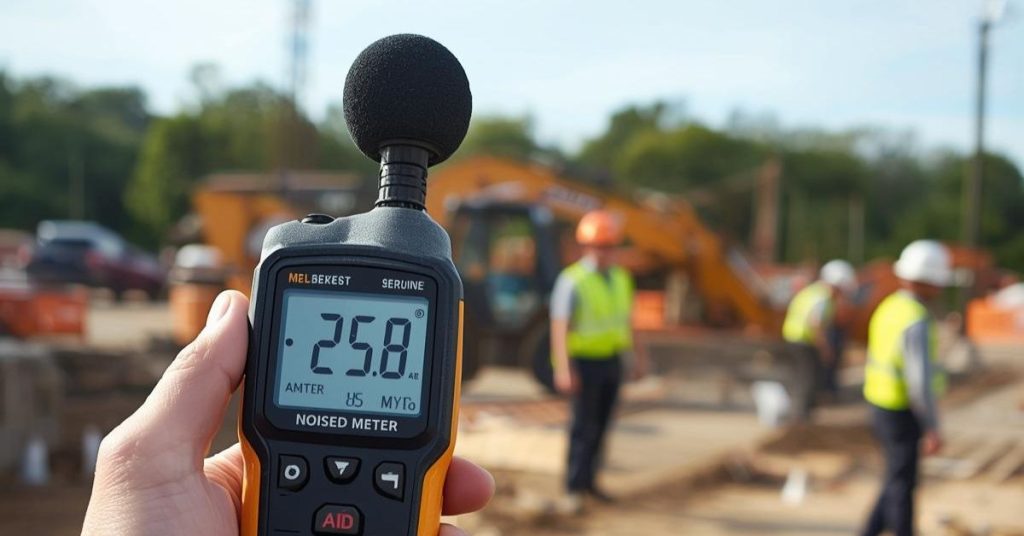
Handheld Sound Level Meters are among the most common and versatile tools. These devices measure sound in decibels and often include features like frequency weighting (A or C), data logging, and peak measurement. Handheld meters are portable, easy to use, and suitable for both professional and personal applications, such as checking noise in your home, at a construction site, or in community spaces.
Noise Dosimeters are specialized tools used primarily in workplaces where employees are exposed to varying levels of noise throughout the day. Unlike handheld meters, dosimeters are worn by the individual, continuously recording noise exposure over time. This provides a detailed profile of cumulative exposure, which is critical for occupational health compliance and hearing conservation programs.
Smartphone Apps have become increasingly popular due to their convenience and affordability. Many apps can measure decibel levels using the phone’s microphone, offering instant readings and simple visualizations. While they are generally less accurate than professional meters, some high-quality apps, especially when paired with calibrated external microphones, can provide reliable estimates for casual use, such as monitoring household noise or assessing neighborhood disturbances.
Permanent Noise Monitoring Systems are ideal for industrial or environmental applications. These systems include mounted sensors that continuously track noise levels in specific areas, often transmitting data to a central dashboard. They are valuable for regulatory compliance, long-term studies, or managing noise in public spaces like airports or urban centers.
Personal Smart Devices are an emerging category, including wearable gadgets that monitor environmental sound exposure and provide alerts when levels exceed safe thresholds. These devices are particularly helpful for individuals with heightened sensitivity to noise or those who want to proactively protect their hearing on a daily basis.
Each type of tool has its strengths and limitations. Choosing the right one depends on the purpose of monitoring, the required accuracy, and your environment. By understanding the different categories, you can make informed decisions that ensure your hearing is properly protected and noise levels are effectively managed.
Features to Look for in a Noise Meter
Choosing the right noise meter goes beyond simply picking the most expensive or popular model. Certain features are essential to ensure accurate measurements, reliable performance, and ease of use. Understanding these features can help you select a device suited to your specific needs.
Frequency Weighting (A, C, or Z): Noise meters often include frequency weighting options to account for how humans perceive sound. A-weighting (dBA) is most commonly used for general hearing protection because it reflects the frequencies humans hear most sensitively. C-weighting (dBC) is used for measuring peak or low-frequency sounds, such as industrial equipment. Z-weighting (dBZ) provides a flat measurement across all frequencies. Selecting a meter with the appropriate weighting ensures your readings match real-world hearing impact.
Data Logging and Memory: Advanced meters often have the ability to log data over time, storing measurements for later analysis. This feature is especially useful for workplace monitoring, research, or tracking noise exposure trends in your home or community. Some devices allow exporting data to computers or smartphones, making it easier to create reports or track patterns over days, weeks, or months.
Calibration Capability: Accurate readings require proper calibration. Some noise meters include built-in calibration functions or can be calibrated using external calibrators. Regular calibration ensures that your device maintains measurement accuracy, which is crucial when making safety-related decisions.
Connectivity and Integration: Modern meters may offer Bluetooth, Wi-Fi, or USB connectivity, enabling remote monitoring, real-time alerts, and integration with software platforms. This is particularly valuable for industrial or environmental monitoring where continuous oversight is required.
Ease of Use and Display: A clear, easy-to-read display and intuitive interface improve usability, especially for individuals who are not audio professionals. Features like color-coded levels, backlit screens, and simple menus make it easier to take accurate measurements quickly.
Durability and Portability: Depending on where you’ll be using the meter, durability can be critical. Handheld meters for industrial environments should be rugged and resistant to dust or moisture, while portable devices for home or casual use can prioritize lightweight design and compactness.
Additional Features: Some meters include sound level alarms, peak hold functions, frequency analysis, or compatibility with external microphones for more precise readings. These extras can enhance functionality for specialized tasks but may not be necessary for casual monitoring.
By considering these features, you ensure that your noise meter not only measures sound accurately but also meets your specific needs—whether that’s monitoring workplace safety, protecting hearing at home, or assessing environmental noise.
Top Noise Monitoring Tools and Meters in 2025
With a wide variety of noise monitoring tools available, selecting the right one can feel overwhelming. To help, here’s a curated list of some of the best devices for different needs, from professional-grade meters to user-friendly consumer options.
1. Extech 407730 Digital Sound Level Meter
Ideal for both professionals and hobbyists, this handheld meter measures sound levels from 40 to 130 dB. It features A/C frequency weighting, data hold, and a backlit display for easy reading in various lighting conditions. Its portability and accuracy make it a versatile choice for workplace, home, or environmental monitoring.
2. REED Instruments R8050 Data Logging Sound Level Meter
This meter excels in environments where tracking noise over time is important. It offers data logging, USB connectivity, and compliance with IEC standards. Suitable for industrial, construction, or laboratory applications, it provides precise readings and the ability to export data for analysis.
3. Casella CEL-620 Handheld Sound Level Meter
A professional-grade device popular in occupational health and safety, the CEL-620 offers dual-range measurement, tripod mounting, and frequency analysis capabilities. It’s rugged and reliable, making it a go-to option for industrial noise assessments.
4. NoiseCapture Smartphone App
For casual or community use, NoiseCapture offers a convenient way to measure sound with your smartphone. While less accurate than professional meters, it’s perfect for home monitoring, environmental awareness, or neighborhood noise surveys. Pairing it with a calibrated microphone can improve accuracy.
5. 3M SoundPro SPDL Series Dosimeters
Designed for workplace safety, these dosimeters are worn by employees to track cumulative noise exposure. They provide real-time readings, alerts when exposure limits are exceeded, and detailed logging for regulatory compliance. They are particularly useful in factories, airports, and other high-noise environments.
6. Bruel & Kjaer Type 2250 Sound Level Meter
Considered one of the most accurate meters for professional use, this device is suitable for research, industrial, and environmental studies. It offers multi-channel recording, real-time frequency analysis, and high precision calibration options, making it ideal for long-term monitoring projects.
When choosing a tool, consider your budget, environment, and the type of measurement required. Handheld meters are versatile and portable, dosimeters provide personal exposure tracking, smartphone apps offer convenience, and professional meters deliver high precision for regulatory compliance. Combining the right features with your specific needs ensures effective noise monitoring and protection of hearing.
How to Properly Use Noise Monitoring Tools
Having a high-quality noise monitoring tool is only half the battle; using it correctly is essential to get accurate readings and protect your hearing effectively. Proper use involves placement, calibration, measurement techniques, and interpretation of results.
Placement and Positioning: Always place your noise meter at the location where you want to measure sound exposure. For handheld meters, hold the device at ear level to simulate how a person would experience the noise. Avoid obstructing the microphone with your hand or body, as this can lead to inaccurate readings. In industrial or environmental settings, consider multiple measurement points to get a comprehensive view of noise levels.
Calibration: Before each use, check if your device requires calibration. Professional meters often come with built-in calibration functions or external calibrators. Regular calibration ensures that your readings remain precise and reliable, which is particularly important when assessing workplace noise exposure or complying with safety regulations.
Measurement Techniques: Take multiple readings at different times and locations, especially in dynamic environments where noise fluctuates. Some meters offer data logging or averaging functions, which can help capture variations over time. For peak noises—like a sudden machine startup—use meters with peak hold functionality to record the highest levels accurately.
Interpreting Results: Understanding what the numbers mean is crucial. Noise levels below 70 dB are generally safe for long-term exposure, while levels above 85 dB can cause hearing damage over time. If readings exceed safe limits, consider implementing protective measures, such as earplugs, earmuffs, noise barriers, or schedule adjustments to reduce exposure duration.
Additional Tips:
Avoid measuring in windy conditions or near reflective surfaces without adjustments, as this can distort readings.
For smartphone apps, consider using an external calibrated microphone for better accuracy.
Record readings consistently and maintain a log to track patterns and trends, which is valuable for preventive action.
Proper use of noise monitoring tools ensures that you not only obtain reliable measurements but also take proactive steps to safeguard hearing. By combining the right device with accurate techniques, you can manage noise effectively in any environment, from home and community spaces to workplaces and industrial settings.
Conclusion
Monitoring noise levels is essential for protecting hearing, reducing stress, and creating safer environments. With the variety of noise monitoring tools and meters available today, from professional-grade handheld devices to convenient smartphone apps, it’s easier than ever to measure sound accurately and take proactive steps to minimize risk.
Choosing the right tool depends on your specific needs, environment, and level of accuracy required. Handheld meters are versatile for general use, dosimeters provide personal exposure tracking in workplaces, smartphone apps offer convenience for casual monitoring, and industrial or environmental systems deliver continuous, high-precision data. Key features like frequency weighting, data logging, calibration, and ease of use ensure your measurements are reliable and actionable.
Equally important is proper usage. Placement, calibration, and measurement techniques all influence accuracy, while interpreting results correctly guides effective protective measures. By combining the right tools with thoughtful monitoring practices, you can safeguard your hearing and promote a quieter, healthier environment for yourself, your family, or your workforce.
Investing time in understanding noise and using the appropriate monitoring devices is a crucial step in preserving long-term hearing health. Whether you’re managing noise at home, in public spaces, or at work, accurate sound measurement empowers you to take control and prevent hearing damage before it occurs.
FAQ
What is the safest noise level for prolonged exposure?
Sounds below 70 decibels (dB) are generally considered safe for long-term exposure. Noise above 85 dB, especially for extended periods, can cause permanent hearing damage. Monitoring tools help identify when noise exceeds safe levels so protective measures can be implemented.
Can smartphone apps accurately measure noise levels?
Smartphone apps can provide a general estimate of noise levels, but they are typically less accurate than professional sound level meters. Using a calibrated external microphone with the app can improve accuracy, making them suitable for casual monitoring or preliminary assessments.
How often should I calibrate my noise meter?
Calibration should be done according to the manufacturer’s instructions, typically before each use or at regular intervals if used frequently. Regular calibration ensures that readings remain accurate and reliable, which is especially important in workplaces or regulated environments.
What are the key features to look for in a noise monitoring tool?
Essential features include frequency weighting (A, C, or Z), data logging, calibration capability, ease of use, display readability, and, depending on the environment, connectivity options or ruggedness. These features ensure accurate measurements and ease of operation.
Are wearable noise monitoring devices effective?
Yes, wearable devices and dosimeters are particularly effective for tracking personal noise exposure throughout the day. They provide real-time alerts and cumulative exposure data, helping individuals take proactive steps to protect their hearing in noisy environments.
This article is for informational purposes only and is not a substitute for professional medical advice, diagnosis, or treatment. If you are concerned about your hearing or ear health, please consult a qualified healthcare provider.