
Hearing is something many of us take for granted—until we begin to notice changes. Whether it’s struggling to follow a conversation in a restaurant, frequently turning up the TV, or feeling overwhelmed by loud environments, these early signs can signal that our ears have endured more noise than they can comfortably handle. Hearing conservation isn’t just for people who work in loud environments or attend frequent concerts; it’s a lifelong practice that supports clear communication, cognitive health, emotional well-being, and overall quality of life. As we age, our ears naturally become more vulnerable, making smart hearing habits even more important.
In this article, we’ll explore the best practices for hearing conservation at every stage of life, with a special focus on adults over 50, caregivers, and anyone looking to make informed, protective choices. Noise-induced hearing loss is both permanent and completely preventable, which makes awareness and education essential tools. Even small lifestyle adjustments—like lowering your headphone volume or taking short listening breaks—can significantly reduce long-term risks.
You’ll also discover evidence-based strategies for protecting your hearing at work, at home, and in recreational settings. From selecting the right hearing protection devices to recognizing early warning signs and seeking professional care, this guide offers a practical, friendly, and medically accurate roadmap for safeguarding the sounds that matter most. When it comes to hearing health, prevention truly is the best medicine—and it’s never too late to start protecting your ears.
Understanding How Hearing Loss Happens
To truly commit to hearing conservation, it helps to understand how the ear works and why certain types of hearing loss are preventable. Inside the inner ear sits the cochlea—a delicate, spiral-shaped organ lined with thousands of microscopic hair cells. These hair cells convert sound vibrations into electrical signals that the brain interprets as speech, music, and environmental noise. Unlike other cells in the body, once these hair cells are damaged or destroyed, they cannot regenerate. This is what makes hearing loss permanent and why prevention is so important.
Noise-induced hearing loss occurs when sounds are too loud for too long. Prolonged exposure to noise above 85 decibels—roughly the level of heavy traffic—can gradually damage these cells. Higher levels, such as power tools, concerts, or fireworks, can speed up this damage and may cause it instantly. Age-related hearing loss (presbycusis) compounds this issue, as the ear naturally becomes less efficient over time. When loud noise and aging intersect, hearing decline can accelerate.
There are also lifestyle and environmental factors at play. The modern world is filled with high-volume risks: personal audio devices, TVs, lawn equipment, appliances, and even some medical machines. Many people are exposed to harmful noise without realizing it because our ears don’t feel pain the way other parts of our bodies do. Instead, early symptoms are subtle—muffled hearing, ringing in the ears, or difficulty understanding speech in noisy rooms. These signs might seem minor but often indicate that the inner ear has already been stressed.
The good news is that understanding how hearing loss happens empowers us to take control over our listening environments. By adopting safe listening habits, using protective gear, and being mindful of noise exposure, you can significantly reduce the risk of long-term damage. Hearing conservation is not about eliminating sound—it’s about preserving your ability to enjoy life’s meaningful moments, from conversations with loved ones to the music you love.
Everyday Habits That Protect Your Hearing
Protecting your hearing doesn’t require dramatic lifestyle changes. In fact, many of the most effective strategies are simple, everyday habits that reduce strain on your ears. One of the easiest habits to start with is managing your volume levels. Whether you’re listening to music, watching TV, or using earbuds, try to follow the 60/60 rule: keep the volume at 60% or less and limit listening time to 60 minutes before taking a break. Modern smartphones and audio devices often have built-in volume monitoring features that alert you when levels may be too high—consider enabling these settings for added safety.
Another important practice is taking regular “listening breaks.” Our ears can become fatigued when exposed to continuous sound, even at moderate volumes. Stepping away from noise gives the auditory system time to recover and helps prevent cumulative stress on the inner ear. For example, if you spend your morning using power tools or working in a louder-than-normal environment, balancing it with quiet time later in the day can help protect your hearing over the long term.
Paying attention to your surroundings is also key. Many daily environments—restaurants, gyms, movie theaters, public transportation—frequently expose people to sound levels high enough to cause potential harm. When possible, choose quieter seating areas, or move away from speakers and noisy equipment. If your lifestyle includes regular exposure to loud noise, such as attending live events or participating in hobbies like motorcycling or woodworking, carrying a pair of earplugs with you can make hearing protection effortless and accessible.
Even household appliances can contribute to noise exposure. Vacuum cleaners, blenders, hair dryers, and lawn equipment often exceed safe listening levels. Consider using quieter appliance models when possible, and take advantage of distance—stepping a few feet away from a loud device can significantly reduce decibel exposure. Small adjustments like closing doors, using rugs or curtains to absorb sound, and maintaining appliances so they run more quietly can also make a difference.
Finally, be mindful of how stress and overall health influence hearing. Adequate hydration, good cardiovascular health, and regular exercise all support strong blood flow to the inner ear. Conversely, smoking, unmanaged diabetes, and high blood pressure can increase the risk of hearing loss. Viewing hearing conservation holistically—through daily habits, health choices, and environmental awareness—helps create long-term protection that supports your quality of life.
Workplace and Environmental Protection Strategies
Noise exposure isn’t just a concern at concerts or during hobbies—it’s a common challenge in many workplaces and public environments. Whether you’re in construction, manufacturing, healthcare, education, transportation, or even an office setting with constant background noise, understanding how to protect your ears is essential. Occupational noise exposure is one of the leading causes of preventable hearing loss, and even seemingly moderate noise levels can become harmful when they persist for hours each day.
The first step in workplace hearing conservation is understanding the noise levels around you. Sounds above 85 decibels can begin to cause damage with prolonged exposure. Many workplaces are required to conduct noise assessments, but even if yours is not, smartphone apps and inexpensive sound level meters can give you a good estimate. If you consistently work in areas where you must raise your voice to be heard at arm’s length, chances are the noise level is high enough to warrant protection.
Once you identify loud environments, using proper hearing protection becomes non-negotiable. Earplugs and earmuffs are the most common devices used in workplaces, and each offers unique benefits. Earplugs are convenient, portable, and work well in hot environments, while earmuffs provide consistent protection and are easier for new users to fit correctly. In extremely loud settings—such as around heavy machinery, aircraft, or industrial tools—combining both earplugs and earmuffs offers the highest level of safety. Proper fit is crucial; ill-fitting protection (especially loose earmuffs or improperly inserted earplugs) dramatically reduces effectiveness.
Outside of work, the world is filled with environmental noise that can sneak up on you. Sports arenas, movie theaters, restaurants, public transit, and even busy streets often produce sound levels capable of harming your hearing over time. Being proactive helps: choose seats away from speakers, carry earplugs to events, and take breaks from loud spaces when possible. If you enjoy recreational activities like motorcycle riding, target shooting, woodworking, or attending live shows, wearing reliable ear protection should be part of your routine—not an afterthought.
Environmental noise also includes everyday urban stressors. Sirens, construction sites, lawn equipment, and traffic can expose you to sudden bursts of loud sound. When you’re outdoors, staying aware and increasing your distance from noise sources can significantly lower exposure. Even small adjustments—like keeping your car windows closed in heavy traffic or choosing quieter walking routes—can help.
Ultimately, protecting your ears in loud environments requires a combination of awareness, preparation, and consistent use of protective devices. With the right strategies, you can enjoy work, hobbies, and public spaces safely while preserving your long-term hearing health.
How to Choose and Use Hearing Protection Devices
Choosing the right hearing protection device can make a tremendous difference in how well you safeguard your hearing—both in comfort and effectiveness. The good news is there are more options available today than ever before, designed for different environments, activities, and personal preferences. Understanding the types of protection and how to use them correctly ensures you get the full benefit they’re meant to provide.
Earplugs are one of the most common forms of hearing protection. They come in several varieties, including foam, silicone, flange-style, and custom-molded options. Foam earplugs are inexpensive and widely available, making them a convenient choice for concerts, yard work, or travel. However, they must be inserted correctly to work well. Foam plugs should be gently rolled into a narrow cylinder and inserted deeply into the ear canal before expanding to create a proper seal. Silicone and flange-style earplugs offer reusable alternatives that are easier to insert and can be more comfortable for extended wear. For those with sensitive ears or frequent exposure to loud environments, custom earplugs—created by an audiologist—offer the best comfort, fit, and long-term durability.
Earmuffs are another excellent option, especially for people who prefer not to place anything inside their ears. They consist of padded cups that cover the entire ear and a headband to hold them in place. Earmuffs are great for quick on-and-off use and are particularly helpful in settings where hearing protection is worn for longer periods. They provide consistent protection without the variability that sometimes comes with inserting earplugs. Modern earmuffs often feature lightweight designs, adjustable straps, and soft cushioning for better comfort. Some specialized models include electronic features that amplify speech while blocking dangerous sound levels—an ideal combination for hunters, hobbyists, or professionals who need situational awareness.
For the highest-risk environments, combining earplugs and earmuffs provides the strongest protection. This dual approach is recommended for extremely loud situations, such as working near aircraft, firearms, or heavy industrial machinery. The combined noise reduction helps ensure that even sudden bursts of high-level sound remain within safer limits.
When selecting hearing protection, look for the Noise Reduction Rating (NRR) on the packaging. This rating indicates how much noise the device can reduce under ideal conditions. While real-world protection is often slightly lower, a higher NRR generally provides better defense against harmful noise. Comfort is equally important—protection that feels awkward, itchy, or tight is less likely to be worn consistently. If you’re unsure which type suits your needs, consulting a hearing care professional can help you find the right balance between comfort and effectiveness.
Using hearing protection consistently is just as crucial as choosing the right device. Keeping a pair of earplugs in your bag, glove compartment, or coat pocket ensures you’re always prepared. With the right tools and habits, hearing protection becomes an easy, automatic part of staying safe in loud environments.
Early Detection and Professional Care
While proactive protection is essential for preserving hearing, early detection plays an equally vital role in long-term ear health. Many people don’t realize they’re experiencing hearing loss until it significantly affects daily life. Because hearing changes often occur gradually, regular hearing check-ups can help catch issues early—before they interfere with communication, relationships, or emotional well-being. For adults over 50, an annual hearing test is a smart habit, much like routine eye exams or blood pressure checks.
One of the biggest challenges with hearing loss is recognizing the early signs. You might find yourself asking others to repeat themselves, struggling to follow conversations in restaurants, or feeling that people around you are mumbling. Other indicators include turning up the TV or radio louder than before, avoiding social situations due to communication difficulties, or experiencing ringing or buzzing in the ears (tinnitus). While these symptoms may seem minor or easily explained, they often signal that the ears have experienced strain or damage over time.
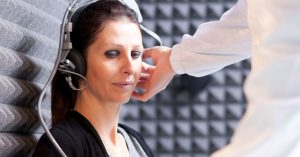
Consulting a hearing care professional—such as an audiologist—is the best way to evaluate your hearing health. These specialists conduct thorough assessments that measure how well you hear different tones, pitches, and speech sounds. They can identify whether hearing loss is caused by aging, noise exposure, medical conditions, or other factors. Early intervention not only helps slow further deterioration but also ensures that you receive appropriate guidance on treatment or protective strategies. For individuals with hearing loss, timely use of hearing devices such as hearing aids can make a significant difference in communication ability and cognitive well-being.
Beyond hearing tests, maintaining overall health is a powerful way to support your ears. Conditions like diabetes, high blood pressure, heart disease, and smoking can negatively impact blood flow to the inner ear, increasing the risk of hearing damage. By managing these conditions and prioritizing general wellness through regular exercise, a balanced diet, and adequate hydration, you support the structures responsible for hearing. Even small medical decisions—such as discussing potentially ototoxic (hearing-damaging) medications with your healthcare provider—can help protect your ears over time.
Hearing care professionals can also provide personalized conservation strategies tailored to your lifestyle. For instance, someone who works around machinery may require more robust protection than someone primarily concerned about recreational noise. Audiologists can recommend specific devices, fit custom earplugs, and help track changes in hearing year over year. With early detection and professional support, hearing conservation becomes a comprehensive, ongoing partnership between you and your healthcare team.
Conclusion
Protecting your hearing is one of the most important investments you can make in your long-term well-being. While hearing loss becomes more common with age, many of its most damaging causes—especially noise-related ones—are entirely preventable. By understanding how hearing loss occurs, practicing safe listening habits, using protective devices, and seeking professional care when needed, you can preserve your ability to communicate, connect, and enjoy the world around you.
Hearing conservation isn’t a one-time effort; it’s a series of simple, consistent choices that add up over a lifetime. Turning down the volume, walking away from loud environments, wearing earplugs when appropriate, and getting regular hearing assessments all contribute to better ear health. These habits help protect not just your ears, but also your cognitive and emotional well-being, since untreated hearing loss has been linked to social isolation and cognitive decline.
As you move forward, think of hearing conservation as an empowering practice. It gives you control over your environment and helps you maintain the clarity and richness of everyday sounds—from conversations with loved ones to the subtle noises that shape daily life. With awareness, proactive care, and the right tools, you can protect your hearing at any age and ensure that the sounds that matter most remain part of your life for years to come.
FAQ
What is the safest noise level for daily listening?
Most experts recommend keeping everyday sounds below 85 decibels to protect your hearing. Prolonged exposure above this level can lead to gradual damage, even if the sound doesn’t seem painfully loud. For personal audio devices, staying at 60% or lower volume is a safe rule of thumb. If you’re unsure about noise levels in your environment, apps and sound level meters can help you estimate exposure and make safer choices.
How often should adults get their hearing checked?
For adults over 50, an annual hearing test is recommended. Much like eye exams or dental visits, regular hearing check-ups help identify changes early. Individuals exposed to loud noise—either at work or recreationally—may benefit from more frequent testing. Early detection allows for timely intervention, better treatment outcomes, and strategies to slow further decline.
Are earplugs or earmuffs better for hearing protection?
Neither is universally better; the right choice depends on your environment and personal comfort. Earplugs are discreet and portable, making them great for concerts or travel, while earmuffs provide consistent protection and are easier to put on correctly. In extremely loud environments, combining both offers the strongest defense. Choosing a device with an appropriate Noise Reduction Rating (NRR) is key to ensuring adequate protection.
What are early signs of hearing damage?
Common early signs include difficulty understanding speech, especially in noisy environments, turning up the TV or radio louder than before, ringing in the ears (tinnitus), and feeling like others are mumbling. These symptoms may be subtle at first, but they often indicate strain on the auditory system. If noticed, it’s wise to schedule a hearing evaluation with an audiologist.
Can hearing loss be reversed?
Most noise-induced and age-related hearing loss is permanent because the inner ear’s sensory cells cannot regenerate. However, early intervention can prevent further loss and improve communication through hearing aids or assistive listening devices. Protecting your ears from loud sounds remains the most effective way to preserve your natural hearing.
This article is for informational purposes only and is not a substitute for professional medical advice, diagnosis, or treatment. If you are concerned about your hearing or ear health, please consult a qualified healthcare provider.