
Hearing loss is a common condition that affects millions of people worldwide, particularly adults over the age of 50. It can impact communication, social interaction, and overall quality of life. For many, one pressing question arises: can hearing loss be cured? The answer isn’t always straightforward. While some types of hearing loss can be treated effectively, others may be permanent, requiring ongoing management rather than a complete cure.
Understanding the causes and types of hearing loss is key to determining what treatment options may be available. From medical interventions like surgery to the use of hearing aids and assistive devices, there are ways to improve hearing and enhance daily life. Additionally, ongoing research in regenerative medicine and emerging technologies offers hope for future breakthroughs.
In this article, we’ll explore the different kinds of hearing loss, examine the treatments currently available, and discuss how lifestyle changes and future innovations may influence hearing health. Whether you’re experiencing hearing challenges yourself or caring for someone who is, gaining a clear understanding of these options is an important first step toward better hearing and quality of life.
Understanding Hearing Loss
Hearing loss occurs when there is a reduction in one’s ability to perceive sounds, and it can range from mild difficulty hearing certain frequencies to complete deafness. Understanding the type and cause of hearing loss is crucial because it determines the treatment approach and whether a full “cure” is possible.
Types of Hearing Loss
Sensorineural Hearing Loss
This is the most common form and usually results from damage to the inner ear (cochlea) or the auditory nerve. Causes include aging (presbycusis), prolonged exposure to loud noise, certain medications, and medical conditions such as diabetes. Sensorineural hearing loss is often permanent, meaning it cannot be fully cured, but it can be managed effectively with hearing aids, cochlear implants, or other assistive devices.
Conductive Hearing Loss
This type occurs when sound waves cannot efficiently travel through the outer or middle ear. Common causes include ear infections, earwax buildup, fluid in the middle ear, or structural abnormalities. Unlike sensorineural hearing loss, conductive hearing loss is often treatable and, in many cases, reversible through medical procedures, surgery, or removal of blockages.
Mixed Hearing Loss
Mixed hearing loss is a combination of sensorineural and conductive components. Treatment may involve addressing the conductive portion medically or surgically while managing the sensorineural component with hearing aids or other devices.
Symptoms and Early Detection
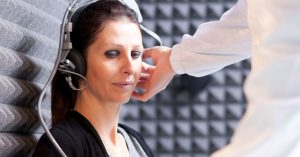
Common signs of hearing loss include difficulty understanding speech, needing to turn up the volume on devices, frequently asking others to repeat themselves, or noticing ringing in the ears (tinnitus). Early detection is important because untreated hearing loss can lead to social isolation, cognitive decline, and reduced overall quality of life. Regular hearing assessments with an audiologist or ENT specialist can help identify issues early and guide effective interventions.
Medical Treatments for Hearing Loss
Medical treatments for hearing loss focus on addressing the underlying cause whenever possible. While not all types of hearing loss are curable, certain interventions can restore or significantly improve hearing. Understanding these options can help individuals make informed choices about their care.
Surgical Interventions
Some forms of hearing loss can be treated surgically. For example, a stapedectomy is a procedure used to treat hearing loss caused by otosclerosis, a condition where the small bones in the middle ear become stiff and reduce sound transmission. Cochlear implants are another surgical option, primarily for severe sensorineural hearing loss. Unlike hearing aids, which amplify sound, cochlear implants bypass damaged parts of the inner ear and directly stimulate the auditory nerve, offering substantial improvements in hearing for many recipients.
Medications and Medical Treatments
Certain types of hearing loss respond to medications. For instance, sudden sensorineural hearing loss may be treated with corticosteroids to reduce inner ear inflammation. Antibiotics or antifungal medications can treat infections causing temporary conductive hearing loss. While these treatments can be effective, their success often depends on how quickly the condition is diagnosed and treated.
Emerging Therapies
Researchers are exploring innovative approaches to restore hearing, including gene therapy and regenerative medicine. Experimental treatments aim to repair or replace damaged hair cells in the inner ear, which are crucial for converting sound vibrations into electrical signals for the brain. While these therapies show promise in early studies, they are not yet widely available and should be considered potential future options rather than immediate solutions.
Limitations and Realistic Expectations
It’s important to recognize that not all hearing loss can be fully cured. Sensorineural hearing loss, which is most common in older adults, is generally permanent. Medical treatments often focus on managing symptoms and improving quality of life rather than complete restoration. Early intervention, accurate diagnosis, and working with audiologists or ENT specialists are key to achieving the best outcomes.
Hearing Aids and Assistive Devices
For many people with hearing loss, especially sensorineural types, hearing aids and assistive devices are essential tools for improving hearing and maintaining quality of life. While they don’t cure hearing loss, they help amplify sound, enhance communication, and reduce the challenges of daily life.
Hearing Aids
Hearing aids are small electronic devices worn in or behind the ear that amplify sound. Modern devices are highly advanced, with digital technology that adjusts to different environments, reduces background noise, and connects wirelessly to smartphones and other devices. Audiologists can customize hearing aids to an individual’s hearing profile, ensuring that the amplification matches their specific hearing loss frequencies.
Bone-Anchored Hearing Systems
For individuals with conductive or mixed hearing loss, bone-anchored hearing systems (BAHS) provide an alternative to traditional hearing aids. These devices transmit sound vibrations directly to the inner ear via the skull bone, bypassing damaged parts of the outer or middle ear. BAHS can be particularly helpful for those who cannot benefit fully from conventional hearing aids due to ear malformations or chronic infections.
Assistive Listening Devices
Assistive listening devices (ALDs) are tools that improve hearing in specific situations, such as watching television, talking on the phone, or attending public events. Examples include amplified telephones, personal FM systems, and loop systems in theaters or places of worship. These devices work in tandem with hearing aids or independently to enhance sound clarity and reduce listening fatigue.
Coping with Daily Life
Beyond technology, practical strategies can make a big difference. Positioning oneself closer to the speaker, reducing background noise, and using visual cues like lip-reading can complement hearing devices. Combining these strategies with technological solutions helps maintain social engagement and independence.
Benefits Beyond Hearing
While hearing aids and assistive devices don’t restore natural hearing, research shows they can reduce the risk of social isolation, improve mental health, and even slow cognitive decline in older adults with hearing loss. Consistent use and regular check-ups with an audiologist ensure devices are functioning optimally and provide the maximum benefit.
Lifestyle Changes and Hearing Health Management
While medical treatments and hearing devices are essential, lifestyle choices play a significant role in protecting and maintaining hearing health. Adopting healthy habits can prevent further hearing loss, reduce symptoms like tinnitus, and support overall well-being.
Protecting Your Ears from Noise
Prolonged exposure to loud sounds is one of the leading causes of hearing loss. Using ear protection such as earmuffs or earplugs in noisy environments, keeping music at moderate volumes, and taking breaks from loud activities can preserve hearing. Simple habits like reducing headphone volume or avoiding prolonged exposure to machinery noise make a measurable difference over time.
Regular Hearing Check-Ups
Routine hearing assessments help detect problems early. Even mild hearing loss can affect communication and quality of life if left unaddressed. Audiologists can monitor changes over time, recommend appropriate interventions, and ensure that hearing devices are functioning properly. Early detection also increases the likelihood that interventions will be effective.
Healthy Lifestyle Habits
Lifestyle factors like diet, exercise, and cardiovascular health impact hearing. Studies suggest that a heart-healthy diet, regular physical activity, and controlling conditions such as diabetes or high blood pressure can support inner ear health. Smoking cessation is also important, as smoking has been linked to an increased risk of hearing loss.
Managing Stress and Cognitive Health
Chronic stress and cognitive decline can indirectly affect hearing, making it harder to process sound and maintain focus in conversations. Mindfulness, cognitive exercises, and social engagement can help keep the brain attuned to auditory signals, improving communication and reducing listening fatigue.
Preventing Ear Infections and Injuries
Maintaining ear hygiene, treating infections promptly, and avoiding inserting objects into the ear canal reduce the risk of conductive hearing loss. Simple measures, such as keeping ears dry after swimming and managing allergies, can prevent conditions that may temporarily or permanently affect hearing.
Future Research and Innovations
The field of hearing health is rapidly evolving, and researchers are exploring innovative approaches that could transform the way hearing loss is treated. While many of these advancements are still in experimental stages, they offer hope for more effective interventions and, potentially, cures in the future.
Gene Therapy
Gene therapy aims to address genetic causes of hearing loss by repairing or replacing defective genes in the inner ear. Early studies have shown promise in animal models, with the potential to restore function to damaged hair cells—critical structures that convert sound vibrations into nerve signals. If successful in humans, gene therapy could offer long-lasting solutions for hereditary and certain acquired forms of hearing loss.
Regenerative Medicine and Stem Cell Therapy
Regenerative medicine focuses on repairing or replacing damaged cells within the inner ear. Stem cells, for instance, may one day be used to regenerate hair cells or auditory nerve cells lost to injury, aging, or disease. Clinical trials are ongoing, and while it may take years before these therapies are widely available, they represent a potential pathway to reversing sensorineural hearing loss rather than simply managing it.
Advanced Hearing Devices
Technological innovations continue to improve hearing aids, cochlear implants, and assistive listening devices. Future devices may incorporate artificial intelligence to adapt more intelligently to different sound environments, enhance speech recognition, and integrate seamlessly with other digital tools. These advancements aim to make hearing solutions more natural, effective, and personalized.
Pharmaceutical Developments
Researchers are also exploring drugs that could protect or regenerate inner ear cells. For example, compounds that promote hair cell survival or reduce inflammation in the cochlea are under investigation. If proven safe and effective, these medications could complement existing treatments and help slow or reverse certain types of hearing loss.
The Road Ahead
While complete cures for most types of hearing loss remain limited, ongoing research continues to push the boundaries of what’s possible. These innovations underscore the importance of staying informed and maintaining regular consultations with hearing specialists. In the future, a combination of medical, technological, and genetic interventions could dramatically improve outcomes for people living with hearing loss.
Conclusion
Hearing loss is a complex condition with a range of causes, from aging and noise exposure to infections and genetic factors. While not all types of hearing loss can be fully cured, many interventions exist to improve hearing and enhance quality of life. Medical treatments, such as surgery and medications, can address certain conditions, while hearing aids, bone-anchored systems, and assistive listening devices help manage permanent hearing loss.
Lifestyle changes, including protecting your ears from loud noise, maintaining cardiovascular health, and keeping up with regular hearing check-ups, can further support hearing health. Meanwhile, ongoing research in gene therapy, regenerative medicine, and advanced hearing devices offers hope for future breakthroughs that could restore hearing more effectively than ever before.
Ultimately, early detection, informed decision-making, and a combination of medical, technological, and lifestyle strategies provide the best approach to living well with hearing loss. While a complete cure is not always possible today, many people can experience significant improvements in hearing and maintain an active, connected life.
FAQ
Can hearing loss be completely cured?
Complete cures depend on the type of hearing loss. Conductive hearing loss caused by earwax, fluid, or certain infections can often be treated and reversed. Sensorineural hearing loss, which is more common, is usually permanent, but hearing aids, cochlear implants, and other interventions can significantly improve hearing and quality of life.
Are there any new treatments on the horizon?
Yes. Research in gene therapy, regenerative medicine, and advanced pharmaceuticals is exploring ways to repair or replace damaged cells in the inner ear. While these treatments show promise, they are still experimental and not yet widely available.
Do hearing aids restore natural hearing?
Hearing aids do not cure hearing loss or restore natural hearing. They amplify sound and improve speech clarity, making it easier to communicate and participate in daily activities. Modern hearing aids are highly customizable and can be tailored to a user’s specific hearing profile.
Can lifestyle changes prevent hearing loss?
Lifestyle changes can help protect and maintain hearing health. Reducing exposure to loud noise, managing cardiovascular health, avoiding smoking, and attending regular hearing check-ups can prevent further hearing decline and support the effectiveness of hearing devices.
When should I see a hearing specialist?
It’s recommended to see an audiologist or ENT specialist if you notice difficulty hearing, frequently ask others to repeat themselves, or experience ringing in the ears. Early evaluation can identify the type and severity of hearing loss and guide the most effective treatment plan.
This article is for informational purposes only and is not a substitute for professional medical advice, diagnosis, or treatment. If you are concerned about your hearing or ear health, please consult a qualified healthcare provider.