Hearing is something many of us take for granted until changes begin to interfere with daily life. While age-related hearing loss is well known, far fewer people realize just how much the ears depend on strong, healthy circulation to function properly. Good blood flow delivers oxygen and nutrients to every part of the body—including the delicate structures of the inner ear. When circulation becomes compromised, those tiny, sensitive components may not get what they need to operate efficiently, which can lead to noticeable changes in hearing.
Poor circulation can develop gradually, especially as we get older or manage chronic health conditions like diabetes, high blood pressure, or cardiovascular disease. Because these issues often progress silently, people may not immediately associate them with shifts in hearing clarity, ringing in the ears, or balance problems. Yet research continues to show that our hearing and cardiovascular health are closely connected.
In this article, we explore how the ear relies on a steady supply of blood, what happens when circulation isn’t optimal, and which symptoms could signal a deeper issue. You’ll also learn which steps can support better blood flow—and potentially better hearing—over time. Understanding this link can empower you to take proactive steps in preserving both your cardiovascular wellness and your long-term ear health.
How the Ear Depends on Healthy Blood Flow
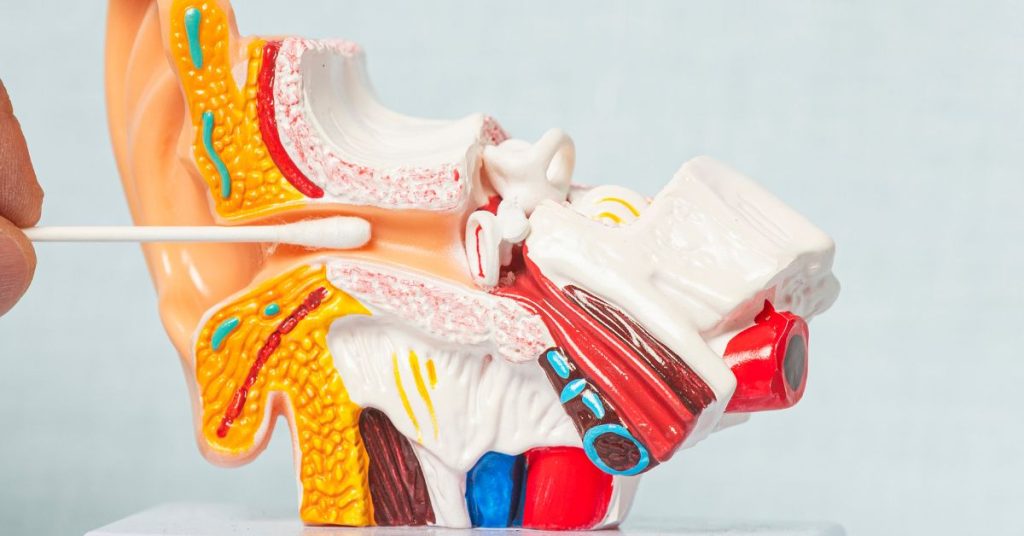
The inner ear is one of the most intricate and sensitive systems in the human body—and it relies heavily on a constant supply of oxygen-rich blood to function properly. Deep inside the temporal bone lies the cochlea, a tiny, spiral-shaped structure lined with thousands of microscopic hair cells. These hair cells convert sound vibrations into electrical signals, which travel along the auditory nerve to the brain. Because these cells cannot regenerate once damaged or destroyed, any factor that restricts their access to essential nutrients can have lasting effects on hearing.
Blood circulation plays a vital role in keeping these structures healthy. The inner ear has one of the body’s smallest and most delicate networks of blood vessels, which means even slight reductions in blood flow can influence hearing performance. When circulation slows or becomes obstructed, the hair cells may not receive enough oxygen. This decline in oxygen delivery can lead to temporary or, in some cases, permanent hearing changes. Additionally, the auditory nerve—the pathway that transmits sound information to the brain—also depends on robust circulation to remain healthy and responsive.
Another key factor is the ear’s vulnerability to inflammation. When circulation is poor, the body may struggle to remove waste products efficiently. This can lead to increased inflammation in and around the inner ear, raising the risk of tinnitus, hearing fluctuations, or a sense of fullness in the ears. Over time, these issues may progress if the underlying circulatory problem remains unaddressed. By understanding how the ear depends on adequate blood flow, individuals can better appreciate why maintaining cardiovascular health is essential for preserving hearing.
Common Circulatory Problems That Can Affect Hearing
Several health conditions can interfere with normal blood flow, and many of them become more common with age. Because the inner ear depends on a steady, reliable blood supply, any circulatory issue has the potential to affect hearing. Understanding these conditions can help you recognize whether your hearing changes may be linked to broader cardiovascular or metabolic concerns.
One of the most significant contributors is cardiovascular disease. Conditions such as atherosclerosis—where arteries become narrowed by plaque buildup—can reduce the amount of oxygen-rich blood reaching the cochlea. Over time, restricted circulation may damage the sensitive hair cells responsible for detecting sound. Research has shown a connection between heart health and hearing, suggesting that people with cardiovascular problems may experience more rapid or pronounced hearing loss compared to those with healthy circulation.
High blood pressure (hypertension) is another common condition that affects adults over 50. When blood pressure remains elevated, it can strain and weaken blood vessels throughout the body, including the tiny vessels of the inner ear. This can lead to fluctuating hearing, tinnitus, or a sensation of pressure in the ears. Similarly, diabetes can have a substantial impact on hearing. Chronic high blood sugar damages blood vessels and nerves, including those that serve the inner ear. Many individuals with diabetes experience gradual hearing loss because the cochlea and auditory nerve become compromised over time.
Another condition to be aware of is peripheral artery disease (PAD), which limits blood flow in the limbs but often reflects wider circulatory problems. If the arteries supplying the ears are affected, hearing issues may develop. Even less widely recognized conditions, such as chronic stress or autoimmune disorders, can influence circulation and contribute to ear-related symptoms. While these circulatory challenges may vary in severity, they all share one common trait: they reduce the flow of oxygen and nutrients needed to keep the auditory system healthy and responsive.
Signs and Symptoms of Circulation-Related Hearing Issues
When circulation begins to decline, the effects on hearing can be subtle at first. Many adults attribute these early signs to aging, stress, or even congestion, but the underlying cause may be reduced blood flow to the delicate structures of the inner ear. Knowing what to watch for can help you identify circulation-related concerns sooner and seek care before symptoms worsen.
One of the most common early signs is muffled or fluctuating hearing. You may notice that sounds seem less clear, or your ability to hear well comes and goes throughout the day. Because healthy blood flow helps maintain stable inner-ear function, any inconsistency in circulation can lead to shifting hearing levels. Tinnitus, often described as ringing, buzzing, or hissing in the ears, is another frequent symptom. When the cochlea doesn’t receive enough oxygen, nerve signals may misfire, leading to the phantom sounds many people experience.
Balance problems can also occur. The inner ear doesn’t just handle hearing—it also helps regulate balance through the vestibular system. Poor circulation can affect both functions, leading to dizziness, light-headedness, or unsteadiness, especially when standing up quickly. Some people also experience a feeling of fullness or pressure in one or both ears, which can mimic sinus issues but may be related to reduced blood flow or inflammation around the inner-ear structures.
In addition to ear-related symptoms, poor circulation often shows up elsewhere in the body. Cold hands or feet, tingling, fatigue, or leg cramps during walking may indicate broader circulatory issues that could also affect hearing. While these symptoms don’t confirm a direct connection, they provide valuable clues. Paying attention to your body’s signals—and noting any combination of hearing and circulatory symptoms—can help guide you toward the right evaluations and treatments.
Improving Circulation to Support Better Hearing
While some circulatory issues stem from underlying medical conditions, many people can significantly improve their blood flow—and potentially protect their hearing—through lifestyle changes and targeted care. Because the inner ear relies on a steady supply of oxygen and nutrients, anything that enhances cardiovascular health also benefits auditory function. Small, consistent steps can make a meaningful difference, especially for adults over 50.
One of the most effective ways to boost circulation is through regular physical activity. Exercises like walking, swimming, cycling, and gentle strength training help the heart pump more efficiently and improve blood vessel flexibility. Even 20–30 minutes of movement most days of the week supports healthier blood flow to all parts of the body, including the ears. Stretching, yoga, and balance exercises can also be helpful, particularly for improving vestibular stability and overall mobility.
Nutrition plays a major role as well. A heart-healthy eating pattern—rich in vegetables, fruits, whole grains, lean proteins, and healthy fats—can reduce inflammation and keep blood vessels functioning properly. Foods high in omega-3 fatty acids, such as salmon and walnuts, support cardiovascular health and may benefit hearing. Reducing sodium, added sugars, and processed foods helps maintain stable blood pressure and supports circulation. Staying well-hydrated is equally important, as dehydration can make the blood thicker and reduce the efficiency of circulation.
Addressing chronic health conditions can also make a significant impact. For example, managing diabetes, high blood pressure, and high cholesterol through medication and lifestyle adjustments helps protect fragile inner-ear structures from damage. If you smoke, quitting is one of the best steps you can take—smoking constricts blood vessels and reduces oxygen levels in the blood, directly affecting circulation throughout the body. Many people also benefit from stress-management techniques such as deep breathing, meditation, or spending time in nature, as chronic stress can tighten blood vessels and disrupt circulation over time.
Improving circulation isn’t just about preventing hearing issues—it’s about supporting your overall well-being. By prioritizing cardiovascular health, you help safeguard your hearing while also improving energy, mobility, and long-term quality of life.
When to See a Healthcare Professional
While lifestyle changes can support healthier circulation, it’s important to recognize when hearing or balance symptoms may signal the need for professional care. Because the inner ear is so sensitive to changes in blood flow, symptoms caused by circulation problems can overlap with those of other medical conditions. Seeking timely evaluation helps ensure you receive the right diagnosis and treatment—and may prevent further hearing loss.
You should consult a primary care physician if you notice persistent symptoms such as muffled hearing, tinnitus, dizziness, or ear fullness that lasts more than a few days. These signs may indicate reduced blood flow or inflammation in the inner ear. A doctor can assess your overall circulation, check for conditions like high blood pressure or diabetes, and recommend appropriate tests or treatments. If circulatory issues are suspected, early management can help preserve both hearing and general cardiovascular health.
An audiologist plays a key role as well. A comprehensive hearing evaluation can reveal specific patterns of hearing loss that may point toward circulation-related causes. Audiologists use specialized tests to identify how well sound travels through the ear and how effectively the auditory nerve responds. If your results suggest an underlying medical issue, they may refer you to an ENT (ear, nose, and throat specialist) or a vascular specialist for further evaluation. Coordinated care is often the most effective way to address complex symptoms.
Red flags that warrant urgent attention include sudden hearing loss, severe dizziness, or hearing changes accompanied by chest pain, shortness of breath, or sudden weakness in the face or limbs. These symptoms may indicate a medical emergency, such as a stroke or severe circulatory event, and require immediate care. Even milder symptoms should not be ignored—especially if you have known circulation issues or chronic health conditions. Listening to your body, and acting early when something feels off, is one of the best ways to protect your long-term hearing health.
Conclusion
The connection between circulation and hearing is stronger than many people realize. Because the inner ear relies on a rich and uninterrupted blood supply, even small changes in circulation can influence how well we hear and maintain balance. Conditions like high blood pressure, diabetes, cardiovascular disease, and peripheral artery disease can all interfere with healthy blood flow—sometimes leading to muffled hearing, tinnitus, dizziness, or gradual hearing loss. By paying attention to these early signs, individuals can often catch circulatory issues before they progress and safeguard not only their hearing but their overall well-being.
Taking steps to improve circulation—such as staying active, eating a heart-healthy diet, managing chronic conditions, and avoiding tobacco—can have meaningful benefits for both cardiovascular and auditory health. But lifestyle changes are only part of the equation. Knowing when to seek medical support is equally important. Timely evaluation from a doctor, audiologist, or specialist can help identify underlying causes and guide effective treatment options. Ultimately, understanding the role of circulation in hearing empowers you to make informed decisions that support long-term ear health and quality of life.
FAQ
What are the first signs that poor circulation is affecting my hearing?
People often notice symptoms like muffled hearing, tinnitus (ringing or buzzing), dizziness, or a sense of fullness in the ears. These symptoms may come and go at first, especially if they’re linked to fluctuations in blood flow. If you experience these signs persistently, it’s a good idea to consult a healthcare professional for evaluation.
Can improving circulation actually improve my hearing?
In some cases, yes—especially if the hearing issue is related to temporary reductions in blood flow or inflammation. Lifestyle changes such as exercise, hydration, and managing conditions like high blood pressure or diabetes may help stabilize hearing. However, if permanent damage to the inner-ear hair cells has occurred, improved circulation may not fully restore hearing.
Is tinnitus a sign of poor circulation?
Tinnitus can have many causes, but poor circulation is one of them. When the inner ear doesn’t receive enough oxygenated blood, nerve signals may misfire, creating ringing or buzzing sounds. If your tinnitus is accompanied by dizziness, cold extremities, or cardiovascular symptoms, circulation could be a contributing factor.
Can poor circulation cause sudden hearing loss?
In rare cases, significantly reduced blood flow may contribute to sudden sensorineural hearing loss—a medical emergency requiring immediate treatment. Sudden hearing loss should always be evaluated right away, as prompt care can improve the chances of recovery.
Which doctors should I see if I suspect circulation-related hearing problems?
Start with a primary care physician to assess your cardiovascular health and underlying conditions. An audiologist can perform hearing tests to determine the pattern and severity of hearing loss. Depending on the results, you may be referred to an ENT specialist or a vascular specialist for further evaluation and treatment.
This article is for informational purposes only and is not a substitute for professional medical advice, diagnosis, or treatment. If you are concerned about your hearing or ear health, please consult a qualified healthcare provider.