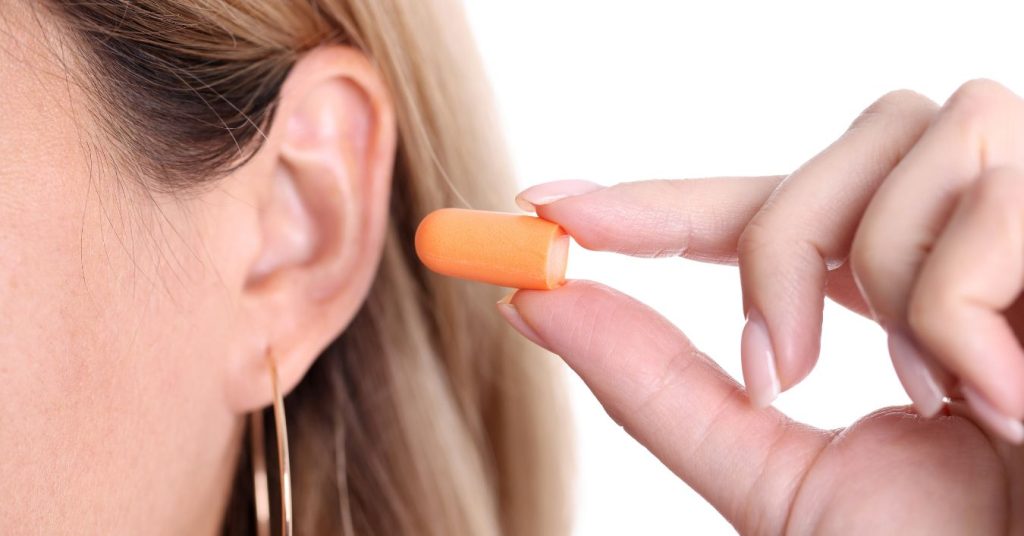
Earplugs are a simple yet effective way to protect your hearing, improve sleep, and reduce exposure to unwanted noise. Many people rely on them every day — whether to block out snoring, manage noise at work, attend loud events, or protect sensitive ears. However, while earplugs are designed to sit safely inside the ear canal, they are often overlooked when it comes to hygiene and proper care. Cleaning and storing earplugs correctly is essential, not only for comfort but also for maintaining good ear health and preventing avoidable problems.
Because earplugs come into close contact with the ear, they naturally collect earwax, sweat, skin cells, and environmental dirt. Warm, moist conditions inside the ear can also encourage the growth of bacteria and fungi. When earplugs are reused without proper cleaning, these microorganisms can be reintroduced into the ear canal, increasing the risk of irritation, itchiness, ear infections, and inflammation. For adults over 50, people with existing ear conditions, or those who wear hearing aids, these risks can be particularly concerning.
Another important consideration is how poor hygiene affects the performance of earplugs. Dirt and wax buildup can reduce their ability to form a proper seal in the ear, making them less effective at blocking noise. Over time, neglected earplugs may become stiff, misshapen, or unpleasant to wear, leading many people to stop using them altogether. This can result in unnecessary exposure to harmful noise or disrupted sleep — both of which can negatively impact overall wellbeing and hearing health.
Storing earplugs incorrectly can be just as problematic as failing to clean them. Leaving earplugs loose in pockets, handbags, or on bedside tables exposes them to dust, bacteria, and moisture. Storing them while damp can also promote mould growth and unpleasant odours. Without a clean, protective storage method, even freshly washed earplugs can quickly become contaminated again.
This guide is designed to help you understand why cleaning and storing earplugs properly matters and how to do it safely and effectively. By following simple, practical steps, you can reduce the risk of ear problems, extend the life of your earplugs, and ensure they remain comfortable and effective. Whether you use earplugs occasionally or every day, adopting good hygiene habits can make a meaningful difference to your ear health and overall comfort.
Why Cleaning Earplugs Is Essential for Ear Health
Cleaning earplugs regularly is a vital part of protecting your ears, yet it is often underestimated or forgotten altogether. Because earplugs sit directly in the ear canal, they come into contact with a warm, enclosed environment that naturally produces earwax and moisture. When earplugs are reused without being cleaned, they can carry bacteria, fungi, and debris straight back into the ear, increasing the risk of irritation and infection.
One of the most common issues linked to unclean earplugs is ear canal irritation. Built-up earwax and dirt can cause itchiness, redness, or a blocked sensation, making earplugs uncomfortable to wear. For people who already experience dry ears, eczema, or sensitive skin, this irritation can be particularly troublesome. In some cases, repeated exposure to contaminated earplugs may contribute to inflammation or minor injuries inside the ear canal.
There is also a clear connection between poor earplug hygiene and ear infections. Bacteria and fungi thrive in warm, damp environments, and earplugs that are not cleaned or dried properly provide ideal conditions for them to grow. Reintroducing these microorganisms into the ear can lead to conditions such as otitis externa, commonly known as swimmer’s ear. Symptoms may include pain, discharge, itching, and temporary hearing changes, all of which can be distressing and disruptive.
For adults over 50 and those with hearing loss, maintaining good ear hygiene is especially important. Age-related changes can make the ear canal more vulnerable to infection and slower to heal. People who wear hearing aids alongside earplugs may also face increased risks, as blocked or irritated ears can affect hearing aid comfort and performance. Keeping earplugs clean helps reduce these complications and supports overall ear health.
Dirty earplugs can also compromise how well they work. Wax and grime can prevent earplugs from sealing correctly in the ear canal, reducing their ability to block out noise. This may lead users to insert them more deeply or frequently adjust them, which can further irritate the ear. Clean earplugs, on the other hand, are more comfortable, easier to insert, and more effective.
Ultimately, cleaning earplugs is not just about cleanliness — it is about protecting your ears from unnecessary harm. Regular, proper cleaning reduces infection risks, improves comfort, and ensures earplugs continue to do their job effectively. Developing this simple habit can make a significant difference to both short-term comfort and long-term ear health.
Different Types of Earplugs and Their Cleaning Needs
Not all earplugs are the same, and understanding the type you use is essential when it comes to cleaning and care. Earplugs are made from a variety of materials, each with its own benefits and limitations. Using the wrong cleaning method can reduce their effectiveness, damage the material, or even make them unsafe to use. Knowing how to care for your specific earplugs helps protect both your ears and your investment.
Foam earplugs are among the most commonly used, especially for sleep and noise reduction. They are typically designed for single or limited use and are not intended to be washed regularly. Foam is porous, which means it can trap moisture and bacteria deep inside the material. Washing foam earplugs may cause them to break down, lose their shape, or stop expanding properly in the ear. For hygiene and safety reasons, disposable foam earplugs should be replaced frequently rather than cleaned.
Silicone earplugs, including reusable and flanged styles, are much easier to clean and maintain. These earplugs are non-porous, making them less likely to absorb moisture and bacteria. Most silicone earplugs can be safely washed with warm water and mild soap, then thoroughly dried before reuse. Because of their durability, silicone earplugs are a popular choice for people who use earplugs regularly and want a longer-lasting option.
Wax earplugs, often used for sleep, are designed to soften with body heat and create a seal over the ear canal rather than inside it. These earplugs are generally intended for single use. Attempting to clean wax earplugs can compromise their structure and hygiene, as they easily collect dust and debris. Once they lose their shape or become dirty, they should be safely discarded and replaced.
Custom-moulded earplugs, which are made to fit the unique shape of an individual’s ears, require particular care. These earplugs are often more expensive and used for extended periods, such as for work, music, or hearing protection. Most can be cleaned with gentle soap and water or specialist cleaning products recommended by an audiologist. Harsh chemicals, alcohol wipes, or boiling water should be avoided, as they may damage the material or affect the fit.
Understanding your earplugs’ material and intended lifespan is key to keeping them clean and safe. Always follow the manufacturer’s guidance where available, and when in doubt, opt for gentle cleaning methods. Proper care ensures your earplugs remain comfortable, hygienic, and effective for as long as they are designed to last.
How to Clean Earplugs Safely and Effectively
Cleaning earplugs properly does not need to be complicated, but it does require consistency and care. For reusable earplugs, establishing a simple routine can significantly reduce the risk of ear irritation and infection while helping your earplugs last longer. The key is to use gentle methods that remove dirt and bacteria without damaging the material.
Before cleaning your earplugs, always wash and dry your hands thoroughly. This prevents transferring additional bacteria onto the earplugs during handling. If your earplugs have visible earwax or debris, gently wipe them with a clean tissue or soft cloth before washing. Avoid using sharp objects, such as pins or toothpicks, as these can damage the earplugs and create rough surfaces where bacteria can collect.
Most reusable silicone and custom-moulded earplugs can be cleaned using warm water and a mild, fragrance-free soap. Gently rub the earplugs between your fingers to remove any residue, paying close attention to grooves or flanges. Water should be warm rather than hot, as high temperatures can warp or weaken some materials. Rinse thoroughly to ensure no soap residue remains, as leftover soap can irritate the sensitive skin of the ear canal.
After washing, drying earplugs completely is just as important as cleaning them. Use a clean towel to gently pat them dry, then allow them to air dry fully before storing or reusing them. Moisture left on earplugs can encourage bacterial or fungal growth, even if they have been washed. Avoid using hairdryers, radiators, or direct sunlight to speed up drying, as excessive heat may damage the earplugs.
It is important to avoid harsh cleaning agents such as alcohol, bleach, disinfectant sprays, or antibacterial wipes unless specifically recommended by the manufacturer or an audiologist. While these products may seem effective, they can degrade materials, cause skin irritation, or leave harmful residues behind. Similarly, earplugs should never be boiled or placed in dishwashers, as this can permanently alter their shape and fit.
For people who use earplugs daily, cleaning them after each use is ideal. At a minimum, reusable earplugs should be cleaned several times a week. By following these safe and effective cleaning steps, you can help ensure your earplugs remain hygienic, comfortable, and reliable every time you use them.
How Often Should You Clean or Replace Earplugs?
Knowing how often to clean or replace earplugs is just as important as knowing how to clean them properly. The frequency depends on the type of earplugs you use, how often you wear them, and the environment in which they are used. Regular assessment of their condition helps ensure they remain safe, hygienic, and effective.
Reusable earplugs, such as silicone or custom-moulded designs, should ideally be cleaned after every use, especially if they are worn daily or for long periods. This is particularly important for earplugs used during sleep, as they are exposed to warmth and moisture for extended hours. If daily cleaning is not practical, aim to clean them several times a week, ensuring they are always clean before prolonged use.
Disposable foam and wax earplugs, on the other hand, are not designed for repeated cleaning. Foam earplugs should typically be replaced after one or two uses, or sooner if they become dirty, damaged, or lose their ability to expand properly. Wax earplugs are usually single-use and should be discarded once they lose their shape or collect visible debris. Attempting to reuse disposable earplugs beyond their intended lifespan increases the risk of ear irritation and infection.
Environmental factors also play a role in how often earplugs should be cleaned or replaced. Earplugs used in dusty, sweaty, or high-noise workplaces may require more frequent cleaning or replacement than those used occasionally at home. Similarly, people who produce excessive earwax or who have skin conditions affecting the ears may need to clean earplugs more often to maintain comfort and hygiene.
It is important to inspect your earplugs regularly for signs of wear and tear. Cracks, stiffness, discolouration, or lingering odours are all indicators that earplugs may no longer be safe or effective. Custom-moulded earplugs should be checked periodically by an audiologist, who can advise when adjustments or replacements are needed to maintain a proper fit.
Replacing earplugs when necessary is an essential part of ear care. While it may be tempting to extend their use to save money, worn or contaminated earplugs can compromise ear health. By cleaning reusable earplugs regularly and replacing disposable ones as recommended, you can protect your ears and ensure reliable performance.
Best Practices for Storing Earplugs Properly
Proper storage plays a crucial role in keeping earplugs clean, safe, and effective. Even freshly washed earplugs can quickly become contaminated if they are stored incorrectly. Developing good storage habits helps prevent the buildup of bacteria, protects earplugs from damage, and extends their usable life.
One of the most important storage practices is using a clean, protective case. A dedicated earplug case shields them from dust, dirt, and accidental contact with contaminated surfaces. Cases designed specifically for earplugs often include ventilation holes, allowing airflow that helps prevent moisture buildup. For people who use earplugs daily, keeping a case nearby — such as on a bedside table or in a work bag — makes proper storage easier and more consistent.
Earplugs should always be completely dry before being stored. Storing damp earplugs creates a warm, enclosed environment where bacteria and mould can thrive. After cleaning, allow earplugs to air dry fully in a clean area before placing them in their case. Avoid sealing them in plastic bags or airtight containers while moisture is present, as this can worsen bacterial growth and lead to unpleasant odours.
It is also important to consider where earplugs are stored between uses. Placing them loose in pockets, handbags, or drawers exposes them to lint, debris, and germs. Similarly, leaving earplugs on bedside tables or work surfaces can allow them to collect dust or come into contact with pets. Choosing a consistent, hygienic storage location reduces the risk of contamination.
Temperature and environment matter as well. Earplugs should be kept away from direct sunlight, heat sources, and extreme temperatures, which can cause materials to warp or degrade. Bathrooms, while convenient, may not be ideal storage locations due to high humidity levels. A cool, dry place is generally best for maintaining earplug quality.
Finally, earplugs should never be shared, even if they appear clean. Sharing earplugs can transfer bacteria and increase the risk of ear infections. Each person should have their own clearly labelled pair and storage case. By following these best practices, you can ensure your earplugs remain hygienic, comfortable, and ready to use whenever you need them.
Common Mistakes When Cleaning and Storing Earplugs
Despite good intentions, many people unknowingly make mistakes when cleaning and storing earplugs that can compromise both ear health and the effectiveness of the earplugs themselves. Being aware of these common errors makes it easier to avoid them and maintain proper hygiene.
One frequent mistake is using harsh cleaning products such as alcohol wipes, bleach, or disinfectant sprays. While these products may seem like a thorough way to kill germs, they can damage earplug materials and leave residues that irritate the delicate skin of the ear canal. Mild soap and warm water are usually sufficient for reusable earplugs and far safer for regular use.
Another common issue is storing earplugs before they are completely dry. Even a small amount of moisture can encourage the growth of bacteria and fungi, especially when earplugs are sealed in a case or container. This can lead to unpleasant smells and increase the risk of ear infections. Allowing earplugs to air dry fully before storage is a simple but crucial step.
Many people also underestimate the risks of placing earplugs in pockets, bags, or loose drawers. These environments are often full of dust, lint, and germs, which can easily transfer onto earplugs. Reusing earplugs that have been stored this way effectively brings those contaminants directly into the ear. Using a dedicated storage case helps prevent this problem.
Reusing disposable earplugs beyond their intended lifespan is another widespread mistake. Foam and wax earplugs are not designed for long-term use and can quickly become unhygienic. As they break down, they are more likely to harbour bacteria and lose their ability to protect against noise. Regular replacement is essential for safety and comfort.
Finally, sharing earplugs is a habit that should always be avoided. Even clean-looking earplugs can carry bacteria unique to an individual’s ears. Sharing increases the risk of infection and irritation and undermines basic hygiene principles. Recognising and correcting these common mistakes can greatly improve earplug hygiene and support healthier ears.
Conclusion
Cleaning and storing earplugs properly is a simple yet essential habit that can make a significant difference to both ear health and everyday comfort. Because earplugs sit directly in the ear canal, they are exposed to earwax, moisture, and bacteria with every use. Without regular cleaning and careful storage, earplugs can quickly become unhygienic, uncomfortable, and less effective.
By understanding the type of earplugs you use and following appropriate cleaning methods, you reduce the risk of irritation, infection, and damage to the ear canal. Reusable earplugs benefit from gentle, routine cleaning with mild soap and water, while disposable options should be replaced as recommended rather than reused. Paying attention to how often earplugs are cleaned or replaced helps ensure they remain safe and fit for purpose.
Equally important is how earplugs are stored between uses. Allowing them to dry fully, keeping them in a clean protective case, and avoiding exposure to dust, moisture, and heat all contribute to better hygiene and longer-lasting earplugs. Small habits, such as not placing earplugs loose in pockets or sharing them with others, can prevent avoidable ear problems.
For adults over 50, people with hearing loss, and those who rely on earplugs regularly for sleep or noise protection, these practices are especially important. Healthy ears are more comfortable, less prone to infection, and better able to cope with daily challenges. Clean, well-stored earplugs support not only hearing protection but also overall wellbeing.
Incorporating proper cleaning and storage into your routine does not require much time or effort, but the benefits are long-lasting. With consistent care, earplugs can remain hygienic, effective, and comfortable, helping you protect your hearing and enjoy greater peace of mind every time you use them.
FAQ
How often should reusable earplugs be cleaned?
Reusable earplugs should ideally be cleaned after every use, especially if they are worn daily or overnight. Regular cleaning removes earwax, moisture, and bacteria, reducing the risk of ear irritation and infection. At a minimum, they should be cleaned several times a week if used frequently.
Can I clean earplugs with alcohol or disinfectant wipes?
In most cases, alcohol and disinfectant wipes are not recommended unless the manufacturer specifically advises their use. These products can damage earplug materials and leave residues that may irritate the ear canal. Mild, fragrance-free soap and warm water are usually the safest and most effective option.
Is it safe to reuse disposable foam earplugs?
Disposable foam earplugs are designed for single or very limited use. Reusing them increases the risk of bacterial buildup and reduces their effectiveness. If foam earplugs become dirty, damaged, or no longer expand properly, they should be discarded and replaced.
What is the best way to store earplugs when travelling?
When travelling, earplugs should be kept in a clean, protective case that allows some airflow. Make sure they are completely dry before storing them, and avoid placing them loose in bags or pockets where they can collect dirt and germs. A small, dedicated case is ideal for maintaining hygiene on the go.
Can dirty earplugs cause ear infections?
Yes, dirty earplugs can contribute to ear infections by reintroducing bacteria or fungi into the ear canal. This can lead to conditions such as irritation or otitis externa. Keeping earplugs clean and dry significantly reduces this risk.
This article is for informational purposes only and is not a substitute for professional medical advice, diagnosis, or treatment. If you are concerned about your hearing or ear health, please consult a qualified healthcare provider.