Cochlear implant surgery can feel like a big step, whether you’re considering it for yourself or supporting a loved one through the process. For many adults, especially those who have experienced progressive hearing loss over the years, the decision often comes after trying traditional hearing aids without enough benefit. A cochlear implant offers a different path—one that bypasses the damaged parts of the inner ear and gives the brain direct access to sound signals. But with that possibility comes many questions: What is the surgery like? How long is the recovery? What will I hear afterward?
In this introduction, we’ll set the stage for what you can expect during the journey from evaluation to activation. Understanding the steps involved can help replace uncertainty with confidence. You’ll learn who typically qualifies for a cochlear implant, how the device works, and why preparation plays such an important role in long-term success. You’ll also get a clear overview of the surgical process and what recovery generally looks like—both physically and emotionally.
For adults 50 and older, as well as caregivers, knowing what lies ahead can make the experience more manageable and far less intimidating. Cochlear implant surgery is a well-established, safe procedure, and while recovery takes time and patience, many recipients describe it as life-changing. This article will guide you through every phase with practical insights, reassurance, and medically grounded explanations so you can feel prepared at every step of the way.
How Cochlear Implants Work and Who They Help
Cochlear implants are remarkable medical devices designed for people whose inner ear structures are too damaged for traditional hearing aids to be effective. While hearing aids amplify sound, cochlear implants do something entirely different—they convert sound into electrical signals and send them directly to the auditory nerve. This bypasses the damaged hair cells in the cochlea, allowing the brain to interpret sound in a new way. For many adults with moderate to profound hearing loss, this can mean the difference between straining to catch parts of conversation and being able to engage fully again.
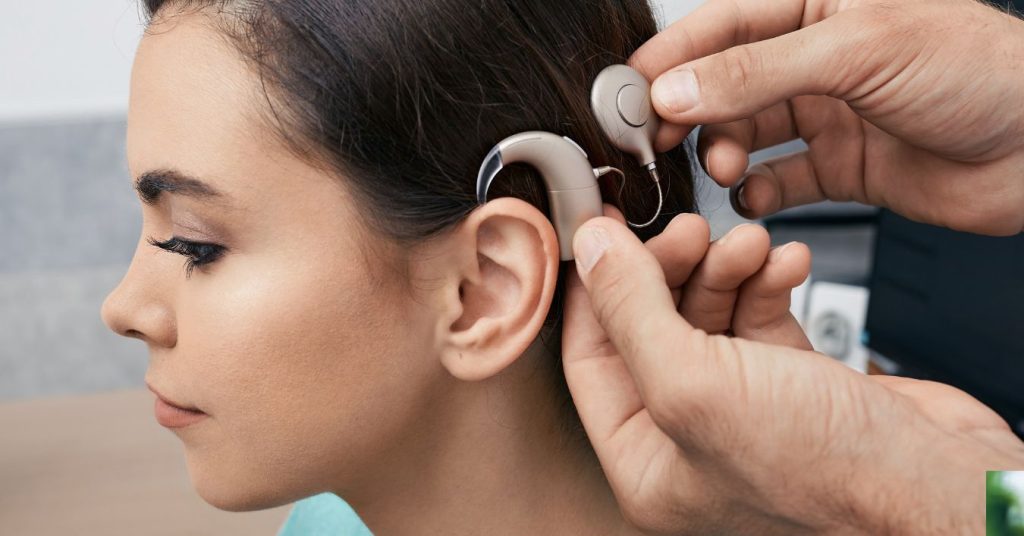
A cochlear implant has two main parts: an external sound processor worn behind the ear and an internal implant placed under the skin during surgery. The processor collects sounds from the environment, processes them, and transmits them to the internal component. From there, tiny electrical signals stimulate the auditory nerve. The brain then learns—over time—to interpret these signals as meaningful sound. While the experience isn’t identical to natural hearing, many recipients report dramatic improvements in speech understanding, even in noisy environments.
Not everyone with hearing loss is a candidate, which is why a thorough evaluation is essential. Typically, adults who benefit most are those who receive limited improvement from hearing aids, have significant damage to the cochlea, or struggle to understand speech even with amplification. Age alone is not a barrier; many older adults successfully receive implants and experience meaningful improvements in daily communication, social engagement, and overall well-being.
A cochlear implant isn’t a quick fix—but it is a powerful tool. Knowing how it works and who it helps is the first step in understanding whether it could be the right solution for you or someone you care about.
Preparing for Cochlear Implant Surgery
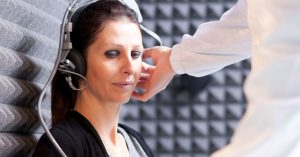
Preparation for cochlear implant surgery begins long before the day of the procedure. The process typically starts with a comprehensive evaluation by an audiologist and an ENT (ear, nose, and throat) surgeon who specialize in cochlear implants. These assessments help determine whether the implant is the best treatment option, especially for adults who have lived with hearing loss for many years. You can expect a series of auditory tests, speech recognition assessments, and hearing aid evaluations to confirm how much benefit traditional amplification is providing. Imaging tests such as CT or MRI scans are also performed, giving the surgeon a clear picture of the inner ear’s structure and helping them plan the safest surgical approach.
Emotional preparation is just as important as the medical evaluations. Many people find it helpful to talk with others who have already gone through the process or to discuss expectations with family members. A cochlear implant does not restore hearing instantly, and the journey from surgery to activation requires patience. Understanding the timeline helps reduce anxiety and builds confidence. During pre-surgery appointments, your care team will explain the steps from anesthesia to recovery and answer any questions you may have. Common topics include what to bring on surgery day, how long the procedure lasts, and what postoperative restrictions to expect.
Your healthcare provider will also review your general health to make sure you’re medically ready for surgery. This may include blood tests, reviewing current medications, and confirming that any chronic conditions—such as diabetes or high blood pressure—are well managed. You’ll usually receive instructions about fasting before surgery and guidelines for arranging transportation home afterward. Many adults find comfort in preparing their home environment ahead of time, such as organizing comfortable resting spaces and having necessary medications, soft foods, or ice packs available.
Being well-prepared for cochlear implant surgery helps smooth the process and ensures you know exactly what to expect. This preparation not only supports a safer surgery but also sets the stage for a successful and less stressful recovery.
What Happens During Cochlear Implant Surgery
Cochlear implant surgery is typically a straightforward outpatient procedure, meaning most patients go home the same day. Before the operation begins, you’ll meet with the surgical team, review your medical information, and receive general anesthesia so you are fully asleep and comfortable throughout the procedure. Many adults find it reassuring to know that cochlear implant surgery has been performed safely for decades and carries a low risk of complications when done by an experienced surgeon.
Once the anesthesia takes effect, the surgeon makes a small incision just behind the ear. This location helps keep the internal implant discreet and ensures stable placement. Through this incision, the surgeon creates a tiny opening in the skull bone (called the mastoid) to access the cochlea—the spiral-shaped organ responsible for hearing. Using delicate tools, the surgeon gently threads the implant’s electrode array into the cochlea. This is the part that will later stimulate the auditory nerve and deliver sound signals to the brain.
After the electrode array is positioned, the internal receiver-stimulator is secured under the skin. The surgeon then checks for proper function using a device that confirms electrical responses from the implant. These tests don’t produce sound for the patient yet, but they ensure the implant is working exactly as it should. The incision is then closed with sutures, and a protective dressing is applied. In total, the surgery usually takes about 1.5 to 3 hours, depending on individual anatomy and whether both ears are being implanted.
When you awaken in the recovery area, you may feel groggy, slightly dizzy, or experience mild pressure around the surgical site—all normal and temporary sensations. Nurses will monitor you closely, review aftercare instructions, and ensure you’re stable before going home. Most people experience manageable discomfort for a few days, often eased with over-the-counter pain relievers. Importantly, the implant is not activated at this time; the ear needs time to heal first.
Knowing what happens during cochlear implant surgery can make the experience far less intimidating. With a clear sense of the steps involved, many patients feel more confident and prepared for the next stage of their hearing journey.
The Recovery Process: Healing, Activation, and Adjustment
Recovery after cochlear implant surgery happens in stages, each with its own milestones and expectations. In the first few days, it’s normal to experience mild soreness, swelling, or a feeling of fullness around the ear. Some people notice temporary dizziness or changes in taste, which typically resolve on their own. Your care team will provide instructions on how to care for the incision site, including keeping it dry and avoiding strenuous activity. Most adults can return to light daily tasks within a few days, though it may take a week or two before you feel fully back to normal. Listening to your body and resting when needed is an important part of this early healing period.
About two to four weeks after surgery comes a moment many people look forward to: the activation appointment. This is when the external sound processor is fitted and turned on for the first time. Activation can be an emotional experience—some describe the sounds as mechanical, beeping, or unfamiliar at first. This is completely normal. Your brain is encountering sound signals it hasn’t processed in a long time, sometimes years or decades. Audiologists adjust the device’s settings gradually, allowing your brain to adapt. Most people leave the activation appointment hearing something, but it often takes several appointments to fine-tune the settings for clarity and comfort.
The adjustment period that follows is where the real transformation happens. Your brain begins learning how to interpret these new electrical signals as meaningful sound. Speech may initially seem unclear or robotic, but with daily listening practice and follow-up programming sessions, clarity improves. Many adults benefit from aural rehabilitation, which includes listening exercises, speech training, and structured audio routines designed to accelerate progress. Consistency is key: the more you engage with sound, the faster your brain adapts. Over the weeks and months following activation, everyday sounds become more recognizable, conversations grow easier, and confidence increases.
Emotionally, this stage can involve both excitement and frustration. It’s important to remember that cochlear implant recovery is not a race—progress varies from person to person. Support from audiologists, family members, and peer groups can make a significant difference in motivation and outlook. With time, patience, and practice, most recipients find themselves enjoying meaningful improvements in communication and reconnecting with the world around them in ways that once felt out of reach.
Life After a Cochlear Implant: Long-Term Care and Outcomes
Life after a cochlear implant is a journey of continuous improvement, supported by ongoing care, fine-tuning, and practice. Once your device has been activated and your brain begins adjusting to new sound patterns, regular follow-up appointments become an essential part of long-term success. These visits—often called mapping sessions—allow your audiologist to adjust the sound processor’s settings as your auditory nerve adapts. Most adults attend several appointments in the first few months, followed by annual or semiannual check-ins to ensure the implant continues to perform optimally.
Daily life with a cochlear implant typically becomes easier as familiarity with sound grows. For many people, conversations that once felt exhausting become more manageable, and staying engaged in social settings becomes far less overwhelming. Many recipients also report improvements in safety awareness, such as hearing alarms, approaching vehicles, or environmental sounds they had long forgotten. Activities like talking on the phone, watching television, or enjoying music may require ongoing practice, but they often improve steadily with time.
Long-term outcomes vary based on factors like age, duration of hearing loss, and personal dedication to auditory rehabilitation. Adults who actively participate in listening exercises, join support groups, or take part in speech therapy often see faster and more consistent progress. While a cochlear implant doesn’t fully restore natural hearing, it can significantly boost speech understanding and overall communication for the vast majority of recipients. Many describe it as a life-enhancing decision—one that opens the door to stronger connections with loved ones and greater independence.
Caring for the device itself is relatively simple. External processors require basic maintenance such as cleaning, battery charging, and occasionally replacing microphone covers or cables. Internal components are designed to last for decades. Manufacturers also provide technological updates, meaning you may access new features or upgraded processors over time without additional surgery. For most people, a cochlear implant becomes a seamless part of daily life, offering stable, long-term improvements in hearing and quality of life.
Conclusion
Cochlear implant surgery and recovery mark the beginning of a powerful journey toward reconnecting with the world of sound. For many adults—especially those who have struggled with hearing loss for years—the decision to pursue a cochlear implant represents hope, renewed independence, and the possibility of easier, more fulfilling communication. While the process involves careful evaluations, a brief surgical procedure, and a period of adjustment afterward, each step is designed to support your long-term success.
Understanding the entire pathway—from preparation to activation and ongoing care—helps set realistic expectations. Recovery requires patience, and the earliest weeks can feel both exciting and challenging. But with consistent listening practice, regular follow-ups, and support from hearing professionals and loved ones, most cochlear implant recipients experience significant improvements in speech clarity and daily interactions. Many even describe life after activation as transformative, offering opportunities they feared had slipped away.
Whether you are exploring cochlear implants for yourself or helping someone you care about make an informed decision, it’s natural to have questions and uncertainties. The good news is that cochlear implant technology continues to advance, offering better sound quality, greater comfort, and expanded possibilities every year. With the right preparation and mindset, the journey through surgery and recovery becomes not just manageable—but genuinely rewarding.
FAQ
1. How long does it take to recover from cochlear implant surgery?
Most people feel mostly recovered within one to two weeks, although mild tenderness or fatigue can last a bit longer. Full auditory recovery takes more time, as the implant is not activated until the ear has healed—usually two to four weeks after surgery. The brain continues adapting for several months after activation, which is a normal and expected part of the process.
2. Will I hear normally right after activation?
No—activation is just the start of the listening journey. At first, sounds may seem mechanical, robotic, or unclear. Over time, as the brain learns to interpret the new signals, clarity improves significantly. Many adults notice big changes in the first few months with consistent listening practice and follow-up programming sessions.
3. Is cochlear implant surgery safe for older adults?
Yes. Age alone is not a barrier to receiving a cochlear implant. Many adults in their 60s, 70s, and even 80s undergo surgery safely and experience meaningful improvements in communication and daily life. What matters most is overall health, candidacy criteria, and medical clearance from a specialist.
4. How soon can I resume normal activities?
Most people can return to everyday tasks—such as walking, light chores, or desk work—within a few days. However, activities involving heavy lifting, strenuous exercise, or water exposure near the surgical site should be avoided until your surgeon gives the all-clear. Sleeping with your head elevated for a few nights can help reduce swelling.
5. Will I still need hearing therapy after getting the implant?
Yes. Hearing rehabilitation is a key part of success with a cochlear implant. Listening exercises, speech training, and regular audiology appointments all help your brain adapt more quickly. Think of it like physical therapy for hearing—the more consistently you practice, the better your results will be.
This article is for informational purposes only and is not a substitute for professional medical advice, diagnosis, or treatment. If you are concerned about your hearing or ear health, please consult a qualified healthcare provider.