Hearing loss is far more common than many people realise, yet it remains one of the most misunderstood health conditions. For adults over 50, caregivers, and family members, outdated beliefs and half-truths about hearing loss often shape how people think and feel about it. These myths can create unnecessary fear, embarrassment, or denial, leading many individuals to delay seeking support that could significantly improve their quality of life.
One of the main reasons hearing loss is surrounded by myths is that it rarely appears suddenly. In most cases, hearing changes happen gradually over time, making them easy to overlook or explain away. People may assume they are simply tired, distracted, or that others are mumbling. Common early signs — such as struggling to follow conversations in noisy places, frequently asking people to repeat themselves, or turning the television volume up — are often dismissed as normal parts of ageing rather than indicators of hearing loss.
Believing these misconceptions can have real consequences. When hearing loss goes unaddressed, it can affect far more than the ears. Many people begin to withdraw from social situations because conversations become exhausting or embarrassing. This withdrawal can lead to feelings of loneliness, frustration, and reduced confidence. Relationships may suffer too, as misunderstandings increase and loved ones may not realise that hearing difficulties — not lack of interest — are at the root of communication problems.
Caregivers and family members are also influenced by common myths. If hearing loss is seen as something unavoidable or untreatable, it may not be taken seriously. This can delay hearing assessments and reduce opportunities for early intervention, which is known to provide better long-term outcomes. The longer hearing loss is left unmanaged, the more difficult it can become to adapt to hearing solutions later on.
The reality is that hearing care has advanced significantly in recent years. There are more effective treatment options, better hearing technology, and greater understanding of how hearing loss affects overall wellbeing. By challenging outdated beliefs and replacing them with accurate information, people can feel more confident about taking action — whether that means booking a hearing test, exploring hearing aids, or simply starting an open conversation about hearing health.
Hearing Loss Only Affects Older People
One of the most widespread myths about hearing loss is that it only happens to older adults. While it’s true that age-related hearing loss becomes more common as we get older, this belief oversimplifies a much more complex reality. Hearing loss can affect people at any stage of life, including children, teenagers, and working-age adults. When this myth persists, it can prevent younger people from recognising symptoms and seeking help early.
There are many causes of hearing loss that have nothing to do with ageing. Long-term exposure to loud noise is one of the most common. This includes working in noisy environments, attending loud concerts, using power tools, or listening to music through headphones at high volumes. Noise-related hearing damage can build up gradually, meaning people may not notice the effects until communication becomes noticeably difficult.
Medical factors also play a role. Ear infections, certain illnesses, head injuries, and some medications can all affect hearing at any age. Genetics can also be a factor, with some people more predisposed to hearing difficulties regardless of how carefully they protect their ears. In some cases, hearing loss may be sudden, such as after a viral infection or acoustic trauma.
This myth can be especially harmful in social and workplace settings. Younger adults may feel embarrassed or reluctant to admit they’re struggling to hear, fearing they won’t be taken seriously. Over time, this can affect confidence, relationships, and career progression.
For older adults, this myth can also be misleading. Hearing loss is not an inevitable part of ageing that must simply be endured. Many hearing conditions are manageable, and addressing them can significantly improve daily life.
If You Have Hearing Loss, You’ll Know Right Away
Many people assume hearing loss is obvious and immediate. In reality, it often develops so gradually that it can be difficult to recognise, particularly in the early stages. This myth is one of the main reasons people delay getting their hearing checked.
Gradual hearing loss often affects certain sounds first, especially high-pitched consonants like “s,” “f,” and “th.” Speech may sound muffled rather than quiet, leading people to believe others are mumbling. Because the brain adapts and fills in gaps, listening becomes more effortful without people realising why.
Friends and family often notice changes first, such as increased TV volume or frequent misunderstandings. These observations are sometimes dismissed, reinforcing the belief that hearing is “fine.”
Hearing loss can also affect one ear more than the other, allowing the stronger ear to compensate and mask the issue. This can make group conversations particularly difficult while still feeling manageable enough to ignore.
Early detection makes hearing loss easier to manage. Regular hearing checks help identify changes early and support better long-term outcomes.
Hearing Aids Mean Your Hearing Is ‘Really Bad’
Many people believe hearing aids are only for severe hearing loss, which often leads to unnecessary delays in treatment. In reality, hearing aids are commonly recommended for mild to moderate hearing loss and work best when introduced early.
Hearing aids are comparable to glasses — a supportive tool, not a sign of failure. They help clarify speech, reduce listening fatigue, and improve communication in everyday situations.
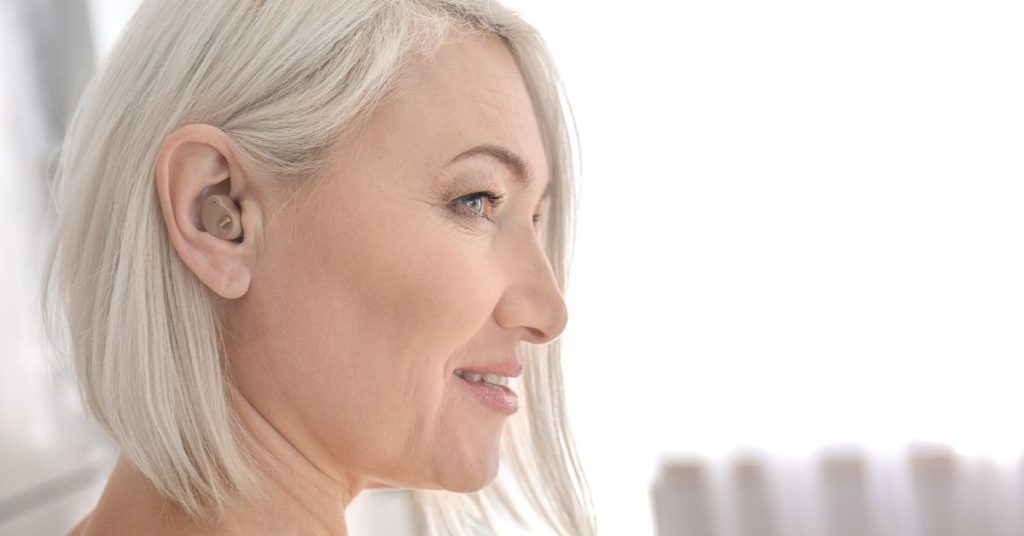
Stigma also plays a role. Concerns about appearance or ageing stop many people from seeking help. Modern hearing aids are discreet, technologically advanced, and often connect wirelessly to phones and televisions.
There is also a myth that hearing aids make hearing worse by creating dependence. This is not true. Hearing aids help keep the brain engaged with sound and can support better speech understanding over time.
Used proactively, hearing aids can significantly improve confidence, social participation, and overall wellbeing.
People with Hearing Loss Can’t Communicate Properly
This myth is both inaccurate and damaging. Hearing loss affects how sound is received, not intelligence or communication ability. Many people with hearing loss develop strong communication skills and rely on visual cues, context, and experience.
Communication is shared responsibility. Simple adjustments — such as facing the person, reducing background noise, and speaking clearly — can make a big difference.
Assistive technology, captioning, and hearing devices all support communication rather than replace it. With the right tools and understanding, people with hearing loss can communicate confidently in most settings.
Treating people as incapable due to hearing loss can lead to withdrawal and reduced self-esteem. Challenging this myth helps create more inclusive and respectful interactions.
Nothing Can Be Done About Hearing Loss
Believing hearing loss is hopeless prevents people from seeking help. While some hearing loss is permanent, most cases are manageable.
Some hearing issues are temporary and medically treatable, such as earwax build-up or infections. Permanent hearing loss can often be effectively managed with hearing aids, cochlear implants, or other assistive devices.
Hearing care also includes education and communication strategies that reduce frustration and improve daily interactions. Addressing hearing loss supports mental wellbeing, independence, and social connection.
Taking action opens the door to practical solutions and a better quality of life.
Conclusion
Myths about hearing loss can delay diagnosis, increase frustration, and limit quality of life. The truth is that hearing loss can affect anyone, develops gradually, and is highly manageable with modern care.
Challenging misconceptions benefits individuals, families, and caregivers alike. Early action leads to better outcomes, stronger relationships, and improved confidence.
Understanding the facts empowers people to protect their hearing, seek support, and continue living fully at any age.
FAQ
What are the early warning signs of hearing loss?
Difficulty following conversations, especially in noise, asking for repetition, increased TV volume, and listening fatigue are common early signs.
Can hearing loss be prevented?
Not all hearing loss is preventable, but protecting ears from loud noise and having regular hearing checks can reduce risk.
Do hearing aids cure hearing loss?
No, but they effectively manage hearing loss by improving sound clarity and communication.
How often should adults have their hearing tested?
Adults over 50 should consider a hearing test every one to two years, or sooner if changes are noticed.
Is it normal to feel hesitant about getting hearing help?
Yes, but seeking help is a proactive step toward better wellbeing, not a sign of weakness.
This article is for informational purposes only and is not a substitute for professional medical advice, diagnosis, or treatment. If you are concerned about your hearing or ear health, please consult a qualified healthcare provider.