For many adults, hearing loss can feel isolating, especially when it starts gradually or goes unnoticed by friends and family. Yet, one of the most powerful ways to navigate this challenge is by connecting with others who understand the experience firsthand. Local hearing loss communities offer exactly that: a supportive environment where individuals can share stories, exchange practical advice, and find both emotional and social support.
These communities come in many forms, from formal support groups at community centers or healthcare facilities to informal gatherings organized by nonprofits or local advocacy groups. They are designed to help people with hearing challenges—and their caregivers—feel less alone while providing access to valuable resources, from information about hearing aids and assistive technologies to tips for improving communication in everyday life.
Beyond practical guidance, being part of a local hearing loss community can dramatically enhance quality of life. Members often form friendships, gain confidence in navigating social situations, and discover strategies to advocate for their hearing health. In short, these communities transform what might feel like an individual struggle into a shared journey of learning, support, and empowerment.
In this article, we’ll explore what local hearing loss communities are, the benefits of joining them, how to find and engage with these groups, and real-life stories that demonstrate the positive impact of connecting with others who understand the hearing loss experience. Whether you’re newly diagnosed or have been living with hearing challenges for years, this guide will help you discover ways to connect, participate, and thrive within your local hearing loss community.
Understanding Local Hearing Loss Communities
Local hearing loss communities are groups or networks specifically designed to support individuals experiencing hearing challenges. These communities can vary widely in size, structure, and focus, but they all share a common goal: to provide connection, understanding, and resources for those navigating life with hearing loss.
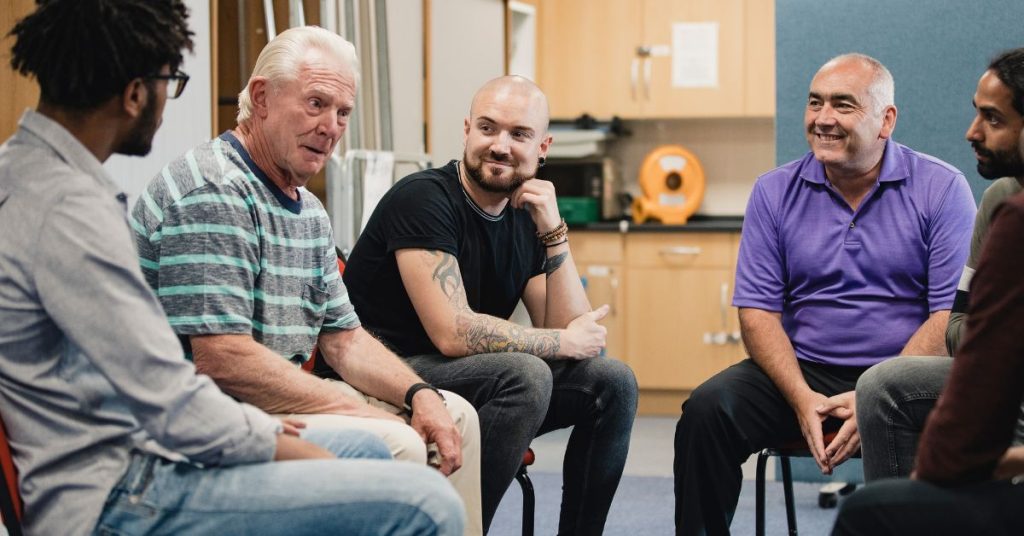
There are several types of local hearing loss communities. In-person support groups are one of the most common forms. These often meet weekly or monthly at community centers, libraries, or hospitals, providing a safe space for members to share experiences, discuss challenges, and celebrate progress. Meetings may include guest speakers, demonstrations of hearing technologies, or workshops on communication strategies.
Nonprofit organizations and advocacy groups also play a key role in forming local communities. Many nonprofits host educational events, social gatherings, and volunteer opportunities that foster connections among people with hearing loss. These organizations may focus on specific demographics, such as seniors, veterans, or individuals with sudden or age-related hearing loss, offering tailored support and resources.
Some communities are more informal, organized through local social networks, neighborhood groups, or even hearing aid providers. These smaller gatherings often emphasize social interaction and peer support, giving members opportunities to practice communication strategies in everyday settings.
Importantly, these communities are not just about socializing—they also serve as valuable educational resources. Members can learn about the latest hearing aid technologies, assistive listening devices, and communication techniques that can significantly improve daily life. Professionals such as audiologists or speech therapists may sometimes participate in meetings, providing expert guidance and answering questions.
The sense of belonging that local hearing loss communities provide is particularly crucial. Many individuals with hearing loss experience frustration, embarrassment, or isolation in social situations. Being part of a community where others face similar challenges can reduce these feelings, build confidence, and promote emotional well-being. For caregivers, these communities also offer an opportunity to learn how to support loved ones effectively and connect with others who understand the caregiving experience.
Overall, local hearing loss communities create a supportive environment where individuals can share, learn, and grow together. Whether through structured programs or casual meetups, these communities are essential for fostering both practical skills and meaningful connections.
Benefits of Joining a Local Hearing Loss Community
Joining a local hearing loss community offers a wide range of benefits that go beyond simply having a place to meet others. These groups provide emotional support, practical guidance, and opportunities for social engagement that can significantly improve quality of life for people with hearing challenges.
One of the most immediate benefits is emotional support. Hearing loss can sometimes lead to feelings of isolation, frustration, or even depression. In a supportive community, members can openly share their experiences and challenges without fear of judgment. This sense of understanding and validation helps reduce stress and promotes mental well-being. For many, simply knowing that others face similar hurdles can be incredibly reassuring.
Access to resources and information is another key advantage. Local hearing loss communities often offer guidance on hearing aids, assistive listening devices, and communication strategies. Members can learn firsthand which technologies work best in different situations and receive tips on maintenance and troubleshooting. Some groups even host workshops led by audiologists or other hearing health professionals, providing expert knowledge in an accessible setting.
Participation in these communities also fosters social connection. Regular meetings, social events, and group activities provide opportunities to make friends and build relationships with people who truly understand the hearing loss experience. This social interaction can combat loneliness and improve overall life satisfaction, which is especially important for adults over 50 who may face reduced social opportunities.
Another significant benefit is improved communication skills. Community members often share strategies for navigating conversations in noisy environments, understanding speech in group settings, or using technology to enhance hearing. Practicing these skills in a supportive environment helps individuals gain confidence and better participate in daily life.
Finally, being part of a local hearing loss community can offer a sense of empowerment and advocacy. Members often learn how to advocate for their needs in medical, social, and workplace settings. Many communities encourage participation in awareness campaigns, volunteering, or mentoring new members, giving individuals the chance to make a positive impact both personally and within the broader hearing loss community.
In short, joining a local hearing loss community can transform the experience of hearing loss from an isolating challenge into an opportunity for growth, learning, and meaningful connection. It provides the emotional, social, and practical support that makes navigating life with hearing challenges far more manageable and fulfilling.
How to Find and Join Local Hearing Loss Communities
Finding and joining a local hearing loss community may feel overwhelming at first, but there are several practical strategies to help you discover groups that fit your needs and lifestyle. Whether you prefer in-person meetings or smaller, informal gatherings, there are many ways to connect with supportive communities in your area.
Start with online directories and resources. Many national and local hearing loss organizations maintain directories of support groups, events, and community meetups. For example, organizations such as the Hearing Loss Association of America (HLAA) offer searchable databases to locate chapters and support groups by city or ZIP code. Community centers, senior centers, and local libraries also frequently post information about upcoming meetings or workshops.
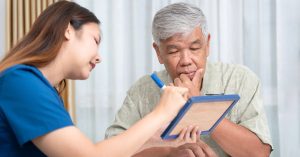
Ask your audiologist or healthcare provider. Professionals who specialize in hearing health are often well-connected with local support networks. Audiologists, ENT doctors, and speech therapists can provide recommendations for nearby groups that match your interests and needs. They may also know of specialized programs for specific age groups or types of hearing loss, offering tailored support.
Check local nonprofit organizations and advocacy groups. Many nonprofits host regular meetings, social events, and educational sessions. These gatherings not only provide valuable information but also foster connections with people who share similar experiences. Organizations may focus on seniors, veterans, or other specific populations, ensuring tailored support and resources.
Explore informal community networks. Sometimes local hearing loss communities form through word of mouth or social platforms like Facebook groups or Meetup. These groups may organize casual social events, coffee meetups, or recreational activities. While less formal, these networks can provide meaningful social interaction and peer support.
Evaluate the right fit for you. Not every group will meet your expectations or needs, so it’s important to consider factors like group size, meeting frequency, accessibility, and the group’s focus. You might attend a few different meetings before finding the community that feels most comfortable and supportive. Don’t hesitate to reach out to the organizer with questions before attending your first meeting.
Safety and accessibility considerations are also essential. Ensure that the location is easily accessible and that communication accommodations are available, such as assistive listening devices or captioning. Most reputable groups are welcoming and accommodating, but it’s always good to verify these details beforehand.
By taking these steps, you can confidently find and join a local hearing loss community that provides both practical resources and meaningful social support. Engaging with the right community can make a significant difference in navigating hearing challenges and improving overall well-being.
Making the Most of Community Involvement
Once you’ve found a local hearing loss community that feels like a good fit, the next step is to actively engage and make the most of the opportunities available. Participation is key to gaining the full benefits of support, learning, and social connection.
Attend meetings and events regularly. Consistency helps you build familiarity and trust with other members. Regular attendance also allows you to follow ongoing discussions, participate in workshops, and stay updated on new resources or technologies. Even if you start by listening and observing, gradually engaging in conversations can increase your confidence and comfort level.
Participate in discussions and share experiences. One of the greatest benefits of local hearing loss communities is the opportunity to learn from others’ experiences. Sharing your own challenges, solutions, and successes not only helps others but also reinforces your own learning and coping strategies. Open communication fosters a supportive environment where everyone benefits.
Volunteer or take on active roles. Many communities welcome members who want to contribute beyond attending meetings. Volunteering at events, assisting with group activities, or helping organize workshops can deepen your sense of purpose and connection. Active participation also helps you build leadership and advocacy skills, which can be empowering.
Utilize resources and educational opportunities. Local hearing loss communities often provide access to educational sessions, guest speakers, and demonstrations of assistive technologies. Take advantage of these opportunities to expand your knowledge about hearing aids, cochlear implants, communication strategies, and other tools that can enhance your daily life.
Build personal connections. Developing friendships within the community can enhance social support and reduce feelings of isolation. Consider attending social outings, informal gatherings, or interest-based activities organized by the group. Personal connections can make the community experience more rewarding and provide additional encouragement in managing hearing loss.
Advocate and mentor when ready. Over time, experienced members can support newcomers by sharing guidance and encouragement. Mentorship fosters a sense of contribution and reinforces your own confidence and skills. Advocacy efforts, such as raising awareness in the broader community or participating in local campaigns, can amplify the impact of the group beyond individual members.
Engaging actively in a local hearing loss community turns participation into a dynamic and enriching experience. By contributing, learning, and building relationships, you not only gain support but also help strengthen the community for others facing similar challenges.
Stories and Testimonials from Local Hearing Loss Communities
Hearing directly from people who have experienced the benefits of local hearing loss communities can be both inspiring and reassuring. Real-life stories highlight how these communities provide practical support, emotional connection, and a sense of belonging.
Take, for example, Linda, a 62-year-old retiree, who struggled with age-related hearing loss. She initially felt isolated and frustrated in social situations, avoiding gatherings with friends and family. After joining her local hearing loss support group, Linda discovered strategies for using her hearing aids more effectively and learned how to navigate conversations in noisy environments. The friendships she formed within the group also gave her confidence to re-engage socially, transforming her daily interactions and overall well-being.
Similarly, Mark, a caregiver for his father, found the community invaluable for guidance and support. By attending meetings, he learned practical tips for communicating with someone with hearing loss, from positioning techniques during conversations to using visual cues and assistive devices. Mark also connected with other caregivers who shared similar challenges, helping him feel less alone in his responsibilities and more empowered to advocate for his father’s needs.
Other members highlight the importance of educational workshops and technology demonstrations. For instance, a local nonprofit hosted a session on the latest hearing aid technologies, allowing members to try devices firsthand and discuss their pros and cons. Attendees reported feeling more informed and confident in making decisions about their hearing care, something they might not have achieved alone.
Beyond practical advice, these communities foster emotional resilience. Many participants describe feeling “understood” for the first time in years, sharing laughter, empathy, and encouragement with people who truly get the experience of living with hearing loss. For some, the sense of belonging and acceptance has been life-changing, providing a safe space to discuss frustrations, celebrate improvements, and offer mutual support.
Stories like these demonstrate that local hearing loss communities are more than just meeting places—they are lifelines. They help individuals and caregivers navigate challenges, access resources, and build meaningful social connections. By sharing experiences, members not only benefit themselves but also inspire and support others who are beginning their own hearing loss journey.
Conclusion
Connecting with local hearing loss communities can transform the experience of hearing loss from an isolating challenge into an empowering journey. These communities provide a unique combination of emotional support, practical resources, and social engagement, helping individuals and caregivers navigate the complexities of hearing challenges with confidence and resilience.
By participating in support groups, educational workshops, and social events, members gain access to firsthand advice on hearing technologies, communication strategies, and day-to-day coping techniques. More importantly, they find a network of people who understand their experiences and can offer empathy, encouragement, and friendship. This sense of connection and belonging is invaluable, particularly for adults over 50 who may face increased social isolation due to hearing difficulties.
Engaging actively in a community also encourages personal growth and advocacy. From mentoring new members to volunteering in awareness campaigns, participation empowers individuals to contribute meaningfully while enhancing their own skills and confidence. Whether through formal meetings, informal gatherings, or nonprofit-led events, the opportunities to learn, connect, and thrive are abundant.
Ultimately, local hearing loss communities remind us that hearing challenges do not need to be faced alone. By taking the step to join and actively participate, you can access support, share experiences, and build lasting relationships that enrich both your hearing journey and overall quality of life.
FAQ
What is a local hearing loss community?
A local hearing loss community is a group or network that supports individuals experiencing hearing challenges. These communities can include formal support groups, nonprofit organizations, social meetups, and educational workshops. They provide emotional support, practical guidance, and opportunities for social connection among people with hearing loss and their caregivers.
How do I find a local hearing loss community near me?
You can start by checking online directories from organizations such as the Hearing Loss Association of America (HLAA), contacting your audiologist or healthcare provider, visiting local community centers or senior centers, and exploring social platforms like Facebook or Meetup. Evaluating the group’s focus, size, accessibility, and meeting format can help you find the best fit.
What are the benefits of joining a hearing loss community?
Joining a community can provide emotional support, reduce feelings of isolation, offer access to practical resources and educational workshops, improve communication skills, and create social connections. Many members also find opportunities for advocacy, volunteering, and mentoring, which can empower them and strengthen the broader community.
Can caregivers benefit from local hearing loss communities?
Absolutely. Caregivers can gain valuable guidance on supporting loved ones, connect with others facing similar challenges, and access strategies to improve communication and daily life. Participating also helps caregivers manage stress, find emotional support, and build confidence in their caregiving role.
Do I need to use hearing aids to join a community?
No. Local hearing loss communities welcome anyone experiencing hearing challenges, regardless of whether they use hearing aids or other assistive devices. The focus is on shared experiences, learning, and support, rather than the specific type of hearing management tools used.
This article is for informational purposes only and is not a substitute for professional medical advice, diagnosis, or treatment. If you are concerned about your hearing or ear health, please consult a qualified healthcare provider.