
Hearing loss affects millions of adults worldwide, and its prevalence increases with age. For many, the idea of improving hearing naturally—without expensive devices or medical interventions—can be very appealing. From special diets to ear exercises and herbal supplements, countless “natural” remedies promise to restore hearing, often with little or no scientific support. While it’s understandable to seek out these solutions, believing in unproven methods can lead to disappointment and, in some cases, even harm.
This article aims to separate fact from fiction by debunking common myths about natural hearing improvement. We’ll explore why these myths persist, what science actually says about hearing health, and which strategies truly help preserve and support your hearing. By understanding the evidence, readers can make informed decisions and protect their hearing for the long term.
Common Myths About Natural Hearing Improvement
Many people hope to improve their hearing naturally, and it’s no surprise that myths abound. The internet and social media are full of claims suggesting that simple exercises, foods, or supplements can restore lost hearing. While some of these remedies might support overall health, they rarely reverse hearing loss. Let’s explore some of the most common myths:
Hearing Exercises Can Restore Hearing
One of the most persistent myths is that listening exercises or “ear yoga” can repair damaged hair cells in the inner ear. In reality, once these delicate hair cells are lost—often due to age, noise exposure, or disease—they cannot regenerate in humans. While auditory training can help improve the brain’s ability to process sounds, it does not restore the physical structures necessary for hearing.
Certain Foods or Supplements Can Fix Hearing
Many claims suggest that vitamins, herbal supplements, or specific foods can improve hearing. While a balanced diet supports general health, there is no evidence that consuming ginkgo biloba, vitamin B12, or other supplements will reverse hearing loss. Misleading marketing often exaggerates these benefits, giving false hope to those seeking natural solutions.
Hearing Will Improve If You Avoid Stress or Meditate
Stress reduction and mindfulness are excellent for overall wellness, but they cannot restore damaged hearing. Relaxation may help people perceive sounds more clearly due to better focus, but it does not repair inner ear damage.
Noise Exposure Can Be Reversed Naturally
Some myths claim that hearing lost from noise exposure can be regained through home remedies or natural therapies. Unfortunately, noise-induced hearing loss damages hair cells permanently, and no natural method has been proven to reverse this damage.
Ear Candling or Cleansing Restores Hearing
Ear candling and similar cleansing practices are sometimes promoted as hearing enhancers. Not only is there no scientific support for these claims, but such methods can be dangerous, causing burns, ear canal blockages, or eardrum damage.
By understanding these myths, readers can avoid wasting time and money on ineffective solutions and instead focus on proven ways to protect and support their hearing.
The Science of Hearing Loss
To understand why natural remedies rarely restore hearing, it’s essential to know how hearing works and what causes hearing loss. The ear is a sophisticated organ, divided into three main parts: the outer ear, the middle ear, and the inner ear. Sound waves travel through the outer ear and vibrate the eardrum in the middle ear. These vibrations are then transmitted to the cochlea in the inner ear, where tiny hair cells convert them into electrical signals sent to the brain via the auditory nerve. The brain interprets these signals as sound.
Hair Cells and Irreversible Damage
The hair cells in the cochlea are critical for hearing. When damaged—whether from aging, loud noise, or certain medications—they cannot regenerate in humans. This is why age-related and noise-induced hearing loss is permanent. Damage to these cells diminishes the ability to detect sound frequencies and reduces overall hearing clarity.
Common Causes of Hearing Loss
Age-Related Hearing Loss (Presbycusis): Gradual loss due to the natural aging process, affecting high-frequency sounds first.
Noise-Induced Hearing Loss: Prolonged exposure to loud environments, such as concerts, construction sites, or headphones at high volumes, can permanently damage hair cells.
Medical Conditions and Medications: Ear infections, diabetes, cardiovascular disease, and certain ototoxic medications (like some antibiotics and chemotherapy drugs) can contribute to hearing loss.
Genetic Factors: Some individuals are genetically predisposed to hearing loss, which can manifest earlier or progress faster.
Why “Natural Cures” Fail
Because most hearing loss is due to hair cell damage or nerve degeneration, remedies like supplements, exercises, or herbal treatments cannot restore the physical structures needed for hearing. While some interventions, like auditory training, may enhance the brain’s ability to process sound, they do not repair the underlying damage.
Understanding the science clarifies why myths about natural hearing improvement persist—they often ignore the complexity of the auditory system and the biological limitations of recovery. By grounding expectations in science, individuals can focus on strategies that actually support hearing health rather than chasing unproven cures.
What Really Helps: Evidence-Based Approaches
While natural remedies rarely restore hearing, several evidence-based strategies can effectively support hearing health, improve communication, and enhance quality of life. Understanding these approaches allows individuals to manage hearing loss realistically and proactively.
Hearing Aids and Cochlear Implants
For many adults with hearing loss, hearing aids remain the most effective solution. Modern hearing aids amplify sound, improve speech clarity, and are customizable for different environments. In cases of severe or profound hearing loss, cochlear implants may be recommended. Unlike hearing aids, cochlear implants bypass damaged hair cells and directly stimulate the auditory nerve, providing access to sound for those who may not benefit from amplification alone.
Protecting Ears from Noise
Preventing further damage is essential. Consistently wearing ear protection in loud environments, reducing headphone volume, and limiting exposure to prolonged noise can preserve existing hearing. Noise-induced hearing loss is cumulative and permanent, so prevention is far more effective than attempting to reverse damage afterward.
Managing Health Conditions
Certain health conditions, such as diabetes, hypertension, and cardiovascular disease, can exacerbate hearing loss. Proper management of these conditions—through medication, diet, and regular check-ups—can help maintain overall ear health. Additionally, avoiding ototoxic medications when alternatives exist can prevent further hearing damage.
Auditory Training and Communication Strategies
While exercises cannot restore damaged hair cells, auditory training can improve the brain’s ability to process sounds, particularly speech. Techniques include practicing listening in quiet and noisy environments, using visual cues like lip reading, and employing assistive devices for better communication. These strategies can significantly enhance day-to-day hearing experiences.
Lifestyle and Wellness Practices
A healthy lifestyle can indirectly support hearing. Regular exercise improves blood flow to the ears, and a balanced diet rich in antioxidants and omega-3 fatty acids may promote general ear health. Reducing stress and getting sufficient sleep also contributes to optimal auditory function, though these measures do not restore hearing.
By relying on scientifically proven approaches rather than myths, individuals can take meaningful steps to maintain hearing, improve communication, and enhance overall quality of life. Combining medical interventions, preventive measures, and practical strategies provides the most effective pathway for managing hearing loss.
Risks of Believing in Natural Hearing Improvement Myths
Believing in natural hearing improvement myths may seem harmless at first, but it carries several risks that can impact both hearing health and overall well-being. Understanding these dangers helps emphasize why evidence-based approaches are essential.
Delaying Proper Treatment
One of the most significant risks is postponing professional care. Many individuals who rely on unproven remedies delay visiting audiologists or ENT specialists, allowing hearing loss to worsen over time. Early intervention, such as using hearing aids or addressing underlying medical conditions, can significantly improve quality of life, but myths may prevent people from seeking timely help.
Financial Costs Without Benefits
Supplements, special diets, hearing exercises, and other “natural cures” can be expensive. Investing in products or programs that lack scientific backing results in wasted money, which could have been better spent on legitimate solutions like hearing aids, medical consultations, or protective devices.
Potential Physical Harm
Certain natural remedies can be harmful. For example, ear candling, aggressive ear cleaning, or unregulated herbal supplements may cause burns, infections, or allergic reactions. Even if a method seems harmless, the risk of injury or complications is real and should not be underestimated.
Psychological Impact
Believing in myths can create false hope, followed by frustration and disappointment when promised results do not materialize. Over time, this can lead to stress, anxiety, and even social withdrawal, which ironically worsens the effects of hearing loss on mental health and social engagement.
Missed Opportunities for Communication Support
By focusing on unproven remedies, individuals may neglect practical strategies that improve day-to-day communication, such as using hearing aids, assistive listening devices, or speechreading techniques. This missed opportunity can impact relationships, independence, and overall quality of life.
Understanding these risks underscores the importance of consulting qualified professionals and prioritizing evidence-based interventions. While it’s natural to seek easy solutions, protecting hearing requires informed decisions and realistic expectations.
Tips for Supporting Hearing Health Naturally
While natural remedies cannot reverse hearing loss, there are safe and practical ways to support hearing health and prevent further damage. These strategies focus on protecting your ears, maintaining overall wellness, and enhancing communication abilities.
Protect Your Ears from Noise
Consistent exposure to loud sounds is one of the leading causes of permanent hearing loss. Wearing earplugs or noise-canceling headphones in loud environments, reducing headphone volume, and limiting time spent in noisy settings can preserve your existing hearing. Even moderate adjustments to daily noise exposure can make a significant difference over time.
Maintain Cardiovascular Health
Good blood flow is crucial for ear health, as the inner ear relies on a rich blood supply. Regular exercise, a balanced diet, and managing conditions like hypertension, diabetes, and high cholesterol can indirectly support auditory function. Omega-3 fatty acids, antioxidants, and foods rich in vitamins A, C, and E may contribute to general ear health, though they do not restore lost hearing.
Regular Hearing Check-Ups
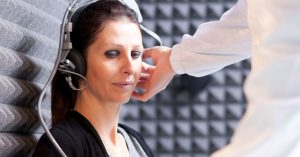
Routine visits to an audiologist help monitor hearing levels and detect changes early. Early detection of hearing loss allows for timely interventions, including hearing aids, assistive devices, and communication strategies that enhance quality of life.
Manage Stress and Sleep
Stress and poor sleep can impact concentration and auditory processing, making it harder to understand speech, especially in noisy environments. Mindfulness practices, meditation, and prioritizing restorative sleep can improve your ability to focus on sounds and maintain overall well-being.
Communication Strategies
Using practical communication techniques—such as facing speakers, reducing background noise, and using visual cues like lip reading—can improve daily interactions. Assistive listening devices, captioning apps, and hearing aid-compatible phones can also enhance comprehension without promising to “restore” hearing.
Avoid Ototoxic Substances
Certain medications and chemicals can damage hearing. If possible, discuss alternatives with your healthcare provider and avoid prolonged exposure to substances known to be ototoxic, such as some antibiotics, chemotherapy drugs, and high-decibel recreational activities.
These tips empower individuals to take realistic, safe steps toward supporting hearing health. While they cannot reverse hearing loss, they can help maintain existing hearing, improve communication, and enhance overall quality of life.
Conclusion
Hearing loss is a common challenge, especially as we age, and it can significantly impact quality of life, social engagement, and mental health. While the desire to restore hearing naturally is understandable, most popular myths—ranging from ear exercises to special supplements—are not supported by scientific evidence. Understanding the science behind hearing loss, particularly the irreversible damage to hair cells in the inner ear, clarifies why these myths persist and why relying on them can be misleading or even harmful.
Evidence-based strategies, such as hearing aids, cochlear implants, noise protection, and effective communication techniques, remain the most reliable ways to manage hearing loss and maintain an active, engaged lifestyle. Supporting overall health through cardiovascular care, stress management, and safe lifestyle practices can also contribute to better hearing function and quality of life, even if they do not restore lost hearing.
By separating fact from fiction and prioritizing scientifically supported interventions, individuals can make informed choices that genuinely protect and support their hearing. Consulting qualified audiologists or healthcare providers ensures that hearing loss is addressed effectively, preventing further decline and enhancing communication, safety, and independence.
FAQ
What are the most common myths about natural hearing improvement?
Many myths suggest that hearing exercises, certain foods or supplements, meditation, or ear candling can restore lost hearing. While these approaches may support general wellness, there is no scientific evidence that they can repair damaged hair cells or reverse hearing loss.
Can diet or vitamins improve hearing naturally?
A balanced diet rich in antioxidants, omega-3 fatty acids, and vitamins may support overall ear and cardiovascular health, but it cannot restore lost hearing. Supplements marketed specifically to “cure” hearing loss are not proven to be effective and should be approached with caution.
Are hearing exercises helpful at all?
Auditory or hearing exercises can improve the brain’s ability to process sounds, particularly speech, and may enhance listening skills in certain situations. However, they cannot regenerate damaged hair cells or reverse the physical causes of hearing loss.
What are safe ways to support hearing health?
Protecting your ears from loud noise, maintaining cardiovascular health, managing stress, getting regular hearing check-ups, and using practical communication strategies are all safe ways to support hearing health. These measures help preserve existing hearing and improve daily communication without promising to restore lost hearing.
When should I see a hearing specialist?
If you notice difficulty hearing in everyday situations, ringing in the ears (tinnitus), or sudden changes in hearing, it’s important to consult an audiologist or ENT specialist promptly. Early assessment can provide interventions like hearing aids or assistive devices and prevent further deterioration.
This article is for informational purposes only and is not a substitute for professional medical advice, diagnosis, or treatment. If you are concerned about your hearing or ear health, please consult a qualified healthcare provider.