
Ear ringing, also known as tinnitus, affects millions of people worldwide, and it can be more than just a minor annoyance. The constant or intermittent buzzing, ringing, or hissing in the ears can disrupt sleep, concentration, and overall quality of life. While tinnitus is not always a sign of a serious medical condition, the persistent sound can increase stress and anxiety, creating a cycle that makes the ringing feel even more pronounced.
Fortunately, research and practical experience show that relaxation techniques can play a significant role in managing ear ringing. By calming the nervous system and reducing stress levels, these methods can help the brain perceive tinnitus as less intrusive, making daily life more comfortable. From deep breathing and mindfulness to progressive muscle relaxation and gentle stretches, there are accessible strategies that anyone can integrate into their routine.
This article explores effective relaxation techniques specifically designed to ease the perception of tinnitus and ear ringing. Whether you are experiencing occasional ringing or chronic tinnitus, the techniques covered here provide tools to regain control over your response to these sounds, promote emotional well-being, and improve your overall quality of life. Through consistent practice, you can learn to shift focus away from the ringing, reduce stress, and find moments of calm even in the presence of persistent ear noise.
Understanding Ear Ringing and Tinnitus
Tinnitus, commonly described as ringing, buzzing, hissing, or whistling in the ears, is a condition that affects an estimated 10–15% of adults. While it is not a disease itself, tinnitus often signals underlying issues with the auditory system or overall health. Common causes include age-related hearing loss, prolonged exposure to loud noises, ear infections, certain medications, and medical conditions like high blood pressure or diabetes. Even when the source is not easily identifiable, the persistent noise can significantly impact daily life, making concentration, relaxation, and sleep challenging.
Stress and anxiety play a particularly important role in tinnitus. When a person feels stressed, the body enters a state of heightened alertness, releasing stress hormones like cortisol. This can make the brain more sensitive to sound signals, intensifying the perception of ear ringing. People with chronic stress often report that their tinnitus feels louder or more intrusive during anxious or tense moments. Conversely, reducing stress can help break this cycle, making the ringing less noticeable and more manageable.
Understanding tinnitus also involves recognizing the emotional and psychological effects it can cause. Many individuals experience frustration, irritability, or difficulty sleeping, which can further exacerbate the perception of sound. A key insight is that while the physical noise may not completely disappear, how the brain perceives and responds to it can change significantly. Relaxation techniques aim to retrain the nervous system, lower stress levels, and shift attention away from the ringing.
By adopting these strategies, individuals can reduce the emotional burden of tinnitus and improve overall well-being. Understanding the connection between stress, attention, and tinnitus lays the foundation for effectively using relaxation techniques as a complementary tool in managing ear ringing.
Breathing Exercises for Calm Ears
Breathing exercises are among the simplest and most effective relaxation techniques for managing tinnitus. They work by activating the parasympathetic nervous system—the part of the body responsible for the “rest and digest” response—helping to lower stress levels, slow the heart rate, and reduce the intensity of perceived ear ringing. Regular practice of focused breathing can create a sense of calm, making tinnitus less intrusive and improving overall emotional resilience.
One of the most popular methods is diaphragmatic breathing, also known as belly breathing. To practice this technique, sit or lie in a comfortable position and place one hand on your chest and the other on your abdomen. Inhale deeply through your nose, allowing your abdomen to rise while keeping your chest relatively still. Exhale slowly through your mouth, feeling your abdomen fall. Repeat this cycle for 5–10 minutes, focusing on the rise and fall of your abdomen. This technique encourages deeper, slower breaths that reduce tension and promote relaxation throughout the body.
Another effective approach is the 4-7-8 breathing method, which can be especially helpful during moments of acute stress or before bedtime. Inhale quietly through your nose for a count of four, hold the breath for a count of seven, and exhale fully through your mouth for a count of eight. This rhythmical breathing pattern has a calming effect on the nervous system and can distract the mind from the constant awareness of tinnitus. Regular practice may even improve sleep quality, which is often disrupted by persistent ear ringing.
Box breathing, a technique commonly used by athletes and meditation practitioners, is also valuable for tinnitus relief. In this exercise, you inhale for four counts, hold for four counts, exhale for four counts, and pause for four counts before repeating. This method not only regulates breathing but also provides a structured mental focus that helps shift attention away from the tinnitus noise.
Consistency is key when using breathing exercises for tinnitus. Practicing for just a few minutes each day can gradually retrain your nervous system to remain calmer in stressful situations, making ear ringing less noticeable. Pairing these exercises with quiet environments, soft music, or guided audio sessions can further enhance their effectiveness, providing a safe and accessible way to manage tinnitus naturally.
Mindfulness and Meditation Practices
Mindfulness and meditation are powerful tools for managing tinnitus because they train the brain to shift focus away from the constant perception of ear ringing. Instead of trying to eliminate the sound—which is often impossible—these practices help you observe it without judgment, reducing the emotional response that can make tinnitus feel more intrusive. Over time, regular mindfulness can decrease stress, improve sleep, and increase overall tolerance to persistent ear noises.
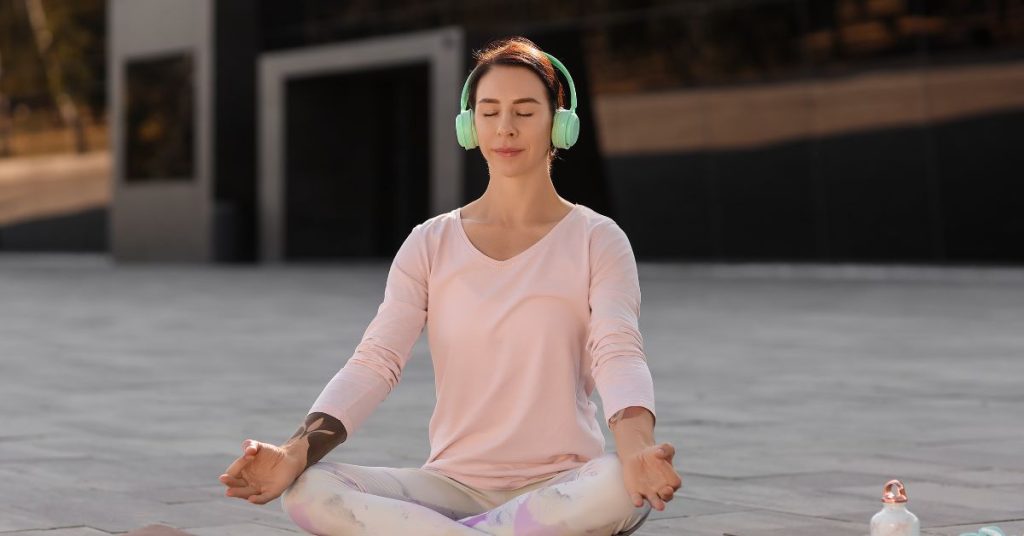
Mindfulness meditation involves paying deliberate attention to the present moment. To practice, sit comfortably, close your eyes, and focus on your breath. When your mind wanders to the tinnitus, acknowledge the sound without labeling it as “bad” or “annoying,” then gently return your focus to your breath. This approach reduces the brain’s tendency to amplify stress-related responses to tinnitus and encourages a calmer mental state. Even short sessions of 10–15 minutes a day can make a noticeable difference.
Guided imagery is another effective technique. This practice uses visualization to create a calming mental environment that distracts from tinnitus. Imagine a peaceful place—such as a quiet beach, forest, or garden—and immerse yourself in sensory details: the sound of waves, the scent of flowers, or the warmth of the sun. By focusing on these sensory experiences, the mind gradually shifts attention away from the ringing, lowering stress and promoting relaxation.
Body scan meditation is particularly helpful for those whose tinnitus worsens with physical tension. In this exercise, you slowly bring awareness to each part of the body, from the toes to the head, noting areas of tightness or discomfort and consciously relaxing them. This practice not only reduces physical tension but also encourages a sense of control over the body and mind, which can help diminish the emotional impact of tinnitus.
For individuals new to meditation, mobile apps and online guided sessions can provide structured support. Many guided meditations are specifically designed for tinnitus relief, combining breathing, visualization, and mindfulness techniques to maximize relaxation. Pairing meditation with a quiet environment, soft background sounds, or white noise can further reduce the perceived intensity of ear ringing.
Incorporating mindfulness and meditation into daily life allows the brain to respond differently to tinnitus. By reducing stress and fostering a nonjudgmental awareness of sounds, these practices help people regain a sense of calm, improving both emotional well-being and overall quality of life despite persistent ear ringing.
Progressive Muscle Relaxation and Gentle Stretching
Progressive Muscle Relaxation (PMR) and gentle stretching are effective strategies for easing the physical tension that often accompanies tinnitus. Stress and muscle tightness, especially in the neck, shoulders, and jaw, can intensify the perception of ear ringing. By systematically relaxing these muscles, PMR and stretching not only promote physical comfort but also help calm the nervous system, making tinnitus less intrusive.
Progressive Muscle Relaxation involves tensing specific muscle groups for a few seconds and then slowly releasing the tension while focusing on the sensations of relaxation. To begin, find a quiet space and sit or lie comfortably. Start with your feet and work upward: tense the muscles in your toes and feet for 5–10 seconds, then release. Move to your calves, thighs, abdomen, hands, arms, shoulders, neck, and face. Pay attention to the contrast between tension and relaxation. This method encourages body awareness and reduces overall stress, which can help lessen the intensity of tinnitus.
Gentle stretching exercises complement PMR by promoting flexibility and reducing muscular strain that may exacerbate ear ringing. Simple neck rolls, shoulder shrugs, and upper back stretches help relieve tension in areas that often contribute to headaches or jaw discomfort, which can indirectly worsen tinnitus. Incorporating light yoga or tai chi routines can also be beneficial, as these practices combine stretching, balance, and mindful movement, further supporting relaxation and stress reduction.
Jaw and neck exercises are particularly relevant for individuals whose tinnitus is linked to temporomandibular joint (TMJ) disorders or muscle tension in the head and neck. Gently opening and closing the jaw, tilting the head from side to side, or performing slow shoulder rolls can release tension that might be amplifying ear ringing. Performing these exercises daily, even for just a few minutes, can provide relief and improve overall comfort.
For best results, combine PMR and gentle stretching with a calm environment—soft lighting, quiet surroundings, or soothing background music can enhance the relaxation experience. Practicing these techniques consistently helps create a routine that reduces stress, relaxes the body, and decreases the perceived intensity of tinnitus over time.
Lifestyle Approaches to Support Relaxation
In addition to specific relaxation exercises, certain lifestyle habits can significantly influence how the brain perceives tinnitus and how effectively relaxation techniques work. Incorporating supportive routines into daily life can reduce stress, improve sleep, and create an overall environment that minimizes the impact of ear ringing.
Sleep hygiene is a critical factor for tinnitus management. Poor sleep can heighten sensitivity to sounds and increase stress, making tinnitus feel louder and more intrusive. Establishing a regular sleep schedule, keeping the bedroom dark and cool, and avoiding screens before bedtime can enhance restorative sleep. Gentle relaxation practices, such as breathing exercises or meditation before bed, can further calm the nervous system and prepare the body for restful sleep.
Diet and hydration also play a role. Limiting caffeine, alcohol, and high-sodium foods may reduce the intensity of tinnitus for some individuals, as these substances can affect blood flow and nervous system sensitivity. Staying well-hydrated and consuming a balanced diet rich in fruits, vegetables, whole grains, and lean proteins supports overall health, which indirectly benefits auditory function.
Physical activity is another important lifestyle factor. Regular movement, whether through walking, swimming, or gentle yoga, reduces stress, improves blood circulation, and releases endorphins, which act as natural mood enhancers. Exercise can also help counteract the anxiety and frustration often associated with tinnitus, creating a more relaxed mental state that makes ear ringing less noticeable.
Creating a calming environment can support relaxation practices. Quiet spaces, soft lighting, and comfortable seating can enhance meditation, breathing exercises, and stretching routines. Some people find white noise machines, gentle music, or nature sounds helpful in masking tinnitus and reducing its perceived intensity.
Stress management strategies—such as journaling, connecting with supportive friends or groups, and engaging in hobbies—also complement relaxation techniques. Reducing overall stress levels makes the nervous system less reactive to tinnitus, allowing the brain to focus on other sensory experiences rather than the ringing.
By combining relaxation exercises with healthy lifestyle choices, individuals can create a holistic approach to managing tinnitus. These supportive habits not only enhance the effectiveness of specific techniques like breathing and meditation but also improve general well-being, making it easier to live comfortably despite persistent ear ringing.
When to Seek Professional Help
While relaxation techniques and lifestyle changes can significantly reduce the perception of tinnitus, it’s important to recognize when professional evaluation is necessary. Persistent or worsening ear ringing may indicate underlying medical conditions that require targeted treatment. Consulting a healthcare provider ensures that any serious causes are identified and managed appropriately.
If tinnitus is accompanied by hearing loss, dizziness, pain, or sudden onset, it is essential to seek medical attention promptly. An audiologist or ENT (ear, nose, and throat) specialist can conduct thorough evaluations, including hearing tests and imaging if needed, to determine the cause of the symptoms. Early intervention can prevent complications and, in some cases, improve or resolve the tinnitus.
Hearing specialists play a crucial role in managing chronic tinnitus. They may recommend hearing aids, sound therapy, or tinnitus masking devices, which can make ear ringing less noticeable and improve quality of life. These devices work by introducing external sounds that help the brain shift attention away from tinnitus, complementing relaxation practices.
For individuals whose tinnitus is heavily influenced by stress or anxiety, cognitive behavioral therapy (CBT) can be highly effective. CBT focuses on changing negative thought patterns and emotional reactions to tinnitus, helping individuals develop coping strategies that reduce distress. Relaxation techniques are often integrated into CBT programs, enhancing their overall impact.
Even when tinnitus is not linked to a serious medical condition, seeking guidance from healthcare professionals can provide reassurance and personalized strategies. Professionals can help tailor relaxation exercises, recommend appropriate lifestyle adjustments, and provide resources for ongoing support. This guidance ensures that efforts to manage tinnitus are both safe and effective, allowing individuals to make meaningful improvements in their daily comfort.
Conclusion
Tinnitus, or persistent ear ringing, can be a challenging condition to manage, but it does not have to control your life. Relaxation techniques, including breathing exercises, mindfulness, meditation, progressive muscle relaxation, and gentle stretching, offer practical and accessible ways to reduce the perceived intensity of ear ringing. By calming the nervous system, lowering stress levels, and fostering a sense of mental and physical well-being, these strategies help individuals regain control over how they experience tinnitus.
Incorporating lifestyle approaches—such as maintaining good sleep hygiene, staying active, managing diet, and creating a calming environment—further supports the effectiveness of relaxation practices. Together, these strategies provide a holistic approach to tinnitus management, improving both emotional and physical comfort. While relaxation methods may not eliminate tinnitus entirely, they empower individuals to respond to ear ringing in a calmer, more controlled way, enhancing overall quality of life.
For anyone experiencing persistent or worsening tinnitus, seeking professional guidance ensures that underlying causes are addressed and that personalized strategies are in place. With consistent practice and supportive lifestyle habits, managing ear ringing becomes achievable, allowing moments of peace, focus, and relaxation despite the presence of tinnitus.
FAQ
What is the best relaxation technique for tinnitus?
The most effective relaxation technique can vary by individual, but breathing exercises, mindfulness meditation, and progressive muscle relaxation are widely recommended. Deep diaphragmatic breathing and guided meditation help calm the nervous system, which can reduce the perception of ear ringing. Regular practice is key to seeing benefits.
Can stress make tinnitus worse?
Yes. Stress increases the release of hormones like cortisol, which can heighten the brain’s sensitivity to sound and make tinnitus feel louder. Relaxation techniques, such as meditation, breathing exercises, and gentle stretching, help lower stress levels and can reduce the perceived intensity of tinnitus.
How long does it take for relaxation techniques to help with ear ringing?
The timeframe varies depending on the individual and consistency of practice. Some people notice improvements in days or weeks, while for others, it may take a few months of regular practice to experience significant relief. Combining relaxation with supportive lifestyle habits often accelerates results.
Are there lifestyle changes that can support tinnitus relief?
Yes. Maintaining good sleep hygiene, staying physically active, managing diet and caffeine intake, and creating a calm, low-noise environment can all help reduce the impact of tinnitus. These lifestyle changes enhance the effectiveness of relaxation techniques and improve overall well-being.
When should I see a doctor about my tinnitus?
Seek professional help if tinnitus is sudden, persistent, or accompanied by hearing loss, dizziness, pain, or other concerning symptoms. Audiologists, ENT specialists, and healthcare providers can identify underlying causes, provide treatment options, and recommend therapies such as hearing aids or cognitive behavioral therapy to manage chronic symptoms.
This article is for informational purposes only and is not a substitute for professional medical advice, diagnosis, or treatment. If you are concerned about your hearing or ear health, please consult a qualified healthcare provider.