Hearing aids are remarkable devices that dramatically improve communication, independence, and overall quality of life. Like any advanced technology, however, they work best when they receive regular care. Many users don’t realize that even small amounts of moisture, earwax, or dust can impact sound quality — sometimes without any obvious signs until performance noticeably declines. The good news is that proper maintenance doesn’t require complicated tools or professional training. With just a few simple habits, you can keep your hearing aids functioning reliably day after day.
In this article, we’ll walk through essential hearing aid maintenance tips that every user and caregiver should know. You’ll learn why regular care is so important, what daily routines make the biggest difference, and how to protect your devices from avoidable damage. We’ll also explore longer-term care practices and explain when it’s time to involve a hearing professional. Whether you’re new to hearing aids or have been wearing them for years, these proven strategies will help you get the clearest sound and longest lifespan from your devices.
Understanding Why Hearing Aid Maintenance Matters
Hearing aids are exposed to more daily wear and tear than most people realize. They sit inside or behind the ear — one of the body’s warmest, most moisture-rich areas — and they operate just millimeters away from earwax, oils, skin particles, and environmental debris. Over time, these elements can accumulate and interfere with microphones, receivers, and vents. Even a thin layer of wax can significantly alter sound clarity, often leading users to believe their device is “not working right” when, in reality, it simply needs cleaning.
Regular maintenance helps prevent these issues before they start. By keeping delicate components free from buildup, users enjoy consistently clearer sound and more accurate amplification. This is especially important for adults 50+ whose hearing needs may fluctuate and who rely on stable device performance to stay engaged in conversations, social activities, and daily tasks. Clean, well-maintained hearing aids also help reduce listening effort — meaning you won’t strain as hard to hear, leading to less fatigue throughout the day.
Another major reason maintenance matters is device longevity. Hearing aids are a significant investment, and proper care can add years to their usable life. Moisture is one of the leading causes of hearing aid malfunction, often affecting internal circuitry. Simple habits like using a drying kit, keeping devices clean, and handling batteries correctly can greatly reduce the risk of moisture-related damage. Maintenance also helps batteries last longer, because clean components and healthy air flow prevent unnecessary power drain.
Ignoring maintenance, on the other hand, can lead to a cascade of problems: distorted sound, volume fluctuations, persistent whistling (feedback), blocked vents, and even total device failure. Many of these issues result in avoidable clinic visits or costly repairs. In some cases, users may stop wearing their hearing aids entirely because they believe the devices aren’t helping — when the real issue is simple neglect.
Ultimately, proper maintenance isn’t just about keeping hearing aids in good working order. It’s about maintaining your connection to the world. Clear sound supports communication, safety, emotional wellbeing, and a sense of independence. When your devices perform at their best, you can confidently engage in conversations, enjoy entertainment, and stay active in your community. A few minutes of care each day can make a profound difference in how effectively your hearing aids support your life.
Daily Maintenance Tips for Optimal Performance
Daily hearing aid care doesn’t need to be time-consuming, but it does need to be consistent. Even a minute or two of attention each day can prevent many of the most common issues users experience. Because hearing aids sit close to the ear canal, they naturally come into contact with wax and moisture. Left unaddressed, these can interfere with sound quality, clog openings, and strain internal components. Establishing a simple daily routine ensures your devices stay clean, dry, and ready for reliable performance.
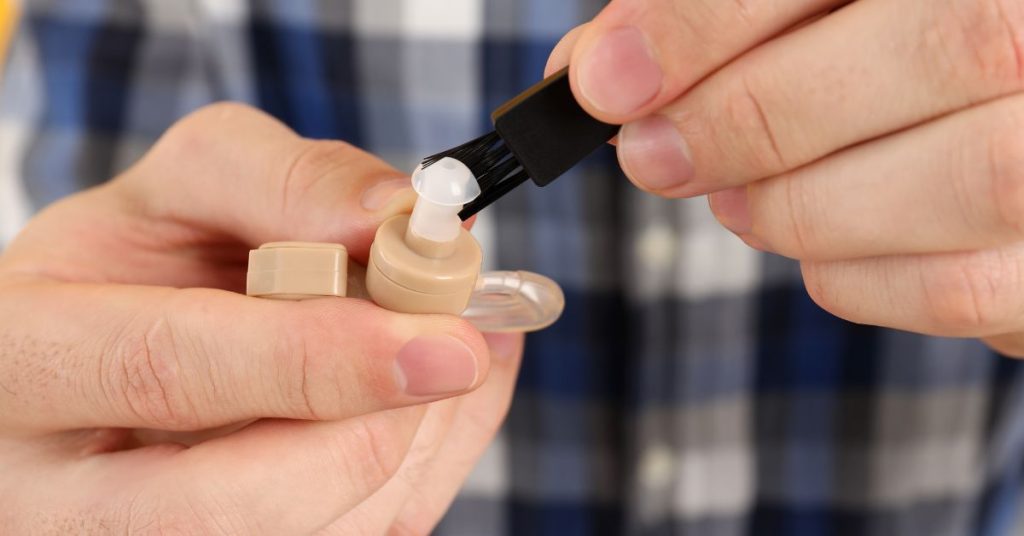
One of the easiest — and most important — daily tasks is wiping the hearing aids with a soft, dry cloth at the end of each day. This removes oils, moisture, and debris that may have collected on the microphones or casing. For behind-the-ear devices, pay special attention to the tubing and ear mold, as these areas commonly accumulate wax. For receiver-in-canal models, a quick visual check of the receiver tip each day helps you catch wax buildup before it becomes a problem. If your device came with a cleaning brush or loop tool, use it gently to clear away debris from small openings.
Keeping hearing aids dry is another essential daily habit. Moisture — whether from sweat, humidity, or even temperature changes — can affect internal electronics. Many users benefit from placing their devices in a drying box or dehumidifier overnight. These small, inexpensive devices significantly extend the life of hearing aids by removing trapped moisture and maintaining a clean internal environment. Even if you don’t use a professional drying system, storing the hearing aids in a dry case helps protect them from accidental damage.
Proper storage matters, too. Whenever the devices are not in your ears, they should be placed in a safe, secure location away from pets, small children, and sources of heat. Dogs, in particular, are drawn to hearing aids due to the scent of earwax — a surprising but very common cause of damaged devices. Avoid leaving your hearing aids on a bedside table, in pockets, or in humid bathrooms. A designated storage spot helps prevent loss, drops, or exposure to moisture.
Lastly, daily battery care plays a role in maintaining performance. For disposable battery models, opening the battery door at night helps air circulate and prolongs battery life. For rechargeable devices, make sure the charging contacts remain clean and free of debris. Placing the hearing aids in the charger every night not only ensures a full day’s use but also protects them from accidental misplacement.
Weekly and Monthly Care Routines
Weekly and monthly routines provide a deeper level of care that helps prevent long-term issues. These slightly more detailed tasks focus on components that gradually collect wax, dust, or moisture over time. Incorporating them into your schedule ensures your devices stay in top condition and that small problems don’t escalate into costly repairs or avoidable clinic visits.
One of the most important weekly tasks is checking and replacing wax guards or wax filters. These tiny components act as a barrier between earwax and the delicate electronics inside your hearing aid. Over time, wax guards clog and cause muffled or weak sound. Replacing them regularly can restore clarity in seconds.
Weekly cleaning should also include a closer inspection of microphones, vents, ear molds, and receiver domes. Use the small brush from your hearing care professional to remove debris from ports and openings. For earmold-style hearing aids, detachable earmolds can be soaked in warm, soapy water weekly. Receiver-in-canal domes cannot be soaked but should be inspected for wear.
Monthly tasks include checking tubing for stiffness or discoloration, examining domes for cracks, and ensuring battery contacts are free of residue or corrosion. Rechargeable users should also check their charging case monthly — dust in the wells can interfere with proper charging. Firmware updates through your hearing aid app may also improve performance and reliability.
Protecting Your Hearing Aids From Damage
Although hearing aids are built to withstand everyday use, they are sensitive electronics that require mindful handling. Environmental factors such as moisture, heat, dust, and impact can all affect performance.
Moisture remains the leading cause of hearing aid malfunction. Sweat, humidity, rain, and steam can enter the device and impact internal components. Avoid wearing your hearing aids while bathing, swimming, or during intense physical activity unless your model is designed for moisture resistance. Protective sleeves or sweatbands can be helpful for active users. Storing the devices in a dehumidifier each night adds another layer of protection.
Temperature extremes also pose risks. Heat can warp plastic components or weaken batteries, while cold temperatures can reduce battery life or cause condensation when moving between environments. Avoid leaving hearing aids in cars, near heaters, or in direct sun.
Physical drops are another common source of damage. To reduce this risk, handle your hearing aids over a soft surface and with both hands. Pets — especially dogs — are notorious for chewing hearing aids, so always store them in a secure case when not in use.
Finally, hair products, lotions, and perfumes can clog vents and microphones. Apply these products before inserting your hearing aids and wash your hands afterward to avoid residue transfer.
When to Seek Professional Hearing Aid Maintenance
Even with excellent home care, your hearing aids will occasionally need professional attention. Recognizing the signs ensures small problems don’t become larger and more expensive.
If you notice sudden muffling, distortion, weak volume, or intermittent sound — and cleaning or changing wax guards doesn’t help — a professional should examine the device. Internal component issues are not safe to fix at home.
Persistent feedback (whistling) can also signal problems such as tubing cracks, dome deterioration, or changes in the ear canal shape. A professional check can identify the cause and correct it quickly.
Physical wear, such as cracks, loose parts, stiff tubing, or poorly fitting domes, warrants professional maintenance. Dome and tubing replacements are simple for clinicians and greatly improve performance.
Battery problems may require expert cleaning of contacts or testing of the charger. Sometimes the issue lies with the charger rather than the hearing aid itself.
Routine visits every six months are recommended for deep cleaning, diagnostics, firmware updates, and adjustments to match changes in your hearing.
Conclusion
Maintaining your hearing aids doesn’t have to be complicated — but it does have to be consistent. Daily habits, supported by weekly and monthly routines, protect your devices from the most common causes of damage and performance decline. Clean, well-maintained hearing aids deliver clearer sound, better reliability, and a longer lifespan.
Understanding how moisture, wax, and environmental exposure affect your devices helps you take proactive steps that keep them working their best. And when issues arise that require expertise, knowing when to seek professional maintenance ensures you always have the support you need.
With proper care, your hearing aids can continue supporting your communication, confidence, and wellbeing for years to come.
FAQ
What are the most important daily hearing aid maintenance steps?
Wipe the devices daily, brush debris from microphones and receivers, keep them dry, and store them safely. These small habits prevent wax buildup and moisture damage.
How often should I replace my hearing aid wax guards?
Typically every one to two weeks, depending on earwax production. If sound becomes suddenly muffled, a clogged wax guard is a likely cause.
Can I clean my hearing aids with water or alcohol?
No. Liquids and chemicals can damage electronics. Only detachable earmolds may be rinsed — never electronic components.
What should I do if my hearing aids get wet?
Dry them with a cloth, avoid heat sources, and place them in a dehumidifier overnight. If problems persist, contact your provider.
When should I take my hearing aids in for professional maintenance?
If you notice distorted sound, persistent feedback, rapid battery drain, or visible wear. Regular six-month checkups are also recommended.
This article is for informational purposes only and is not a substitute for professional medical advice, diagnosis, or treatment. If you are concerned about your hearing or ear health, please consult a qualified healthcare provider.