Industrial workplaces are some of the most challenging environments for maintaining healthy hearing. From the roar of heavy machinery to the constant hum of tools, motors, and ventilation systems, noise exposure is a daily reality for millions of workers. Over time, even moderate levels of noise can cause irreversible damage to the delicate structures inside the ear. This makes hearing protection not just a safety measure but an essential part of long-term health and wellbeing.
For many adults—especially those over 50 who may already experience early signs of age-related hearing changes—industrial noise can speed up existing hearing decline. Understanding how to protect your hearing on the job can help prevent the frustration, communication difficulties, and emotional strain that often accompany hearing loss. This article will explore the risks of industrial noise, the hearing protection options available, and the steps workers can take to stay safe.
Whether you’re new to industrial work or have spent decades on the job, learning proper protection habits can make a significant difference. With the right tools, knowledge, and support from workplace safety programs, it’s possible to maintain clear, healthy hearing throughout your career.
Understanding Noise Exposure in Industrial Workplaces
Noise exposure is one of the most common—and most underestimated—hazards in industrial settings. Factories, warehouses, construction sites, and manufacturing plants frequently reach sound levels that far exceed what the human ear can safely tolerate for extended periods. Noise is measured in decibels (dB), and once workplace noise consistently reaches 85 dB or higher, the risk of hearing damage begins to increase significantly. Many industrial machines, such as grinders, jackhammers, compressors, and saws, regularly operate well above this threshold.
What makes industrial noise particularly dangerous is its constant and cumulative nature. Unlike a sudden loud blast, ongoing exposure to high-level noise gradually wears down the tiny hair cells in the inner ear responsible for transmitting sound signals to the brain. Once damaged, these cells cannot be repaired or replaced. This means that even mild hearing difficulty, ringing in the ears, or muffled hearing after a shift may signal the start of permanent noise-induced hearing loss.
Another challenge is that noise exposure often varies throughout the day. A worker may move from a moderately loud area to one with short bursts of extremely loud sounds, and without proper hearing protection, this fluctuation can be just as harmful. Additionally, exposure to noise often goes unnoticed because workers become accustomed to their environment. Over time, what once seemed loud may begin to “feel normal,” even though the risk remains high.
Recognizing the early signs of hearing damage is key. Symptoms like difficulty understanding speech in noisy rooms, needing to turn up the television, or experiencing temporary ringing after work are all red flags. If left unaddressed, these issues can progress, affecting communication, productivity, and quality of life—on and off the job.
Types of Hearing Protection Available to Industrial Workers
Industrial workers have access to a wide range of hearing protection options, each designed to reduce noise exposure in a different way. Choosing the right protection is essential because not all devices offer the same level of noise reduction, comfort, or suitability for specific job tasks. Understanding how each type works makes it easier to select the best option for your environment and personal needs.
Earplugs are one of the most common and widely used forms of protection. They come in disposable foam, reusable silicone, and pre-molded varieties. Foam earplugs expand to fit the ear canal and offer strong noise reduction when inserted correctly. Reusable earplugs are more durable and cost-effective for long-term use. Many workers appreciate earplugs because they’re lightweight, comfortable in hot environments, and compatible with other protective gear like helmets and face shields.
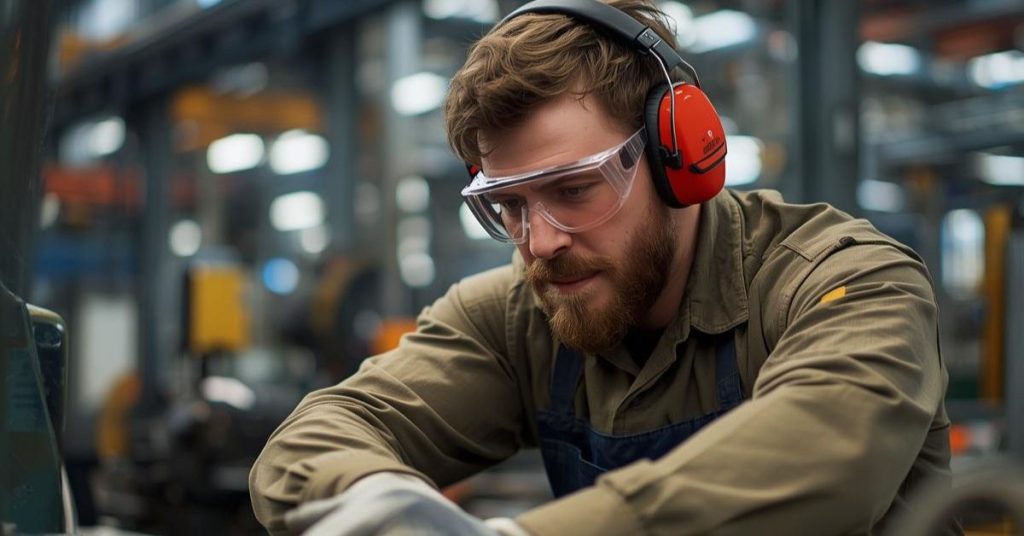
Earmuffs provide another effective solution, especially in environments where noise levels fluctuate or when workers need to quickly remove and replace protection. Earmuffs create a seal around the entire ear and tend to be easier to fit correctly than earplugs, making them a reliable choice for workers who move between different areas or share equipment. Some earmuffs also include electronic features that enhance speech while dampening hazardous noise, giving workers better situational awareness.
For those who need premium protection or have difficulty achieving a proper fit with standard devices, custom-molded earplugs offer a personalized solution. These are professionally crafted to fit the exact shape of the wearer’s ear canal, providing both comfort and consistency. Although more expensive upfront, they are highly durable and ideal for workers with long-term exposure to loud environments.
Finally, advanced electronic and communication-enabled hearing protection is becoming more common. These devices maintain protection while allowing clear communication between team members—important in environments where instructions are critical for safety. They can also filter out harmful noise while letting safe sounds pass through, offering a balance of protection and performance.
Each type of hearing protection has unique advantages, and the best choice depends on noise levels, job duties, environment, and personal comfort. When properly selected and worn consistently, these tools dramatically reduce the risk of long-term hearing damage.
How to Properly Use and Maintain Hearing Protection
Even the best hearing protection can fail to do its job if it isn’t worn correctly or maintained regularly. Proper use is essential for ensuring you get the full level of noise reduction the device is designed to provide. For many industrial workers, small adjustments in fit and daily care can make a significant difference in long-term hearing safety.
For earplugs, the most common issue is incorrect insertion. Foam earplugs should be rolled tightly between clean fingers to compress them, then gently inserted into the ear canal while pulling the ear upward and outward to straighten the ear canal. Once in place, the earplug expands to form a snug seal. If earplugs aren’t inserted deeply enough or if they loosen during work, their effectiveness drops sharply. Reusable and pre-molded earplugs should also be inserted carefully to ensure a proper seal without causing discomfort. Regular cleaning is important for reusable types; a quick wash with mild soap and warm water can help prevent irritation or ear infections.
Earmuffs require a good seal around the entire ear to work effectively. Hair, glasses, hats, and even facial hair can sometimes break this seal, reducing protection. Industrial workers should check that the earmuff cushions sit comfortably and evenly against the head. Replacing worn-out cushions or headbands is another key maintenance step since old or damaged parts can compromise noise reduction. Many earmuffs also offer replaceable hygiene kits, which help extend their lifespan and maintain cleanliness.
For custom-molded protection, routine care is simple but essential. These devices should be cleaned regularly and checked for signs of wear, such as cracks or stiffness. Because they are made from durable materials, they typically last several years, but they should still be evaluated periodically—especially if the wearer notices changes in fit.
Storage is another often-overlooked aspect of maintenance. Hearing protection should be kept in a clean, dry case or container when not in use to prevent contamination, damage, or loss. Leaving devices in pockets or tool bags can expose them to dirt, oil, and moisture, which may shorten their lifespan or reduce their performance.
Finally, consistency is key. Hearing protection should be worn before entering noisy areas and kept on until safely outside those zones. Interruptions, even for short periods, can allow damaging levels of noise to reach the ears. Proper use and maintenance not only ensure maximum protection but also strengthen good hearing habits that last a lifetime.
Workplace Safety Policies and Hearing Conservation Programs
In industrial environments, hearing protection is not just a personal responsibility—it is also supported and reinforced through workplace safety policies and structured hearing conservation programs. These programs exist to help protect workers from excessive noise exposure, ensure safer working conditions, and reduce the long-term health impacts of hazardous sound levels. Understanding these policies empowers workers to make informed decisions and advocate for the support they need.
Most employers are required to conduct noise assessments to identify areas where sound levels exceed safe limits. These assessments help determine which workers need hearing protection and whether additional measures, such as engineering controls, can reduce noise at the source. If noise consistently reaches or exceeds 85 dB, a hearing conservation program is typically mandated. These programs outline the steps an employer must take to safeguard worker hearing, including providing training, equipment, and monitoring.
A key component of these programs is audiometric testing, which involves routine hearing checks to track any changes over time. These tests help identify early signs of hearing loss, allowing workers to take corrective action before the damage becomes more severe. Regular testing also creates an opportunity for workers to ask questions, report concerns, and receive personalized guidance on hearing protection options.
Employers must also provide appropriate hearing protection devices at no cost to workers. This includes a range of options so individuals can choose equipment that feels comfortable and suits their specific job tasks. Training sessions teach employees how to use, fit, and care for their devices properly. Refresher training is equally important because it reinforces good habits and ensures that new employees receive the same level of protection as seasoned workers.
In addition to equipment and testing, effective workplace safety programs also encourage a culture of hearing protection. Clear signage, accessible storage stations for hearing protection, and regular safety talks all help remind workers to use protection consistently. Workers are encouraged to participate actively—by reporting areas where noise seems excessive, suggesting improvements, or reminding coworkers when they forget their earplugs or earmuffs.
When employers and workers collaborate, hearing conservation programs become far more effective. Together, they help create an environment where hearing health is recognized as an essential part of overall wellbeing.
Long-Term Benefits of Protecting Hearing on the Job
Protecting your hearing isn’t just about preventing short-term discomfort—it’s an investment in your long-term health, communication, and quality of life. Many industrial workers underestimate how much noise exposure can affect them over time, especially if their hearing still seems “good enough.” But hearing loss often develops gradually, and by the time it becomes noticeable, damage has already occurred. Consistent use of hearing protection can dramatically slow or prevent this decline.
One of the most important long-term benefits is maintaining clear, reliable communication. Workers with healthy hearing can understand instructions, respond quickly to warnings, and communicate easily with coworkers. As hearing declines, these simple tasks become more challenging, sometimes increasing the risk of accidents or misunderstandings. Protecting your ears today helps preserve your ability to stay sharp, alert, and connected on the job.
Hearing protection also supports overall wellbeing and mental health. Untreated hearing loss is linked to increased stress, fatigue, and even social withdrawal. Many people with noise-induced hearing loss find conversations exhausting because they must concentrate harder to follow speech. Over time, this can lead to frustration or avoidance of social situations. By reducing noise exposure early, workers can safeguard not only their hearing but also their emotional health and social confidence.
There are also important physical health benefits. Constant loud noise doesn’t just harm your ears—it can raise stress hormones, contribute to high blood pressure, and increase fatigue. Workers who consistently use hearing protection often report feeling less drained at the end of the day. By reducing overall stress on the body, proper protection contributes to improved energy, better focus, and a healthier work-life balance.
Finally, protecting your hearing helps ensure a safer and more productive career. Workers who maintain good hearing are better equipped to stay in roles that require alertness, teamwork, and precise communication. They may have fewer medical concerns related to hearing and are more likely to maintain independence later in life. Hearing protection is a simple habit that provides lifelong benefits—not just for work, but for family, hobbies, and daily activities.
Conclusion
Hearing protection is one of the most essential—and most effective—tools industrial workers have to safeguard their long-term health. In workplaces where noise is a daily part of the job, consistent use of earplugs, earmuffs, or custom-molded devices can make the difference between maintaining healthy hearing and facing preventable hearing loss later in life. With the right knowledge, workers can confidently choose and use the protection that best fits their jobs, environments, and personal comfort.
Equally important is the role of workplace safety programs, which provide guidance, testing, and education to ensure every worker has the support needed to stay protected. By participating in these programs and taking hearing protection seriously, employees can reduce risks, improve communication, and create safer working conditions for everyone.
Ultimately, prioritizing hearing protection isn’t just about the present moment—it’s an investment in staying connected, healthy, and engaged throughout your career and beyond. Simple, consistent actions can preserve your hearing for decades, helping you enjoy work, family life, and everyday conversations with clarity and confidence.
FAQ
What noise level is considered dangerous for industrial workers?
Noise becomes potentially damaging at 85 decibels (dB) and above, especially with prolonged exposure. Many industrial machines exceed this level, which is why consistent hearing protection is essential to prevent long-term hearing loss.
How do I know if my hearing protection is working properly?
Your hearing protection should feel snug and reduce the surrounding noise to a more comfortable level. If sounds still seem loud, your earplugs or earmuffs may not be fitted correctly, or you may need a different type or size. Proper training and periodic fit checks can help ensure maximum protection.
Can I wear both earplugs and earmuffs together for extra protection?
Yes. Wearing earplugs and earmuffs simultaneously—called “dual protection”—offers additional noise reduction and is recommended in extremely loud environments. However, this combination is usually needed only when noise levels exceed typical industrial ranges.
How often should I replace my hearing protection devices?
Disposable earplugs should be replaced daily or after each use. Reusable earplugs can last several months with proper cleaning, while earmuff cushions typically need replacing every six months to a year. If any device becomes damaged, uncomfortable, or less effective, it should be replaced immediately.
Are there signs that I may already have noise-induced hearing loss?
Yes. Common signs include difficulty understanding speech, needing frequent repetition, ringing in the ears (tinnitus), or muffled hearing after work. If these symptoms occur, it’s important to schedule a hearing test and review your workplace hearing protection habits.
This article is for informational purposes only and is not a substitute for professional medical advice, diagnosis, or treatment. If you are concerned about your hearing or ear health, please consult a qualified healthcare provider.