
Hearing is one of the most vital senses for staying connected with the world, yet it’s often overlooked—especially as we age. Many adults experience gradual hearing loss without even realizing it, which can affect communication, relationships, and overall quality of life. The good news is that taking a proactive step, like scheduling a hearing test, can make a world of difference.
Fortunately, free hearing tests are widely available through clinics, community programs, and even some retail locations. These tests are quick, painless, and provide essential insights into your hearing health. Whether you’re experiencing difficulty following conversations in noisy environments, noticing ringing in your ears, or simply want to ensure your hearing is on track, a free hearing test is an excellent starting point.
In this article, we’ll guide you through everything you need to know about finding a free hearing test near you. From understanding what a hearing test involves to locating local options and knowing what to expect, this guide will help you take control of your hearing health with confidence. By the end, you’ll be ready to book your free screening and take the first step toward better hearing.
Understanding Hearing Tests
Hearing tests are the cornerstone of maintaining good auditory health. They provide a clear picture of how well your ears are functioning and can help detect issues early, even before noticeable hearing loss occurs. Understanding what a hearing test involves can make the process feel less intimidating and help you get the most accurate results.
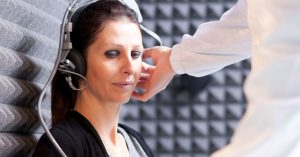
There are several types of hearing tests available. The most common is the audiometric test, performed in-person by an audiologist or hearing care professional. During this test, you’ll wear headphones and listen to a series of tones at different pitches and volumes. You may be asked to indicate when you hear each sound, allowing the professional to map out your hearing thresholds. This test is highly precise and can detect mild to severe hearing loss.
Another option is online hearing screenings or quick in-clinic screenings, which are less detailed but can still identify potential issues that warrant further evaluation. These screenings are often used in community health fairs, pharmacies, and retail hearing centers. They typically involve listening to tones through headphones or answering questions about your hearing experiences. While they aren’t a replacement for a full audiometric test, they are a convenient way to gauge your hearing health.
Free hearing tests offer several benefits beyond detecting hearing loss. Early detection can prevent further deterioration, improve communication, and enhance overall well-being. Additionally, a professional test provides personalized advice and guidance on next steps, whether that involves hearing aids, lifestyle adjustments, or further medical evaluation.
Many people avoid hearing tests due to cost concerns, uncertainty, or fear of results. Free testing eliminates one of these barriers, making it easier for adults, especially those over 50, to take proactive steps toward maintaining their hearing. Understanding the test process and its benefits empowers you to make informed decisions and prioritize your hearing health confidently.
How to Find a Free Hearing Test Near You
Finding a free hearing test nearby is easier than many people realize. With a combination of online tools, local resources, and community programs, you can locate convenient options without spending a dime. The key is knowing where to look and how to prepare for your screening.
One of the first places to check is local audiology clinics and hearing aid retailers. Many of these providers offer complimentary hearing screenings as part of community outreach or promotional programs. A quick online search using terms like “free hearing test near me” or “complimentary hearing screening [your city]” often reveals multiple options in your area. Websites like the American Speech-Language-Hearing Association (ASHA) provide directories of licensed audiologists who may offer free or discounted tests.
Community health programs are another excellent source. Many hospitals, senior centers, and public health departments host free hearing screening events. These are often seasonal or monthly, especially around National Hearing Awareness Month or similar campaigns. Attending these events can be a convenient way to get tested in a friendly, low-pressure environment.
If convenience is a priority, consider pharmacy chains or big-box retailers with hearing centers. Stores like Costco, Walmart, and certain pharmacies often provide free in-store hearing tests. While these may be more limited in scope than a full audiometric evaluation, they are a great starting point for identifying potential hearing concerns.
When scheduling your free test, keep a few tips in mind:
Call ahead to confirm availability and whether an appointment is needed.
Bring any previous hearing test results if available, which can help professionals compare changes over time.
List any hearing concerns or symptoms, such as ringing in the ears or difficulty hearing in crowds, so the professional can address them during the evaluation.
By combining online searches, community resources, and retail options, you can easily locate a free hearing test near you. Taking the initiative to schedule one today ensures you are taking a proactive step toward protecting and improving your hearing.
Community and Government Programs Offering Free Hearing Tests
For those seeking completely free hearing screenings, community and government programs are invaluable resources. These programs aim to make hearing care accessible to all, especially seniors, veterans, and individuals who might not have easy access to private audiology services. Understanding what’s available and how to participate can save both time and money while ensuring your hearing health is addressed.
Many local senior centers and community centers offer free hearing tests as part of wellness initiatives. These events are often coordinated with volunteer audiologists or nonprofit organizations dedicated to hearing health. Seniors can take advantage of these screenings without appointments or long wait times, and staff often provide guidance on next steps if hearing concerns are detected.
Veterans and military programs also provide free hearing evaluations. The Department of Veterans Affairs (VA) offers hearing screenings and follow-up services to eligible veterans, including hearing aids and counseling. Even if you are unsure about eligibility, a quick inquiry with your local VA facility can clarify available services and help schedule a convenient appointment.
Nonprofit organizations play a crucial role in expanding access to hearing care. Groups such as the Hearing Loss Association of America (HLAA) and local charitable foundations regularly organize free hearing clinics and workshops. These programs often include educational sessions about hearing loss prevention, communication strategies, and options for amplification devices.
Additionally, some hospital outreach programs conduct free hearing tests in partnership with local health departments. These are usually scheduled during health fairs or community wellness weeks. Participating in these events not only provides a free hearing screening but also connects you to other valuable health services.
When exploring these options, it’s important to:
Check eligibility requirements for specific programs, especially government or veteran services.
Ask about follow-up care if the screening indicates potential hearing loss. Some programs may provide referrals to audiologists or clinics that offer low-cost solutions.
Bring necessary documentation if required, such as ID, veteran status, or medical records.
By leveraging community and government resources, you can access high-quality hearing tests without cost, ensuring that your auditory health is monitored regularly and effectively. These programs are designed to make hearing care accessible and to encourage early detection, which is crucial for maintaining communication, independence, and overall quality of life.
What to Expect During a Free Hearing Test
Many people hesitate to schedule a hearing test because they aren’t sure what it involves. Understanding the process can ease anxiety and help you get the most out of your screening. Free hearing tests are generally quick, painless, and designed to give you clear insights into your hearing health.
The first step is usually a brief consultation. The audiologist or hearing care professional will ask about your hearing history, any symptoms like ringing in the ears (tinnitus), difficulty following conversations, or recent changes in hearing. Sharing these details ensures the test addresses your specific concerns and allows the professional to provide personalized advice.
Next comes the hearing evaluation itself. This may involve a few different methods depending on the facility:
Pure-tone audiometry: You wear headphones and respond when you hear different tones at varying pitches and volumes. This helps map your hearing thresholds across frequencies.
Speech recognition tests: You may be asked to repeat words or sentences played through headphones, helping assess how well you understand speech in quiet and noisy environments.
Tympanometry or middle ear tests: Occasionally included to check ear function and detect issues like fluid in the ear or eardrum problems.
The entire test usually takes 15 to 30 minutes, making it a convenient option for those with busy schedules. After the evaluation, the audiologist will review your results with you. They will explain any detected hearing loss, provide context for what it means for your daily life, and suggest next steps. Even if no hearing loss is detected, you’ll receive advice on maintaining healthy hearing and preventing future issues.
It’s important to note that free hearing tests are non-invasive and risk-free. There are no needles or medications involved, and the tests do not hurt. They are simply designed to give a professional assessment of your auditory health. Many people find reassurance in knowing where they stand and appreciate receiving expert guidance on what to do next.
Finally, the professional may offer referrals or recommendations. If hearing loss is detected, they might suggest a comprehensive audiology evaluation, discuss hearing aid options, or recommend follow-up appointments. Even for those who pass the test with no issues, regular screenings are recommended, especially for adults over 50, to monitor hearing changes over time.
Next Steps After Your Hearing Test
Once you’ve completed a free hearing test, you’ll have a clearer understanding of your hearing health and what actions, if any, are needed. The results may show normal hearing, mild hearing loss, or more significant concerns, and each scenario comes with its own next steps.
If your test indicates normal hearing, congratulations! However, maintaining your hearing health is still important. Experts recommend regular check-ups every one to two years, especially if you’re over 50 or frequently exposed to loud environments. Protect your ears from prolonged noise, use hearing protection when necessary, and be mindful of any changes in your ability to hear conversations or high-frequency sounds.
For those who discover mild or moderate hearing loss, the next step is usually a comprehensive audiology evaluation. An audiologist can provide a detailed assessment and recommend solutions such as hearing aids, assistive listening devices, or auditory training programs. Early intervention is critical, as untreated hearing loss can impact communication, cognitive function, and even mental health over time.
If the results show more severe hearing loss or underlying ear conditions, your hearing professional may refer you to an ENT (ear, nose, and throat) specialist for further medical evaluation. Conditions like fluid buildup, ear infections, or structural issues may require treatment beyond standard hearing aids. Addressing these promptly can prevent further deterioration and improve overall ear health.
Regardless of the results, lifestyle and communication strategies can also help. Simple changes like positioning yourself to hear better in group settings, reducing background noise, using captioning on devices, and maintaining social engagement can significantly enhance quality of life. Many adults find that combining technology with everyday communication strategies yields the best outcomes.
Finally, it’s important to schedule follow-up appointments. Even if your hearing test is normal, keeping track of changes over time ensures that any issues are detected early. For those using hearing aids or other interventions, regular check-ins help maintain device effectiveness and comfort.
Taking action after a hearing test empowers you to stay proactive about your hearing health, protect your independence, and continue engaging fully in daily life. By knowing your results and understanding your options, you can make informed decisions that benefit your long-term well-being.
Conclusion
Maintaining good hearing health is essential for staying connected, independent, and socially engaged. Free hearing tests provide an accessible, risk-free way to take control of your auditory well-being. Whether you’re noticing subtle changes in your hearing or simply want to ensure everything is functioning properly, these screenings are a valuable first step.
Finding a free hearing test near you is easier than ever, thanks to local audiology clinics, community programs, government services, and even retail hearing centers. By understanding what to expect during a test, taking advantage of community resources, and following up on results, you can address hearing concerns early and take meaningful steps to protect your long-term hearing.
Remember, hearing health is not just about preventing loss—it’s about enhancing communication, maintaining cognitive function, and improving overall quality of life. Scheduling a free hearing test today can help you identify any issues, explore solutions, and enjoy the sounds of life more fully. Don’t wait for problems to become noticeable; proactive care is the key to better hearing and a more connected, fulfilling life.
FAQ
What is a free hearing test and how does it work?
A free hearing test is a complimentary screening designed to assess your hearing ability. It typically involves listening to different tones or speech through headphones while indicating when you hear sounds. The test helps detect potential hearing loss and provides guidance on next steps, whether that means further evaluation, lifestyle adjustments, or hearing aids.
Who is eligible for a free hearing test?
Most adults are eligible for a free hearing test. Many programs specifically target seniors, veterans, or individuals with limited access to healthcare. Local clinics, community centers, pharmacies, and nonprofit organizations often provide screenings to anyone interested, regardless of insurance status.
How often should I get my hearing tested?
For adults over 50, it’s recommended to get a hearing test at least once every one to two years. If you notice difficulty understanding conversations, ringing in the ears, or changes in hearing, you should schedule a test sooner. Regular testing ensures early detection and timely intervention.
What should I do if my free hearing test shows hearing loss?
If a hearing loss is detected, the next step is usually a comprehensive audiology evaluation. An audiologist can provide detailed results and recommend appropriate interventions such as hearing aids, assistive listening devices, or medical referrals if necessary. Early action can prevent further deterioration and improve overall quality of life.
Are free hearing tests accurate?
Yes, free hearing tests conducted by licensed audiologists or trained professionals are generally accurate for identifying potential hearing issues. While some online or quick screenings provide a preliminary assessment, in-person tests with professional oversight offer the most reliable results.
This article is for informational purposes only and is not a substitute for professional medical advice, diagnosis, or treatment. If you are concerned about your hearing or ear health, please consult a qualified healthcare provider.