
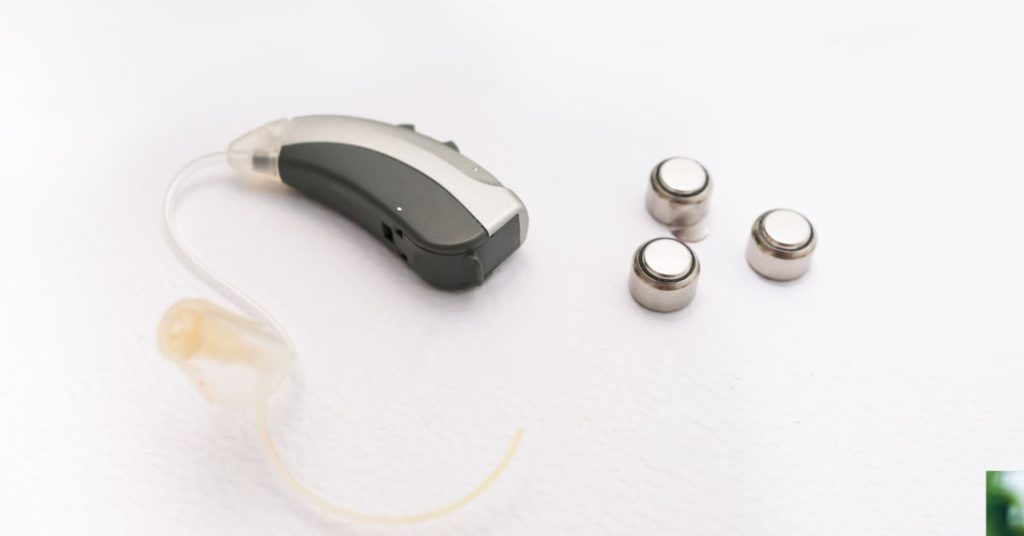
For millions of people with hearing loss, hearing aids are a lifeline, helping them stay connected to conversations, music, and daily life. But even the most advanced hearing aids rely on one essential component to function: their batteries. Understanding how long hearing aid batteries last—and how to make them last longer—is key to ensuring your device works reliably every day.
Many users wonder why batteries seem to drain faster than expected, or why one brand lasts longer than another. The truth is, battery life depends on multiple factors, including the type of battery, the size of the hearing aid, how often it is used, and even environmental conditions. With the right knowledge and habits, you can extend battery life, reduce frustration, and avoid interruptions in hearing.
In this guide, we’ll explore the different types of hearing aid batteries, typical lifespans, factors that affect their performance, and practical tips to help you get the most out of every battery. Whether you’re new to hearing aids or looking for ways to optimize your current devices, this article will provide clear, helpful guidance to keep your hearing aids powered and ready when you need them.
Understanding Hearing Aid Batteries
Hearing aids may be small, but the batteries that power them are remarkably important. To make the most of your device, it helps to understand the types of batteries available, how they work, and which might be best for your lifestyle.
Types of Hearing Aid Batteries
The majority of hearing aids use zinc-air disposable batteries, which are activated by exposure to air. These batteries are available in several standard sizes, usually identified by numbers and color codes:
Size 10 (Yellow): Typically used in very small hearing aids, such as completely-in-the-canal (CIC) devices.
Size 312 (Brown): Common in in-the-ear (ITE) and some behind-the-ear (BTE) models.
Size 13 (Orange): Often used in larger behind-the-ear devices, offering longer life.
Size 675 (Blue): Usually found in power-heavy hearing aids like those for severe hearing loss.
Each size has a different capacity, meaning larger batteries generally last longer, though they may be bulkier in the device.
In recent years, rechargeable batteries have become increasingly popular. These batteries use lithium-ion or silver-zinc technology and are built into the hearing aid itself. Users charge them overnight, eliminating the need for disposable replacements. Rechargeable batteries typically last a full day on a single charge, and the battery itself can last several years before needing replacement.
How Hearing Aid Batteries Work
Zinc-air batteries generate power when air enters a small hole on the battery’s surface. Once the protective tab is removed, oxygen activates the chemical reaction inside, producing electricity to power the hearing aid. This is why batteries often have a “use within a few weeks” recommendation—over time, even unopened, zinc-air batteries slowly lose their effectiveness.
Rechargeable batteries operate differently. Instead of a chemical reaction with air, they store energy through a controlled charging process. This allows for consistent power delivery and the convenience of daily recharging rather than constant replacements.
Choosing the Right Battery for Your Needs
Selecting the right battery depends on your hearing aid type, lifestyle, and convenience preferences. Disposable batteries are ideal for users who prefer the simplicity of swapping out batteries quickly, especially when traveling. Rechargeable models are better suited for those who want to avoid frequent replacements and enjoy the eco-friendly advantage of reusable power.
Understanding your battery type and how it functions is the first step toward maximizing its lifespan. In the next section, we’ll explore exactly how long hearing aid batteries typically last and what you can expect from different types and sizes.
How Long Do Hearing Aid Batteries Typically Last?
One of the most common questions hearing aid users ask is: “How long will my battery last?” The answer isn’t one-size-fits-all, because battery life varies depending on the type, size, hearing aid features, and how the device is used. Understanding typical lifespans can help you plan replacements and avoid unexpected downtime.
Disposable Zinc-Air Batteries
Disposable zinc-air batteries are the most widely used in hearing aids. Their lifespan depends on battery size and usage:
Size 10 (Yellow): Approximately 3–7 days
Size 312 (Brown): Approximately 3–10 days
Size 13 (Orange): Approximately 6–14 days
Size 675 (Blue): Approximately 9–20 days
These ranges are averages, and actual performance can vary. Smaller batteries provide less power and therefore need more frequent replacements, while larger batteries last longer but require slightly larger hearing aids.
Rechargeable Batteries
Rechargeable batteries, usually lithium-ion or silver-zinc, are designed to be charged daily. Most modern rechargeable hearing aids provide:
One full day of use on a single charge – even with streaming audio or Bluetooth connections.
Battery lifespan of 3–5 years before the battery capacity begins to noticeably decline.
Rechargeable hearing aids are convenient, environmentally friendly, and can save money over time, though initial costs are higher.
Factors That Influence Battery Life
Several factors can shorten or extend the lifespan of both disposable and rechargeable batteries:
Device Features: Hearing aids with Bluetooth, wireless streaming, or noise-cancellation features consume more power, draining batteries faster.
Daily Usage: Longer hours of daily use naturally reduce battery life.
Environmental Conditions: High humidity, extreme temperatures, and exposure to water or sweat can affect performance.
Storage and Handling: Improper storage or leaving disposable batteries exposed to air before use can reduce effectiveness.
Real-World Examples
For a typical adult using a behind-the-ear hearing aid with moderate Bluetooth use, a size 13 disposable battery may last about a week, while a fully charged rechargeable battery will power the device through the day. Someone with more advanced features, like frequent streaming from a smartphone, may notice batteries depleting faster, requiring replacements or daily recharges.
Understanding these averages allows hearing aid users to plan ahead, keep spare batteries on hand, or establish a daily charging routine for rechargeable devices. In the next section, we’ll explore the key factors that affect battery life, helping you understand why your battery may last longer or shorter than expected.
Factors That Affect Battery Life
While hearing aid batteries have typical lifespans, several factors can cause them to drain faster or last longer than expected. Understanding these influences helps users manage their devices more effectively and avoid sudden power loss.
Hearing Aid Features and Technology
Modern hearing aids often include advanced features such as Bluetooth connectivity, wireless streaming, directional microphones, and noise-cancellation. While these features improve sound quality and convenience, they also require more energy. For example, streaming phone calls or music directly to your hearing aid can significantly reduce battery life, sometimes by several days compared to basic usage.
Daily Usage Patterns
How long you wear your hearing aids each day directly affects battery consumption. A user who wears hearing aids for 16 hours a day will naturally need more frequent battery changes than someone who uses them for only 8–10 hours. Even intermittent use of high-power functions, like streaming or volume amplification in noisy environments, can drain batteries faster.
Environmental Factors
Temperature and humidity play a critical role in battery performance. Extreme cold can slow chemical reactions in disposable batteries, leading to shorter usage periods, while high heat can accelerate battery drain. Similarly, humidity and exposure to moisture—such as sweat or water splashes—can affect both disposable and rechargeable batteries, sometimes causing corrosion or reducing charging efficiency.
Storage and Handling
How batteries are stored before use matters more than many realize. Disposable zinc-air batteries should be kept in a cool, dry place and used within their expiration date. Leaving the protective tab off too long exposes them to air, reducing their charge before they are even inserted into your hearing aid. For rechargeable batteries, following manufacturer guidelines for charging cycles, avoiding overcharging, and keeping devices away from extreme temperatures helps maintain long-term battery health.
Age of the Battery
Even if unused, batteries naturally lose some capacity over time. Rechargeable batteries, in particular, have a finite number of charge cycles. Over several years, their ability to hold a full charge diminishes, and replacement may be necessary. Similarly, old disposable batteries may not perform as well as fresh ones, even if their expiration date has not yet passed.
User Habits and Maintenance
Regularly cleaning your hearing aids and removing batteries when the devices are not in use can extend battery life. Many users don’t realize that leaving hearing aids on overnight or in a hot car can contribute to faster battery depletion. Developing simple routines—such as removing batteries during extended periods of non-use or minimizing heavy streaming—can have a significant impact.
By understanding these factors, hearing aid users can make small adjustments to their habits and environment that help batteries last as long as possible. In the next section, we’ll share practical tips to extend your hearing aid battery life, ensuring your devices remain reliable throughout the day.
Tips to Extend Hearing Aid Battery Life
Extending the life of your hearing aid batteries doesn’t have to be complicated. With a few simple habits and practical strategies, you can maximize battery performance, reduce frustration, and enjoy uninterrupted hearing throughout the day.
Proper Storage
For disposable batteries, proper storage is key. Keep unused batteries in a cool, dry place and avoid leaving them in direct sunlight or in a car, where heat and humidity can reduce their lifespan. Store them in their original packaging until you’re ready to use them. For rechargeable hearing aids, follow manufacturer guidelines for charging and storage, and avoid leaving the device in extreme temperatures.
Remove Batteries When Not in Use
If you won’t be using your hearing aids for an extended period, such as overnight or during travel, remove the batteries. This prevents unnecessary drainage in disposable batteries and protects rechargeable batteries from overuse or potential overheating.
Manage High-Power Features
Features like Bluetooth streaming, wireless connectivity, and noise-cancellation consume more energy. Use these features judiciously when you need them. For instance, if you only need streaming occasionally, turning it off when not required can significantly extend battery life.
Clean Your Hearing Aids Regularly
Dirt, earwax, and moisture can interfere with battery performance. Regularly clean your hearing aids according to manufacturer instructions, and ensure battery compartments are dry and free of debris before inserting new batteries. Even small amounts of moisture or dirt can reduce electrical contact and accelerate battery drain.
Use Batteries Soon After Activation
For zinc-air batteries, the protective tab exposes the battery to air, starting the chemical reaction. Insert the battery soon after removing the tab, and don’t leave it exposed for long periods. This ensures you get the maximum lifespan from each battery.
Keep Spare Batteries on Hand
Planning ahead prevents downtime. Keep a small supply of disposable batteries available at home, work, or in your bag. For rechargeable hearing aids, consider a portable charging case if you travel frequently, so you can recharge your devices on the go.
Consider Rechargeable Options
If replacing disposable batteries frequently feels inconvenient, rechargeable hearing aids may be a worthwhile investment. Daily recharging ensures consistent performance, and modern lithium-ion batteries maintain capacity for several years with proper care.
By adopting these habits, you can get the most out of every battery, reduce interruptions, and enjoy consistent hearing support throughout your day. In the next section, we’ll discuss how to troubleshoot battery issues and know when it’s time to replace them.
Troubleshooting and When to Replace Batteries
Even with proper care, hearing aid batteries can sometimes underperform or fail unexpectedly. Knowing how to identify battery issues and replace them safely ensures your hearing aids remain reliable.
Signs Your Battery Is Running Low
Recognizing early signs of battery depletion can prevent interruptions in hearing:
Weak or distorted sound: If your hearing aid sounds quieter than usual or audio is crackling, the battery may be losing power.
Intermittent operation: Hearing aids that turn off and on unexpectedly often indicate a low or loose battery.
Warning signals: Many modern hearing aids emit a series of beeps or voice alerts when the battery is low.
Monitoring these signs helps you replace batteries proactively rather than reactively.
Common Battery Issues
Several issues can arise with both disposable and rechargeable batteries:
Corrosion or leakage: Older disposable batteries or those exposed to moisture can leak, potentially damaging your hearing aid. Always discard leaking batteries safely.
Poor contact: Dirt or debris in the battery compartment can prevent proper contact, causing inconsistent performance. Cleaning the compartment can often resolve this.
Short lifespan: If a battery drains faster than expected, it could indicate either a defective battery, environmental stress, or heavy use of high-power features like Bluetooth streaming.
Safe Replacement Practices
Replacing batteries safely ensures optimal performance and device longevity:
Turn off the hearing aid before removing or inserting a battery to prevent short circuits.
Handle batteries with clean, dry hands to avoid moisture or oil interfering with performance.
Insert the battery correctly, matching the positive (+) and negative (–) symbols. Improper placement can damage the device or reduce battery life.
Dispose of used batteries properly, following local regulations. Many communities have recycling programs for zinc-air batteries.
When to Replace Rechargeable Batteries
Rechargeable batteries have a finite lifespan, typically lasting 3–5 years depending on usage and charging habits. Signs that a rechargeable battery needs replacement include:
Shorter daily usage despite full charging
Device shutting down unexpectedly
Difficulty holding a charge
Consult your hearing aid provider for professional replacement, as rechargeable batteries are usually sealed within the device and require proper handling.
By recognizing these warning signs and following safe replacement procedures, you can maintain consistent hearing performance and prevent unnecessary frustration.
Conclusion
Hearing aid batteries are small but essential components that play a critical role in ensuring clear, uninterrupted hearing. Whether you use disposable zinc-air batteries or rechargeable lithium-ion models, understanding their typical lifespan, the factors that affect performance, and strategies to extend battery life can make a significant difference in your daily experience.
Disposable batteries have predictable lifespans depending on size and usage, ranging from a few days for smaller batteries to several weeks for larger ones. Rechargeable batteries offer the convenience of daily charging and can last several years with proper care. Factors such as hearing aid features, daily usage patterns, environmental conditions, and storage habits all influence how long a battery will last, making it important to tailor your battery management to your specific situation.
Practical habits can help you maximize battery life. Proper storage, timely removal when not in use, mindful use of power-intensive features, and regular device cleaning are all simple yet effective ways to prevent premature battery drain. Keeping spare batteries or a portable charger on hand ensures that your hearing aids remain reliable at all times. Additionally, understanding when to replace batteries—whether disposable or rechargeable—helps you maintain optimal hearing performance and prevents unexpected interruptions.
By taking a proactive approach to battery care, you can enjoy longer-lasting performance, reduce frustration, and maintain consistent hearing support. Small changes in handling and usage habits can make a big difference, giving you peace of mind and the confidence to engage fully in conversations, activities, and everyday life. Your hearing aids—and your hearing—depend on it.
FAQ
How often should I change my hearing aid batteries?
The frequency of battery changes depends on the type and size of your hearing aid battery, as well as your daily usage. Disposable zinc-air batteries may need replacement anywhere from 3 to 20 days, depending on size and usage. Rechargeable batteries should be charged daily and typically last 3–5 years before needing replacement. Monitoring battery performance and keeping spares on hand ensures uninterrupted hearing.
Can I extend the life of my hearing aid batteries?
Yes! Proper care can significantly extend battery life. For disposable batteries, store them in a cool, dry place, insert them soon after removing the protective tab, and remove them from the device when not in use. For rechargeable batteries, follow the manufacturer’s charging guidelines, avoid extreme temperatures, and limit unnecessary high-power features like Bluetooth streaming when not needed. Regular cleaning of the hearing aid also helps maintain battery efficiency.
Why do my hearing aid batteries die faster than expected?
Several factors can cause batteries to drain quickly, including heavy use of high-energy features like streaming, long daily usage, extreme temperatures, humidity, or improper storage. Batteries can also lose charge naturally over time, especially rechargeable ones that have gone through many charge cycles. Checking for debris in the battery compartment and ensuring proper handling can help address some issues.
Are rechargeable hearing aids better than disposable batteries?
Rechargeable hearing aids offer the convenience of daily charging, eliminating frequent disposable battery changes. They are environmentally friendly and provide consistent performance for users who prefer minimal maintenance. However, rechargeable batteries have a finite lifespan of 3–5 years, and devices with high-power features may still require careful management. Disposable batteries remain a reliable choice for users who prefer simple, on-the-go replacements.
What should I do if my hearing aid battery leaks?
If a battery leaks, remove it immediately to prevent damage to your hearing aid. Clean the battery compartment carefully and dispose of the battery according to local regulations. Avoid using the hearing aid until a fresh battery is installed. Regular inspection and timely replacement of batteries can prevent leakage and protect your device.
This article is for informational purposes only and is not a substitute for professional medical advice, diagnosis, or treatment. If you are concerned about your hearing or ear health, please consult a qualified healthcare provider.