Hearing plays a vital role in how we connect with the world around us. From enjoying conversations with family and friends to staying engaged in social activities and maintaining independence, good hearing supports both communication and overall wellbeing. However, hearing loss is extremely common, particularly as people get older, and many individuals do not realise it is happening until it begins to interfere with daily life. Because hearing loss often develops gradually, the early signs are easy to overlook or dismiss as a normal part of ageing.
Millions of adults worldwide experience some degree of hearing loss, yet hearing health is often overlooked compared to other aspects of health such as vision, heart health, or mobility. Many people delay seeking help for years due to uncertainty about the cause, fear of diagnosis, or the belief that nothing can be done. Unfortunately, this delay can allow hearing difficulties to worsen and may increase the impact on communication, relationships, and emotional wellbeing.
Hearing loss can present itself in subtle ways. You may find it harder to follow conversations, particularly in noisy environments, or notice that others seem to be mumbling more often. Turning up the television volume, struggling to hear on the phone, or feeling tired after social interactions are also common early symptoms. These signs are important indicators that your hearing may be changing and deserve attention.
Untreated hearing loss can have wider effects beyond the ears. Research has shown links between hearing loss and social isolation, reduced confidence, and mental fatigue. For older adults especially, hearing difficulties can affect independence and participation in everyday activities. Recognising hearing loss early allows individuals to take proactive steps to manage it effectively and reduce its impact on daily life.
The positive news is that many causes of hearing loss are well understood, and there are practical steps that can help prevent hearing damage or slow its progression. Even when hearing loss cannot be reversed, early identification opens the door to effective treatments and support options that can significantly improve quality of life.
In this article, we explore the common causes of hearing loss, the early symptoms to watch for, and practical prevention strategies to help protect your hearing as you age.
Understanding Hearing Loss
Hearing loss occurs when there is a problem with one or more parts of the ear that prevents sound from being heard clearly. Sound waves travel into the ear canal, vibrate the eardrum, and pass through the middle ear bones to the inner ear. There, the sound is converted into signals that the brain interprets as sound. Any disruption along this pathway can result in hearing loss.
Age-related hearing loss is one of the most common forms. It typically develops slowly and affects both ears, often making higher-pitched sounds and speech clarity more difficult. Because the change happens gradually, many people adapt without realising their hearing is declining.
Noise-induced hearing loss occurs when the ears are exposed to loud sounds over time or from a single intense noise. This can affect people of all ages and is one of the most preventable forms of hearing loss.
Conductive hearing loss results from problems in the outer or middle ear, such as infections, fluid build-up, or earwax blockage. This type is often temporary and treatable.
Sensorineural hearing loss involves damage to the inner ear or hearing nerve. It is usually permanent and may be caused by ageing, noise exposure, illness, or certain medications.
Some people experience mixed hearing loss, which combines elements of both conductive and sensorineural hearing loss. Understanding the type of hearing loss is important for determining the most effective treatment or management options.
Common Causes of Hearing Loss
Ageing is one of the leading causes of hearing loss. Over time, the sensitive structures of the inner ear naturally wear down, making it harder to hear certain sounds clearly.
Long-term exposure to loud noise is another major cause. Occupational noise, loud music, power tools, and recreational activities can all damage the inner ear. Once damaged, these hearing cells do not regenerate.
Ear infections and middle ear conditions can block sound transmission and cause temporary hearing loss. If left untreated, repeated infections may lead to longer-term damage.
Excessive earwax build-up can block the ear canal and reduce hearing. This is common and often easily treatable once identified.
Certain medications can affect hearing as a side effect, particularly some antibiotics, chemotherapy drugs, and high doses of pain relievers. Genetics, head injuries, and chronic conditions such as diabetes or heart disease can also increase the risk.
Early Symptoms and Warning Signs
Hearing loss often begins subtly. Difficulty understanding conversations, especially in noisy environments, is one of the earliest signs.
You may notice the need to increase volume levels on the television or phone, or struggle to hear clearly on calls. Speech may sound muffled rather than quiet.
Ringing or buzzing in the ears can also occur alongside hearing loss. Emotional signs such as frustration, fatigue, or withdrawal from social situations are common and often overlooked.
Family members may notice changes before the individual does, such as reduced responsiveness or misunderstandings during conversations. These signs should not be ignored.
How Hearing Loss Affects Daily Life
Untreated hearing loss can significantly affect communication, leading to misunderstandings and strained relationships. Conversations may become exhausting, requiring constant concentration.
Social withdrawal is common, as noisy environments become difficult to manage. Over time, this can lead to isolation and reduced confidence.
Hearing loss can also contribute to emotional stress and mental fatigue. There is growing evidence that unmanaged hearing difficulties may place additional strain on cognitive function.
Safety and independence may also be affected, particularly when important sounds such as alarms, traffic, or instructions are missed.
Preventing Hearing Loss
Protecting your ears from loud noise is one of the most effective prevention strategies. Hearing protection should be used when exposed to loud environments or equipment.
Managing volume levels during music listening and taking regular listening breaks can reduce risk. Avoid inserting objects into the ears, as this can cause damage or wax impaction.
Regular hearing checks allow early detection of changes before they significantly impact daily life. Treating ear conditions promptly also reduces risk.
Maintaining overall health through exercise, balanced nutrition, and managing chronic conditions supports long-term hearing health.
When to Seek Help and What to Do Next
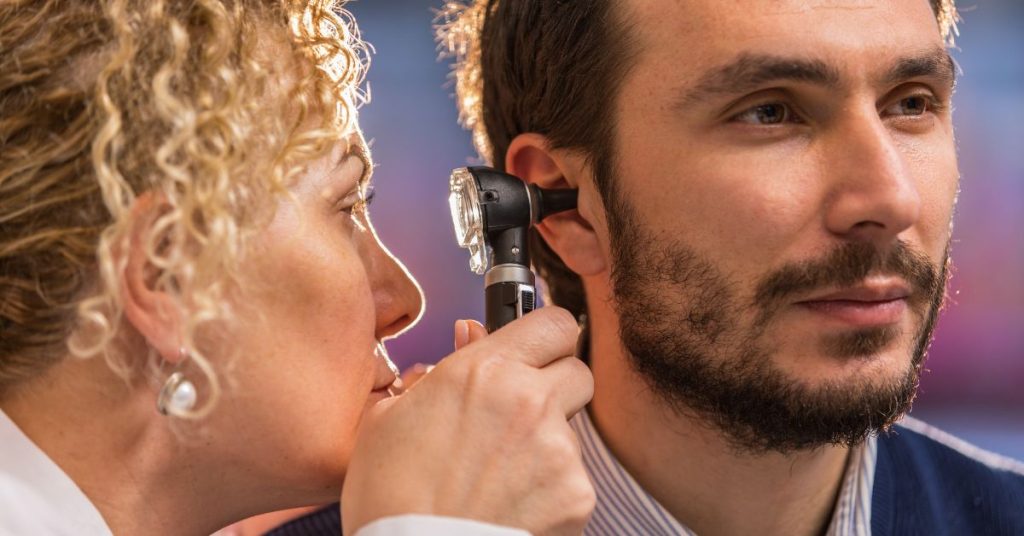
If hearing difficulties persist or worsen, it is important to seek professional assessment. Warning signs include ongoing difficulty following conversations, tinnitus, sudden hearing changes, or ear discomfort.
Hearing assessments are simple and non-invasive. Depending on the cause, treatment may involve medical care, earwax removal, hearing aids, or communication strategies.
Modern hearing solutions are discreet and effective, helping people remain active and socially engaged. Early action leads to better outcomes.
Conclusion
Hearing loss is common but should never be ignored. Understanding its causes, recognising early symptoms, and taking preventive steps can significantly reduce its impact.
Protecting your hearing and seeking support early helps maintain communication, independence, and quality of life. Hearing health is an essential part of overall wellbeing, and support is available at every stage.
FAQ
What are the most common causes of hearing loss?
Ageing, noise exposure, ear infections, earwax build-up, medications, and genetics are the most common causes.
Can hearing loss be prevented?
Not all hearing loss can be prevented, but noise-related damage is largely preventable with protection and healthy listening habits.
Is hearing loss just a normal part of ageing?
It is common with age, but it should not be ignored. Support and treatment can make a significant difference.
When should I get my hearing checked?
If you notice changes in hearing, difficulty with conversations, or feedback from others, a hearing assessment is recommended.
This article is for informational purposes only and is not a substitute for professional medical advice, diagnosis, or treatment. If you are concerned about your hearing or ear health, please consult a qualified healthcare provider.