Construction sites are some of the noisiest work environments in the world, with heavy machinery, power tools, and constant activity creating noise levels that can easily damage hearing over time. For construction workers, hearing safety isn’t just a recommendation—it’s a necessity. Prolonged exposure to loud sounds can lead to permanent hearing loss, tinnitus (ringing in the ears), and other auditory issues that affect both professional performance and personal quality of life.
Despite widespread awareness of physical hazards like falls and machinery accidents, hearing protection is often overlooked on construction sites. Many workers underestimate the cumulative impact of daily noise exposure, assuming that hearing damage happens only to older workers or after decades on the job. In reality, hearing loss can begin subtly and progress quietly, making early prevention critical.
This article explores comprehensive strategies to protect hearing on construction sites. From understanding how noise affects the ears to selecting proper hearing protection equipment, implementing safe work practices, and fostering a workplace culture that prioritizes auditory health, we’ll cover everything construction workers and employers need to know. By following these guidelines, workers can safeguard their hearing, maintain long-term quality of life, and continue to perform safely and effectively in demanding work environments.
Understanding Noise-Induced Hearing Loss in Construction
Construction sites are full of sounds that can be harmful to hearing, often reaching levels that cause permanent damage if exposure is prolonged. Noise-induced hearing loss (NIHL) occurs when the tiny hair cells in the inner ear, responsible for translating sound vibrations into electrical signals for the brain, become damaged. Once these hair cells are destroyed, they cannot regenerate, making prevention essential.
Common sources of hazardous noise on construction sites include jackhammers, power drills, saws, bulldozers, and heavy trucks. Even seemingly brief exposure to extremely loud sounds—like a backhoe starting up or a concrete saw in use—can contribute to cumulative hearing damage. The Occupational Safety and Health Administration (OSHA) identifies 85 decibels (dB) as the threshold for safe noise exposure over an eight-hour workday. Many tools and machines used in construction exceed 100 dB, meaning workers can reach dangerous exposure levels in just a few minutes without protection.
The effects of noise exposure are not always immediately noticeable. Early signs of hearing damage can include difficulty understanding speech, needing to increase the volume on devices, or ringing in the ears (tinnitus). Over time, workers may struggle to hear conversations on the job, detect warning signals, or enjoy social interactions, affecting both safety and quality of life.
In addition to the physical impact on hearing, prolonged exposure to high noise levels can also cause stress, fatigue, and difficulty concentrating. This makes hearing protection not only a matter of long-term health but also of workplace safety and efficiency. Understanding the risks and recognizing early symptoms are the first steps toward preserving hearing on construction sites.
By taking noise seriously and implementing proper safety measures, workers can prevent NIHL and maintain their auditory health throughout their careers.
Essential Hearing Protection Equipment
Protecting your hearing on a construction site starts with using the right equipment. Fortunately, there are several effective options designed to reduce noise exposure, each suited to different situations and levels of loudness. Understanding the types of hearing protection and how to use them correctly is essential for long-term auditory health.
Earplugs
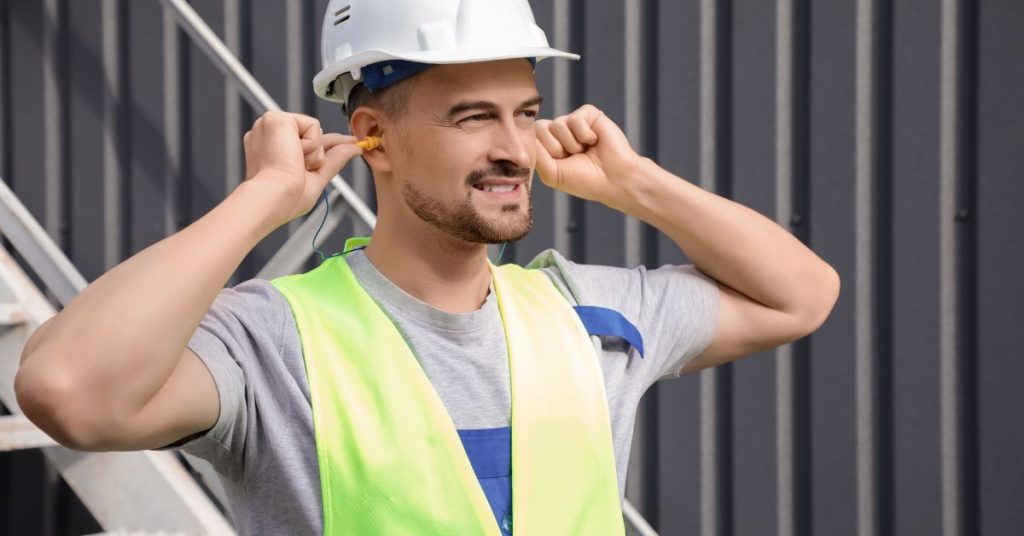
Earplugs are small devices inserted directly into the ear canal to reduce noise levels. They are often made from foam, silicone, or custom-molded materials. Foam earplugs are inexpensive and disposable, making them a convenient option for daily use. Silicone and custom-molded earplugs provide a more precise fit and can offer superior noise reduction, which is particularly useful for workers regularly exposed to extremely loud machinery. Proper insertion is critical—improperly inserted earplugs can reduce effectiveness and leave workers vulnerable to hearing damage.
Earmuffs
Earmuffs cover the entire ear and are held in place by a headband. They provide consistent noise reduction without requiring insertion into the ear canal, which some workers find more comfortable for long shifts. Earmuffs are especially beneficial in extremely loud environments, such as areas with jackhammers or heavy machinery. They can also be combined with earplugs for double protection in the most hazardous situations. Choosing earmuffs with adjustable headbands and padded cushions ensures a secure fit and maximum comfort.
Specialized and Electronic Hearing Protection
Modern technology has introduced electronic earmuffs and earplugs that reduce harmful noise while allowing safe sounds, like speech and warning signals, to be heard. These devices are ideal for construction workers who need situational awareness while protecting their hearing. Some electronic models even amplify quieter sounds to make communication easier on noisy sites. While more expensive than traditional protection, these devices can significantly improve safety and comfort.
Proper Use and Maintenance
No matter the type of hearing protection, correct use is crucial. Workers should be trained to insert earplugs fully, wear earmuffs snugly, and replace damaged equipment immediately. Regular cleaning of reusable earplugs and earmuffs prevents infection and maintains their effectiveness. Employers should provide easy access to hearing protection and encourage consistent use, creating a culture where protecting your ears is a routine part of the workday.
By investing in quality hearing protection and using it properly, construction workers can dramatically reduce the risk of noise-induced hearing loss.
Implementing Safe Work Practices
While hearing protection equipment is essential, reducing noise exposure through smart work practices is equally important. Construction sites are dynamic environments, and implementing strategies to minimize noise can protect workers’ hearing while improving overall safety and efficiency.
Rotate Tasks and Limit Exposure
One of the simplest ways to reduce noise exposure is by rotating workers between noisy and quieter tasks. Limiting the amount of time any individual spends near high-decibel machinery reduces cumulative noise exposure and lowers the risk of hearing damage. Supervisors can create schedules that balance workloads, ensuring that no single worker is consistently exposed to the loudest sounds on-site.
Maintain and Upgrade Equipment
Regular maintenance of construction equipment is more than a matter of efficiency—it also impacts noise levels. Well-lubricated, properly adjusted, and modernized machinery produces less noise than poorly maintained tools. Investing in newer, quieter equipment where possible can significantly reduce overall site noise. Workers should also be trained to recognize machinery that is louder than usual, as this can indicate mechanical issues that need attention.
Use Barriers and Enclosures
Physical barriers can help shield workers from loud noise. Temporary walls, sound-absorbing panels, and enclosures around noisy equipment can dramatically reduce the amount of sound that reaches workers nearby. Even simple solutions, like positioning noisy equipment away from common work areas or using portable noise barriers, can make a noticeable difference in hearing safety.
Schedule Noisy Activities Strategically
Whenever possible, schedule the loudest activities at times when fewer workers are on-site. Coordinating tasks to minimize simultaneous high-noise activities further reduces overall exposure.
Promote Hearing Safety Awareness
Creating a culture where workers are conscious of noise hazards is vital. Supervisors and safety officers should encourage the use of hearing protection, provide training on noise risks, and monitor compliance. Workers should also feel empowered to speak up if they encounter unusually loud conditions without proper safeguards.
By integrating these practices into daily operations, construction sites can significantly reduce the risk of noise-induced hearing loss.
Regular Hearing Checks and Monitoring
Even with the best hearing protection and safe work practices, regular monitoring of hearing health is essential. Noise-induced hearing loss (NIHL) can develop gradually, often without noticeable symptoms in the early stages. Routine hearing assessments help detect changes early, allowing workers to take action before permanent damage occurs.
Importance of Regular Hearing Tests
Construction workers should undergo baseline hearing tests when they start a job and follow up with periodic evaluations—usually annually or biannually. These tests measure hearing thresholds and can identify subtle declines in auditory function that may not yet be noticeable in everyday life. Early detection allows for adjustments in work habits, protective equipment, or medical consultation to prevent further loss.
Audiometry and Workplace Programs
Many construction companies implement workplace hearing conservation programs that include audiometric testing, education, and noise monitoring. Audiometry is a reliable method for tracking hearing ability over time and can help employers comply with occupational safety regulations. Participating in these programs ensures workers stay informed about their hearing health and reinforces a proactive approach to safety.
Self-Monitoring and Early Warning Signs
Workers should also be aware of warning signs that may indicate hearing issues, including:
Ringing or buzzing in the ears (tinnitus)
Difficulty understanding conversations in noisy environments
Frequently asking people to repeat themselves
Increasing the volume on devices like radios or phones
Noticing any of these signs should prompt immediate use of protective measures and scheduling a hearing evaluation. Early action can prevent further deterioration and maintain quality of life both on and off the job.
Employer Support and Documentation
Employers play a critical role in supporting regular hearing monitoring. Providing access to audiologists, maintaining records of hearing tests, and tracking workplace noise exposure levels helps ensure compliance with safety standards and protects workers’ long-term health.
Regular hearing checks, combined with protective equipment and safe work practices, form a comprehensive defense against hearing loss.
Creating a Culture of Hearing Safety
Protecting hearing on construction sites is not just an individual responsibility—it requires a culture of safety supported by employers, supervisors, and coworkers. When hearing protection becomes an ingrained part of workplace culture, compliance improves, and the risk of noise-induced hearing loss decreases significantly.
Training and Education
Education is the foundation of a hearing safety culture. Workers should receive training on the risks of noise exposure, proper use of hearing protection, and the importance of regular hearing checks. Training sessions can include demonstrations of earplug insertion, fitting earmuffs correctly, and recognizing early signs of hearing loss.
Leadership and Example
Supervisors and site managers set the tone for hearing safety. When leadership consistently models the use of hearing protection and emphasizes its importance, workers are more likely to follow suit. Encouraging experienced workers to mentor new employees in safe practices reinforces these behaviors and helps establish hearing protection as a standard part of the job.
Awareness Campaigns and Reminders
Visual cues and reminders can reinforce hearing safety on busy construction sites. Posters, signage near high-noise areas, and regular toolbox talks serve as prompts for workers to wear protective equipment.
Encouraging Personal Responsibility
A strong hearing safety culture empowers workers to take personal responsibility for their auditory health. This includes wearing protection consistently, monitoring personal noise exposure, and speaking up if unsafe noise levels are present.
Benefits of a Hearing Safety Culture
Companies that prioritize hearing safety see benefits beyond reduced hearing loss. Improved worker morale, fewer accidents related to misheard instructions, and enhanced overall health and wellbeing are all positive outcomes.
Creating a culture of hearing safety ensures that protective measures are embedded in daily operations, safeguarding workers’ hearing for years to come.
Conclusion
Hearing safety is a critical yet often overlooked aspect of working on construction sites. The constant exposure to loud machinery, power tools, and heavy equipment places construction workers at high risk for noise-induced hearing loss, tinnitus, and other auditory issues. By understanding the risks, using appropriate hearing protection, and adopting safe work practices, workers can significantly reduce their chances of long-term hearing damage.
Equipping yourself with high-quality earplugs, earmuffs, or electronic hearing protection is only part of the solution. Implementing strategies such as rotating tasks, maintaining machinery, using barriers, and scheduling noisy activities wisely further minimizes exposure. Regular hearing checks and monitoring allow for early detection of hearing loss, ensuring timely intervention and preventing permanent damage.
Equally important is fostering a culture of hearing safety in the workplace. When supervisors lead by example, training is provided consistently, and workers are encouraged to prioritize their auditory health, hearing protection becomes second nature. This culture not only safeguards individual hearing but also enhances overall safety, communication, and wellbeing on the job site.
Construction workers who take proactive steps to protect their hearing can enjoy a lifetime of better auditory health, maintain productivity, and reduce the risk of accidents caused by missed cues or miscommunication. Protecting your ears on the job is an investment in both your career and your quality of life.
FAQ
What is the most common cause of hearing loss for construction workers?
The most common cause is prolonged exposure to loud noise from machinery, power tools, and heavy equipment. Continuous exposure without proper hearing protection can damage the hair cells in the inner ear, leading to permanent noise-induced hearing loss.
How effective are earplugs compared to earmuffs?
Both earplugs and earmuffs are effective at reducing noise, but their effectiveness depends on proper fit and the noise level. Earplugs are convenient and portable, while earmuffs provide consistent coverage and can be combined with earplugs for maximum protection in extremely loud environments.
How often should construction workers get their hearing checked?
Workers should have a baseline hearing test when they start a job and follow up with annual or biannual evaluations. Regular monitoring helps detect early signs of hearing loss, allowing preventive measures before permanent damage occurs.
Can hearing protection really prevent tinnitus?
Yes. Consistent use of hearing protection can reduce exposure to harmful noise levels, which in turn lowers the risk of developing tinnitus. While tinnitus can still occur due to other factors, protecting your ears significantly decreases the likelihood of noise-induced cases.
What steps can employers take to promote hearing safety?
Employers can provide appropriate hearing protection equipment, implement regular training, schedule noisy activities strategically, maintain machinery to reduce noise, and create a workplace culture where hearing protection is consistently encouraged and monitored.
This article is for informational purposes only and is not a substitute for professional medical advice, diagnosis, or treatment. If you are concerned about your hearing or ear health, please consult a qualified healthcare provider.