Hearing is one of our most vital senses, yet it’s often taken for granted—until it begins to decline. For adults, especially those over 50, hearing loss can impact communication, relationships, and overall quality of life. Fortunately, hearing therapy offers practical strategies that can help improve listening skills, cognitive processing, and even confidence in social situations.
Hearing therapy isn’t a one-size-fits-all solution. It combines a range of approaches—from auditory training and cognitive exercises to advanced hearing technology and lifestyle adjustments—to address the unique challenges each individual faces. These techniques don’t just focus on the ears; they train the brain to better process sound, improve speech comprehension, and make everyday communication more manageable.
In this article, we’ll explore hearing therapy techniques that really work. You’ll learn about auditory training exercises, assistive devices, communication strategies, and lifestyle approaches that can make a real difference. Whether you’re experiencing mild hearing loss, supporting a loved one, or looking for ways to maintain optimal hearing health, this guide provides actionable insights to help you hear—and connect—with the world more clearly.
Understanding Hearing Loss
Hearing loss is more common than many people realize, especially among adults over 50. It can develop gradually, making it difficult to notice at first, yet it has a profound impact on daily life. Understanding the type and cause of hearing loss is essential for choosing the right therapy and achieving meaningful improvement.
There are three primary types of hearing loss: sensorineural, conductive, and mixed. Sensorineural hearing loss is the most common and occurs when there is damage to the inner ear or auditory nerve. This type often results from aging (presbycusis), prolonged exposure to loud noise, or certain medical conditions. Conductive hearing loss occurs when sound waves cannot efficiently travel through the outer or middle ear, often due to blockages, infections, or structural issues. Mixed hearing loss is a combination of sensorineural and conductive types, meaning both the inner ear and the ear canal or middle ear are affected.
Recognizing the signs of hearing loss is crucial. Common indicators include difficulty understanding conversations in noisy environments, frequently asking people to repeat themselves, turning up the volume on the television or radio, and experiencing ringing or buzzing in the ears (tinnitus). These challenges not only affect communication but can also lead to social withdrawal, frustration, and even cognitive decline if left unaddressed.
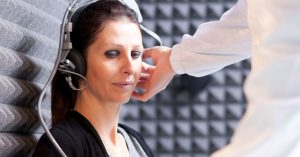
Professional assessment is the first step in understanding hearing loss. Audiologists perform comprehensive hearing tests to determine the degree and type of loss, which guides the development of an individualized hearing therapy plan. Early intervention is key—addressing hearing loss promptly with targeted therapy techniques significantly improves outcomes and quality of life.
Understanding hearing loss also involves acknowledging the emotional impact. Many adults feel embarrassed or anxious about admitting they have hearing difficulties. Recognizing that hearing challenges are common and treatable can empower individuals to seek therapy and embrace strategies that improve communication and confidence. With the right support and techniques, people can regain not only their hearing but also a greater sense of connection with their surroundings.
Hearing Therapy Techniques: Auditory Training
Auditory training is a cornerstone of effective hearing therapy. While hearing aids and other devices amplify sound, auditory training helps the brain interpret and process those sounds more accurately. This is especially important for adults with sensorineural hearing loss, where the inner ear may not transmit sound perfectly, but the brain can learn to make sense of what it receives.
Auditory training involves structured exercises designed to improve listening skills. One common approach is speech-in-noise training, which helps individuals distinguish speech from background noise—a frequent challenge for those with hearing loss. Exercises may include listening to recordings of conversations with varying levels of background sounds or practicing comprehension with gradually more complex speech patterns. Over time, these exercises strengthen the brain’s ability to focus on relevant sounds while filtering out distractions.
Another technique is frequency and sound discrimination training. This involves practicing recognition of different pitches, tones, and volumes, which enhances the ability to detect subtle differences in speech. Apps and computer-based programs have made these exercises more accessible, providing interactive platforms where users can track progress and adjust difficulty levels according to their needs.
Listening exercises at home are also an integral part of auditory training. These can include activities such as reading aloud while listening to your own voice, following audio instructions, or participating in group listening exercises. Regular practice not only improves auditory processing but also boosts confidence in real-world communication scenarios.
Consistency is key for auditory training to be effective. Just as physical therapy strengthens muscles through repeated exercise, auditory training strengthens neural pathways associated with hearing. Combining auditory exercises with professional guidance from audiologists or speech-language therapists ensures that the techniques are targeted to the individual’s specific type of hearing loss, maximizing results.
Finally, auditory training is most effective when integrated with other hearing therapy strategies, such as the use of hearing aids or cochlear implants. Together, these approaches create a comprehensive system where devices amplify sound, and the brain is trained to interpret it, resulting in clearer, more confident listening experiences.
Assistive Devices and Technology Support
For many adults with hearing loss, assistive devices are a vital component of effective hearing therapy. These technologies work hand-in-hand with auditory training and cognitive strategies to enhance hearing, improve communication, and boost confidence in everyday life.
Hearing aids are the most commonly used devices, designed to amplify sounds while minimizing background noise. Modern hearing aids are highly sophisticated, offering features like directional microphones, noise reduction, and Bluetooth connectivity, which allows users to stream phone calls, music, or TV audio directly to their devices. Properly fitted and regularly adjusted hearing aids can make a significant difference, especially when combined with auditory training exercises that help the brain interpret amplified sounds.
For individuals with severe or profound hearing loss, cochlear implants may be recommended. Unlike hearing aids, cochlear implants bypass damaged parts of the ear and directly stimulate the auditory nerve, providing a sense of sound that hearing aids alone cannot. Cochlear implant therapy includes not only the surgical procedure but also extensive post-implantation training to teach the brain how to process the new auditory input effectively.
In addition to hearing aids and implants, assistive listening devices (ALDs) can improve specific listening situations. Examples include amplified telephones, personal FM systems in noisy environments, and TV listening devices. These tools are particularly useful for individuals who struggle in certain settings, such as classrooms, places of worship, or social gatherings, allowing them to participate more fully in conversations and activities.
Successful use of technology requires personalized training and ongoing support. Audiologists and hearing specialists play a critical role in fitting devices, fine-tuning settings, and coaching users on effective listening strategies. Regular follow-up appointments ensure that devices continue to meet changing hearing needs and that users are confident in their operation.
When integrated into a broader hearing therapy plan, assistive devices not only amplify sound but also reinforce the brain’s ability to process speech. This combination of technology and therapy can dramatically improve communication, reduce listening fatigue, and restore a sense of independence for adults living with hearing loss.
Cognitive and Communication Strategies
Hearing therapy isn’t just about amplifying sound—it also involves training the brain and improving communication skills. Cognitive and communication strategies play a crucial role in helping adults with hearing loss navigate daily interactions more effectively.
Cognitive strategies focus on enhancing the brain’s ability to process auditory information. Hearing loss can place extra strain on cognitive functions like memory, attention, and focus, making conversations more tiring and difficult to follow. Exercises such as memory games, attention drills, and auditory working memory tasks help strengthen these skills, enabling the brain to fill in gaps when sounds are unclear. For example, practicing recalling details from conversations or following multi-step audio instructions can improve real-world listening comprehension.
Communication strategies teach practical ways to make conversations smoother and reduce misunderstandings. Techniques include lip reading, which allows individuals to supplement auditory input with visual cues, and speech-reading, which emphasizes observing facial expressions and body language. Other strategies involve optimizing the listening environment—such as reducing background noise, facing the speaker, and maintaining eye contact—to make speech clearer.
Training also emphasizes the importance of effective communication habits. Encouraging others to speak clearly, using short sentences, and rephrasing when necessary can help reduce frustration for both the listener and their conversation partners. Structured communication programs often provide role-playing scenarios that simulate real-life challenges, allowing individuals to practice these skills in a supportive setting.
Incorporating these strategies into daily life has profound benefits. Not only do they improve comprehension, but they also boost confidence, reduce social withdrawal, and promote engagement in family, social, and professional activities. Cognitive and communication strategies complement auditory training and assistive devices, creating a holistic approach that addresses both the physical and mental aspects of hearing.
By combining brain training exercises with practical communication techniques, adults with hearing loss can achieve a noticeable improvement in their listening abilities. These strategies empower individuals to participate more fully in conversations, maintain social connections, and enjoy a higher quality of life, even in challenging listening environments.
Lifestyle and Environmental Approaches
Hearing therapy extends beyond exercises and devices—it also involves lifestyle changes and environmental adjustments that support hearing health and optimize communication. Small, consistent modifications can make a significant difference in how well individuals perceive and process sound daily.
Protecting your hearing is one of the most effective lifestyle strategies. Prolonged exposure to loud noise can accelerate hearing loss, so using ear protection in noisy environments, limiting time around high-volume music or machinery, and maintaining safe listening levels with headphones are essential habits. Even moderate reductions in noise exposure over time can help preserve remaining hearing and make therapy more effective.
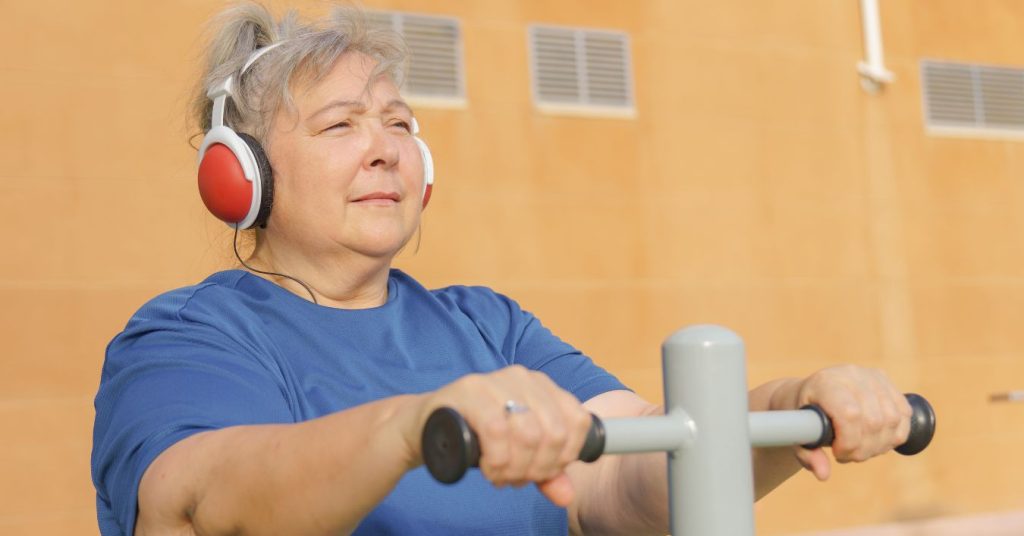
Healthy living also plays a role. Cardiovascular health, proper nutrition, and regular exercise contribute to better blood flow and oxygenation, including to the inner ear. Conditions like diabetes and hypertension can exacerbate hearing loss, so managing overall health helps maintain hearing function. Additionally, staying hydrated and reducing excessive caffeine or alcohol intake can improve ear and brain function, supporting the success of therapy.
Creating supportive environments is another critical component. Simple adjustments, such as reducing background noise during conversations, improving lighting for lip reading, and arranging seating to facilitate face-to-face communication, can make everyday interactions much easier. At home, using sound-absorbing materials like rugs, curtains, or acoustic panels can reduce echo and noise interference, enhancing the effectiveness of auditory training and hearing devices.
Stress management and mental well-being should not be overlooked. Chronic stress can impair concentration, making listening more challenging. Practices like mindfulness, meditation, or engaging in hobbies can reduce stress levels and improve focus, which is particularly beneficial when practicing auditory or cognitive exercises.
Finally, integrating these lifestyle and environmental approaches into a routine creates a foundation for long-term hearing improvement. When combined with auditory training, assistive technology, and cognitive strategies, these adjustments amplify the benefits of therapy, helping adults achieve better hearing, more confident communication, and an overall improved quality of life.
Professional Support and Ongoing Therapy
Effective hearing therapy relies heavily on professional guidance and ongoing support. While at-home exercises, devices, and lifestyle changes are crucial, working with trained audiologists, speech-language therapists, and hearing specialists ensures that therapy is personalized, targeted, and adaptive to individual needs.
Audiologists play a central role in assessing hearing loss and designing therapy plans. Comprehensive hearing tests determine the type and severity of hearing loss, guiding recommendations for auditory training, devices, and communication strategies. Regular check-ins allow audiologists to adjust therapy techniques, fine-tune hearing aids, and track progress over time, ensuring the plan remains effective as needs evolve.
Speech-language therapists complement audiologists by focusing on communication skills. They provide structured programs that improve listening comprehension, speech clarity, and conversational strategies. Role-playing exercises, speech-in-noise training, and communication coaching empower individuals to apply therapy techniques in real-world situations, enhancing confidence and reducing frustration in social interactions.
Ongoing therapy is key because hearing improvement is a gradual process. Consistent practice, device use, and follow-up sessions help reinforce neural pathways, making it easier for the brain to process sound. Long-term engagement also allows professionals to address challenges as they arise, such as adjusting strategies for changing hearing levels, troubleshooting devices, or introducing new cognitive exercises.
Support doesn’t stop at professional care—caregivers and family members play a vital role in reinforcing therapy strategies. Encouraging participation in auditory exercises, creating supportive communication environments, and practicing strategies together can accelerate progress and help maintain motivation.
Ultimately, professional support ensures that hearing therapy is more than just a set of exercises; it becomes a dynamic, personalized program. By combining expert guidance, regular monitoring, and ongoing adaptation, adults with hearing loss can achieve lasting improvements, enhanced communication, and a higher quality of life.
Conclusion
Hearing therapy offers a comprehensive and effective approach to improving hearing, communication, and overall quality of life for adults experiencing hearing loss. By combining auditory training, assistive devices, cognitive exercises, communication strategies, lifestyle adjustments, and professional support, individuals can achieve meaningful, lasting results.
The techniques discussed—from speech-in-noise exercises and frequency discrimination training to hearing aids, cochlear implants, and supportive communication practices—demonstrate that hearing improvement goes beyond simply amplifying sound. Therapy engages the brain, strengthens cognitive skills, and equips individuals with practical tools to navigate everyday conversations with confidence.
Lifestyle and environmental adjustments further enhance the effectiveness of therapy, allowing individuals to protect their hearing, manage stress, and create supportive listening environments. When these strategies are integrated into a personalized plan guided by audiologists and speech-language therapists, the results are not only measurable but transformative, enabling greater participation in social, family, and community activities.
Ultimately, the key to success in hearing therapy is consistency and a holistic approach. By committing to regular exercises, using technology effectively, adopting supportive habits, and seeking professional guidance, adults with hearing loss can regain a stronger connection to the sounds and people around them. Hearing therapy is more than a treatment—it’s a pathway to improved communication, confidence, and an enriched quality of life.
FAQ
What is the most effective hearing therapy technique?
The most effective hearing therapy combines multiple approaches tailored to the individual’s needs. Auditory training, assistive devices like hearing aids or cochlear implants, cognitive exercises, communication strategies, and lifestyle adjustments all work together to improve hearing and comprehension. Consulting an audiologist ensures a personalized plan that maximizes results.
Can hearing therapy reverse hearing loss?
Hearing therapy cannot reverse permanent hearing loss, particularly sensorineural loss caused by age or inner ear damage. However, it can significantly improve how the brain processes sound, enhance communication skills, and make daily listening much easier, effectively compensating for the loss.
How long does it take to see results from hearing therapy?
Results vary depending on the type and severity of hearing loss, the therapy techniques used, and the individual’s consistency in practicing exercises. Some people notice improvements within a few weeks, while for others, it may take several months of regular auditory training and device use to see significant benefits.
Are hearing therapy exercises suitable for older adults?
Absolutely. Hearing therapy exercises are designed for adults of all ages, including those over 50. Programs are adapted to individual abilities and can include simple at-home listening exercises, structured auditory training, and practical communication strategies.
Do lifestyle changes really impact hearing therapy outcomes?
Yes. Protecting hearing from loud noises, managing stress, maintaining cardiovascular health, and creating supportive environments all enhance the effectiveness of therapy. Lifestyle adjustments complement devices and training, ensuring better long-term results and improved quality of life.
This article is for informational purposes only and is not a substitute for professional medical advice, diagnosis, or treatment. If you are concerned about your hearing or ear health, please consult a qualified healthcare provider.