Hearing aids have transformed the lives of millions of people, helping them reconnect with conversations, music, and the everyday sounds that make life richer. But like any piece of technology, hearing aids don’t last forever. Understanding the typical lifespan of your device, knowing when to replace it, and practicing proper care can make a significant difference in your hearing experience and overall quality of life.
For many adults, hearing aids are a long-term investment—both financially and emotionally. They are not just devices; they are essential tools that allow you to engage fully with your surroundings. However, over time, even the most advanced hearing aids can experience wear and tear, battery issues, or technological obsolescence. Knowing the signs of aging devices and taking proactive steps to maintain them can prevent sudden hearing gaps, avoid costly repairs, and ensure you always hear at your best.
In this article, we’ll explore how long hearing aids typically last, what factors influence their lifespan, and the practical steps you can take to extend their use. You’ll also learn how to recognize when it’s time for a replacement and how to make informed choices when upgrading your hearing technology. By the end, you’ll have a clear roadmap to get the most out of your hearing aids while maintaining optimal hearing health.
Understanding the Average Hearing Aid Lifespan
Hearing aids are sophisticated electronic devices, and like most electronics, they have a limited lifespan. On average, most hearing aids last between 3 to 7 years, though some high-quality models can function well for up to a decade with proper care. Several factors influence how long a hearing aid will perform optimally, including the type of device, how often it’s used, environmental conditions, and maintenance habits.
Types of Hearing Aids and Longevity
Different hearing aid styles can have varying lifespans:
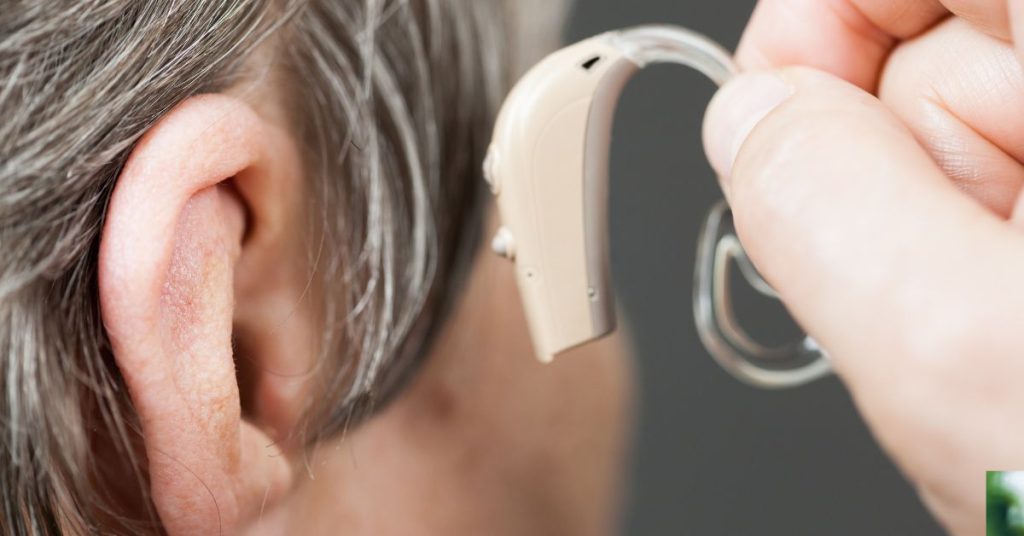
Behind-the-Ear (BTE) Devices: Typically durable and easier to repair, these devices often last on the higher end of the lifespan spectrum. Their design keeps delicate electronics away from moisture in the ear canal, reducing wear.
In-the-Ear (ITE) and In-the-Canal (ITC) Devices: These smaller devices sit directly in the ear, making them more susceptible to wax buildup, moisture, and accidental damage. They often require more frequent servicing.
Rechargeable Hearing Aids: With growing popularity, rechargeable models offer convenience but rely heavily on battery lifespan. The rechargeable battery may need replacement every 2–5 years, even if the device itself is still functional.
Factors Affecting Lifespan
Several variables can shorten or extend a hearing aid’s usability:
Frequency of Use: Daily wear puts more strain on components than occasional use.
Environmental Exposure: Dust, humidity, and sweat can accelerate wear, particularly in ITE devices.
Technological Advancements: Even if a device is functional, older models may not support the latest connectivity features, such as Bluetooth streaming, making an upgrade desirable.
Maintenance Habits: Regular cleaning, proper storage, and timely battery replacement significantly extend a hearing aid’s lifespan.
Understanding these factors helps users set realistic expectations and plan for future replacements. Rather than waiting for a device to fail completely, monitoring performance and maintaining proper care ensures your hearing aid provides consistent support throughout its expected life.
Signs It’s Time to Replace Your Hearing Aid
Even with proper care, hearing aids don’t last forever. Recognizing the signs that a device is nearing the end of its useful life can prevent gaps in hearing and help maintain daily comfort. While some issues can be repaired, others indicate that it’s time for a replacement.
Decreased Sound Quality
One of the most noticeable signs is a decline in sound clarity. If your hearing aid starts producing static, feedback, or inconsistent amplification, it may no longer deliver the performance you need. Over time, microphones, speakers, and digital processors can degrade, causing sound distortion that cannot always be fixed with minor repairs.
Frequent Repairs
If your hearing aid requires repeated repairs—such as battery replacements, broken tubing, or electronic fixes—it may be more cost-effective to replace the device rather than continually paying for service. Frequent issues often indicate that internal components are wearing out.
Physical Damage
Hearing aids are exposed to daily wear, moisture, and occasional drops. Cracked casings, corroded battery contacts, or damaged buttons can compromise functionality. In cases of physical damage, replacement is often the safest option, especially if repairs are costly or unlikely to restore full performance.
Changes in Hearing Ability
Hearing aids are tuned to your specific hearing loss. If your hearing has changed significantly, your current device may no longer meet your needs, even if it’s functioning correctly. Audiologists can reprogram some devices, but in cases of substantial hearing shifts, a new hearing aid with updated technology may be necessary.
Outdated Technology
Modern hearing aids offer features such as smartphone connectivity, rechargeable batteries, noise reduction algorithms, and directional microphones. Older models may lack these enhancements, limiting usability and convenience. Upgrading can improve your overall listening experience and reduce frustration in challenging listening environments.
Monitoring your hearing aid performance regularly and scheduling routine checkups with an audiologist ensures that you catch issues early. Being proactive about replacement can prevent sudden loss of hearing support and maintain your quality of life.
Proper Maintenance to Extend Lifespan
Proper maintenance is essential for keeping hearing aids functioning at their best and extending their lifespan. With consistent care, many users can maximize the performance and longevity of their devices, reducing the need for costly repairs or early replacement.
Daily Cleaning and Care
Hearing aids are exposed to earwax, dust, and moisture, all of which can interfere with their performance. Daily cleaning is critical:
Wipe down the device with a soft, dry cloth at the end of each day.
Remove wax buildup from ear molds or openings using a small brush or tool provided by your audiologist.
Check battery contacts for corrosion or debris, which can affect power delivery and sound quality.
Proper Storage
When not in use, hearing aids should be stored in a dry, cool environment:
Use a protective case to prevent drops or scratches.
Consider a dehumidifier box designed for hearing aids to remove moisture overnight, particularly in humid climates or after sweating.
Avoid leaving devices in direct sunlight or near heat sources, which can damage internal components.
Battery and Power Care
Battery health is a major factor in hearing aid lifespan:
Replace disposable batteries as recommended and remove them if the device won’t be used for an extended period.
Rechargeable models should be charged daily and never left in a completely drained state for long periods, as this can shorten battery life.
Regular Professional Checkups
Even with careful maintenance, hearing aids benefit from professional servicing:
Schedule annual or semi-annual checkups with your audiologist to inspect internal components, perform deep cleaning, and ensure optimal programming.
Address minor issues early, such as intermittent feedback or reduced volume, before they become major problems.
Lifestyle Considerations
Small adjustments in daily habits can significantly reduce wear:
Remove hearing aids before showering, swimming, or using hair products.
Avoid exposing devices to excessive sweat during exercise; use sweatbands or headbands if necessary.
Handle devices gently, especially when inserting or removing them from your ears.
By integrating these maintenance practices into your routine, you can often extend your hearing aid’s functional life and delay the need for replacement, ensuring you continue to hear clearly without interruption.
Choosing the Right Replacement or Upgrade
When it becomes clear that your hearing aid has reached the end of its optimal lifespan, selecting the right replacement is crucial. Choosing a new device involves more than simply replacing old technology; it’s an opportunity to improve your hearing experience, take advantage of modern features, and match your current lifestyle and hearing needs.
Evaluating Your Current Device
Before shopping for a new hearing aid, review your existing device:
Assess performance: Note any recurring issues such as feedback, distortion, or frequent battery replacements.
Identify missing features: Consider features you wish your old device had, like Bluetooth connectivity, rechargeable batteries, or advanced noise reduction.
Consider changes in hearing: Your hearing may have shifted since your last device was fitted, and a new hearing aid may need updated programming to match your current audiogram.
Exploring Hearing Aid Options
Hearing aid technology has advanced significantly in recent years. Options to consider include:
Behind-the-ear (BTE) models: Durable, versatile, and suitable for all types of hearing loss.
In-the-ear (ITE) models: Discreet and custom-fitted, ideal for mild to moderate hearing loss.
Rechargeable devices: Convenient and environmentally friendly, eliminating the need for disposable batteries.
Smart hearing aids: Offer connectivity to smartphones, TVs, and other devices, plus features like noise reduction and directional microphones.
Working with an Audiologist
An audiologist can help ensure your new hearing aids are the best fit:
Comprehensive hearing evaluation: Determines your current hearing needs.
Device selection guidance: Matches your lifestyle, dexterity, and budget to the right hearing aid type.
Programming and fitting: Customizes settings for optimal sound quality, comfort, and ease of use.
Follow-up support: Provides ongoing adjustments, troubleshooting, and maintenance advice.
Budget and Insurance Considerations
Hearing aids are an investment. While advanced technology often comes with higher costs, consider long-term benefits such as durability, convenience, and improved hearing quality. Some insurance plans or audiology clinics offer financing options, trade-in programs, or warranties to offset expenses.
By carefully evaluating your current device, exploring modern options, and working closely with a hearing professional, you can select a hearing aid replacement that enhances your hearing, fits your lifestyle, and ensures comfort and satisfaction for years to come.
Hearing Aid Care Tips for Everyday Life
Maintaining your hearing aids goes beyond daily cleaning—it involves adopting practical habits that protect your devices and ensure consistent performance. These tips can help you get the most out of your hearing aids while avoiding common issues that shorten their lifespan.
Handling and Storage
Proper handling is the first step in preventing damage:
Always use clean, dry hands when inserting or removing your hearing aids.
Store devices in a protective case when not in use to prevent drops or accidental crushing.
Keep away from children and pets, who may be curious about small devices.
Managing Moisture and Sweat
Moisture is one of the leading causes of hearing aid malfunction:
Avoid wearing hearing aids while showering or swimming unless they are specifically water-resistant.
Remove devices before heavy exercise, or use moisture-resistant covers when appropriate.
Consider using a drying kit or dehumidifier overnight to keep electronics free from humidity.
Environmental Awareness
Daily environments can affect hearing aid performance:
Avoid exposure to extreme heat or cold, such as leaving devices in a car on a hot day.
Minimize contact with hairspray, perfumes, or cleaning products, which can corrode or block openings.
Keep devices away from dusty or sandy areas, which can clog microphones and receivers.
Routine Professional Care
Even with careful at-home care, professional maintenance is vital:
Schedule annual or semi-annual appointments for deep cleaning, performance checks, and reprogramming.
Address minor problems promptly, like crackling sounds or intermittent feedback, before they worsen.
Update programming as your hearing changes, ensuring optimal amplification and clarity.
Daily Habits for Longevity
Incorporating small daily routines can dramatically extend the life of your hearing aids:
Remove devices at night and store them safely.
Keep spare batteries on hand or maintain a charging schedule for rechargeable models.
Perform a quick check each morning to ensure devices are clean and functioning properly.
By following these practical care tips, you can enjoy clearer hearing, reduce the likelihood of unexpected device failure, and maximize your hearing aid’s lifespan.
Conclusion
Hearing aids are invaluable tools that allow people to stay connected, engaged, and independent. Understanding their typical lifespan, recognizing when replacement is necessary, and practicing consistent care are essential for maintaining optimal hearing and avoiding interruptions in daily life.
Most hearing aids last between 3 to 7 years, depending on factors such as device type, frequency of use, environmental exposure, and maintenance habits. By monitoring performance, addressing minor issues promptly, and scheduling regular professional checkups, you can maximize your device’s longevity and ensure consistent hearing quality.
When it comes time for a replacement, evaluating your current device, exploring modern technology options, and working closely with an audiologist will help you select a hearing aid that meets your evolving needs. Whether upgrading for improved sound clarity, new features, or greater convenience, making an informed choice ensures that your hearing aids continue to support your lifestyle effectively.
Finally, adopting practical daily habits—such as careful handling, moisture management, and routine cleaning—can significantly extend the life of your hearing aids. By combining proper maintenance with timely replacement decisions, you can enjoy a clear, reliable hearing experience for years to come, protecting both your investment and your overall quality of life.
FAQ
How long do hearing aids typically last?
Most hearing aids last between 3 to 7 years, depending on factors such as device type, usage frequency, environmental exposure, and maintenance. Some high-quality models, with proper care, can last up to a decade.
What are the signs that it’s time to replace my hearing aid?
Signs include decreased sound quality, frequent repairs, physical damage, changes in your hearing ability, or outdated technology. If your hearing aid no longer meets your needs or requires constant fixes, it may be time for a replacement.
Can I extend the lifespan of my hearing aids?
Yes. Proper maintenance is key. Daily cleaning, safe storage, battery care, moisture protection, and regular audiologist checkups can significantly extend the life of your hearing aids. Avoiding exposure to extreme conditions or harsh chemicals also helps maintain performance.
How do I choose the right replacement hearing aid?
Consider your current device’s limitations, changes in your hearing, lifestyle needs, and desired features. Working with an audiologist ensures you select a device that fits your hearing profile, comfort preferences, and daily activities.
Are rechargeable hearing aids more durable than battery-operated ones?
Rechargeable hearing aids are convenient and environmentally friendly, but their lifespan is closely tied to battery health. Rechargeable batteries may need replacement every 2–5 years. Both types can last equally long if maintained properly, so the choice often depends on convenience and personal preference.
This article is for informational purposes only and is not a substitute for professional medical advice, diagnosis, or treatment. If you are concerned about your hearing or ear health, please consult a qualified healthcare provider.