Hearing is one of our most vital senses, yet many adults take it for granted—often only noticing changes when hearing loss has already set in. Regular hearing tests are essential for maintaining your quality of life, staying socially connected, and even protecting cognitive health. Early detection of hearing loss can help you take timely steps, whether that’s adjusting your lifestyle, using hearing aids, or seeking professional support.
In this article, we’ll explore how often you should get a hearing test, what factors influence testing frequency, and how to understand your results. We’ll also walk you through what happens during a hearing test and what actions to take afterward. By the end, you’ll have a clear roadmap for proactively monitoring your hearing health and making informed decisions.
Why Regular Hearing Tests Matter
Hearing loss often develops gradually, making it easy to overlook subtle changes. Many adults may not realize they are missing certain sounds until communication becomes noticeably challenging. Regular hearing tests allow you to detect these changes early, long before they significantly impact your daily life. Early detection not only helps you maintain clearer conversations but can also prevent the social isolation and frustration that often accompany untreated hearing loss.
Beyond communication, hearing health is closely linked to overall well-being. Research shows that untreated hearing loss is associated with increased risk of cognitive decline, depression, and even cardiovascular issues. By staying on top of your hearing health, you’re actively protecting both your mind and body. Regular checkups also help audiologists identify patterns or changes over time, enabling them to recommend the most effective interventions, whether that’s hearing aids, assistive devices, or therapy.
For caregivers and family members, understanding the importance of routine hearing tests can make a significant difference in supporting a loved one’s independence and quality of life. Encouraging older adults to schedule tests—even if they believe their hearing is fine—ensures that any potential issues are addressed before they become more serious. In essence, regular hearing tests are a proactive step in maintaining health, communication, and social engagement.
Recommended Hearing Test Frequency by Age and Risk Factors
How often you should get a hearing test depends largely on your age, lifestyle, and medical history. For adults under 50 with no noticeable hearing issues, a baseline hearing test every 3–5 years is generally recommended. This provides a reference point for any future changes and helps detect early signs of hearing loss that may not be immediately obvious.
For adults aged 50 and older, the frequency increases. Experts suggest having a hearing test at least once every 1–2 years. Age-related hearing loss, also known as presbycusis, becomes more common as we get older, and regular testing ensures timely detection and intervention. Those with existing hearing issues may need tests even more frequently, sometimes annually, to monitor progression and adjust treatment plans accordingly.
Certain risk factors also warrant more frequent testing regardless of age. Exposure to loud environments, such as construction work, concerts, or frequent use of headphones at high volumes, can accelerate hearing loss. Medical conditions like diabetes, cardiovascular disease, or chronic ear infections, as well as the use of ototoxic medications, also increase the risk. If any of these factors apply, your audiologist may recommend testing once a year or even more often.
Ultimately, hearing test frequency is about proactive care. By scheduling regular assessments based on age and risk factors, you can catch changes early, explore treatment options, and maintain optimal hearing health for as long as possible. Keeping a personal record of your test results also helps track trends over time, giving you and your healthcare provider a clearer picture of your auditory health.
What to Expect During a Hearing Test
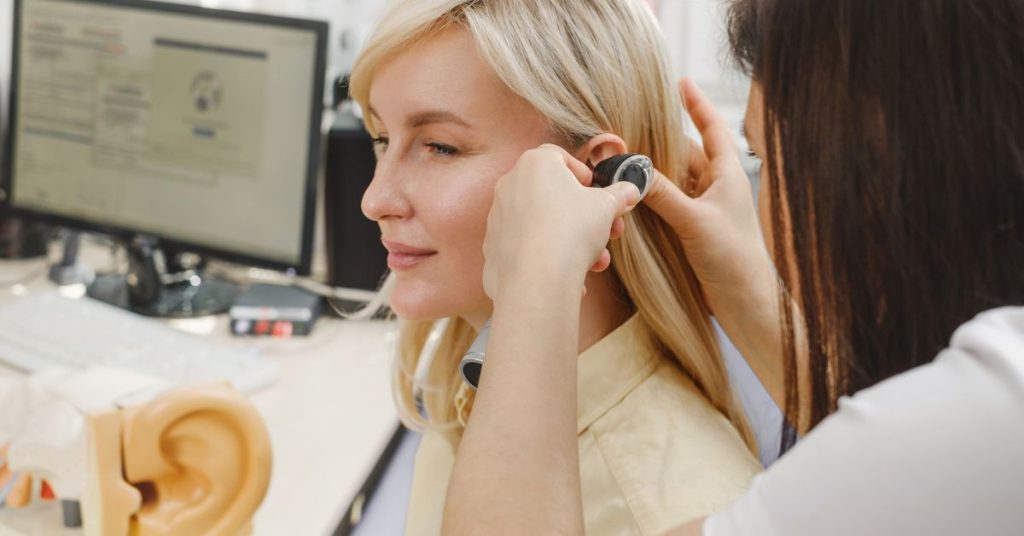
Many people feel anxious or uncertain about what happens during a hearing test, but the process is straightforward and painless. Understanding what to expect can help you feel more comfortable and prepared. Typically, a standard hearing test is conducted by an audiologist or hearing healthcare professional and can take anywhere from 20 minutes to an hour, depending on the complexity of the evaluation.
The most common component is pure-tone audiometry, where you wear headphones and listen for a series of beeps or tones at different pitches and volumes. You’ll indicate when you hear each sound, usually by pressing a button or raising your hand. This helps the audiologist determine your hearing threshold across different frequencies and detect any areas of hearing loss.
Other tests may include speech recognition assessments, where you repeat words or sentences at varying volumes, and tympanometry, which measures the movement of your eardrum to detect fluid, ear infections, or issues with the middle ear. Some clinics also offer otoacoustic emissions (OAE) testing, especially useful for detecting early hearing loss in specific populations, such as older adults or individuals with risk factors.
During the test, it’s important to be relaxed and honest about what you hear. Even subtle difficulties in understanding speech or distinguishing tones are valuable information for your audiologist. After testing, your results are analyzed and summarized in an audiogram, a visual chart that shows your hearing sensitivity across frequencies. This allows both you and your healthcare provider to clearly see areas where hearing may be declining and discuss potential next steps.
Regular testing not only helps identify hearing loss early but also provides a baseline for tracking changes over time. Knowing what to expect can make the process less intimidating and encourage more consistent monitoring of your hearing health.
Understanding Your Hearing Test Results
Once your hearing test is complete, you’ll receive a detailed report, usually including an audiogram, which is a graph that shows your hearing thresholds across different frequencies. Understanding these results can seem daunting at first, but breaking them down into simple terms can help you make sense of what they mean for your hearing health.
Hearing thresholds are measured in decibels (dB), which indicate the quietest sound you can hear at specific frequencies, measured in hertz (Hz). Normal hearing typically falls between 0 and 25 dB across all frequencies. Mild hearing loss ranges from 26 to 40 dB, moderate from 41 to 55 dB, moderately severe from 56 to 70 dB, severe from 71 to 90 dB, and profound is 91 dB or higher. Your audiogram will show whether your hearing is within the normal range or if there are specific frequencies where hearing loss is present.
Many people notice that hearing loss often affects higher frequencies first, which can make it difficult to hear consonant sounds like “s” or “t.” This can impact understanding speech, especially in noisy environments, even if you think your hearing is fine. Speech recognition scores included in your results show how well you can understand words at normal conversation levels, providing additional insight beyond pure-tone thresholds.
It’s important to remember that hearing test results are not a diagnosis on their own. They are a guide for audiologists to recommend interventions, such as hearing aids, assistive listening devices, or lifestyle adjustments. If your results indicate hearing loss, your audiologist will discuss what it means for daily life and the most effective ways to manage it. Tracking your results over time also allows you and your healthcare provider to see changes, evaluate treatment effectiveness, and adjust strategies as needed.
By understanding your hearing test results, you gain valuable knowledge about your auditory health and can take proactive steps to protect and enhance your ability to communicate effectively.
Steps to Take After Your Hearing Test
After receiving your hearing test results, the next step is taking action to protect or improve your hearing health. If your results indicate normal hearing, it’s still important to maintain regular checkups according to your age and risk factors. Early monitoring helps you detect any changes before they become significant, allowing for timely intervention.
If your test shows hearing loss, your audiologist will discuss options tailored to your specific needs. For mild to moderate loss, hearing aids are often recommended. Modern hearing aids are discreet, customizable, and can significantly improve your ability to hear in everyday situations. For more severe hearing loss, additional assistive listening devices, such as amplified phones or TV listening systems, may be suggested. Regular follow-ups are essential to adjust these devices and ensure optimal performance.
Lifestyle adjustments can also play a key role in maintaining hearing health. Reducing exposure to loud noise, using ear protection when necessary, and managing health conditions like high blood pressure or diabetes can slow the progression of hearing loss. Communication strategies, such as facing people when talking, reducing background noise, and learning visual cues like lip reading, can make everyday interactions easier and less stressful.
For caregivers and family members, supporting loved ones in following audiologist recommendations, attending follow-up appointments, and encouraging the use of hearing devices is critical. Maintaining a record of test results and interventions over time provides a clear picture of progress and ensures that hearing care remains proactive rather than reactive.
Ultimately, a hearing test is the first step in a broader plan for long-term auditory health. Taking appropriate follow-up measures helps preserve communication, independence, and overall quality of life.
Conclusion
Regular hearing tests are a crucial part of maintaining overall health and quality of life, especially for adults over 50. By understanding how often to schedule tests and what the results mean, you can take proactive steps to protect your hearing, prevent complications, and stay connected with family, friends, and your community.
Hearing loss often develops gradually, so early detection through routine testing allows for timely interventions, whether that’s hearing aids, assistive devices, or simple lifestyle adjustments. Knowing what to expect during a hearing test and understanding your results empowers you to make informed decisions about your hearing care.
Taking action after a hearing test—whether maintaining regular checkups, adopting strategies to protect your ears, or following professional recommendations—ensures that your hearing remains as healthy as possible. Ultimately, consistent monitoring and proactive care not only support communication and social engagement but also contribute to overall cognitive and emotional well-being. Prioritizing your hearing today lays the foundation for a clearer, more connected tomorrow.
FAQ
How often should adults over 50 get a hearing test?
Adults over 50 are generally recommended to have a hearing test at least once every 1–2 years. Age-related hearing loss becomes more common as we get older, and regular testing helps detect changes early so timely interventions can be implemented. Individuals with risk factors or existing hearing loss may need annual or more frequent assessments.
What do the results of a hearing test mean?
Hearing test results, often displayed as an audiogram, show the softest sounds you can hear across different frequencies, measured in decibels (dB) and hertz (Hz). Normal hearing is typically 0–25 dB. Results indicate whether you have mild, moderate, severe, or profound hearing loss and help audiologists recommend appropriate interventions, such as hearing aids or communication strategies.
Are hearing tests painful or uncomfortable?
No, hearing tests are completely painless and non-invasive. You may hear a series of tones or words at different volumes and respond by pressing a button or raising your hand. Additional assessments like tympanometry or speech recognition are also safe and simple, taking only a short time to complete.
Can lifestyle changes improve hearing after a test shows loss?
Yes, lifestyle adjustments can help slow the progression of hearing loss. Reducing exposure to loud sounds, using ear protection, managing chronic health conditions, and practicing healthy habits can all contribute to maintaining better hearing. In combination with professional interventions, these strategies support long-term auditory health.
Do I need a hearing test if I think my hearing is fine?
Absolutely. Hearing loss often develops gradually and can go unnoticed in daily life. A baseline hearing test provides a reference point, helps detect subtle changes early, and ensures timely intervention if hearing begins to decline. Regular monitoring is a key part of proactive health care.
This article is for informational purposes only and is not a substitute for professional medical advice, diagnosis, or treatment. If you are concerned about your hearing or ear health, please consult a qualified healthcare provider.