Hearing is one of our most vital senses, yet it’s often overlooked until problems arise. Many adults assume that gradual hearing changes are just a normal part of aging, but the truth is that untreated hearing loss can impact communication, safety, and overall quality of life. Regular hearing tests are the key to catching issues early, ensuring timely treatment, and preserving your ability to connect with loved ones and the world around you.
For adults, especially those over 50, understanding how often to get your hearing tested is essential. Just like regular dental or eye checkups, hearing assessments help identify subtle changes before they become serious problems. This guide will explain the recommended testing schedule, signs that indicate you should test sooner, what to expect during a hearing exam, and the long-term benefits of staying proactive about your ear health.
By the end of this article, you’ll have a clear plan for how to maintain your hearing and protect one of your most important senses for years to come.
Understanding Hearing Loss
Hearing loss is more common than many people realize, and it can affect individuals of all ages. While it’s often associated with aging, studies show that even adults in their 40s and 50s can experience gradual changes in their hearing. Understanding the types, causes, and progression of hearing loss is essential to knowing why regular hearing tests are so important.
There are three primary types of hearing loss: sensorineural, conductive, and mixed. Sensorineural hearing loss is the most common, usually caused by damage to the inner ear or auditory nerve. This type often occurs gradually and is permanent, making early detection crucial. Conductive hearing loss involves problems in the outer or middle ear that block sound from reaching the inner ear. In some cases, this type can be temporary or reversible with treatment. Mixed hearing loss, as the name suggests, is a combination of both types and may require a multifaceted approach to management.
Hearing loss can result from various factors, including age-related changes, prolonged exposure to loud noise, ear infections, medications, genetics, and certain medical conditions like diabetes or high blood pressure. Lifestyle factors also play a role; for example, frequent use of headphones at high volumes or working in noisy environments increases the risk over time.
One of the challenges of hearing loss is that it often develops gradually. You might not notice the subtle changes at first, but over months or years, it can affect your ability to follow conversations, enjoy music, or even hear warning signals like car horns. Delaying detection can make social interactions frustrating and sometimes even dangerous.
Because hearing loss can progress silently, regular checkups are essential. Early detection allows for timely interventions, such as hearing aids, assistive listening devices, or medical treatment, which can significantly improve your quality of life. Even minor changes detected early can make a huge difference in maintaining communication, independence, and overall wellbeing.
In short, understanding the different types of hearing loss and their causes highlights why scheduling regular hearing tests is a proactive step in protecting your long-term health.
Recommended Hearing Test Frequency
Knowing how often to get your hearing tested is a key part of maintaining ear health. While individual needs can vary, general guidelines provide a helpful starting point, especially for adults over 50. Regular testing ensures that even subtle changes in hearing are detected early, allowing for timely intervention.
For adults under 50 with no noticeable hearing issues, it’s typically recommended to have a baseline hearing test every 3 to 5 years. This establishes a reference point, so any changes over time can be tracked accurately. For those who frequently work in noisy environments, have a history of ear infections, or take medications that can affect hearing, more frequent testing—every 1 to 2 years—may be advisable.
Once you reach 50 and beyond, hearing naturally begins to decline for many people, even without obvious symptoms. Experts generally recommend hearing tests every 1 to 2 years after this age. Regular assessments can catch early signs of age-related hearing loss (presbycusis), which is often gradual and easy to overlook. Even minor changes can significantly impact daily life if left untreated, affecting communication, social engagement, and mental health.
People with existing hearing problems or conditions that increase the risk of hearing loss—such as diabetes, cardiovascular issues, or repeated exposure to loud noises—may require annual testing. Similarly, anyone who notices sudden changes in hearing, ringing in the ears, or difficulty understanding speech should schedule a test immediately, regardless of their regular testing schedule.
Some healthcare professionals also recommend hearing checks when receiving routine wellness visits, similar to eye exams or blood pressure checks. This integrated approach helps ensure that hearing health is not overlooked and emphasizes its importance in overall wellbeing.
It’s worth noting that hearing tests are painless, non-invasive, and quick, yet their benefits are long-lasting. Establishing a consistent schedule can help prevent complications, improve quality of life, and allow for timely intervention with hearing aids, assistive devices, or medical treatments if needed.
By following these recommended frequencies, adults can proactively protect their hearing, maintain better communication with loved ones, and enjoy a higher quality of life.
Signs You Should Get Tested Sooner
While regular hearing tests are important, there are certain warning signs that indicate you shouldn’t wait for your next scheduled checkup. Being aware of these symptoms can help you act quickly and prevent further complications.
One of the most common signs is difficulty understanding conversations, especially in noisy environments like restaurants or social gatherings. If you often ask people to repeat themselves or find yourself straining to hear, it may indicate a decline in your hearing. Similarly, frequent misunderstandings on the phone or missing key details in meetings are red flags that warrant a sooner-than-planned hearing test.
Another notable indicator is tinnitus, which is a persistent ringing, buzzing, or hissing sound in the ears. While tinnitus itself doesn’t always signal permanent hearing loss, it often accompanies other hearing issues and can be an early warning of auditory damage. Persistent ear pain, pressure, or fluid buildup can also indicate problems that require prompt attention.
Sudden hearing changes—even in just one ear—should never be ignored. Sudden loss or muffled hearing can be a sign of underlying medical conditions, including infections, vascular issues, or even neurological concerns. In these cases, scheduling an urgent hearing test is critical.
Lifestyle factors may also contribute to accelerated hearing loss. Exposure to loud noises, whether from music, machinery, or recreational activities, can damage your inner ear over time. If you’ve recently experienced increased noise exposure and notice hearing difficulties, it’s wise to get tested promptly.
Lastly, many people underestimate the impact of family history. If hearing loss runs in your family, you may be more susceptible and should consider more frequent testing. Even minor changes in hearing can be significant if you have a genetic predisposition.
Recognizing these warning signs and acting quickly can make a significant difference. Early detection often means more effective treatment options, better preservation of existing hearing, and improved overall quality of life. Don’t wait for routine schedules to catch potential issues—proactive testing ensures you maintain your hearing health.
What Happens During a Hearing Test
Many people hesitate to schedule hearing tests because they’re unsure of what the process involves. In reality, hearing assessments are straightforward, non-invasive, and often quite quick. Understanding what to expect can ease anxiety and encourage regular checkups.
A standard hearing test usually begins with a consultation and medical history review. The audiologist will ask about your hearing experiences, any symptoms you’ve noticed, exposure to loud noise, medications, and family history of hearing loss. This information helps tailor the testing process to your specific needs.
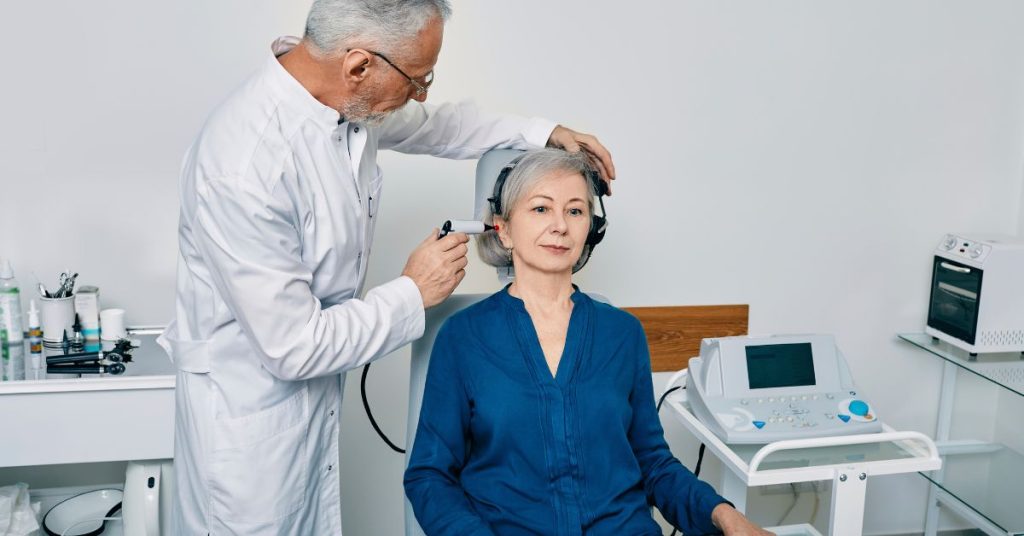
Next comes pure-tone audiometry, the most common type of hearing test. During this test, you’ll wear headphones and listen to a series of beeps or tones at different pitches and volumes. Each time you hear a tone, you indicate it by pressing a button or raising your hand. This allows the audiologist to measure the quietest sounds you can hear at various frequencies, which helps identify the type and severity of hearing loss.
Many clinics also perform speech recognition tests, where you listen to words or sentences and repeat what you hear. This helps determine how well you can understand speech in everyday situations, particularly in noisy environments. Some audiologists may include tympanometry, which measures how well your eardrum and middle ear respond to changes in air pressure. This test can detect fluid, ear infections, or other physical issues affecting hearing.
After testing, the audiologist will review the results with you. They’ll explain any hearing loss detected, discuss potential causes, and outline available management options. If hearing aids or assistive devices are recommended, they’ll provide guidance on selecting, fitting, and adjusting them for optimal performance.
For many adults, knowing what to expect during a hearing test can alleviate stress and encourage regular assessments. The process is painless, requires no surgery or injections, and typically takes less than an hour. Most importantly, it provides valuable insights into your hearing health, allowing you to take proactive steps to protect one of your most important senses.
By understanding the testing process, you can approach your hearing appointments with confidence, ensuring that any changes are identified and addressed early.
Benefits of Regular Hearing Tests
Regular hearing tests offer far more than simply knowing if you have hearing loss—they play a crucial role in maintaining your overall health, independence, and quality of life. Understanding these benefits can motivate you to make hearing checkups a consistent part of your routine.
One of the primary advantages is early detection of hearing loss. Many types of hearing impairment, particularly age-related sensorineural hearing loss, develop gradually. Regular testing allows audiologists to identify changes before they significantly impact daily life. Early detection often leads to more effective treatment options, such as hearing aids, assistive listening devices, or medical interventions, which can slow progression and improve overall hearing outcomes.
Another significant benefit is improved communication and social engagement. Untreated hearing loss can lead to misunderstandings, frustration, and withdrawal from conversations or social events. By identifying and addressing hearing issues promptly, individuals can maintain strong relationships, stay connected with friends and family, and participate fully in community activities.
Regular hearing tests also support mental and cognitive health. Research shows that untreated hearing loss is linked to higher rates of depression, anxiety, and even cognitive decline, including dementia. Staying proactive with hearing assessments helps protect your brain health by ensuring you continue to engage with your environment and maintain auditory stimulation.
Additionally, hearing tests can uncover underlying health conditions. Changes in hearing may indicate cardiovascular issues, diabetes, or ear infections that require medical attention. Identifying these problems early allows for timely treatment and can prevent more serious complications.
Finally, regular checkups provide peace of mind. Knowing your hearing status and taking action when needed reduces anxiety about unexpected hearing changes. It also empowers you to make informed decisions about lifestyle adjustments, hearing protection, or technology that enhances your auditory experience.
In summary, the benefits of regular hearing tests extend well beyond detecting hearing loss. They improve quality of life, protect mental and physical health, and ensure that you remain engaged and connected in everyday life. Making hearing assessments a routine part of your healthcare schedule is a small step with profound long-term rewards.
Conclusion
Maintaining your hearing is an essential part of overall health and wellbeing, yet it’s often overlooked until problems become obvious. Regular hearing tests are a simple, non-invasive way to monitor your auditory health, detect early signs of hearing loss, and take proactive steps to preserve your ability to communicate and engage with the world around you.
For adults, especially those over 50, scheduling hearing assessments every 1 to 2 years is generally recommended. Even if you feel your hearing is fine, these checkups provide a baseline for comparison and help catch subtle changes that might otherwise go unnoticed. Individuals with risk factors, such as chronic medical conditions, frequent exposure to loud noise, or a family history of hearing loss, should consider more frequent testing.
It’s also important to recognize the warning signs that indicate you shouldn’t wait for your next scheduled test. Difficulty following conversations, persistent ringing in the ears, sudden changes in hearing, or other unusual symptoms are all signals to see an audiologist promptly. Acting quickly can lead to more effective treatments, better outcomes, and improved quality of life.
Beyond detection and treatment, regular hearing tests support social, emotional, and cognitive health. They help you maintain independence, stay engaged with family and community, and prevent the frustration and isolation that often accompany untreated hearing loss. By prioritizing regular checkups, you are taking an active role in protecting one of your most important senses for years to come.
Ultimately, understanding how often to get your hearing tested and following through with regular assessments is a small effort that yields enormous long-term benefits. Taking care of your hearing today ensures clearer conversations, safer experiences, and a richer, more connected life tomorrow.
FAQ
How often should adults over 50 get their hearing tested?
Adults over 50 are generally advised to have a hearing test every 1 to 2 years. Regular testing helps detect gradual age-related hearing loss early, allowing for timely intervention and management to maintain communication and quality of life.
What are the signs that I need a hearing test sooner?
You should schedule a hearing test sooner if you experience difficulty following conversations, ringing or buzzing in the ears (tinnitus), sudden hearing changes, or frequent misunderstandings in daily interactions. These warning signs may indicate an underlying hearing issue that requires prompt attention.
Is a hearing test painful or invasive?
No, hearing tests are completely painless and non-invasive. They usually involve listening to tones or speech through headphones and responding to what you hear. Some tests may also include gentle pressure measurements in the ear, but the process is quick, safe, and comfortable.
Can regular hearing tests help prevent other health problems?
Yes. Early detection of hearing loss can improve mental and cognitive health by preventing social isolation and reducing the risk of depression and cognitive decline. Hearing changes may also indicate underlying medical conditions like cardiovascular issues or diabetes, which can be addressed promptly.
Do I need a hearing test if I think my hearing is fine?
Yes. Even if you haven’t noticed problems, a baseline hearing test is valuable. Gradual hearing loss can go unnoticed, and having a reference point allows audiologists to identify changes early, ensuring timely management and better long-term outcomes.
This article is for informational purposes only and is not a substitute for professional medical advice, diagnosis, or treatment. If you are concerned about your hearing or ear health, please consult a qualified healthcare provider.