Rechargeable hearing aids have transformed the way people with hearing loss manage their devices. Gone are the days of fumbling with tiny disposable batteries or worrying about carrying spares everywhere. With a simple charging routine, you can ensure your hearing aids are ready to support clear, reliable hearing every day.
For beginners, understanding how to charge hearing aids properly might feel a little intimidating. Different models have different chargers, indicator lights, and battery types, which can be confusing at first. However, once you grasp the basics, charging becomes a simple, stress-free part of your daily routine.
This guide is designed to walk you through everything you need to know about charging your hearing aids safely and efficiently. From understanding the types of rechargeable batteries to step-by-step charging instructions and tips for maximizing battery life, you’ll gain the confidence to keep your devices functioning at their best. Whether you’re a first-time user, a caregiver, or someone exploring the switch from disposable batteries, this guide provides clear, practical advice for everyday hearing aid maintenance.
Understanding Rechargeable Hearing Aids
Rechargeable hearing aids are designed to simplify daily life, eliminating the need for constantly replacing small batteries. Most modern hearing aids use lithium-ion batteries, similar to those found in smartphones, which offer a long lifespan and consistent performance. Some models still use zinc-air rechargeable batteries, which are a newer technology but provide reliable power for shorter durations. Understanding the type of battery in your hearing aids is crucial because it determines how you should charge and maintain your devices.
One of the main benefits of rechargeable hearing aids is convenience. With a fully charged device, most lithium-ion models can last anywhere from 16 to 30 hours, allowing you to wear your hearing aids all day without worry. This is especially helpful for older adults or caregivers, who may find managing disposable batteries tedious or challenging. Additionally, rechargeable hearing aids are more environmentally friendly, reducing the amount of battery waste compared to traditional disposable options.
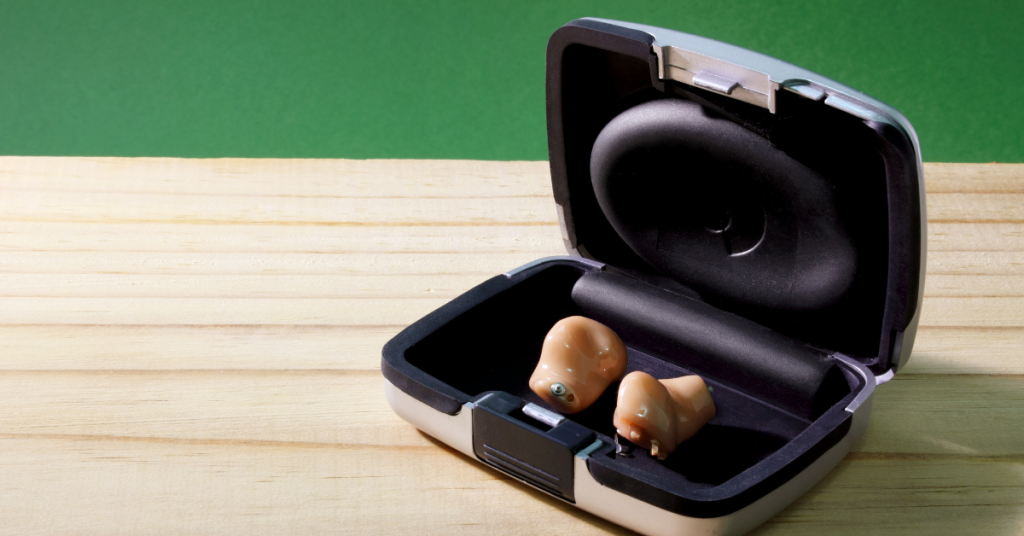
Rechargeable hearing aids often come with compact charging stations or docks. These devices not only recharge your hearing aids but also store them safely when not in use. Many chargers feature indicator lights that show the battery status, helping you easily determine when your hearing aids are fully charged. Some advanced models even offer fast-charging options, giving you several hours of use after just a short charging session.
It’s also important to recognize the lifespan of rechargeable hearing aid batteries. While they are durable, over time, their capacity to hold a full charge diminishes. Most lithium-ion batteries last around three to five years before performance noticeably declines. Regular maintenance, proper charging habits, and avoiding extreme temperatures can help extend the life of your hearing aid batteries.
Understanding the basics of rechargeable hearing aids sets the foundation for proper charging habits. By knowing your battery type, expected usage time, and how to read the charger indicators, you can ensure your hearing aids remain reliable and effective. This knowledge empowers you to confidently integrate your hearing aids into your daily routine without interruptions caused by low or depleted batteries.
Preparing Your Hearing Aids for Charging
Before placing your hearing aids on the charger, taking a few preparatory steps can ensure safe, effective charging and help maintain the longevity of your devices. Proper preparation also prevents damage caused by moisture, debris, or improper handling.
First, always start with clean hearing aids. Earwax, dust, and other debris can accumulate on the device and the charging contacts, interfering with the battery’s connection. Use a soft, dry cloth or the cleaning tools provided by your audiologist to gently wipe the hearing aids before charging. Avoid using water or cleaning solutions directly on the devices, as moisture can damage the electronics and batteries.
Next, inspect your hearing aids and the charging station for any visible damage. Cracks, bent contacts, or frayed cords can indicate a problem that should be addressed before attempting to charge. Using a damaged charger or hearing aid can pose safety risks and reduce the battery’s efficiency. If you notice any issues, contact your hearing professional for guidance.
Ensure the charger you are using is compatible with your specific hearing aid model. Some brands require proprietary chargers, and using an incorrect charger may lead to improper charging or even permanent damage. Always follow the manufacturer’s instructions and keep chargers on a stable, flat surface to avoid accidental falls or spills during charging.
It’s also important to remove any moisture from the hearing aids before charging. Many people wear their devices throughout the day, exposing them to sweat or humidity. Consider using a hearing aid dehumidifier or wiping the devices with a dry cloth before placing them on the charger. This step helps protect both the hearing aids and the charger from corrosion or short-circuiting.
Lastly, familiarize yourself with the indicator lights or display on your charging station. Most chargers feature LED lights that signal charging status, battery health, and readiness. Understanding these indicators ensures you don’t overcharge your devices or leave them on the charger unnecessarily, which can affect battery longevity.
By following these preparatory steps, you set the stage for safe, efficient charging and help extend the life of your hearing aids. Simple habits like cleaning, inspection, and proper placement make a big difference in maintaining optimal hearing performance every day.
Step-by-Step Charging Instructions
Charging your hearing aids correctly is key to maintaining their performance and battery life. While different brands may have slight variations, most rechargeable hearing aids follow a similar charging process. Here’s a beginner-friendly guide to help you get started.
Step 1: Place the Hearing Aids in the Charger
Carefully insert your hearing aids into the charging station, ensuring they are oriented correctly. Most chargers are designed so that the devices only fit one way, which helps prevent damage to the contacts. Listen or look for a subtle click or magnetic alignment that confirms the hearing aids are seated properly.
Step 2: Connect the Charger to Power
Plug the charging station into a wall outlet using the supplied cable. Some chargers support USB connections, but it’s important to use the manufacturer-provided adapter or cable to avoid inconsistent power delivery. Make sure the charger is placed on a flat, stable surface to prevent accidental falls.
Step 3: Check the Indicator Lights
Once connected, most chargers will display an LED light or screen indicating that charging has started. A red or amber light usually signals that the hearing aids are charging, while green or blue indicates a full charge. Consult your device’s user manual for the exact meaning of each indicator. Avoid removing the hearing aids prematurely, as incomplete charging can reduce battery performance.
Step 4: Allow Adequate Charging Time
Rechargeable hearing aids typically need 3–4 hours for a full charge, though some fast-charge models provide several hours of use after just 30–60 minutes. Overnight charging is safe for most lithium-ion models, as they are designed to stop drawing power once fully charged. However, always check your manufacturer’s guidelines to prevent potential overcharging.
Step 5: Remove and Test the Devices
After the charging cycle is complete, gently remove the hearing aids and check that they power on properly. If the devices do not turn on or the battery indicator shows low, reseat them in the charger and verify that the contacts are clean.
Step 6: Troubleshooting Common Issues
If your hearing aids aren’t charging, first ensure the charger is plugged in and functioning. Clean the contacts on both the hearing aids and the charger, and confirm proper placement. If the problem persists, consult your audiologist or the manufacturer for further assistance.
By following these steps, charging your hearing aids becomes a simple, predictable part of your daily routine. Correct charging not only ensures your devices are ready to use but also helps maintain long-term battery health, giving you peace of mind and uninterrupted hearing support.
Maximizing Battery Life
Proper charging habits are essential to get the most out of your hearing aids’ rechargeable batteries. Even the best devices can experience reduced performance if they aren’t cared for correctly. By following simple tips and understanding how batteries behave, you can prolong battery life and maintain reliable hearing aid performance.
Charge Consistently, but Don’t Overdo It
Most lithium-ion hearing aids are designed for overnight charging, stopping automatically when full. However, frequently leaving devices on the charger for days or weeks without use can shorten battery lifespan. Aim to charge your hearing aids at roughly the same time each day, such as before bedtime, so they are ready for the next day without excessive charging.
Keep Devices at Optimal Temperatures
Extreme heat or cold can negatively affect battery performance. Avoid charging hearing aids near heaters, in direct sunlight, or in very cold rooms. Ideally, keep both your devices and charger at room temperature to preserve battery health.
Clean Contacts Regularly
Dirt, earwax, or moisture on the charging contacts can interfere with power transfer, causing incomplete charging and battery strain. Wipe both the hearing aids and the charger with a dry cloth or a manufacturer-recommended cleaning tool to maintain consistent charging efficiency.
Use Energy-Saving Features
Many modern hearing aids have power-saving modes or automatic shut-off features when not in use. Activating these settings reduces battery drain and helps extend the time between charges. Review your hearing aid manual to understand which features your device offers and how to enable them.
Avoid Frequent Full Discharges
Unlike older nickel-based batteries, lithium-ion batteries don’t require full discharges. In fact, regularly letting your hearing aids fully drain before charging can reduce their lifespan. It’s best to recharge them when you notice battery levels dropping, rather than waiting for them to die completely.
Store Properly When Not in Use
If you won’t be using your hearing aids for an extended period, store them in a cool, dry place and partially charge them (typically around 50–70%). This prevents deep discharge or overcharging, both of which can damage the battery.
By incorporating these practices into your routine, you can maximize your hearing aids’ battery life, reduce the risk of unexpected power loss, and enjoy consistent, reliable hearing. Small adjustments in charging habits go a long way toward preserving your devices’ longevity and efficiency.
Troubleshooting Charging Problems
Even with proper care, you may occasionally encounter issues while charging your hearing aids. Knowing how to troubleshoot common problems can save time, prevent damage, and ensure your devices remain reliable.
Hearing Aids Won’t Charge
If your hearing aids do not begin charging, first check that the charger is plugged in and receiving power. Inspect the charging contacts on both the hearing aids and the charger for dirt, earwax, or moisture, and clean them gently with a dry cloth or a manufacturer-recommended tool. Ensure that the devices are seated correctly in the charger, as most models require precise alignment for charging to start.
Short Battery Life
If your hearing aids seem to lose power faster than expected, it could indicate a weakening battery or incomplete charging. Make sure you allow the devices to charge fully before use and avoid using them in extreme temperatures, which can reduce battery efficiency. If the problem persists, the battery may be nearing the end of its lifespan and could require professional replacement.
Charger Malfunctions
Sometimes, the charger itself may be the issue. Check for visible damage to the cords, power adapter, or charging contacts. Try using a different compatible outlet to rule out electrical problems. If the charger appears faulty, contact your audiologist or the manufacturer for a replacement rather than attempting repairs yourself.
Indicator Lights Not Working
Most hearing aid chargers use LED lights to indicate charging status. If the lights are not functioning correctly, it may be due to a connection issue or a malfunction in the charger. First, confirm the hearing aids are placed correctly, then test the charger with another compatible device if available. Persistent problems with indicator lights may require professional support.
Hearing Aids Overheating
While rare, overheating during charging can occur if the devices are covered, placed in direct sunlight, or exposed to high temperatures. Remove the hearing aids from the charger and allow them to cool in a shaded, room-temperature area. Avoid using makeshift charging setups or leaving devices in enclosed spaces that can trap heat.
Addressing these common charging issues promptly helps protect your hearing aids and ensures you maintain consistent, high-quality hearing support. When in doubt, always consult your audiologist or the device manufacturer rather than attempting potentially risky fixes on your own.
Conclusion
Charging your hearing aids correctly is a simple yet essential step to ensure reliable hearing and extend the life of your devices. By understanding the type of rechargeable battery your hearing aids use, preparing them properly, following step-by-step charging instructions, and practicing smart battery habits, you can make charging a seamless part of your daily routine.
Consistent, careful charging helps prevent unexpected power loss, maximizes battery lifespan, and ensures that your hearing aids perform at their best. Paying attention to indicator lights, keeping contacts clean, avoiding extreme temperatures, and troubleshooting minor issues when they arise all contribute to maintaining optimal hearing device functionality.
For beginners, integrating these practices might seem overwhelming at first, but with time, it becomes second nature. The peace of mind that comes from knowing your hearing aids are fully charged and ready to use each day is invaluable. Proper charging habits not only protect your investment in hearing technology but also support your overall wellbeing by allowing you to stay engaged, connected, and confident in social situations.
Remember, if you ever encounter persistent charging problems or notice a significant decline in battery performance, consulting your audiologist or the manufacturer is always the best course of action. Following these guidelines ensures that your hearing aids remain reliable, efficient, and a supportive part of your daily life for years to come.
FAQ
How long does it take to fully charge hearing aids?
Most lithium-ion rechargeable hearing aids take 3–4 hours to reach a full charge. Some fast-charge models provide several hours of use after just 30–60 minutes. Always consult your device’s manual for recommended charging times to avoid undercharging or overcharging.
Can I leave my hearing aids on the charger overnight?
Yes, most modern lithium-ion hearing aids are designed for overnight charging. They automatically stop drawing power when fully charged, so leaving them on the charger for 6–8 hours is generally safe. Avoid leaving them on for extended periods beyond the manufacturer’s recommendations.
What should I do if my hearing aids aren’t charging?
First, check that the charger is properly connected and receiving power. Clean the contacts on both the hearing aids and the charger to remove dirt, earwax, or moisture. Ensure the devices are seated correctly in the charger. If the problem continues, contact your audiologist or the manufacturer.
How can I extend the battery life of my hearing aids?
To maximize battery life, charge your hearing aids consistently, keep them at room temperature, clean contacts regularly, use energy-saving features, and avoid fully draining the battery before recharging. Proper storage when not in use also helps preserve battery health.
Are rechargeable hearing aids environmentally friendly?
Yes, rechargeable hearing aids reduce the need for disposable batteries, which helps decrease battery waste. Over the long term, using rechargeable batteries is both cost-effective and better for the environment.
This article is for informational purposes only and is not a substitute for professional medical advice, diagnosis, or treatment. If you are concerned about your hearing or ear health, please consult a qualified healthcare provider.