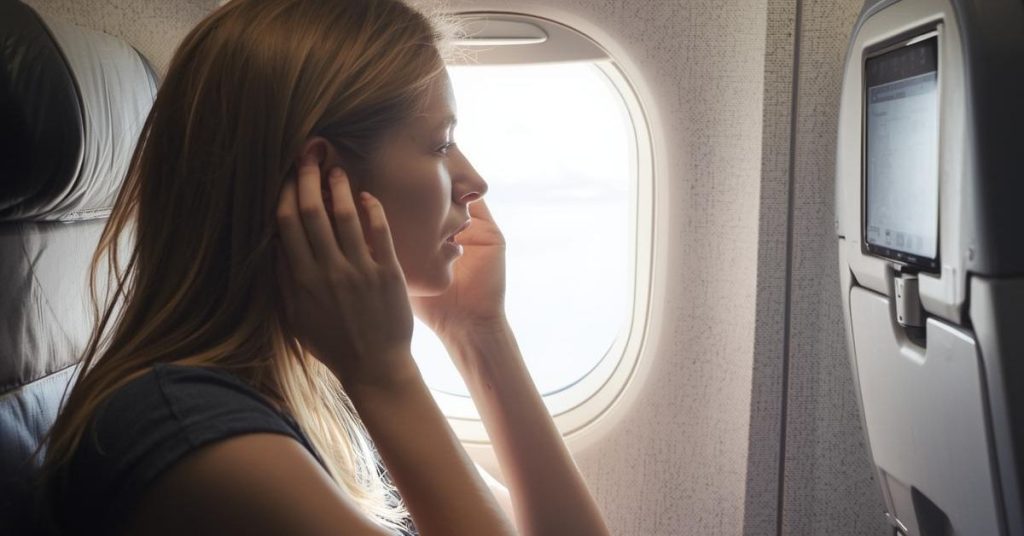
Flying can be an exciting way to reach new destinations, visit loved ones, or enjoy a long-awaited holiday—but for many people, it also brings an unwelcome companion: ear pain. This discomfort, often described as pressure, fullness, popping, or even sharp pain, is extremely common during air travel. For adults over 50, children, and anyone with allergies, sinus congestion, or existing hearing issues, the problem can feel even more pronounced. What should be a smooth trip can quickly become stressful when your ears refuse to cooperate.
Ear pain during flights is primarily caused by changes in air pressure during takeoff and landing. While most people experience only mild discomfort, others may struggle to equalize pressure due to age-related changes in the Eustachian tubes, colds, or even underlying medical conditions affecting the ears and sinuses. The good news is that ear pain is not something you have to simply “put up with.” With the right knowledge, planning, and techniques, you can significantly reduce or even prevent ear problems while flying.
In this article, we’ll explore why ear pain happens, what you can do before and during your flight to protect your ears, and how different age groups can manage discomfort. You’ll also learn when ear symptoms after a flight might need medical attention. Whether you’re a frequent flyer or planning an occasional trip, these essential tips will help you travel more comfortably and confidently—so you can focus on the destination, not the discomfort.
Why Ear Pain Happens During Flights
Ear pain during air travel, often called “airplane ear,” occurs when your body struggles to adjust to rapid changes in air pressure. To understand why this happens, it helps to look at the small but important structure inside your head that makes pressure equalization possible: the Eustachian tube. This narrow passage connects your middle ear to the back of your nose and throat. Its job is to let air flow in and out of the middle ear, helping to keep pressure balanced on both sides of the eardrum. When the plane climbs or descends, outside air pressure shifts quickly—and your Eustachian tubes must work efficiently to keep up.
During takeoff and especially during landing, air pressure changes too quickly for some people’s Eustachian tubes to adjust. If the tube becomes blocked or responds slowly, the air behind your eardrum becomes trapped, causing it to stretch inward or outward. This is what creates the sensation of fullness, popping, or pain. Some people also experience muffled hearing or temporary dizziness during these pressure imbalances. While these symptoms are usually short-lived, the discomfort can range from mildly annoying to quite painful.
Certain factors increase the likelihood of experiencing ear pain during flights. Age is one of the biggest contributors; children have narrower, more horizontal Eustachian tubes that don’t drain or open as effectively, while older adults may have tubes that stiffen with age, making them slower to respond to pressure changes. Sinus congestion from allergies, colds, or respiratory infections can also block the tubes and make pressure equalization more difficult. People with chronic ear conditions or past ear surgeries may be more sensitive as well. Even environmental factors—like dry cabin air—can irritate nasal passages and contribute to congestion.
Understanding why ear pain happens is an important first step in preventing it. Once you know what causes the discomfort, you can take practical steps to support your Eustachian tubes and minimize pressure changes. With the right techniques and preparation, most travelers can significantly reduce ear problems and enjoy a much more comfortable flight.
Before You Fly: Preparing Your Ears for Air Travel
Preventing ear pain during a flight begins long before you settle into your seat. The way you prepare in the hours or days leading up to your trip can make a significant difference in how your ears respond to pressure changes. For many adults—especially those over 50 or those with allergies, sinus issues, or a history of ear problems—taking proactive steps can mean the difference between a comfortable journey and a painful one. This section explores practical, medically informed strategies to help your ears stay clear, open, and ready for the altitude shifts ahead.
One of the most important things you can do before flying is manage any congestion you may have. Nasal congestion restricts airflow through the Eustachian tubes, making pressure equalization far more difficult. If you have seasonal allergies, a sinus infection, or even a mild cold, consider using a saline nasal spray in the hours leading up to your flight. For some people, a short-term decongestant spray or oral decongestant—used as directed and when medically appropriate—can help reduce swelling and improve airflow. Staying well-hydrated the day before and day of travel also helps keep your nasal passages moist, reducing the risk of dryness-related irritation.
Timing can also play a role. If you have flexibility, try to avoid flying when you are sick, especially if you’re experiencing a blocked nose, sinus pressure, or ear infection symptoms. Not only will you feel worse on the flight, but you’re also more likely to experience intense ear pain or even temporary hearing changes afterward. If you’re unsure whether it’s safe to fly—especially if you’ve recently had ear surgery or a severe infection—speak with a healthcare provider before your trip. A quick check-in can prevent unnecessary discomfort and potential complications.
It’s also worth considering helpful tools that can make your journey easier. Specially designed filtered earplugs for flying, sometimes called “airplane earplugs,” regulate the rate at which pressure enters the ear. While they don’t eliminate pressure changes, many travelers find they reduce discomfort significantly. Packing a bottle of water, sugar-free gum, or hard sweets can also help, since frequent swallowing activates the muscles that open the Eustachian tubes. Finally, if you tend to feel anxious before a flight, calming techniques like deep breathing or progressive muscle relaxation can help, as stress and tension can tighten the muscles around your jaw and ears, making pressure equalization more difficult.
By preparing your ears and managing contributing factors ahead of time, you give yourself the best chance of enjoying a comfortable and pain-free flight.
During the Flight: Techniques to Reduce Ear Pressure
Once you’re on the plane, the goal is to keep your Eustachian tubes working and responsive throughout takeoff and landing—the two periods when ear pressure changes most rapidly. Even if you’ve prepared beforehand, in-flight habits play a major role in preventing discomfort. Fortunately, there are many simple, effective techniques you can use to reduce ear pressure and keep your ears feeling comfortable from climb to descent.
One of the easiest and most reliable methods is to encourage frequent swallowing. Swallowing activates the small muscles that help open the Eustachian tubes, allowing pressure to equalize naturally. Chewing gum, sucking on hard sweets, or sipping water can help trigger more frequent swallows without much effort. Yawning also works well, though it can sometimes take a few attempts to fully open the Eustachian tubes. For many people, alternating between gum, water, and gentle jaw movements throughout the flight keeps the tubes functioning smoothly.
Another widely recommended technique is the Valsalva maneuver, which can be especially helpful during descent, when the pressure difference increases more rapidly. To perform it safely, take a gentle breath, pinch your nostrils, close your mouth, and blow lightly—not forcefully—until you feel your ears pop. Overly forceful pressure can injure the eardrum, so slow and steady is key. Some travelers prefer the Toynbee maneuver, which involves pinching the nose and swallowing simultaneously. Both methods help push air through the Eustachian tubes, but they work best when done periodically as the plane descends rather than waiting until pain sets in.
Your seating position and state of alertness can also affect your ears. Staying awake during takeoff and landing is ideal because your ears need active engagement—swallowing, yawning, and gentle pressure equalization—to keep up with the rapid changes in altitude. If you tend to fall asleep easily during flights, set a small reminder to stay awake during these critical periods. Seat choice may matter too; while pressure changes occur throughout the cabin, some people find they experience fewer symptoms when seated closer to the wings, where the ride is typically smoother.
For added support, consider using filtered earplugs designed specifically for flying. These earplugs don’t block all sound; instead, they slow the rate of pressure change reaching the ear, giving your Eustachian tubes more time to adjust naturally. They can be especially helpful for older adults, people with allergies or sinus issues, and anyone who frequently struggles with airplane ear. Combined with frequent swallowing and gentle equalization, these tools can make a noticeable difference in comfort.
Staying relaxed also helps. Tension around the jaw and neck can restrict the natural movement needed to open the Eustachian tubes. Light stretching, rolling your shoulders, or performing gentle jaw exercises during the flight can keep the surrounding muscles loose and responsive. With the right combination of awareness and simple techniques, most travelers can dramatically reduce ear pressure issues and enjoy a much more pleasant journey.
Special Considerations for Children and Older Adults
Ear pain during flights can affect anyone, but two groups tend to struggle the most: young children and older adults. Both face unique challenges that make equalizing ear pressure harder, which can turn a routine flight into a stressful experience. Understanding why these groups are more vulnerable—and knowing how to support them—can make air travel far more manageable and comfortable for everyone involved.
For infants and young children, the biggest issue is anatomy. Their Eustachian tubes are shorter, narrower, and more horizontal than those in adults, which makes drainage and airflow less efficient. This means pressure changes during takeoff and landing can feel more intense, and children may not be able to express or understand what is causing the discomfort. Babies, especially, rely on crying as a natural way to release pressure, which is why fussiness during descent is so common. Parents and caregivers can help by encouraging swallowing actions: offering a bottle, breastfeeding, using a dummy, or providing a drink during takeoff and landing. For toddlers and older children, snacks, drinks, or gum (if age-appropriate) can promote swallowing and help keep the Eustachian tubes active.
Older adults, on the other hand, may struggle with ear equalization due to age-related changes. Over time, the tissues around the Eustachian tubes can become stiffer, reducing their ability to open and close efficiently. Many older adults also experience chronic conditions such as allergies, sinus problems, or reduced jaw mobility, all of which can further complicate pressure regulation. Hearing aids themselves do not cause airplane ear, but adults should consider removing them during takeoff and landing if they find them uncomfortable or if pressure fluctuations affect how they feel inside the ear. Staying hydrated, managing congestion, and using filtered earplugs can be particularly beneficial for this age group.
Both children and older adults may benefit from additional preparation before the flight. For children prone to ear infections or fluid in the ear, a consultation with a pediatrician before travel is a wise precaution. They may recommend a nasal saline rinse, an age-appropriate decongestant (when medically suitable), or simply waiting until an infection has cleared before flying. For older adults with chronic Eustachian tube dysfunction or those who have undergone ear surgery, speaking with a healthcare provider in advance can help determine if flying is safe and what additional steps may reduce discomfort.
Comfort measures during the flight can also make a significant difference. For children, distraction tools such as toys, books, or digital devices can help shift focus away from discomfort. Reassurance from caregivers is especially important because anxiety can increase tension in the jaw and neck, making equalization more difficult. Older adults may find relief through gentle jaw stretches, slow breathing, and maintaining an upright posture to keep the airways open. In both age groups, staying awake during descent is essential so the ears can stay active and responsive.
By understanding the unique needs of children and older adults, travelers and caregivers can use practical, age-appropriate techniques to make air travel smoother and more comfortable. These small adjustments can prevent unnecessary pain and ensure a more pleasant journey for everyone.
When to Seek Medical Advice for Ear Pain After Flying
Most ear discomfort experienced during air travel is temporary and resolves within a few hours to a couple of days. However, there are times when ear pain after flying may indicate something more serious, such as persistent Eustachian tube dysfunction, middle-ear fluid buildup, or even barotrauma. Knowing the difference between normal, short-lived symptoms and those that require medical attention can help you protect your ear health and avoid complications.
After a flight, it’s common to notice muffled hearing, mild fullness, or occasional popping sensations as your ears continue adjusting to normal ground-level pressure. These symptoms often improve with swallowing, yawning, sipping water, or using a gentle Valsalva maneuver. If discomfort lingers but steadily improves over 24–48 hours, it’s usually nothing to worry about. However, if symptoms do not seem to improve—or if they suddenly worsen—it’s important to pay attention to those signals. Ear pain that is severe, persistent, or accompanied by other symptoms should not be ignored.
One condition that may require medical care is ear barotrauma. This occurs when pressure differences cause significant stress on the eardrum and surrounding tissues. Symptoms can include sharp or persistent pain, ongoing muffled hearing, ringing in the ears (tinnitus), dizziness, or a feeling of fluid trapped behind the eardrum. In more serious cases, barotrauma can cause visible redness or bulging of the eardrum, fluid leakage, or even a small perforation. While many mild cases of barotrauma heal on their own, more severe cases benefit from evaluation by a healthcare provider to ensure proper healing and to reduce the risk of infection.
If you experience ear pain after flying that lasts more than a few days, or if you notice symptoms such as fever, drainage from the ear, significant hearing loss, or balance problems, it’s advisable to seek medical attention promptly. These symptoms may signal an infection or a more serious pressure-related injury that needs timely treatment. Adults with a history of ear surgeries, chronic sinus problems, or pre-existing hearing conditions should be particularly cautious, as they may be more susceptible to complications following altitude changes.
In many cases, treatment for post-flight ear issues is simple. A clinician may recommend nasal sprays, decongestants, or antihistamines to reduce inflammation around the Eustachian tubes. In more persistent cases, they may suggest specialized maneuvers, hearing evaluations, or, rarely, minor procedures to relieve pressure or drain fluid. Early intervention can prevent small problems from becoming major ones and can help restore comfort and hearing more quickly.
Staying aware of how your ears feel after flying and seeking help when needed ensures that you maintain good ear health and avoid long-term issues. With proper care and attention, most cases of airplane-related ear discomfort can be resolved quickly and safely.
Conclusion
Ear pain during flying is a common experience, but it doesn’t have to be an inevitable part of air travel. With the right preparation, awareness, and in-flight strategies, most people can significantly reduce or even prevent discomfort. Whether you’re a frequent traveler or someone planning a long-awaited trip, understanding how your ears respond to pressure changes—and taking steps to support them—can make your journey much more enjoyable.
Throughout this guide, we’ve explored why ear pain happens, how to prepare before your flight, and helpful techniques you can use during takeoff and landing to keep pressure equalization smooth. We also looked at special considerations for children and older adults, two groups more likely to struggle with airplane ear, and highlighted when lingering symptoms might warrant medical attention. These insights empower you to be proactive about your hearing health and comfort, preventing unnecessary stress during travel.
Airplane ear may be common, but it is far from unavoidable. Simple tools like filtered earplugs, frequent swallowing, and managing congestion can make a world of difference. For caregivers, supporting children or older adults with tailored strategies helps ensure that everyone arrives at their destination feeling comfortable and ready to enjoy the next part of their journey. By applying the tips shared in this article, you can step onto your next flight with confidence—knowing you’ve taken every step to prevent ear pain and protect your hearing.
FAQ
What causes ear pain during flights?
Ear pain is primarily caused by rapid changes in air pressure during takeoff and landing. When the Eustachian tubes can’t equalize pressure efficiently, the eardrum becomes stretched, leading to discomfort, fullness, or muffled hearing. Congestion, allergies, and age-related changes can all make this process more difficult.
How can I prevent ear pressure if I have a cold or allergies?
If you’re congested, using a saline spray or a short-term decongestant (when medically appropriate) before your flight may help reduce swelling around the Eustachian tubes. Staying hydrated, using filtered earplugs, and swallowing frequently during ascent and descent can also make a noticeable difference. If you have a severe infection or intense congestion, it may be best to postpone your flight until you’ve recovered.
Are filtered earplugs effective for reducing airplane ear?
Yes, many travelers find that filtered earplugs help slow the rate of pressure change entering the ear. While they do not eliminate discomfort entirely, they often reduce symptoms and give the Eustachian tubes more time to adjust naturally. They can be particularly helpful for children, older adults, and those prone to ear pain when flying.
What should I do if my ears won’t “pop” after flying?
If your ears feel blocked after landing, try swallowing, yawning, sipping water, or performing a gentle Valsalva maneuver. A warm compress over the ears may also help. If the blockage doesn’t improve within a couple of days—or if you experience significant pain, hearing loss, dizziness, or fluid drainage—seek medical advice.
Can children and babies safely fly if they have ear problems?
Most children can fly safely, but their narrower Eustachian tubes make them more prone to discomfort. If a child has an ear infection or fluid in the ear, consult a pediatrician before flying. Feeding during takeoff and landing, offering drinks, and using age-appropriate techniques to encourage swallowing can greatly reduce symptoms.
This article is for informational purposes only and is not a substitute for professional medical advice, diagnosis, or treatment. If you are concerned about your hearing or ear health, please consult a qualified healthcare provider.