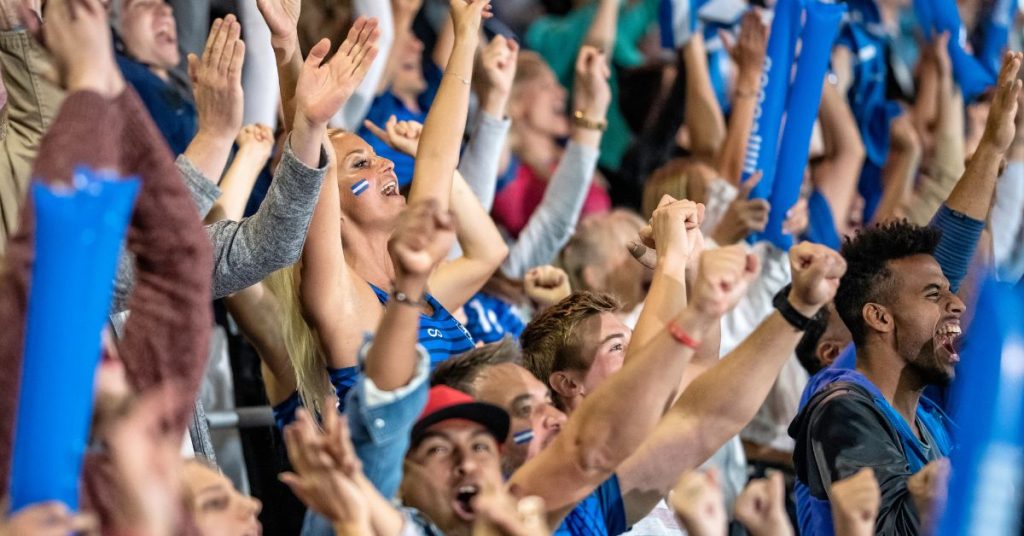
Sports events are some of the most exhilarating experiences we can enjoy, whether you’re cheering on your favourite football club, attending a high-energy basketball game, or supporting a grandchild from the stadium stands. The roar of the crowd, the blare of announcements, and the pulse of stadium music all work together to create an unforgettable atmosphere. But while these moments are thrilling, they also expose our ears to potentially harmful noise levels that can put long-term hearing health at risk.
Many sports venues regularly reach noise levels comparable to a rock concert or construction site. Sudden bursts of cheering after a big play can spike even higher, overwhelming the delicate structures inside the ear. For older adults or anyone already experiencing hearing challenges, this constant exposure can be particularly damaging. Yet the good news is that protecting your ears doesn’t mean sacrificing the excitement of game day.
In this article, we’ll explore why noise levels at sporting events are more dangerous than many people realise and offer simple, effective strategies to safeguard your hearing. From choosing the right ear protection to making smart decisions about where you sit, small adjustments can make a big difference. With the right approach, you can enjoy every chant, whistle, and victory anthem—without putting your ears at risk.
Understanding Noise Levels at Sports Events
Sports events are designed to be loud—crowds cheer, music booms through the speakers, and public announcements echo across the venue. While this energy is part of what makes the experience so exciting, most fans don’t realise just how loud these environments can be. Typical conversation sits around 60 decibels (dB), but many large stadiums and arenas regularly exceed 100 dB during peak moments. Some professional venues have even recorded levels above 120 dB, which is similar to standing near a jet during take-off.
These noise levels matter because the ear’s delicate structures can only tolerate loud sound for a limited amount of time before damage occurs. At 100 dB, hearing damage can begin after just 15 minutes of exposure without protection. Sudden spikes—like a game-winning goal or buzzer-beater—can be even more dangerous because the ear has no time to adapt or protect itself. The louder the sound, the shorter the safe listening time becomes.
It’s also important to understand that noise at sports events is unpredictable. You might sit through long stretches of moderate noise and then suddenly be exposed to an explosive roar from the crowd. These rapid fluctuations put additional strain on the hearing system, especially for older adults or anyone with existing hearing sensitivity. While the excitement is part of the fun, the cumulative impact of repeated loud games can lead to permanent hearing changes over time.
By understanding the actual volume of sports events, fans are better equipped to make smart choices about hearing protection. Once you know how quickly loud sound can cause harm, it becomes clear why simple steps—like wearing earplugs—are so valuable. With awareness and planning, it’s entirely possible to enjoy the thrill of a live event while keeping your ears safe for years to come.
Why Hearing Protection Matters More as We Age
As we get older, our ears naturally become more vulnerable to noise. This is because age-related hearing changes, known as presbycusis, gradually reduce the ear’s ability to recover from loud sound. The tiny hair cells inside the inner ear—responsible for transmitting sound to the brain—become more fragile with age. Once these cells are damaged, they cannot repair themselves, making older adults more susceptible to long-term hearing difficulties after exposure to loud environments like sports events.
For many people over 50, background noise also becomes harder to filter out. This means that at a loud stadium or arena, distinguishing the commentary, announcements, or even a companion’s voice becomes more challenging. The brain works overtime to process competing sounds, often leaving fans feeling fatigued or overwhelmed. Prolonged exposure to heavy noise can worsen this strain, leading to temporary or permanent threshold shifts—where hearing becomes muffled or less sharp after loud sound.
Adults with existing hearing loss face an added risk. Even mild hearing loss can make the ear more sensitive to sudden loud sounds, increasing the likelihood of further damage. Many individuals may not realise the degree of their vulnerability, assuming that attending a game “just this once” won’t do harm. However, even a single match with extended high-volume exposure can contribute to cumulative damage that accelerates the progression of hearing loss.
Taking hearing protection seriously doesn’t mean missing out on the atmosphere you love. In fact, using earplugs or earmuffs often enhances the experience by reducing harsh background noise and making it easier to focus on the action. For older adults—and anyone concerned about maintaining their hearing health—being proactive is one of the simplest, most effective ways to enjoy sports events for many years to come.
Top Hearing Protection Options for Sports Fans
Choosing the right hearing protection can make all the difference when attending a lively sports event. Fortunately, today’s options are more comfortable, discreet, and effective than ever before. Whether you’re a lifelong sports enthusiast or attending a game for the first time, there’s a solution that fits your needs, preferences, and budget.
One of the most accessible and affordable choices is foam earplugs. These soft, expandable plugs create a snug seal in the ear canal and can reduce noise by 20–30 decibels. They’re lightweight, disposable, and easy to carry in a pocket or bag, making them ideal for spontaneous outings. However, some people find that foam earplugs muffle sound a bit too much, making it harder to enjoy announcements, commentary, or conversations.
For a more natural listening experience, many fans prefer high-fidelity (musician’s) earplugs. These reusable plugs are designed to reduce sound evenly across frequencies, meaning you’ll still hear the action clearly—just at a safer volume. They’re perfect for adults who want a balanced mix of protection and clarity, especially during long games where comfort is essential. High-fidelity earplugs typically come with different-sized tips, ensuring a secure and comfortable fit.
If you’re attending an especially loud event or have heightened sensitivity to noise, over-ear earmuffs offer an additional layer of protection. Modern acoustic earmuffs are far more streamlined than older, bulkier designs. Many feature adjustable headbands and padded cups for hours of comfortable wear. Some models even include electronic features that amplify speech while reducing harmful noise levels, blending protection with enhanced listening.
Finally, tech-enabled hearing protection, such as smart earplugs or noise-reducing earbuds, has become increasingly popular. These devices use digital processing to lower environmental noise without compromising sound quality. They’re a great option for tech-savvy fans who want tailored protection with the ability to control noise levels on the go.
No matter which option you choose, the most important factor is consistency. Bringing and wearing hearing protection at every sports event ensures that you can cheer, celebrate, and enjoy the excitement—without putting your long-term hearing health at risk.
Smart Strategies to Reduce Noise Exposure During Games
Even with great hearing protection, your overall game-day experience can be improved by making smart choices that reduce your exposure to excessively loud sound. These strategies can help you stay comfortable, stay engaged, and protect your ears throughout the entire event.
One of the simplest yet most effective strategies is choosing your seating location wisely. Seats closest to speakers, goal posts, or band sections tend to experience the highest noise levels. If possible, opt for seats farther from amplification systems or cheering clusters. Mid-level or upper-tier seating often provides a better acoustic balance while still keeping you fully immersed in the action.
Another helpful tactic is taking quiet breaks throughout the event. Many stadiums have quieter concourse areas, rest zones, or concession corridors where you can give your ears a chance to recover. Even a five-minute break during halftime or between periods can significantly reduce the cumulative impact of loud noise, especially for those who feel overwhelmed by constant volume.
Understanding safe listening time is also crucial. At 100 decibels, which is common for many sports venues, the safe exposure limit without protection is only about 15 minutes. With earplugs or earmuffs, you can extend this time dramatically. Being aware of these limits empowers you to take control of your hearing health—without missing out on the celebration.
It also helps to prepare before the event. Pack your hearing protection, as stadiums rarely provide it. Consider downloading a smartphone decibel meter app to monitor volume levels during the game. These tools can help you recognise when it’s time to take a break or adjust your protection for added comfort.
Finally, don’t underestimate the value of communication. If you’re attending a game with friends or family, especially children or older adults, encourage them to use hearing protection as well. A supportive group makes it easier for everyone to stay safe while enjoying the excitement together.
With a little planning and awareness, you can dramatically reduce your noise exposure—ensuring that every cheer, chant, and thrilling moment remains enjoyable and safe.
How to Enjoy the Game Without Sacrificing Ear Health
Attending a sports event is about more than just watching the action—it’s about feeling the energy of the crowd, sharing moments with loved ones, and being part of something bigger than yourself. The good news is that protecting your hearing doesn’t have to take away from any of this. With the right approach, you can fully enjoy the atmosphere while keeping your ears safe and comfortable.
One of the best ways to stay engaged while using hearing protection is to choose earplugs or earmuffs that maintain sound clarity. High-fidelity earplugs, in particular, lower the overall volume without distorting the game-day experience. You’ll still hear the referee’s calls, the crowd’s reactions, and the commentary—just without the overpowering intensity. This allows you to enjoy the excitement without feeling overwhelmed by sudden bursts of noise.
Another simple method is to stay connected with the people around you. If you’re attending with friends, family, or fellow fans, let them know you’re using hearing protection so they’re aware you may need clearer communication at times. Many people find that wearing earplugs actually makes conversations easier in loud settings because background roar becomes more manageable. You’ll be able to chat, laugh, and celebrate together without straining your ears or shouting over the noise.
If you’re someone who likes to stay informed during the game, consider using team apps or stadium screens to follow stats, replays, and key announcements. These tools help bridge any momentary gaps in hearing while ensuring you’re still fully immersed in the event. Some fans even enjoy listening to live commentary via radio or streaming apps using compatible earbuds under protective earmuffs—a safe, immersive option that reduces noise exposure while enhancing understanding of the play-by-play action.
For many adults, comfort plays a big role in staying engaged. Take time before the event to test your hearing protection at home so you know how it feels and fits. A comfortable, well-fitted option means you’re less likely to remove it during the game, which keeps your ears consistently protected. If you’re attending longer events—like tournaments, double-headers, or special matches—having a backup pair on hand ensures you’re always prepared.
Finally, remember that enjoying the game is also about pacing yourself. If you find that certain moments feel too loud or overstimulating, don’t hesitate to step away briefly. A quick break in a quieter area can help reset your ears and your energy, making the rest of the game much more enjoyable.
With the right tools and habits, you can participate in every cheer, every chant, and every thrilling moment of the match—without compromising your hearing health.
Conclusion
Protecting your hearing at sports events doesn’t mean giving up the energy and excitement that make live games so memorable. By understanding how loud stadiums can get and recognising how vulnerable our ears become with age, it becomes clear that a few simple steps can make a world of difference. Whether you choose foam earplugs, high-fidelity plugs, earmuffs, or smart hearing protection, the key is consistency and preparation.
With smart seating choices, quiet breaks, and awareness of safe exposure limits, you can fully enjoy every cheer, tackle, whistle, or victory anthem without putting your long-term hearing health at risk. These small habits help ensure that sports remain a source of joy—not discomfort—for years to come. Hearing protection is not just a precaution; it’s an investment in your wellbeing and your ability to keep enjoying the activities you love.
By making hearing health part of your game-day routine, you can celebrate freely and confidently, knowing your ears are safe no matter how loud the excitement grows.
FAQ
What noise level is considered dangerous at sports events?
Most sports venues regularly reach 100–120 decibels, which is loud enough to cause hearing damage in a short amount of time. At 100 dB, unprotected ears can begin experiencing harm after about 15 minutes. Sudden spikes—like crowd roars or goal celebrations—can be even more dangerous, especially for older adults or anyone with existing hearing concerns.
Are earplugs really effective in protecting my hearing at games?
Yes. Even simple foam earplugs can reduce noise by 20–30 decibels, making loud environments much safer. High-fidelity earplugs offer clearer, more natural sound while still lowering harmful noise to safer levels. Consistency is key—wearing them throughout the event offers the best protection.
Which type of hearing protection is best for sports events?
It depends on your comfort and sound preference. Foam earplugs are affordable and effective, high-fidelity earplugs preserve sound clarity, and earmuffs provide maximum coverage for very loud venues. Tech-enabled options like noise-reducing earbuds are ideal for those wanting adjustable protection.
Can children use hearing protection at sporting events?
Absolutely. Children’s ears are even more sensitive to loud sounds than adults’, making hearing protection essential. Child-sized earmuffs offer comfortable, adjustable protection and are easy for young fans to keep on during the game.
How can I stay engaged in the game while wearing hearing protection?
High-fidelity earplugs or smart hearing protection allow you to hear important sounds—like commentary and crowd reactions—without the overwhelming volume. You can also follow updates on team apps or stadium screens, making it easy to stay connected to the action.
This article is for informational purposes only and is not a substitute for professional medical advice, diagnosis, or treatment. If you are concerned about your hearing or ear health, please consult a qualified healthcare provider.