Protecting your hearing at work is one of the most important steps you can take to preserve your long-term ear health, especially if you spend your days in a noisy environment. Many people don’t realize that workplace-related noise exposure is one of the leading causes of preventable hearing loss. Whether you work in construction, manufacturing, hospitality, education, or an office, harmful noise levels can appear in places you might not expect. Even sounds that don’t seem painfully loud at first can gradually contribute to permanent hearing damage over time.
Noise-induced hearing loss often develops slowly, making it easy to overlook early warning signs. Ringing in the ears after a shift, needing to raise your voice to talk to a coworker, or feeling unusually tired after being around constant noise can all signal that your ears are under stress. The good news is that simple, consistent precautions can drastically lower your risk. With the right tools, habits, and awareness, you can build a safer sound environment—both at work and beyond.
This article will guide you through everything you need to know to protect your ears on the job. From understanding dangerous noise levels to choosing the right hearing protection and creating healthier listening habits, you’ll discover strategies that support your hearing today and safeguard it for the years ahead.
Understanding Workplace Noise and Its Risks
Noise in the workplace comes in many forms, and not all of it is obvious. While heavy machinery, power tools, and industrial equipment are clear sources of loud sound, even everyday environments like restaurants, open-plan offices, hospitals, and classrooms can expose workers to harmful noise levels. Any sound above 85 decibels (dB) can begin damaging your hearing over time, and the higher the volume, the faster that damage can occur. For example, a loud machine humming at 90 dB may take several hours to affect your ears, while a sudden 110 dB blast from a tool or alarm can be harmful in just minutes.
It’s not only the loudness of noise that matters—duration plays a major role as well. Many workers experience “cumulative exposure,” where hours of moderately loud noise add up over the course of a day, week, or career. This is why people who don’t think of their jobs as especially loud may still develop early signs of hearing loss or tinnitus. Symptoms might include muffled hearing at the end of a shift, ringing or buzzing sounds in the ears, or difficulty understanding speech, especially in noisy spaces.
The risks extend beyond hearing loss alone. Prolonged noise exposure can increase stress levels, disrupt concentration, and reduce workplace safety by making it harder to hear warnings or communicate with coworkers. Over time, this can affect job performance and overall well-being. Recognizing these risks early is key to preventing long-term damage. Once hearing loss occurs, it cannot be reversed—making prevention the most effective approach. Understanding the types of noise you’re exposed to, how often, and for how long empowers you to make informed decisions about protection and safer work practices.
Essential Hearing Protection Devices and How to Use Them
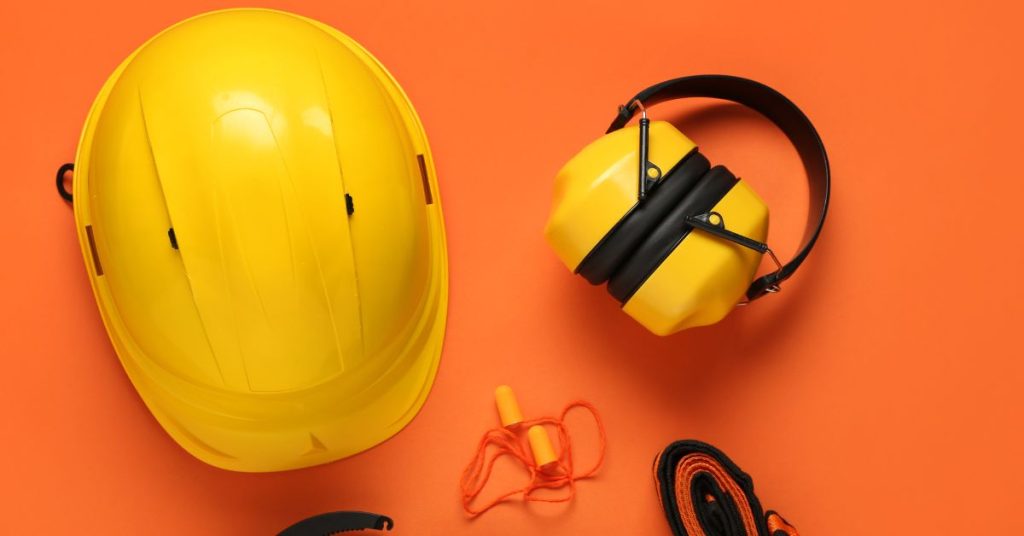
Hearing protection is one of the most effective ways to reduce noise exposure at work, but not all protection is created equal. Understanding the different types—and how to use them properly—can significantly lower your risk of long-term hearing damage. The three most common categories of hearing protection are earplugs, earmuffs, and specialized devices designed for specific industries or noise levels.
Earplugs are a popular choice because they are compact, affordable, and easy to use. They come in disposable foam versions, reusable silicone styles, and custom-molded designs made specifically for your ear shape. Foam earplugs expand to fill the ear canal, but they must be inserted correctly to work effectively. Rolling them tightly, pulling the ear upward and outward, and inserting them fully ensures they create a proper seal. Reusable earplugs offer convenience and comfort for regular use, while custom options provide the best fit and long-term wearability.
Earmuffs sit over the entire ear and provide consistent protection with minimal technique required. They’re ideal for individuals who move in and out of noisy areas frequently or for workers who have difficulty inserting earplugs. Modern earmuffs come in lightweight, adjustable designs and can be paired with safety helmets or face shields. They’re also easy to combine with earplugs for an added layer of protection in extremely loud environments—a method known as “double protection.”
For some workplaces, specialized hearing protection is the best choice. These include electronic earmuffs that amplify safe sounds while blocking harmful noise, filtered earplugs that reduce sound evenly for musicians or teachers, and communication-enhanced protectors that allow you to hear instructions clearly without exposing your ears to dangerous levels. Selecting the right equipment depends on your noise exposure, job tasks, and comfort preferences.
Using any hearing protection incorrectly minimizes its effectiveness. Loose earmuffs, partially inserted earplugs, or damaged equipment can give a false sense of security. Regularly inspecting your gear, replacing worn-out parts, and ensuring a proper fit every time are essential habits. When hearing protection becomes part of your daily routine, it acts as a reliable barrier between your ears and the noise around you—helping preserve your hearing for the future.
Creating a Safer Work Environment Through Noise Control
While personal hearing protection plays an important role, reducing noise at the source is one of the most effective long-term strategies for workplace hearing safety. Noise control doesn’t always require expensive equipment or major renovations—many improvements can be made through thoughtful planning, regular maintenance, and small adjustments that lower sound exposure for everyone on the team. When employers and employees work together to identify noise hazards, the entire environment becomes safer and more comfortable.
One of the first steps in noise control is conducting a noise assessment, sometimes called noise mapping. This involves measuring sound levels throughout the workplace to identify areas where noise exceeds safe levels. With this information, employers can take targeted action, such as rearranging machinery, relocating workstations, or creating quiet zones for breaks and communication. Even minor layout changes—like moving a loud piece of equipment farther from high-traffic areas—can meaningfully reduce daily exposure.
Engineering controls are another powerful tool. These include physical changes designed to reduce noise at the source, such as installing sound-absorbing panels, using quieter machinery, or enclosing noisy equipment behind barriers or acoustic curtains. Routine equipment maintenance is also essential; machines that are worn, loose, or poorly lubricated often produce significantly more noise than those in good condition. By making maintenance a regular priority, workplaces can cut down on unnecessary sound at its origin.
When engineering controls aren’t enough, administrative controls can help reduce workers’ exposure. This includes rotating staff so no one spends too much time in loud areas, scheduling noisy tasks when fewer people are present, or providing quiet rooms where employees can rest their ears. Training programs can also be extremely valuable. When workers understand the risks of noise exposure and know how to identify early signs of hearing strain, they’re better equipped to protect themselves and support others in doing the same.
Creating a quieter environment benefits more than just hearing health. Lower noise levels improve focus, communication, and productivity while reducing stress and fatigue. By combining environmental changes with proper training and consistent use of hearing protection, workplaces can build a culture of safety that supports long-term well-being for everyone involved.
Healthy Habits That Support Long-Term Ear Health
Protecting your hearing at work doesn’t end when you clock out. The habits you develop outside the workplace play a significant role in supporting long-term ear health, especially if your job exposes you to daily noise. By combining good workplace safety practices with healthy lifestyle choices, you can give your ears the best chance to stay strong and resilient as you age.
One of the most important habits is maintaining safe listening practices in everyday life. Many people unknowingly expose their ears to harmful noise during leisure activities—such as listening to loud music through headphones, attending concerts, or using power tools at home. Following the 60/60 rule (listening at no more than 60% volume for no more than 60 minutes at a time) can help minimize damage. When you’re in loud settings like cinemas, sporting events, or large gatherings, carrying a pair of earplugs can make a big difference in protecting your hearing.
Your general health also impacts your ears. Healthy circulation is vital for the delicate structures inside the inner ear, so maintaining a balanced diet, staying physically active, and managing chronic conditions such as diabetes or high blood pressure can support better hearing. Foods rich in antioxidants, omega-3 fatty acids, and vitamins—such as leafy greens, nuts, fish, and berries—are known to contribute to overall ear health. Staying hydrated helps as well, as it supports fluid balance in the body, including the inner ear.
Stress management is another essential factor. Chronic stress can increase the intensity of tinnitus and make it harder for the brain to filter sound effectively. Practices like deep breathing, yoga, meditation, and regular breaks throughout the day can create a calmer internal environment for your ears and your mind. Additionally, prioritizing good sleep helps the body repair itself, including the auditory system.
Finally, consider establishing a routine of regular hearing check-ups. Even if you feel your hearing is normal, yearly hearing screenings can help detect early changes before they become noticeable. These healthy habits, combined with protective strategies at work, form a holistic approach to preserving your hearing—supporting a better quality of life both now and in the years to come.
When to Seek Professional Help for Hearing Concerns
Even with the best preventive measures, it’s important to know when to seek professional guidance about your hearing. Early detection is one of the most powerful tools in preventing long-term hearing damage, and recognizing the signs early can help you take action before the problem becomes more serious. Many people delay seeking help because they assume hearing changes are simply part of getting older, but subtle symptoms can point to noise-related issues that deserve attention.
One of the first red flags is difficulty understanding speech, especially in noisy environments. You might find yourself asking others to repeat themselves more often or feeling mentally tired after conversations. Another common sign is tinnitus—ringing, buzzing, or humming sounds in the ears that aren’t coming from an external source. While occasional tinnitus after noise exposure can be temporary, persistent symptoms may indicate underlying damage. If you notice muffled hearing at the end of a workday or discomfort when exposed to loud noises, it’s worth getting checked.
Professional hearing evaluations are quick, painless, and highly informative. An audiologist can assess your hearing levels, identify any areas of concern, and compare your results to previous tests to detect subtle changes. If hearing loss is present, they can explain your options—whether that includes hearing protection strategies, lifestyle adjustments, or hearing aids tailored to your needs. Many workplaces also offer occupational hearing screenings as part of their safety programs, making it easier to track your hearing health over time.
It’s especially important to seek help if you experience sudden hearing loss, dizziness, ear pain, or any rapid changes in hearing. These symptoms can sometimes signal medical conditions requiring immediate attention. Even if your hearing seems fine, scheduling regular check-ups provides a valuable baseline and ensures that if changes do occur, you’re able to address them promptly.
Taking the step to consult a professional is not only about protecting your hearing today—it’s an investment in your long-term quality of life. With the right guidance and early intervention, you can maintain clearer communication, stronger social connections, and better overall well-being.
Conclusion
Protecting your hearing at work is one of the most valuable investments you can make in your long-term health and well-being. Noise exposure is often unavoidable in many occupations, but the good news is that it doesn’t have to lead to permanent damage. By understanding the risks of workplace noise, choosing the right hearing protection, and working with your employer to create a safer environment, you can dramatically reduce your daily exposure. Small, consistent actions—whether it’s wearing properly fitted earplugs, taking breaks in quiet areas, or staying mindful of noise levels—can add up to lasting benefits for your ears.
Your long-term ear health also depends on what you do outside of work. Healthy everyday listening habits, proper nutrition, regular hearing check-ups, and stress management all help keep your auditory system performing at its best. If you ever notice signs of hearing changes or discomfort, reaching out to a hearing professional early can help you stay ahead of potential problems.
Remember, hearing loss is often gradual, but prevention is powerful. With awareness, preparation, and the right tools, you can protect your hearing today and preserve it for the years ahead—maintaining clearer communication, stronger relationships, and a better quality of life.
FAQ
What noise level is considered dangerous for hearing?
Sounds at or above 85 decibels (dB) can begin damaging your hearing over time. The louder the sound, the quicker the damage can occur. For example, exposure to 100 dB noise may be harmful in as little as 15 minutes without protection.
How do I know if my workplace noise is too loud?
A simple rule of thumb is this: if you need to raise your voice to talk to someone an arm’s length away, the environment is likely too loud. Ringing in your ears, muffled hearing after a shift, or persistent fatigue can also be signs of excessive noise exposure.
Are earplugs or earmuffs better for hearing protection?
Both are effective when used correctly. Earplugs are great for long-term wear or environments with constant noise, while earmuffs are convenient for intermittent use or high-noise tasks. For extremely loud environments, combining both—called double protection—offers the best defense.
How often should I get my hearing checked?
Most adults should have a hearing test every one to two years, especially if they work in noisy environments. If you notice sudden changes, tinnitus, or difficulty understanding speech, schedule an evaluation sooner.
Can hearing damage from work be reversed?
Noise-induced hearing loss is permanent. However, early detection and consistent protection can prevent further damage. Hearing aids and other treatments can also improve communication and quality of life if hearing loss occurs.
This article is for informational purposes only and is not a substitute for professional medical advice, diagnosis, or treatment. If you are concerned about your hearing or ear health, please consult a qualified healthcare provider.