Choosing the right hearing aid is an important decision, especially for adults who want improved hearing without drawing attention to the device itself. This is one reason invisible hearing aids have grown in popularity—they promise hearing support that is discreet, comfortable, and nearly undetectable to others. For many people who hesitate to wear traditional hearing aids because of their appearance, these tiny devices can feel like a liberating option.
In this article, we’ll explore the real advantages and limitations of invisible hearing aids so you can make an informed, confident decision. While these devices offer aesthetic and practical benefits, they also come with trade-offs related to size, performance, and usability. The goal of this guide is to present a balanced, clear overview that helps you understand whether invisible hearing aids are the right choice for your hearing needs, lifestyle, and preferences.
We’ll walk through what invisible hearing aids are, how they work, who they’re best suited for, and what alternatives might be worth considering. By the end, you’ll have the knowledge you need to talk with a hearing professional and choose a hearing solution that supports both your hearing health and your daily comfort.
Understanding Invisible Hearing Aids
Invisible hearing aids are designed to sit deep inside the ear canal, making them virtually unseen during everyday use. The two most common styles are Invisible-in-the-Canal (IIC) and Completely-in-the-Canal (CIC) devices. Both are custom-molded to fit the unique shape of your ear canal, which helps them remain discreet and secure. Their placement near the eardrum also allows them to take advantage of the ear’s natural acoustics, often resulting in a more natural listening experience.
Because these devices are so small, they typically include just the essential components: a microphone, amplifier, battery, and tiny speaker. While some models offer advanced processing features, they generally can’t house the same level of technology found in larger hearing aids. This size limitation affects things like battery life, wireless connectivity, and the inclusion of certain comfort features. Still, many users find the benefits of the small form factor outweigh these restrictions.
Invisible hearing aids differ significantly from behind-the-ear (BTE) or receiver-in-canal (RIC) models, which are larger but offer more power and features. Understanding these differences is crucial, as the right hearing aid must balance appearance, performance, and ease of use. Knowing what invisible hearing aids can—and cannot—offer will help you determine whether they align with your hearing goals and daily lifestyle.
The Pros: Why Many People Love Invisible Hearing Aids
Invisible hearing aids appeal to many adults because they offer a blend of discretion and functionality that feels both natural and empowering. One of the biggest advantages is their cosmetic appeal—these devices sit deep inside the ear canal, making them nearly impossible for others to see. For individuals who feel self-conscious about wearing hearing aids or who simply prefer a low-profile option, this discreet design can make a significant difference in confidence and daily comfort.
Another notable benefit is the natural sound experience. Because invisible hearing aids sit close to the eardrum, they use the ear’s natural shape to collect and funnel sound. This placement can create clearer, more natural listening—especially in quiet environments. Many users also appreciate the reduction in wind noise, since the device sits inside the ear canal and is shielded from external airflow. This can be particularly helpful for people who enjoy outdoor activities, walking, or socializing in breezy conditions.
Comfort is also a strong advantage for many wearers. Custom-molded to fit the exact shape of the ear canal, invisible hearing aids often feel snug and secure once properly inserted. For people who wear glasses, hats, or masks, this style eliminates the complications that sometimes come with devices that sit behind the ear. Additionally, because they sit so deeply, users often forget they’re wearing them—an appealing trait for those who want a seamless, all-day hearing solution.
Overall, invisible hearing aids offer a powerful combination of aesthetics, comfort, and natural sound. These factors make them a popular choice for individuals who value both discretion and a simple, effective hearing solution.
The Cons: Important Drawbacks to Consider
While invisible hearing aids offer meaningful benefits, it’s equally important to understand their limitations before deciding whether they’re right for you. One of the most significant drawbacks is related to size. Because these devices are so small, they can’t accommodate larger batteries or as many advanced features as other styles. This often results in shorter battery life, meaning users may need to replace batteries more frequently or deal with limited rechargeable options. For individuals who prefer low-maintenance devices, this can become a notable inconvenience.
Another challenge is dexterity. Invisible hearing aids are tiny—sometimes no larger than a fingertip. This can make them difficult to insert, remove, and clean, especially for users with arthritis, reduced fine-motor control, or limited vision. Even small maintenance tasks, like replacing wax guards or handling miniature batteries, can become frustrating for some wearers. A device that’s hard to manage day-to-day may end up being worn less often, which reduces its overall benefit.
Comfort can also be an issue for certain individuals. Although these devices are custom-molded, not every ear canal is suited for deep insertion. Narrow, curved, or sensitive ear canals may experience irritation or a feeling of pressure. Because invisible hearing aids sit deep inside the canal, they are also more susceptible to issues like earwax buildup or moisture, which can affect performance or require more frequent cleaning.
Invisible hearing aids also tend to have reduced amplification power, making them unsuitable for people with moderate-to-severe or complex hearing loss. Larger devices often include advanced features like directional microphones, Bluetooth connectivity, and noise-reduction technology—features that may not be available in the smallest models. As a result, some users may find they sacrifice important performance benefits in exchange for a more discreet appearance.
Who Is a Good Candidate for Invisible Hearing Aids?
Invisible hearing aids can be an excellent option, but they’re not suitable for everyone. Determining whether they’re the right fit depends on several personal, anatomical, and lifestyle factors. One of the most important considerations is ear canal size and shape. Because these devices sit deep inside the canal, there must be enough space to position them comfortably and securely. Individuals with narrow, sharply curved, or sensitive ear canals may find invisible models uncomfortable or may be unable to use them at all.
Your degree and type of hearing loss also play a major role. Invisible hearing aids typically work best for people with mild to moderate hearing loss. Their small size limits the power and advanced features available, so they may not provide enough amplification or clarity for those with more significant or complex hearing needs. If you rely on advanced noise reduction or directional microphone technology to hear well in busy environments, a larger device might offer a better overall experience.
Lifestyle is another key factor to consider. Invisible hearing aids are ideal for individuals who value discretion, don’t mind a bit of maintenance, and spend much of their time in quieter or moderately noisy settings. However, people who lead active lifestyles or frequently perspire may find behind-the-ear models more durable, as sweat and moisture can affect performance for deeply seated canal devices. Additionally, anyone who struggles with dexterity issues, such as arthritis, may prefer devices that are easier to insert, remove, and maintain.
Finally, personal preference and comfort should not be overlooked. Some individuals simply prefer the feel of a snug, in-the-canal device, while others find a deeper fit distracting. A hearing care professional can evaluate your ear canal, hearing needs, and lifestyle to help determine whether invisible hearing aids are a practical and beneficial choice.
Alternatives to Invisible Hearing Aids
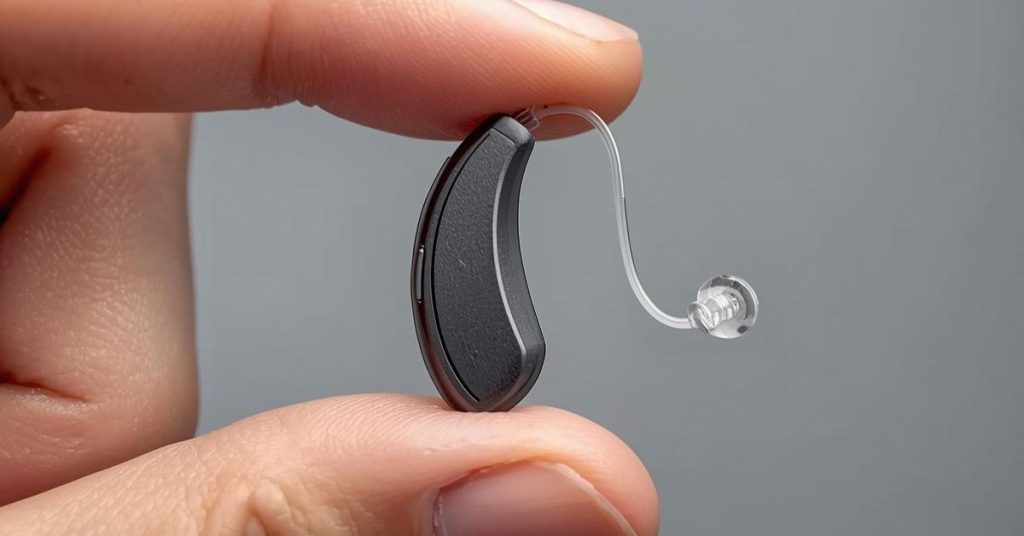
For individuals who like the idea of discreet hearing support but find invisible hearing aids unsuitable, there are several excellent alternatives that offer a balance of cosmetic appeal, comfort, and advanced technology. One of the most popular options is the Receiver-in-the-Canal (RIC) style. These devices place most components behind the ear while using a thin, nearly invisible wire to connect to a small speaker inside the ear canal. RIC models are lightweight, discreet, and typically offer more features than invisible devices, including Bluetooth connectivity, rechargeable batteries, and sophisticated noise reduction.
Another option is the mini Behind-the-Ear (mini-BTE) design. These devices still rest behind the ear but are smaller and more streamlined than traditional BTE models. The tubing is thin and subtle, making them less noticeable while still offering durability and ease of handling. Mini-BTEs are often recommended for people with dexterity challenges because they are easier to clean, maintain, and insert than tiny canal devices.
For those who prioritize performance over complete invisibility, In-the-Canal (ITC) hearing aids provide a good middle ground. They are larger than IIC and CIC styles but still sit partially inside the ear canal, offering discreetness without sacrificing features. Their slightly larger size allows for dual microphones, enhanced background noise management, and convenient controls that are easier to use. Many adults find ITC models comfortable and capable, especially in situations where hearing clarity matters more than absolute concealment.
Conclusion
Invisible hearing aids offer a compelling blend of discretion, comfort, and natural sound quality, making them an appealing option for many adults who want a subtle hearing solution. Their deep-in-the-canal placement allows users to enjoy clearer listening experiences without the visibility of traditional behind-the-ear devices. For individuals who value appearance and simplicity, these tiny devices can make re-engaging with conversations, social events, and daily activities feel more natural and confident.
However, as with any hearing technology, invisible hearing aids come with limitations. Their small size restricts battery life, reduces available features, and may make them difficult to handle for those with dexterity challenges. They may also be unsuitable for individuals with more severe hearing loss or ear canal shapes that don’t comfortably accommodate deep insertion. Understanding these limitations ensures that your hearing aid choice supports both your hearing health and your lifestyle needs.
Ultimately, choosing the right hearing aid is a highly personal decision—one best made with guidance from a qualified hearing care professional. By weighing the pros and cons carefully and exploring alternatives, you can select a device that enhances not just your hearing, but your confidence and overall quality of life.
FAQ
What makes a hearing aid “invisible”?
Invisible hearing aids sit deep inside the ear canal, typically using IIC or CIC styles that are custom-molded to each user’s ear. Their position makes them nearly impossible for others to see, offering a level of discretion that many adults appreciate.
Are invisible hearing aids good for severe hearing loss?
No. Because they are so small, invisible hearing aids generally lack the power needed for moderate-to-severe or complex hearing loss. They are best suited for mild to moderate hearing loss and for individuals who don’t require advanced directional microphones or high-level amplification.
Do invisible hearing aids fall out easily?
When properly fitted, invisible hearing aids usually stay securely in place. However, because they sit deep in the ear canal, individuals with narrow or angled canals may experience discomfort or retention issues. A professional fitting ensures the best result.
Can I get Bluetooth or rechargeable options in invisible hearing aids?
Most invisible models do not offer wireless streaming or rechargeability due to size limitations. Larger styles like RIC or ITC hearing aids are better choices for users who want Bluetooth connectivity, smartphone controls, or rechargeable batteries.
How long do batteries last in invisible hearing aids?
Battery life is typically shorter—sometimes only a few days—because these devices rely on the smallest battery sizes. Frequent replacement is common, which can be challenging for individuals with dexterity issues or vision impairments.
This article is for informational purposes only and is not a substitute for professional medical advice, diagnosis, or treatment. If you are concerned about your hearing or ear health, please consult a qualified healthcare provider.