Living with hearing loss can be challenging, but it is far more common than many people realise, particularly as we get older. Age-related hearing loss affects millions of adults worldwide and often develops gradually, making it easy to overlook at first. You may notice that conversations become harder to follow, especially in noisy environments, or that the television volume seems to creep higher over time. While these changes can be frustrating, it is important to understand that hearing loss does not have to limit your enjoyment of everyday life.
For many people, the biggest difficulty is not just the physical change in hearing, but the impact it has on confidence, communication, and social connection. Misunderstanding what others say, asking for frequent repetition, or avoiding group conversations can lead to embarrassment or withdrawal. Over time, this can affect relationships, independence, and emotional wellbeing. The good news is that with the right strategies and support, these challenges can be managed effectively.
Practical tips for living with hearing loss focus on small, achievable adjustments rather than drastic changes. Simple communication techniques, thoughtful use of technology, and increased awareness of listening environments can make a meaningful difference. Learning how to advocate for your hearing needs and educating those around you can also reduce frustration and improve understanding on both sides of a conversation. Importantly, these approaches help you stay engaged, connected, and confident in daily life.
This article is designed to provide clear, practical advice for people living with hearing loss, as well as for family members and caregivers who want to offer better support. Whether you are newly diagnosed, considering hearing aids, or have been managing hearing loss for some time, the tips that follow are intended to help you navigate everyday situations with greater ease. By taking a proactive approach, it is possible to improve communication, reduce stress, and continue enjoying the activities and relationships that matter most.
Understanding Hearing Loss and Its Daily Impact
Hearing loss is not a single condition but a broad term that describes a range of hearing difficulties, each with different causes and effects. Understanding the type of hearing loss you have can help you make sense of the challenges you face and choose the most effective strategies to manage them. The most common form in adults over 50 is age-related hearing loss, also known as presbycusis. This typically develops gradually and affects the ability to hear higher-pitched sounds or follow speech, especially in noisy environments.
Other types of hearing loss include noise-induced hearing loss, which results from prolonged exposure to loud sounds, and sensorineural hearing loss, caused by damage to the inner ear or auditory nerve. Conductive hearing loss occurs when sound is blocked from reaching the inner ear, often due to earwax build-up, fluid, or infections. Some people may experience a combination of these types. While the medical details can feel overwhelming, the key takeaway is that hearing loss affects how clearly sounds are heard, not just how loudly.
In everyday life, hearing loss often shows up in subtle but persistent ways. Conversations may sound muffled, people may seem to mumble, or certain voices may be harder to understand than others. Background noise in places like cafés, supermarkets, or family gatherings can make it especially difficult to follow what is being said. Phone calls and television programmes may also become more challenging, particularly when speech is fast or unclear.
The impact of hearing loss goes beyond communication. Many people report feeling tired after long conversations because listening requires more concentration. This is known as listening fatigue and can lead to headaches, irritability, or a desire to withdraw from social situations. Over time, repeated communication difficulties can affect confidence and contribute to feelings of frustration, loneliness, or low mood.
Recognising these daily impacts is an important step toward managing hearing loss effectively. It helps explain why certain situations feel more demanding and why practical adjustments are necessary rather than optional. By understanding how hearing loss affects you personally, you can begin to identify which environments, activities, or conversations are most challenging and apply targeted strategies to make them easier. With the right knowledge and support, it is possible to reduce the daily strain of hearing loss and maintain an active, fulfilling lifestyle.
Practical Communication Tips for Everyday Situations
Clear communication is one of the biggest challenges for people living with hearing loss, but small adjustments can make a significant difference. One of the most effective strategies is positioning. Whenever possible, face the person you are speaking with and encourage them to face you as well. Seeing facial expressions, lip movements, and body language provides valuable visual cues that support understanding, even if you do not rely fully on lip-reading. Good lighting is also important, as shadows or bright light behind a speaker can make it harder to see their face clearly.
Reducing background noise is another key step in improving communication. Turning off the television or radio during conversations, choosing quieter seating in restaurants, or moving to a less crowded room can help speech stand out more clearly. In group situations, sitting where you can see most people’s faces, such as at the centre of a table, can make it easier to follow the flow of conversation. Do not hesitate to ask people to speak one at a time, especially during lively family gatherings.
Advocating for your hearing needs is an important skill that many people find difficult at first. Letting others know that you have hearing loss and explaining how they can help can reduce misunderstandings and frustration. Simple requests, such as asking someone to speak a little more clearly, repeat a word, or rephrase a sentence rather than just speaking louder, are often very effective. Most people are happy to help once they understand what you need.
For family members, friends, and caregivers, communication works best when it is respectful and patient. Speaking clearly at a natural pace, using plain language, and avoiding shouting can make conversations more comfortable for everyone. It also helps to get the listener’s attention before speaking and to confirm understanding when discussing important information. Written notes, text messages, or follow-up emails can be useful for appointments, plans, or instructions.
These practical communication tips are not about perfection but about creating habits that support clearer understanding and reduce stress. Over time, using these strategies consistently can improve confidence and make everyday interactions feel less effortful. With open communication and a willingness to adapt, both people with hearing loss and those around them can enjoy more positive and meaningful conversations.
Making the Most of Hearing Aids and Assistive Devices
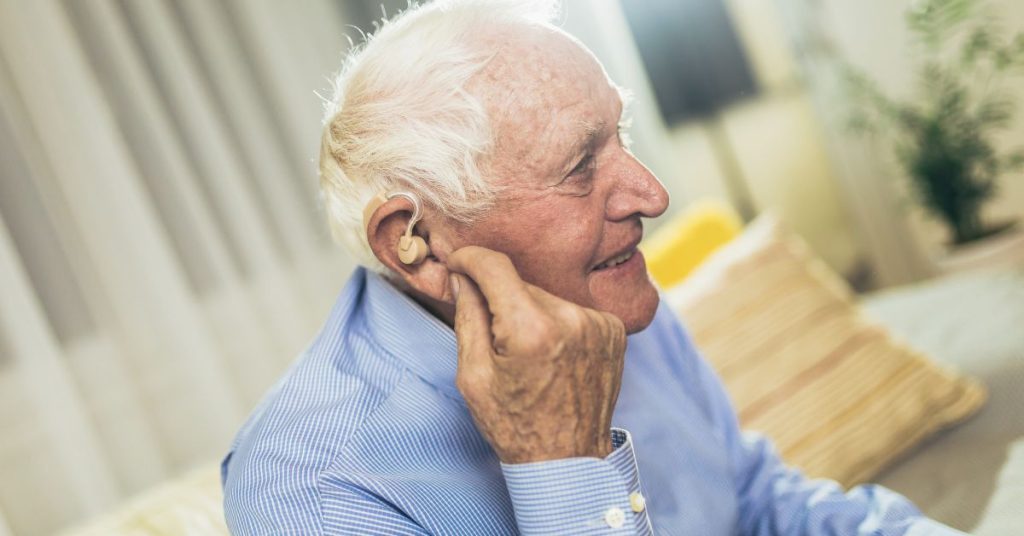
Hearing aids and assistive listening devices can play a vital role in managing hearing loss, but they work best when used consistently and correctly. For many people, adjusting to hearing aids takes time and patience. Sounds may seem unusually sharp or unfamiliar at first, as the brain needs time to relearn how to process them. Wearing hearing aids regularly, even at home in quieter settings, helps speed up this adjustment and improves overall comfort and effectiveness.
Proper maintenance is essential for hearing aids to perform well. Regular cleaning, safe storage, and timely battery changes or charging can prevent many common issues. Moisture, earwax, and dust can interfere with sound quality, so following the care instructions provided by your audiologist is important. Routine check-ups allow settings to be fine-tuned as your hearing needs change and ensure the devices continue to support you effectively.
Beyond hearing aids, a range of assistive listening devices can make everyday activities easier. Amplified telephones, television listening systems, and personal microphones can improve clarity in specific situations. Many modern hearing aids also connect to smartphones, tablets, and televisions via Bluetooth, allowing sound to stream directly to your ears. Learning how to use these features can significantly enhance listening comfort and reduce strain, especially when watching TV or making phone calls.
It is also important to have realistic expectations. Hearing aids do not restore hearing to normal, but they can greatly improve access to sounds and speech. Combining hearing aids with good communication strategies and environmental adjustments leads to the best outcomes. If something does not feel right, such as discomfort or poor sound quality, it is always worth seeking advice rather than struggling in silence.
Making the most of hearing aids and assistive devices is about viewing them as tools that support independence and quality of life. With the right guidance and a willingness to practise, these technologies can help you stay connected, confident, and engaged in everyday activities.
Managing Social Situations and Reducing Listening Fatigue
Social situations are often where hearing loss feels most challenging. Background noise, multiple speakers, and fast-moving conversations can make it difficult to follow what is being said. Planning ahead can help reduce these difficulties. Choosing quieter venues, visiting restaurants during off-peak hours, or requesting a table away from kitchens or speakers can improve listening conditions. Letting others know in advance that you may need a little extra consideration can also set realistic expectations and reduce pressure.
During group conversations, positioning is key. Sitting where you can see as many faces as possible allows you to pick up visual cues that support understanding. Do not be afraid to guide the conversation by asking people to speak one at a time or to repeat important points. Taking an active role can make social interactions feel more manageable and less overwhelming.
Listening fatigue is a common but often overlooked aspect of hearing loss. Because the brain has to work harder to fill in gaps, extended listening can be exhausting. You may notice that you feel drained, irritable, or unfocused after social events. Recognising these signs is important. Taking regular breaks, stepping outside for fresh air, or allowing yourself some quiet time can help prevent exhaustion from building up.
It is also helpful to balance social activity with rest. You do not need to attend every event or stay for the entire duration to remain socially connected. Shorter, more frequent interactions may be more enjoyable and sustainable than long, noisy gatherings. Using hearing aids or assistive devices consistently in social settings can also reduce the effort required to listen, helping to conserve energy.
Managing social situations with hearing loss is about finding what works best for you. By combining practical planning, clear communication, and self-awareness, you can continue to enjoy social connections without feeling overwhelmed. Protecting your energy and comfort is not a sign of withdrawal but a positive step toward maintaining long-term wellbeing.
Supporting Emotional Wellbeing and Confidence
Hearing loss affects more than just the ears; it can have a significant emotional impact as well. Many people experience frustration, embarrassment, or a loss of confidence when communication becomes difficult. You may worry about mishearing others, responding inappropriately, or appearing disengaged. Over time, these concerns can lead to anxiety in social situations or a tendency to withdraw, which can increase feelings of loneliness and isolation.
Acknowledging these emotions is an important first step. Hearing loss is a health condition, not a personal failing, and it is entirely reasonable to find it challenging. Talking openly with trusted friends, family members, or caregivers about how hearing loss affects you can reduce misunderstandings and help you feel supported. When those around you understand your experience, they are better able to offer patience and practical help.
Building confidence often involves small, gradual steps. Practising communication strategies, using hearing aids or assistive devices consistently, and choosing environments where you feel comfortable can all contribute to a greater sense of control. Many people also find it helpful to focus on what is going well, rather than on occasional misunderstandings. Each positive interaction reinforces the idea that effective communication is possible.
Professional and peer support can also make a meaningful difference. Audiologists, hearing therapists, and support groups provide not only practical advice but also reassurance that you are not alone. Connecting with others who have similar experiences can be particularly empowering, as it allows you to share tips, challenges, and successes in a safe and understanding environment.
Supporting emotional wellbeing is an essential part of living well with hearing loss. By prioritising self-compassion, seeking support, and staying engaged in activities you enjoy, it is possible to maintain confidence and a positive outlook. Hearing loss may change how you interact with the world, but it does not define who you are or limit your ability to lead a fulfilling life.
Conclusion
Living with hearing loss presents daily challenges, but with the right approach, it is entirely possible to continue leading a full, active, and connected life. Understanding how hearing loss affects you personally is the foundation for managing it effectively. When you recognise the situations that are most difficult and why they are challenging, you can begin to make informed choices that reduce frustration and improve communication.
Practical strategies play a central role in everyday success. Simple adjustments, such as improving lighting, reducing background noise, and positioning yourself thoughtfully in conversations, can make a noticeable difference. Making the most of hearing aids and assistive devices, alongside regular maintenance and professional support, helps ensure you get the best possible benefit from available technology. These tools work best when combined with clear communication habits and realistic expectations.
Equally important is caring for your emotional wellbeing. Hearing loss can affect confidence, energy levels, and social enjoyment, but acknowledging these impacts allows you to address them proactively. Taking breaks, managing listening fatigue, and seeking support from professionals or peer groups can help you stay engaged without becoming overwhelmed. Open communication with family, friends, and caregivers fosters understanding and reduces unnecessary stress.
Ultimately, living with hearing loss is about adaptation rather than limitation. By using practical tips, advocating for your needs, and prioritising both physical and emotional health, you can remain independent and connected to the people and activities that matter most. Hearing loss may change how you hear the world, but it does not have to diminish your quality of life.
FAQ
What are the first steps to take after being diagnosed with hearing loss?
After a hearing loss diagnosis, it is important to take time to understand your results and what they mean for your daily life. Scheduling follow-up appointments with an audiologist can help you explore treatment options, such as hearing aids or assistive listening devices. Learning basic communication strategies and sharing your diagnosis with close family or friends can also make the adjustment easier and reduce misunderstandings early on.
Do hearing aids work for all types of hearing loss?
Hearing aids are most effective for sensorineural hearing loss, which is the most common type in adults, including age-related and noise-induced hearing loss. They may also help in some cases of mixed hearing loss. However, hearing aids are not suitable for every situation, such as certain medical conditions affecting the ear. A hearing professional can advise on the most appropriate options based on your individual needs.
How can I reduce listening fatigue during the day?
Listening fatigue can be managed by taking regular breaks from demanding listening environments and allowing yourself periods of quiet. Using hearing aids or assistive devices consistently can reduce the effort required to listen. Planning social activities thoughtfully and spreading them out rather than clustering them together can also help conserve energy and prevent exhaustion.
How can family members better support someone with hearing loss?
Family members can help by speaking clearly, facing the person when talking, and reducing background noise during conversations. Being patient, avoiding shouting, and rephrasing rather than repeating the same words can improve understanding. Most importantly, showing empathy and willingness to adapt helps create a supportive communication environment.
Is it normal to feel emotional or frustrated about hearing loss?
Yes, emotional reactions such as frustration, sadness, or anxiety are very common among people with hearing loss. These feelings are a natural response to communication challenges and lifestyle changes. Seeking professional support, joining peer groups, or simply talking openly about your experience can help you manage these emotions and maintain a positive outlook.
This article is for informational purposes only and is not a substitute for professional medical advice, diagnosis, or treatment. If you are concerned about your hearing or ear health, please consult a qualified healthcare provider.