
Music is one of life’s greatest pleasures, offering joy, emotional connection, and even health benefits. From attending live concerts to listening to your favorite playlist at home, music surrounds us daily. But amid the enjoyment, there’s an often-overlooked risk: hearing damage. For music lovers, exposure to loud sounds—whether from headphones, speakers, or live performances—can gradually lead to noise-induced hearing loss.
Hearing loss can develop slowly, often going unnoticed until communication or everyday sounds become challenging. This makes prevention crucial, especially for adults 50+ who may already experience age-related changes in hearing. The good news is that with awareness, practical habits, and the right protective tools, you can enjoy music safely without sacrificing sound quality.
In this guide, we’ll explore the science behind hearing risks, introduce effective protective gear, provide safe listening strategies for daily life, and highlight ways to care for your ears beyond just reducing noise exposure. Whether you’re a casual listener or a die-hard concertgoer, these tips will help ensure your love of music doesn’t come at the cost of your hearing health.
Understanding the Risks: How Music Affects Hearing
Music can be a source of immense pleasure, but it can also pose significant risks to your hearing if proper precautions aren’t taken. Noise-induced hearing loss (NIHL) is one of the most common types of hearing damage, and it occurs when the delicate hair cells in the inner ear are damaged by prolonged exposure to loud sounds. Unlike other types of hearing loss, NIHL is permanent—once these hair cells are gone, they cannot regenerate.
Loud Music and Decibel Levels
The volume of the music you listen to plays a crucial role in hearing health. Sounds are measured in decibels (dB), and prolonged exposure to anything above 85 dB can be harmful. To put this in perspective: a typical conversation is around 60 dB, a busy city street about 80 dB, and a rock concert can easily reach 110–120 dB. The higher the volume, the shorter the safe exposure time. For example, at 100 dB, the safe listening window drops to just 15 minutes before risk of damage increases.
Headphones and Earbuds
Headphones and earbuds bring sound directly into your ear canal, sometimes at volumes higher than recommended. Listening to music at high levels for long periods can be particularly dangerous because the proximity amplifies the intensity. Continuous use of in-ear devices without breaks can accelerate damage, even if the music doesn’t feel excessively loud.
Live Music and Concerts
Concerts and festivals are a favorite for many music enthusiasts, but live performances often exceed safe decibel limits. While the energy and atmosphere are unforgettable, repeated exposure to high volumes without protection can result in temporary ringing in the ears (tinnitus) or permanent hearing loss over time.
Early Warning Signs
Recognizing early signs of hearing damage is essential. These can include difficulty understanding speech in noisy environments, persistent ringing or buzzing in the ears, and needing to increase volume on devices more than usual. Taking these signals seriously can prevent further deterioration.
By understanding the risks and the science behind how music affects hearing, you’re better equipped to take proactive steps. Protective strategies, proper listening habits, and smart use of technology can preserve your hearing without giving up the joy of music.
Choosing the Right Hearing Protection
Protecting your hearing doesn’t mean you have to sacrifice your love of music. The right hearing protection can reduce harmful noise levels while still allowing you to enjoy the richness and clarity of sound. Choosing the proper protection depends on your listening environment, frequency of exposure, and personal preferences.
Musician’s Earplugs
Musician’s earplugs are designed specifically for music enthusiasts and performers. Unlike standard foam earplugs that muffle sound, musician’s earplugs reduce volume evenly across frequencies, preserving the quality and fidelity of music. They typically come in reusable or custom-molded options and are ideal for concerts, band practices, or even casual live shows. Custom-fitted models provide the most comfort and consistent attenuation.
Noise-Cancelling Headphones
Noise-cancelling headphones can protect your ears by reducing background noise, which allows you to listen at lower volumes. By minimizing external sounds, these headphones help prevent you from turning up the volume to compensate. Over-ear models with good seals are particularly effective for daily commuting, home listening, or office environments where music helps focus.
In-Ear Monitors
For serious musicians or audiophiles, in-ear monitors (IEMs) are a valuable investment. IEMs provide precise audio reproduction at lower volumes, reducing the risk of hearing damage during rehearsals or live performances. Many high-quality models include customizable ear tips to ensure a secure fit and optimal sound isolation.
Foam and Standard Earplugs
Even simple foam or pre-molded earplugs can make a significant difference in high-decibel environments. While they may reduce sound clarity slightly, they are a quick, affordable option for concerts, festivals, or other loud gatherings. For occasional use, they are better than no protection at all.
Tips for Using Hearing Protection Effectively
Consistency is key: Always wear protection when exposure is prolonged or above 85 dB.
Fit matters: Properly fitted earplugs or headphones maximize protection.
Combine strategies: For extremely loud environments, consider combining earplugs with over-ear protection.
Maintenance: Keep earplugs and headphones clean and replace worn-out devices to maintain effectiveness.
By selecting the right hearing protection and using it consistently, music lovers can enjoy concerts, practice sessions, and daily listening without putting their long-term hearing at risk.
Safe Listening Habits for Daily Life
Protecting your hearing isn’t just about gear—it’s also about developing safe listening habits that fit into your daily routine. By managing volume, limiting exposure time, and creating mindful listening practices, you can enjoy music while keeping your ears healthy.
Monitor Volume Levels
One of the simplest ways to protect your hearing is to keep the volume at a safe level. A general rule of thumb is the “60/60 rule”: listen at no more than 60% of the maximum volume for no more than 60 minutes at a time. Many smartphones and music apps now include volume warnings or limits—use them to prevent accidental overexposure.
Take Listening Breaks
Continuous exposure to sound, even at moderate levels, can strain your ears. Incorporate regular breaks during long listening sessions to allow your ears to rest. This is especially important for headphone users, musicians, and concertgoers. Even a 5–10 minute break every hour can significantly reduce the risk of hearing damage.
Be Mindful of Your Environment
Listening habits should adapt to your surroundings. In noisy environments like public transport or crowded streets, resist the urge to raise the volume excessively. Noise-cancelling headphones can help reduce the need for higher volume in these situations. At home, try keeping ambient music at a comfortable, conversational level.
Limit High-Risk Activities
Certain activities—like attending multiple loud concerts in a short period—can increase cumulative hearing risk. Plan ahead by spacing out exposure to high-decibel events, and always bring ear protection when attending live performances. If you’re a musician, monitor the volume during rehearsals and performances.
Use Technology to Your Advantage
Many modern devices offer features to help protect hearing. Decibel meters, volume-limiting headphones, and apps that track listening time and sound levels can keep you aware of your exposure. Setting alerts when volumes exceed safe thresholds is a proactive way to prevent accidental overexposure.
Educate Yourself and Others
Understanding the risks and safe practices can help you make better choices and encourage those around you to do the same. If you’re a caregiver or family member of a music lover, share tips and model good listening habits to reinforce the importance of hearing protection.
By incorporating these safe listening habits into everyday life, you can continue enjoying your favorite music without compromising your long-term hearing health.
Caring for Your Ears Beyond Protection
While hearing protection and safe listening habits are crucial, maintaining overall ear health involves more than just limiting exposure to loud sounds. Caring for your ears holistically can help prevent complications, support long-term hearing, and ensure you continue enjoying music safely.
Regular Hearing Checkups
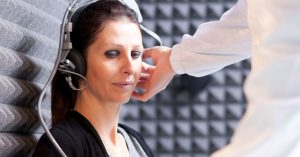
One of the most important steps in ear care is scheduling routine hearing assessments. Annual or biennial checkups with an audiologist can detect early signs of hearing loss before it becomes noticeable. Early detection allows for timely interventions, whether through hearing aids, protective strategies, or lifestyle adjustments, helping preserve your auditory health.
Ear Hygiene
Maintaining clean ears without causing harm is essential. Avoid using cotton swabs deep in the ear canal, as they can push wax further in or damage sensitive structures. Instead, use gentle cleaning methods such as soft cloths or over-the-counter ear drops designed to safely remove excess wax. Keeping ears clean reduces the risk of infections that can affect hearing.
Manage Tinnitus and Ear Ringing
Many music lovers experience occasional ringing in the ears, known as tinnitus, especially after loud events. Persistent tinnitus can be an early indicator of hearing damage. If you notice prolonged ringing, consult an audiologist for evaluation and guidance. Managing stress, limiting caffeine, and protecting your ears from further loud exposure can help mitigate symptoms.
Lifestyle Habits That Support Hearing
Certain lifestyle choices can influence ear health. Maintaining cardiovascular health through regular exercise and a balanced diet improves blood flow to the inner ear, which is crucial for auditory function. Avoiding smoking and excessive alcohol consumption also supports hearing, as these habits can impair circulation and contribute to hearing loss over time.
Stay Informed About Hearing Health
Technology and research are constantly evolving, offering new ways to protect and monitor hearing. Staying informed about advancements in hearing protection, apps, and devices ensures you have access to the latest tools for safe listening. Subscribing to audiology newsletters or following reputable hearing health resources can keep you updated.
By combining these ear care practices with protective gear and safe listening habits, you create a comprehensive strategy to safeguard your hearing. This approach not only reduces the risk of hearing loss but also enhances your overall enjoyment of music, ensuring your auditory experiences remain vibrant and clear for years to come.
Technology and Apps That Support Hearing Health
In today’s digital age, technology offers music lovers innovative tools to protect their hearing. From monitoring sound exposure to customizing listening experiences, these devices and apps help you enjoy music safely without constant guesswork.
Decibel Meters and Sound Level Monitors
Decibel meters measure the loudness of your environment in real time, helping you understand when sound levels become potentially harmful. Many smartphones include built-in sound measurement apps, and standalone devices are available for more precise readings. Using these tools at concerts, festivals, or even home listening sessions allows you to take immediate action, such as turning down volume or using ear protection.
Hearing Test Apps
Several apps provide hearing assessments that can be done at home, giving you insight into your auditory health. These tests often measure frequency sensitivity and detect early signs of hearing loss. While they don’t replace professional evaluations, they are a convenient way to monitor changes over time and prompt timely audiologist visits if needed.
Smart Headphones and Volume-Limiting Devices
Many modern headphones include features that limit maximum volume or automatically adjust sound levels based on ambient noise. Some models even track your listening habits and provide alerts if you exceed recommended exposure times. These smart devices integrate protection seamlessly into your daily music experience, making safe listening effortless.
Personal Audio Profiles
Certain apps and devices allow you to create customized audio profiles based on your hearing sensitivity. These profiles adjust frequencies and volume to optimize sound while minimizing strain on your ears. Musicians, audiophiles, and casual listeners alike can benefit from tailored sound settings that preserve music quality without compromising hearing health.
Online Resources and Alerts
Websites, podcasts, and online communities dedicated to hearing health provide valuable tips, research updates, and reminders about safe listening. Some services send notifications about concerts or public events with high noise levels, helping you plan ear protection strategies in advance.
By leveraging technology and apps, music lovers can take a proactive role in protecting their hearing. These tools not only raise awareness but also provide practical solutions to prevent damage while still enjoying rich, immersive audio experiences.
Conclusion
Enjoying music is one of life’s greatest pleasures, and with the right strategies, it doesn’t have to come at the cost of your hearing. From understanding the risks of loud sounds to choosing appropriate protective gear and adopting safe listening habits, there are many ways to safeguard your auditory health.
Protecting your hearing is a combination of prevention, awareness, and proactive care. Regular checkups, proper ear hygiene, and lifestyle choices that support ear health complement the use of earplugs, noise-cancelling headphones, and smart technology. By integrating these practices into your daily routine, you can continue enjoying concerts, playlists, and personal listening sessions without worry.
Ultimately, preserving your hearing allows you to maintain a lifelong connection with music, ensuring that every note, beat, and melody remains vibrant and clear. Whether you’re a casual listener or a dedicated musician, taking steps today can prevent long-term damage and enhance your musical experiences for years to come.
FAQ
What are the safest types of earplugs for music lovers?
Musician’s earplugs are the safest option for music enthusiasts because they reduce volume evenly across all frequencies, preserving sound quality while protecting your ears. Foam or pre-molded earplugs are also effective for high-decibel environments, though they may slightly alter sound clarity. Custom-molded musician’s earplugs offer the best combination of comfort, protection, and sound fidelity.
How can I enjoy concerts without damaging my hearing?
To protect your hearing at concerts, wear high-fidelity earplugs, maintain a reasonable distance from speakers, and limit your exposure time. Taking short breaks away from loud areas and monitoring sound levels with a decibel meter or smartphone app can also help reduce the risk of hearing damage.
How long can I safely listen to music through headphones?
A general guideline is the 60/60 rule: listen at no more than 60% of the maximum volume for no more than 60 minutes at a time. Taking breaks between sessions allows your ears to rest and reduces cumulative exposure to potentially harmful sound levels.
Are there apps that help protect my hearing?
Yes, there are apps that measure decibel levels, conduct hearing tests, track listening habits, and provide alerts when volume exceeds safe limits. Smart headphones often integrate similar features, automatically adjusting sound levels to prevent overexposure.
Can lifestyle choices impact my hearing health?
Absolutely. Maintaining cardiovascular health through exercise, eating a balanced diet, avoiding smoking and excessive alcohol, and managing stress all support healthy blood flow to the inner ear. These lifestyle habits complement protective strategies and help preserve hearing over time.
This article is for informational purposes only and is not a substitute for professional medical advice, diagnosis, or treatment. If you are concerned about your hearing or ear health, please consult a qualified healthcare provider.