Noise exposure in teenagers has become an increasingly serious public health concern, yet it often goes unnoticed until damage has already been done. Today’s teenagers are growing up in a far louder world than previous generations, surrounded by constant sound from smartphones, streaming music, gaming systems, social media videos, concerts, and busy social environments. While noise has always been part of daily life, the intensity, frequency, and duration of exposure have increased dramatically, placing young hearing at risk during a critical stage of development.
Teenage ears may seem resilient, but they are not immune to damage. In fact, the inner ear is particularly vulnerable to loud sounds, regardless of age. The difference is that teenagers often do not recognise the early signs of hearing damage, or they may dismiss them as temporary or unimportant. Ringing in the ears after a concert, turning up the volume to drown out background noise, or struggling to follow conversations in busy places can all be early warning signs. When these signals are ignored, repeated noise exposure can lead to permanent hearing loss that follows a young person into adulthood.
One of the challenges in addressing noise exposure in teenagers is perception. Hearing loss is often associated with ageing, leading many parents, caregivers, and teenagers themselves to believe it is not something to worry about until much later in life. However, research consistently shows that noise-induced hearing damage is cumulative. This means that the harm caused by loud sounds adds up over time, and damage sustained during the teenage years can accelerate hearing difficulties decades earlier than expected.
The impact of early hearing damage goes beyond the ears. Hearing plays a vital role in communication, learning, social interaction, and emotional wellbeing. For teenagers, who are navigating education, friendships, and identity, even mild hearing difficulties can affect confidence, academic performance, and mental health. Difficulty hearing in classrooms, increased listening effort, or feeling isolated in social situations can all stem from unrecognised hearing damage linked to noise exposure.
The encouraging news is that noise-induced hearing loss is largely preventable. With greater awareness, education, and practical strategies, teenagers can continue to enjoy music, entertainment, and social activities without sacrificing their long-term hearing health. Prevention does not require eliminating sound or technology from teenage life, but rather understanding safe listening levels, recognising risky situations, and making small, informed changes that protect hearing for the future.
Common Sources of Noise Exposure in Teenagers
Teenagers today are exposed to loud sounds in more ways than ever before, often without realising how quickly safe listening limits can be exceeded. Many of these noise sources are part of everyday life and are socially normalised, which makes the risks easier to overlook. Understanding where excessive noise exposure comes from is an important first step in protecting teenage hearing.
One of the most significant sources of noise exposure in teenagers is personal listening devices, such as smartphones, tablets, and music players. Earbuds and headphones can deliver sound directly into the ear canal at volumes that may reach or exceed 100 decibels, particularly when used in noisy environments like public transport or busy streets. At these levels, hearing damage can occur in as little as 15 minutes. Teenagers may increase the volume to block out background noise, unaware that this habit significantly raises the risk of noise-induced hearing loss.
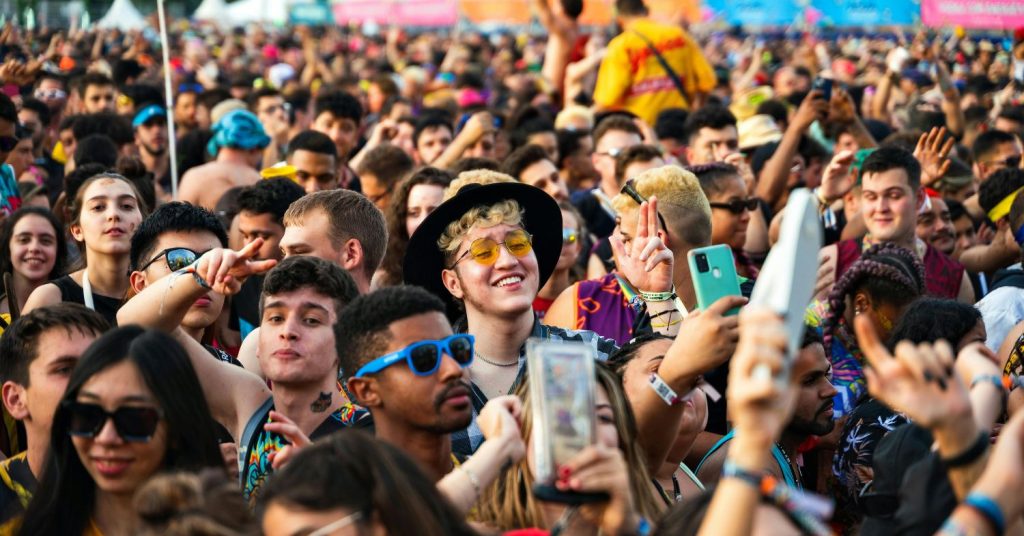
Live music events and concerts are another major contributor. Music festivals, gigs, and nightclubs often produce sound levels well above safe thresholds, sometimes exceeding 110 decibels. Teenagers attending these events may experience temporary ringing in the ears or muffled hearing afterwards, a sign that the ears have been overstressed. While these symptoms may fade, repeated exposure can lead to permanent damage over time, especially when hearing protection is not used.
Gaming has also emerged as a common but underappreciated source of noise exposure. Many teenagers spend hours using gaming headsets that deliver loud, continuous sound directly to the ears. Competitive gaming can encourage higher volumes to hear in-game details or communicate with teammates, leading to prolonged exposure at unsafe levels. Because gaming sessions can last several hours, the cumulative effect on hearing can be significant.
Sporting events and social gatherings can also pose risks. Stadiums, school sports matches, and crowded social spaces often involve loud music, cheering, and amplified announcements. Teenagers may not associate these environments with hearing damage, yet sound levels can be high enough to cause harm, particularly when exposure is frequent.
Even everyday environments, such as noisy classrooms, public transport, and part-time workplaces, can contribute to overall noise exposure. When combined, these sources create a constant background of sound that adds up over time. For teenagers, whose listening habits are still developing, this cumulative exposure can quietly increase the risk of long-term hearing problems.
How Loud Noise Affects Teenage Hearing
To understand why noise exposure in teenagers is such a concern, it helps to know how hearing works and how loud sounds can cause lasting damage. The ear is a delicate and complex system, and once certain structures are harmed, they cannot be repaired. This makes early prevention especially important during the teenage years.
Sound waves travel through the ear canal and cause vibrations in the middle ear, which are then passed to the inner ear, known as the cochlea. Inside the cochlea are thousands of tiny sensory hair cells that convert sound vibrations into electrical signals for the brain to interpret. These hair cells are essential for hearing clearly, especially for understanding speech and distinguishing different sounds. Loud noise can overstimulate these cells, causing them to bend, become damaged, or die.
When teenagers are exposed to very loud sounds, such as music played at high volume through headphones or at concerts, the hair cells can become temporarily fatigued. This often results in short-term symptoms like muffled hearing or ringing in the ears. While hearing may seem to return to normal after a few hours or days, the damage is not always fully reversible. Repeated exposure to loud noise can lead to permanent loss of hair cells, resulting in long-term hearing difficulties.
One of the challenges with noise-induced hearing loss is that it develops gradually. Teenagers may not notice small changes in their hearing, particularly because the brain is highly adaptable and learns to compensate for reduced input. As a result, hearing damage can progress silently for years before becoming obvious. By the time difficulties with understanding speech or following conversations emerge, significant and irreversible damage may have already occurred.
Another important factor is duration of exposure. Hearing damage is influenced not only by how loud a sound is, but also by how long a person is exposed to it. Listening to moderately loud music for several hours can be just as harmful as a short burst of extremely loud noise. Teenagers who spend long periods using headphones, gaming, or attending loud events are therefore at increased risk, even if the volume does not seem extreme.
Teenage hearing is not inherently more fragile than adult hearing, but the behaviours and environments associated with adolescence increase vulnerability. Habits formed during these years, such as listening at high volumes or ignoring early warning signs, can set the stage for lifelong hearing problems. Understanding how loud noise affects the ears helps highlight why early education and protective strategies are so crucial.
Early Warning Signs of Hearing Damage in Teenagers
One of the most concerning aspects of noise exposure in teenagers is how easily early signs of hearing damage can be overlooked or ignored. Because hearing loss is often gradual and painless, teenagers may not realise that anything is wrong until the damage becomes more noticeable. Recognising the early warning signs is essential for preventing further harm and encouraging timely intervention.
Ringing, buzzing, or hissing sounds in the ears, known as tinnitus, are among the most common early indicators of noise-related hearing damage. Teenagers may experience tinnitus after attending a concert, using headphones at high volume, or spending long hours gaming. While this ringing may fade, even temporary tinnitus is a sign that the ears have been overstressed. Repeated episodes increase the likelihood that tinnitus could become persistent or permanent over time.
Another early sign is temporary hearing changes, such as muffled or dulled sound perception. Teenagers might notice that sounds seem less clear after exposure to loud noise, or that their ears feel “full” or blocked. These changes are often dismissed as normal or harmless, especially if hearing appears to return to normal after rest. However, each episode can contribute to cumulative damage within the inner ear.
Difficulty understanding speech, particularly in noisy environments, is another subtle but important warning sign. Teenagers with early hearing damage may struggle to follow conversations in classrooms, social gatherings, or busy public places. They might frequently ask others to repeat themselves or rely more heavily on lip-reading without realising it. Because these situations are common and often noisy, the problem may be attributed to the environment rather than hearing ability.
Behavioural changes can also provide clues. Turning up the volume on devices, televisions, or car radios higher than usual may indicate reduced hearing sensitivity. Teenagers may also appear less engaged in conversations, withdraw from social interactions, or become frustrated in group settings. These changes are sometimes misinterpreted as disinterest or typical teenage behaviour, rather than potential hearing difficulties.
Parents, caregivers, and educators play a key role in spotting these early signs. Teenagers may not report symptoms because they do not recognise their significance or may fear restrictions on their activities. Open conversations about hearing health, combined with regular hearing checks when concerns arise, can help identify problems early. Addressing these warning signs promptly can prevent further damage and support better long-term hearing outcomes.
Long-Term Consequences of Teenage Noise Exposure
Noise exposure in teenagers does not just pose an immediate risk to hearing; it can have far-reaching consequences that extend well into adulthood. Because noise-induced hearing damage is cumulative and irreversible, early exposure can accelerate the onset and severity of hearing difficulties later in life. Understanding these long-term effects helps underline why prevention during the teenage years is so important.
One of the most significant long-term consequences is early-onset hearing loss. Teenagers who experience repeated exposure to loud sounds may begin adulthood with reduced hearing sensitivity, even if they are unaware of it. Over time, natural age-related hearing changes can compound this early damage, leading to noticeable hearing difficulties much earlier than expected. This can affect communication, independence, and quality of life in later years.
Persistent tinnitus is another common outcome of early noise exposure. What begins as occasional ringing after loud events can develop into a constant or recurring sound that interferes with concentration, sleep, and emotional wellbeing. Chronic tinnitus can be particularly distressing and is often linked to anxiety, stress, and fatigue. For some individuals, tinnitus becomes a lifelong condition that requires ongoing management.
The impact of hearing damage can also be felt in education and career development. Teenagers with undetected hearing difficulties may struggle in classrooms where listening is essential. Difficulty hearing instructions, participating in discussions, or following lectures can affect academic performance and confidence. Over time, these challenges may influence subject choices, career paths, and employment opportunities, particularly in roles that rely heavily on communication.
Social and emotional wellbeing can also be affected. Hearing difficulties can make social interactions more effortful, leading to fatigue, frustration, or withdrawal from group activities. Teenagers and young adults may avoid noisy environments or feel isolated in social settings, which can impact friendships and mental health. Studies have shown links between hearing loss and increased risk of anxiety and depression, highlighting the broader consequences beyond hearing itself.
There is also growing evidence that untreated hearing loss is associated with cognitive strain. When the brain has to work harder to process sound, it can divert resources away from memory and attention. While this effect is often discussed in relation to older adults, early hearing damage may contribute to long-term listening fatigue and reduced cognitive efficiency over time.
By recognising these potential outcomes, it becomes clear that protecting teenage hearing is an investment in lifelong health and wellbeing. Preventing noise-induced damage early can reduce the risk of these long-term challenges and support better hearing, communication, and quality of life across the lifespan.
Prevention Strategies: Protecting Teenage Hearing
Preventing noise exposure in teenagers does not mean eliminating music, technology, or social activities. Instead, it involves encouraging safer listening habits and making small, practical changes that significantly reduce the risk of hearing damage. With the right information and support, teenagers can learn to enjoy sound responsibly while protecting their long-term hearing health.
One of the most effective strategies is promoting safe listening levels when using personal devices. A commonly recommended guideline is the 60/60 rule: listening at no more than 60 percent of maximum volume for no longer than 60 minutes at a time. Encouraging regular listening breaks gives the ears time to recover and reduces cumulative damage. Many smartphones and music apps now offer built-in volume limits and hearing health tracking tools, which can help teenagers monitor their listening habits.
Choosing the right headphones can also make a difference. Noise-cancelling or over-ear headphones can reduce the need to turn up the volume in noisy environments by blocking out background sound. In contrast, poorly fitting earbuds may encourage higher volumes to compensate for external noise. Teaching teenagers about these differences empowers them to make safer choices without feeling restricted.
Hearing protection at loud events is another key preventive measure. Reusable or disposable earplugs designed for music events can lower sound levels while preserving sound quality. Normalising ear protection at concerts, festivals, and sporting events helps remove the stigma and encourages consistent use. When possible, taking breaks from loud environments and standing further away from speakers can also reduce exposure.
Education and communication play a crucial role in prevention. Teenagers are more likely to adopt protective behaviours when they understand the reasons behind them. Open discussions about hearing health, early warning signs, and long-term consequences can foster awareness without fear-based messaging. Involving teenagers in decision-making and goal-setting around their listening habits helps build responsibility and independence.
Parents and caregivers can support prevention by modelling healthy listening behaviours and setting reasonable boundaries. This may include encouraging hearing checks when concerns arise or integrating hearing health into routine wellbeing discussions. Schools and community organisations can also contribute through education programmes that highlight noise risks and prevention strategies.
By focusing on empowerment rather than restriction, these prevention strategies can help teenagers protect their hearing without sacrificing enjoyment. Small, consistent actions taken during adolescence can have a lasting impact, preserving hearing health well into adulthood.
Conclusion
Noise exposure in teenagers is a growing concern that deserves greater awareness and proactive attention. In a world filled with constant sound, young people are regularly exposed to noise levels that can quietly damage their hearing long before any obvious symptoms appear. From personal listening devices and gaming headsets to concerts and social environments, many everyday activities pose risks that are often underestimated or misunderstood.
The teenage years are a critical period for establishing lifelong habits, including how sound is consumed and managed. Damage caused by loud noise during this time is cumulative and irreversible, meaning that early exposure can set the stage for hearing difficulties, tinnitus, and communication challenges later in life. Because the early signs of hearing damage are often subtle, problems may go unnoticed until they begin to affect education, social interactions, and emotional wellbeing.
The good news is that noise-induced hearing loss is largely preventable. By understanding how loud sounds affect the ears, recognising early warning signs, and adopting practical prevention strategies, teenagers can significantly reduce their risk. Safe listening practices, appropriate use of hearing protection, and regular breaks from loud environments can all make a meaningful difference without limiting enjoyment or independence.
Caregivers, educators, and healthcare professionals play an essential role in supporting teenage hearing health. Open conversations, education, and positive role modelling help normalise protective behaviours and encourage teenagers to take ownership of their hearing. When hearing health is treated as part of overall wellbeing, it becomes easier to address risks early and effectively.
Protecting teenage hearing is an investment in the future. By taking steps now to reduce noise exposure, teenagers can preserve their ability to communicate, connect, and engage fully with the world around them for decades to come. Awareness, education, and small daily choices can help ensure that young hearing remains healthy well into adulthood.
FAQ
What is considered a safe noise level for teenagers?
Sounds below 85 decibels are generally considered safe for longer periods of listening. Exposure above this level, especially for extended periods, can increase the risk of hearing damage. Common examples of sounds above 85 decibels include loud music, concerts, sporting events, and some gaming headsets at high volume.
Can teenagers recover from noise-induced hearing loss?
Noise-induced hearing loss is usually permanent because damaged hair cells in the inner ear do not regenerate. While temporary hearing changes may improve after rest, repeated exposure can lead to lasting damage.
Are headphones or earbuds worse for teenage hearing?
Neither headphones nor earbuds are inherently harmful, but usage matters. Earbuds sit closer to the eardrum and may encourage higher volumes, while over-ear or noise-cancelling headphones can help reduce volume needs.
How can parents encourage teenagers to protect their hearing?
Open, non-judgemental conversations, modelling safe listening habits, and encouraging hearing protection at loud events are effective ways to support teenage hearing health.
Should teenagers have regular hearing tests?
Hearing tests are recommended if there are concerns such as tinnitus, difficulty hearing in noisy environments, or frequent exposure to loud sounds. Early testing can help identify problems and prevent further damage.
“This article is for informational purposes only and is not a substitute for professional medical advice, diagnosis, or treatment. If you are concerned about your hearing or ear health, please consult a qualified healthcare provider.”