Hearing is one of our most important senses, yet it’s often taken for granted—until problems arise. For adults over 50, caregivers, and anyone concerned about long-term ear health, protecting hearing daily is essential. Exposure to loud noises, aging, and certain medical conditions can all contribute to gradual hearing loss, which may impact communication, social engagement, and overall quality of life.
The good news is that you don’t need to take extreme measures to safeguard your hearing. Small, consistent habits incorporated into your everyday routine can make a significant difference. From mindful listening practices to lifestyle adjustments, there are practical steps everyone can take to maintain healthy hearing.
In this article, we’ll explore effective ways to protect your hearing daily. You’ll learn about understanding your ears, adopting smart habits, leveraging helpful technology, and knowing when to seek professional guidance. By the end, you’ll have a comprehensive toolkit to support your hearing for years to come.
Understanding Your Hearing and Why Protection Matters
Our ears are remarkable organs, capable of detecting a vast range of sounds, from a whisper to a symphony. Sound waves enter the ear canal, vibrate the eardrum, and move through tiny bones in the middle ear before reaching the cochlea in the inner ear. The cochlea converts these vibrations into electrical signals that travel to the brain, allowing us to perceive sound. However, this delicate system is vulnerable. Exposure to loud noises, aging, certain medications, and medical conditions can gradually damage hearing, sometimes without noticeable symptoms until loss becomes significant.
Hearing loss isn’t just an inconvenience—it can affect emotional wellbeing, social interactions, and even cognitive function. Studies have shown a link between untreated hearing loss and increased risks of depression, isolation, and cognitive decline in older adults. Preventing hearing damage before it occurs is far easier than trying to reverse it later.
Noise-induced hearing loss, for example, is entirely preventable. Everyday sounds, from traffic to household appliances, can cumulatively strain your ears. Age-related hearing loss, while largely natural, can be slowed with protective strategies. Recognizing early signs—like difficulty following conversations in noisy environments, frequently asking people to repeat themselves, or ringing in the ears—is crucial. By understanding how your hearing works and why it’s vulnerable, you can take informed, proactive steps to safeguard it.
Incorporating hearing protection into daily life is not just about avoiding loud sounds; it’s about adopting habits that support overall ear health, including lifestyle choices, technology, and regular monitoring. This foundational knowledge helps make practical strategies more effective and sustainable.
Smart Daily Habits for Hearing Protection
Protecting your hearing doesn’t require extreme measures—it’s often about making small, consistent adjustments to your daily routine. One of the most effective strategies is being mindful of the volume in your environment. For instance, keeping the volume at a safe level on headphones, televisions, or radios can prevent long-term damage. A good rule of thumb is the 60/60 rule: listen at no more than 60% of maximum volume for no longer than 60 minutes at a time. Taking regular breaks from audio devices gives your ears time to recover and reduces the risk of strain.
Noise exposure in daily life is another area where small habits make a big difference. Household chores like lawn mowing, vacuuming, or using power tools can generate harmful noise levels. Wearing earplugs or noise-canceling earmuffs during these activities protects your ears without disrupting your routine. Even social environments, like crowded restaurants or live music events, can be damaging if exposure is prolonged. Being aware of your surroundings and taking simple protective measures can prevent cumulative damage over time.
Communication habits also play a role in hearing protection. Avoid placing your ear directly near noisy machinery or speakers, and encourage friends and family to speak clearly at comfortable volumes. Teaching younger generations about safe listening habits, such as using volume-limiting features on devices, can promote healthy hearing for the whole family.
Additionally, consider integrating “quiet moments” into your day. Periods of silence or low-level background sound allow your auditory system to rest. Whether it’s enjoying a morning walk, reading, or meditating, these quiet moments give your ears a break from constant stimulation, which is surprisingly beneficial for long-term hearing health.
By combining mindful listening, protective gear, and intentional quiet time, you create a comprehensive, practical approach to safeguarding your hearing daily. These habits are simple, sustainable, and highly effective, laying the foundation for a lifetime of better hearing.
Diet, Exercise, and Lifestyle for Healthy Ears
Hearing health isn’t just about protecting your ears from noise—it’s closely linked to overall wellness. A balanced diet, regular exercise, and healthy lifestyle choices can significantly influence ear function and reduce the risk of hearing loss over time. Cardiovascular health, in particular, plays a key role in maintaining proper blood flow to the inner ear. High blood pressure, diabetes, and high cholesterol can impair circulation, potentially damaging delicate structures in the ear. Eating a diet rich in fruits, vegetables, whole grains, lean proteins, and healthy fats helps support heart health, which in turn benefits your hearing.
Certain nutrients are especially beneficial for ear health. Magnesium and potassium help regulate fluid in the inner ear, while antioxidants like vitamins C and E can combat oxidative stress that contributes to age-related hearing loss. Omega-3 fatty acids, commonly found in fish, support vascular health and may reduce the risk of hearing decline. Hydration is also essential; staying well-hydrated ensures that the inner ear’s delicate structures function optimally.
Physical activity plays a complementary role. Regular exercise improves blood circulation, reduces the risk of chronic diseases, and enhances overall stamina, which can positively affect hearing. Even moderate activities like walking, swimming, or yoga can make a difference. Avoiding smoking and limiting alcohol intake are equally important, as both can negatively impact vascular health and exacerbate hearing problems.
Lifestyle habits also include managing stress and sleep. Chronic stress can increase inflammation and strain your body’s systems, including auditory function. Adequate rest and relaxation support the body’s natural repair processes, helping maintain healthy ears. By combining good nutrition, regular exercise, and mindful lifestyle practices, you create a holistic approach to hearing preservation that complements protective habits in noisy environments.
Ultimately, protecting hearing isn’t just about the ears—it’s about caring for your entire body. Daily choices regarding diet, activity, and overall wellbeing can have a profound impact, reducing risks and enhancing quality of life for years to come.
Technology and Tools That Can Help
Modern technology offers a wide range of tools to support hearing protection and overall ear health. One of the simplest ways to safeguard your hearing is through the use of noise-monitoring apps. Many smartphones now feature built-in sound level meters or apps that alert you when your environment exceeds safe decibel levels. This real-time feedback helps you make informed decisions about when to use hearing protection or step away from loud environments.
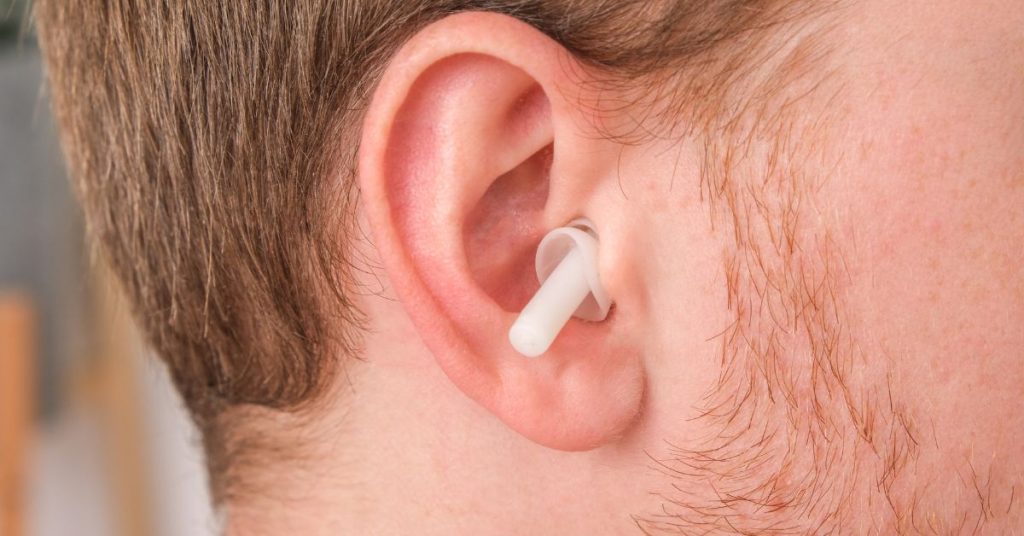
Hearing protection devices have also evolved. Earplugs and earmuffs are no longer just for industrial or construction settings—they are lightweight, comfortable, and suitable for everyday use. High-fidelity earplugs, for example, reduce sound intensity without distorting speech or music, making them perfect for concerts, sporting events, or noisy social gatherings. Noise-canceling headphones serve a dual purpose: they allow you to listen at lower volumes while reducing background noise, which decreases overall strain on your ears.
For individuals already experiencing hearing difficulties, hearing aids have advanced significantly. Modern devices are discreet, programmable, and equipped with features like directional microphones and smartphone connectivity. Using hearing aids as prescribed not only improves communication but also reduces the risk of further hearing loss caused by straining to hear in noisy settings. Regular maintenance, including cleaning and battery checks, ensures these devices function optimally.
Assistive listening devices (ALDs) can also enhance hearing in specific situations, such as amplified telephones, TV listening systems, and personal FM systems. These tools are especially useful for older adults in social or communal settings, where background noise can make understanding speech challenging.
Even small technological adjustments can make a big difference in daily life. For instance, setting maximum volume limits on personal devices, using vibration alerts instead of loud ringtones, and utilizing “Do Not Disturb” features to reduce continuous noise exposure all contribute to long-term hearing protection.
By leveraging technology thoughtfully, you can create a safer, more controlled auditory environment. These tools, combined with lifestyle habits and smart listening practices, form a comprehensive approach to protecting your hearing every day.
Regular Checkups and When to Seek Help
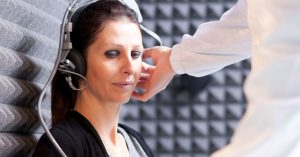
Even with the best daily habits, regular professional checkups are essential for maintaining long-term hearing health. Just as you schedule routine visits with your doctor or dentist, periodic hearing evaluations help detect early changes before significant loss occurs. Audiologists can perform comprehensive hearing tests that measure your ability to perceive different frequencies and volumes, providing a clear picture of your auditory health. Early detection allows for timely intervention, which can slow or prevent further deterioration.
Knowing when to seek help is equally important. Early warning signs of hearing loss include frequently asking others to repeat themselves, turning up the volume on TVs or devices, difficulty following conversations in noisy environments, or experiencing persistent ringing in the ears (tinnitus). Even mild changes should prompt a professional evaluation. Addressing these issues early can prevent frustration, social withdrawal, and cognitive strain caused by untreated hearing difficulties.
Regular checkups also provide an opportunity to discuss preventive measures tailored to your lifestyle. Audiologists can recommend custom earplugs for specific activities, advise on safe listening practices, and suggest assistive devices if needed. For individuals already using hearing aids, routine visits ensure devices remain properly calibrated, batteries are functioning, and any necessary updates are applied.
In addition to professional assessments, self-monitoring can help you stay proactive. Keep a simple diary of your listening habits, note any changes in your hearing, and track your exposure to loud environments. Combining these personal insights with professional guidance creates a powerful approach to long-term ear health.
Ultimately, integrating regular checkups into your routine reinforces the other protective strategies you’ve implemented. It provides reassurance, personalized recommendations, and an early line of defense against hearing loss, ensuring that your daily efforts translate into lasting auditory wellbeing.
Conclusion
Protecting your hearing every day doesn’t require drastic changes—it’s about consistency, mindfulness, and making informed choices. By understanding how your ears work and why they are vulnerable, you can take proactive steps to preserve your hearing for years to come. Small daily habits, such as controlling volume levels, taking listening breaks, using ear protection in noisy environments, and incorporating quiet moments, all add up to meaningful protection over time.
Your overall health also plays a vital role in maintaining strong hearing. A balanced diet, regular exercise, good cardiovascular health, and stress management support your auditory system, complementing your protective habits. Modern technology, from noise-monitoring apps to high-fidelity earplugs and hearing aids, provides additional layers of defense, making it easier to control your sound environment and reduce cumulative damage.
Regular checkups with an audiologist or hearing professional ensure early detection and timely intervention, giving you personalized strategies to prevent further loss and maintain optimal hearing function. By combining professional guidance with lifestyle adjustments, practical daily habits, and technology, you create a comprehensive, sustainable plan to safeguard your hearing.
Ultimately, daily attention to hearing health is an investment in your quality of life. Clear communication, social engagement, and overall wellbeing are closely tied to your ability to hear well. By adopting these strategies and making them a natural part of your routine, you can enjoy the sounds of life—family conversations, music, nature, and community—for many years to come.
FAQ
How can I protect my hearing at home?
You can protect your hearing at home by keeping the volume of TVs, radios, and personal devices at moderate levels, taking regular listening breaks, and using ear protection when performing noisy tasks such as vacuuming, mowing the lawn, or using power tools. Even creating quiet periods during the day helps reduce cumulative noise exposure.
What are the early signs of hearing loss?
Early signs include difficulty following conversations, especially in noisy environments, frequently asking people to repeat themselves, increasing volume on devices, and experiencing ringing or buzzing in the ears (tinnitus). Noticing these symptoms early allows for timely intervention and can prevent further damage.
Do lifestyle choices really affect hearing health?
Yes. Cardiovascular health, diet, exercise, stress management, and sleep all influence ear health. Nutrients like magnesium, potassium, and omega-3 fatty acids, along with proper hydration, support healthy hearing. Regular exercise improves blood flow to the inner ear, while avoiding smoking and excessive alcohol consumption reduces risk factors associated with hearing loss.
What technology can help protect my hearing?
Noise-monitoring apps, high-fidelity earplugs, noise-canceling headphones, and assistive listening devices can all protect hearing or improve auditory experiences. Setting volume limits on personal devices and using hearing aids as prescribed are additional ways technology can support daily ear protection.
How often should I have a hearing checkup?
Adults over 50 or those exposed to frequent loud noise should have a hearing test at least once a year. Even younger adults can benefit from periodic evaluations, especially if they notice early signs of hearing loss. Regular checkups ensure early detection, timely intervention, and personalized recommendations for protecting your hearing.
This article is for informational purposes only and is not a substitute for professional medical advice, diagnosis, or treatment. If you are concerned about your hearing or ear health, please consult a qualified healthcare provider.