Construction sites are some of the noisiest places to work, yet many workers become so accustomed to the constant rumble of machinery that they underestimate the impact it can have on their hearing. Day after day, exposure to loud equipment, heavy vehicles, and power tools can slowly damage the delicate structures inside the ear—often without any immediate signs. Because hearing loss happens gradually, it’s easy to overlook the early warning signals until the damage becomes permanent.
For adults working in construction, especially those over 50 or already experiencing some level of hearing difficulty, awareness and prevention are critical. Noise-induced hearing loss is irreversible, but it is also one of the most preventable occupational injuries. By understanding the risks, choosing the right protective equipment, and building safe habits on the job, workers can significantly reduce their long-term hearing risks.
This guide offers a clear, practical look at construction noise and hearing safety. Whether you’re a seasoned tradesperson, a new worker, or someone who supervises crews, you’ll find strategies and insights to help protect your ears for years to come. When hearing is guarded consistently, you not only stay safer on the job—you preserve your quality of life well beyond the workday.
The Real Risks of Construction Noise
Construction sites routinely expose workers to some of the highest occupational noise levels in any industry. Many common tools exceed 85 decibels (dB), the threshold at which hearing damage can occur with prolonged exposure. Jackhammers, circular saws, nail guns, pneumatic drills, and large machinery often produce sound levels between 90 and 120 dB. At this intensity, even short bursts of noise can contribute to long-term harm, especially when exposure happens daily over many years. Unfortunately, because hearing damage is usually slow and subtle, it can be easy to underestimate how much risk these everyday sounds carry.
The real danger lies in how cumulative noise exposure affects the delicate hair cells inside the inner ear. These cells help convert sound waves into signals the brain can understand, and once they’re damaged, they don’t repair themselves. Repeated exposure to loud environments leads to gradual but permanent changes in hearing ability. Workers may first notice that speech sounds muffled, especially in busy settings, or that certain tones become harder to detect. Over time, this can progress into more significant hearing loss that affects work performance, safety, and overall well-being.
Construction noise doesn’t only threaten long-term hearing—it can also contribute to tinnitus, a persistent ringing or buzzing sound in the ears. Many workers chalk this up to “just part of the job,” but tinnitus can become a chronic and stressful condition. In addition, consistent noise exposure increases stress levels, interferes with sleep, and can heighten fatigue, all of which impact safety on the job site. Recognizing these risks is the first step toward making hearing safety a priority rather than an afterthought.
How Hearing Damage Happens: Understanding the Science
To understand why construction noise is so harmful, it helps to know what happens inside the ear when sound becomes too loud. Deep within the inner ear lies the cochlea, a spiral-shaped structure lined with thousands of tiny hair cells. These cells act as sound receptors—they bend in response to vibrations and send electrical signals to the brain, allowing us to hear speech, music, and environmental sounds. But when noise is excessively loud, these delicate hair cells bend too forcefully, leading to stress and potential injury.
Short-term exposure to loud noise can cause what’s known as a temporary threshold shift. This is when hearing becomes muffled or dull for a few hours after being near intense sound—something many workers have experienced after a long day on the job. While this temporary shift may resolve, it’s actually a warning sign: the hair cells have been overstressed and need recovery time. Repeatedly pushing them beyond their limit can cause them to weaken, lose sensitivity, and eventually die off completely.
Once hair cells are permanently damaged or destroyed, the hearing loss that follows cannot be reversed. The body does not regenerate these cells, making early protection essential. Continuous loud noise also affects the auditory nerve, worsening clarity even when sounds are loud enough. This is why some workers say they can “hear but not understand,” especially in busy or noisy environments. Over time, the brain must work harder to process unclear signals, which can contribute to listening fatigue, stress, and reduced concentration—serious concerns on an already hazardous job site.
Noise can also trigger or worsen tinnitus, the persistent ringing, buzzing, or humming sensation that can interfere with sleep, communication, and overall quality of life. Even moderate noise exposure can aggravate existing tinnitus symptoms. Understanding this chain reaction—from loud noise to hair cell damage to lifelong hearing challenges—makes it clear why proactive hearing protection isn’t optional on construction sites. It’s a vital part of long-term health and safety.
Common Noisy Tools and Work Situations to Watch Out For
Construction sites are filled with powerful tools and heavy equipment designed to get tough jobs done quickly—but many of these machines produce sound levels high enough to damage hearing in minutes. Understanding which tools pose the biggest risks can help workers take proactive steps to protect themselves before the noise becomes harmful. Even tasks that seem routine can generate surprisingly high decibel levels, especially when multiple tools are running at the same time.
Some of the loudest tools found on job sites include jackhammers, which often reach 100–120 dB, and circular saws, which regularly produce 95–110 dB. Nail guns, impact drivers, and pneumatic drills are also common culprits, generating sharp bursts of intense noise capable of startling the ear and contributing to cumulative hearing damage. Additionally, heavy machinery like bulldozers, concrete mixers, excavators, and dump trucks add constant background noise that keeps overall sound levels elevated throughout the workday.
It’s not just the type of tool that matters—working conditions also play a major role in overall noise exposure. Indoor construction sites, enclosed spaces, or areas with reflective surfaces like concrete walls can amplify sound, making tools seem even louder. Working near multiple crews or in demolition zones can lead to overlapping sources of noise, quickly pushing decibel levels into dangerous territory. Even distance matters: standing just a few feet closer to a running tool can dramatically increase the intensity of noise reaching your ears.
Because noise levels can fluctuate throughout the day, many workers rely on simple strategies to stay aware of their environment. Apps or handheld decibel meters make it easy to estimate sound levels on the spot, while posted site guidelines often indicate when hearing protection is required. Whenever conversation requires raising your voice or shouting from a short distance, it’s a strong sign that noise levels are high enough to warrant immediate protection. By knowing which tools and situations are the noisiest, workers can plan ahead—choosing the right gear, positioning themselves safely, and minimizing exposure whenever possible.
Essential Hearing Protection: What Workers Should Use
Protecting your hearing on a construction site starts with choosing the right protective gear—and using it consistently. The good news is that today’s hearing protection options are more effective and more comfortable than ever, making it easier for workers to find something that suits their job demands and personal preferences. The key is understanding what each type of protection offers and when it’s most appropriate. No single device is perfect for every situation, so many workers benefit from combining methods or tailoring their protection to the tools they’re using.
Earplugs are one of the most common forms of hearing protection, and for good reason: they’re lightweight, inexpensive, and easy to carry. Foam earplugs expand inside the ear canal to block a broad range of noise, while pre-molded or reusable styles offer more consistent fit for workers who need something durable. However, earplugs must be inserted properly to provide full protection. A poorly fitted earplug can let in far more noise than people realize, so taking a moment to roll, insert, and adjust them correctly can make a big difference in long-term hearing safety.
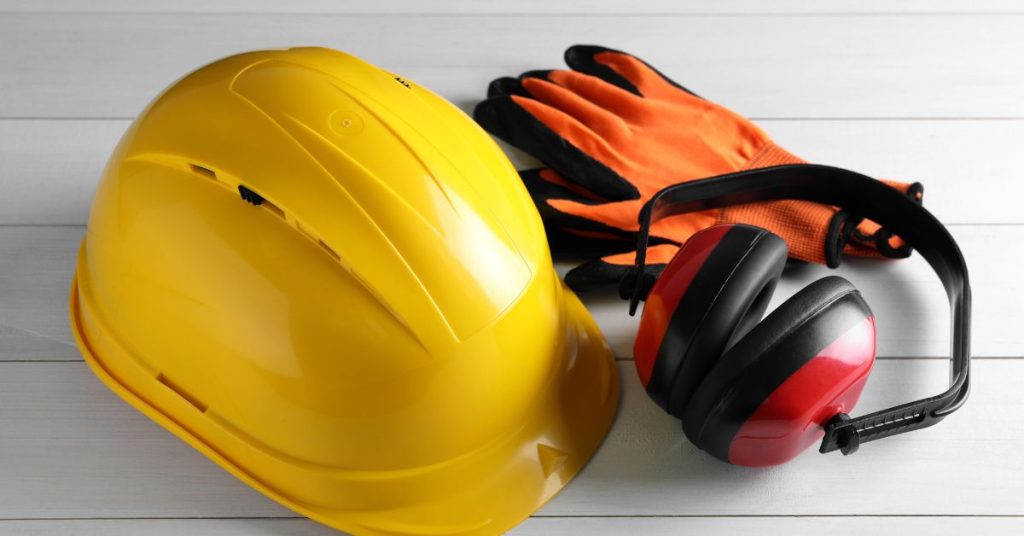
Earmuffs provide another reliable option. They fit over the ears with cushioned cups that create a seal against the head, reducing noise from machinery, tools, and loud environments. Earmuffs are often easier to use than earplugs, especially for workers who wear gloves or move quickly between tasks. They’re also ideal for environments with intermittent loud noise, since they can be put on and taken off quickly. For exceptionally noisy tasks, such as operating jackhammers or working near demolition equipment, combining earplugs and earmuffs offers an extra layer of protection and is recommended by many safety organizations.
For workers seeking the highest level of comfort or precision, custom-moulded hearing protectors are worth considering. These are shaped to fit the unique contours of the ear, providing excellent noise reduction without the discomfort some people experience with generic plugs. Some models feature built-in acoustic filters that allow normal conversation while still blocking harmful noise. More advanced options include electronic or noise-cancelling earmuffs, which automatically dampen loud sounds while amplifying speech and ambient noise—useful for maintaining communication and awareness on a busy job site.
Regardless of the style, hearing protection must be kept clean, well-fitted, and in good condition. Replacing worn-out cushions, cracked headbands, or damaged plugs ensures maximum effectiveness. Workers should also keep a backup set in their tool bag, as forgetting hearing protection even once during a high-noise task can contribute to long-term harm. By choosing equipment that fits well and feels comfortable, workers are far more likely to wear it consistently—and consistency is the most powerful tool in preventing noise-induced hearing loss.
Building Safe Habits on the Job Site
Hearing protection devices are essential, but long-term safety also depends on the everyday habits workers build on the job site. Construction environments are dynamic—noise levels change throughout the day, equipment varies from task to task, and new hazards can appear quickly. By adopting smart, proactive routines, workers can significantly reduce their overall noise exposure and maintain better hearing health over time. These habits complement protective equipment and create a more comprehensive approach to on-site safety.
One of the most effective strategies is to take regular quiet breaks. Stepping away from noisy equipment, even for a few minutes, gives the ears time to recover from continuous sound exposure. This can help reduce listening fatigue, a common issue that makes communication more difficult and increases the risk of errors or accidents. Wherever possible, workers should also rotate tasks among team members. Task rotation prevents any single person from spending too much time in the loudest areas and spreads noise exposure more evenly across a crew.
Another key habit is maintaining a safe distance from loud tools whenever possible. Even moving a few feet farther away from a running generator, saw, or hammer drill can significantly reduce the volume reaching the ears. Physical barriers or sound-dampening materials, such as temporary walls, acoustic blankets, or insulated panels, can also help lower overall noise levels in certain work zones. In addition, keeping equipment in good working condition—regular lubrication, repairs, and part replacements—often reduces unnecessary noise while improving performance and safety.
Communication plays a major role as well. Workers should feel comfortable reminding one another to wear hearing protection or pointing out particularly loud activities that may require extra precautions. Supervisors can support a strong safety culture by providing regular hearing screenings, ensuring protective gear is readily available, and clearly marking high-noise zones. Under occupational safety regulations, employers must offer hearing conservation programs when noise reaches specific thresholds, giving workers additional tools and education to safeguard their hearing.
By combining protective gear with healthy routines—quiet breaks, distance, equipment maintenance, and open communication—workers can meaningfully lower their risk of noise-induced hearing damage. These habits not only protect hearing, but also contribute to clearer communication, better focus, and fewer preventable accidents on the job site. Over time, building these practices into the daily workflow creates a safer and more supportive environment for everyone.
Conclusion
Protecting your hearing on a construction site isn’t just about following safety rules—it’s about preserving your long-term health, independence, and overall quality of life. The constant exposure to loud tools, heavy machinery, and busy work environments can take a gradual but irreversible toll on your ears. Yet the good news is that noise-induced hearing loss is almost entirely preventable when workers understand the risks and take consistent steps to protect themselves.
By recognizing the dangers of construction noise, using the right hearing protection, and building safe daily habits, workers can dramatically reduce their exposure to harmful sound levels. Whether you’re operating loud equipment, supervising a crew, or simply working nearby, every choice you make—from putting on earmuffs to taking short quiet breaks—contributes to better long-term hearing health. These small habits add up and can make all the difference in preventing avoidable hearing damage.
As the construction industry continues to evolve, so do its safety standards and protective technologies. Staying informed, staying prepared, and staying proactive ensure that workers of all ages can continue to do the jobs they love without sacrificing their hearing. Your ears work hard for you every day—protecting them is one of the smartest investments you can make, both on and off the job site.
FAQ
What noise level is considered dangerous on a construction site?
Noise levels at or above 85 decibels (dB) are considered potentially harmful, especially with long-term exposure. Many construction tools exceed this threshold, so consistent hearing protection is essential even for short tasks.
How do I know if my hearing is already damaged from construction noise?
Common early signs include muffled hearing, difficulty understanding speech (especially in noisy environments), or a persistent ringing in the ears. If you notice any of these symptoms, a hearing test from a qualified provider can help assess your hearing health.
Are earplugs or earmuffs better for construction work?
Both can be effective when used correctly. Earplugs are convenient and lightweight, while earmuffs are easy to put on and take off. For extremely loud environments, using both together offers the highest level of protection.
Can hearing damage from construction noise be reversed?
Unfortunately, noise-induced hearing loss is permanent. Once the sensitive hair cells in the inner ear are damaged, they cannot regenerate. This is why prevention—using protection and limiting exposure—is the best strategy.
How often should I replace my hearing protection gear?
Foam earplugs should be replaced daily or whenever they become dirty or worn out. Earmuffs should be replaced if the cushions crack, harden, or fail to seal properly. Regularly inspecting your equipment ensures you get the best protection possible.
This article is for informational purposes only and is not a substitute for professional medical advice, diagnosis, or treatment. If you are concerned about your hearing or ear health, please consult a qualified healthcare provider.