For musicians and DJs, sound isn’t just background noise—it’s a central part of life, creativity, and emotional expression. Yet the very thing that fuels performances, rehearsals, and studio sessions can also put hearing health at serious risk. Prolonged exposure to loud music is one of the most common causes of tinnitus and noise-induced hearing loss, and these conditions can develop far earlier than many people expect. Whether you’re a seasoned performer or someone rediscovering music later in life, protecting your ears is essential for preserving both your craft and your overall wellbeing.
Many adults over 50 have already experienced changes in hearing sensitivity, making protection even more important when engaging in loud musical environments. Musicians and DJs face unique challenges—amplified sound systems, close proximity to monitors, extended rehearsal times, and emotionally charged performances where volume can easily creep upward. Over time, this exposure can dull the clarity of notes, make mixing more difficult, and lead to persistent ringing or muffled hearing after shows.
The good news is that hearing loss related to sound exposure is largely preventable. With the right tools, habits, and protective strategies, it’s entirely possible to enjoy music at its fullest while safeguarding your long-term hearing health. This article will guide you through understanding the risks, exploring modern hearing protection options, and adopting practical methods to keep your ears safe in any performance or studio setting.
Understanding the Risks: How Loud Music Affects Your Hearing
Music has the power to move us, energise us, and transport us—but when played at high volumes, it can also pose a serious threat to hearing health. Musicians and DJs often spend hours surrounded by amplified sound, and even brief exposure to loud environments can lead to damage within the delicate structures of the inner ear. Understanding the risks is the first step toward preventing long-term hearing problems.
Inside the cochlea—the spiral-shaped part of the inner ear—tiny hair cells convert sound vibrations into electrical signals that the brain interprets as sound. These cells are incredibly sensitive and do not regenerate once damaged. Repeated exposure to loud music can stress or permanently harm these cells, leading to tinnitus, distortion, and gradual or sudden hearing loss. This type of damage can occur silently over time, which is why many performers don’t realise there’s a problem until the symptoms become noticeable.
Musicians and DJs experience sound differently than the average listener. On stage, monitors may be positioned close to the ears, and sound levels can exceed safe limits during rehearsals or live sets. DJs often face intense, consistent bass frequencies and long performance times, increasing the strain on their hearing. Even studio work—often thought to be safer—can involve extended sessions with headphones or nearfield monitors at loud volume levels.
Decibel levels are a useful way to understand the danger. Normal conversation sits around 60 dB, while many live concerts reach 100–110 dB or more. Exposure to sounds above 85 dB for extended periods can cause hearing damage, and every increase of 3 dB effectively doubles the sound intensity. This means that just a few minutes at club-level volumes can begin to harm unprotected ears. Early warning signs—such as ringing after performances, difficulty understanding speech in noisy places, or a sense of fullness in the ears—should never be ignored.
By recognising how and why damage occurs, musicians and DJs can make more informed decisions about protecting their hearing. With awareness as the foundation, the next step is choosing hearing protection that preserves sound quality while reducing harmful noise exposure.
Types of Hearing Protection for Musicians and DJs
Hearing protection has come a long way from the foam earplugs many people associate with loud environments. Today, musicians and DJs have access to specialised solutions designed to lower volume levels without dulling or distorting the sound they rely on. Choosing the right option can help preserve hearing while maintaining the clarity, richness, and detail essential for performing and mixing.
One of the most popular choices is high-fidelity musician earplugs. Unlike basic foam plugs that muffle sound unevenly, high-fidelity earplugs use advanced filters to reduce volume evenly across all frequencies. This means the music sounds natural—just quieter. They’re ideal for rehearsals, concerts, and club nights, offering comfortable, reusable protection that fits discreetly and performs well in various settings.
For those who want a truly personalised fit, custom-moulded earplugs are considered the gold standard. These are created from impressions of the wearer’s ears, ensuring perfect comfort and long-term durability. Custom plugs can be fitted with interchangeable filters, letting musicians and DJs choose the amount of sound reduction they need. Because they seal more effectively, they provide consistent protection even during long, active performances. While more expensive, they offer unmatched comfort and acoustic precision.
Another option growing in popularity is electronic filtered earplugs. These smart devices actively adjust sound levels in real time, reducing sudden loud peaks while allowing softer sounds and speech to pass through naturally. They’re especially useful for performers who need situational awareness on stage or for DJs who switch rapidly between quiet preparation and high-volume performance.
Many musicians and DJs also rely on in-ear monitors (IEMs) as part of their hearing protection strategy. When used properly and kept at safe volume settings, IEMs can reduce the need for loud stage monitors and provide more controlled sound directly into the ear. However, it’s important to remember that IEMs can still be harmful if volume levels are too high—proper use and awareness are essential.
For practice sessions or smaller venues, over-ear noise-reducing headphones may offer a comfortable alternative. Although not typically used during live performance, they are helpful when mixing, rehearsing with loud instruments, or working with amplified gear in controlled environments.
Together, these options give musicians and DJs a variety of ways to protect their hearing without sacrificing the experience or quality of the music they create. Understanding these choices is the foundation for finding a solution that fits personal needs, performance style, and budget.
How to Choose the Right Hearing Protection for Your Needs
Selecting the right hearing protection is essential for maintaining both sound quality and long-term hearing health. Because musicians and DJs rely so heavily on accurate audio perception, the choice goes beyond simply reducing volume—it’s about finding a solution that fits your style, environment, and comfort level. With so many options available, understanding what to look for can make the process much easier and far more effective.
A key factor in choosing hearing protection is sound reduction level, often measured in decibels (dB). Musicians and DJs typically benefit from moderate, even reduction rather than maximum noise blocking. High-fidelity filters—available in 9 dB, 15 dB, and 25 dB options—allow you to tailor protection based on your performance setting. For example, DJs in loud clubs may prefer higher-rated filters, while acoustic performers might opt for lighter attenuation that maintains more nuance. Choosing the right balance helps protect your ears without compromising musical detail.
Comfort and fit are just as important. Protection that feels uncomfortable or unstable is less likely to be worn consistently, especially during long sessions or energetic performances. Custom-moulded earplugs offer the best comfort due to their personalised fit, but many high-quality universal earplugs have soft silicone tips or adjustable components that work well for a range of ear shapes. When possible, test different styles to see what feels secure and unobtrusive.
Musicians and DJs should also consider how the protection integrates into their workflow. If you frequently talk with bandmates or event staff, options with clear speech frequencies or removable filters may be ideal. Electronic earplugs or low-profile high-fidelity plugs allow you to maintain situational awareness, which is critical during sound checks, transitions, and live sets. For performers who depend on in-ear monitors, prioritising safe volume control and proper seal is essential to avoid unintentional overexposure.
Budget can also influence your decision. While custom-moulded solutions offer top-tier performance, they come at a higher cost. Universal high-fidelity earplugs provide a more affordable entry point and still deliver excellent sound quality. Many musicians find it helpful to start with a high-quality universal pair, then invest in custom moulds once they know what level of attenuation best suits their needs.
Finally, steer clear of common myths—like the idea that earplugs ruin the listening experience or make it harder to perform. Modern musician-grade protection preserves clarity while preventing the distortions caused by overworked ears. In reality, musicians often find that performing with protection enhances their ability to hear nuances and prevents fatigue during long shows.
By matching your environment, comfort preferences, sound requirements, and budget, you can choose hearing protection that supports your craft and safeguards your long-term hearing health.
Protecting Your Hearing on Stage and in the Studio
Whether you’re performing, mixing, rehearsing, or producing, the environments musicians and DJs work in can expose ears to intense and prolonged sound levels. Protecting your hearing isn’t just about wearing earplugs—it’s about building habits and using equipment in ways that minimise long-term damage. With the right strategies, you can maintain excellent sound quality while dramatically reducing your risk of tinnitus or hearing loss.
One of the most effective practices is managing monitor placement and volume. Traditional stage monitors often direct sound straight toward the performer’s ears, sometimes at unsafe levels. By adjusting the angle or distance of your monitors, you can reduce harsh exposure without sacrificing clarity. For DJs, being mindful of booth monitor settings is equally important. Many DJs boost their monitor volumes during intense moments, but keeping a consistent, safe baseline can prevent the cumulative fatigue that leads to overexposure. Using in-ear monitors (IEMs) at controlled levels can further reduce the need for loud stage or booth speakers.
Another critical habit is incorporating regular listening breaks, especially during rehearsals and long sets. Ears need time to recover after exposure to loud sound, and even a short break can make a meaningful difference. A few minutes of quiet every hour helps the auditory system reset, reducing the risk of temporary threshold shifts—the muffled or “full” feeling many performers experience after loud sessions. Over time, giving your ears these moments of rest can prevent permanent changes.
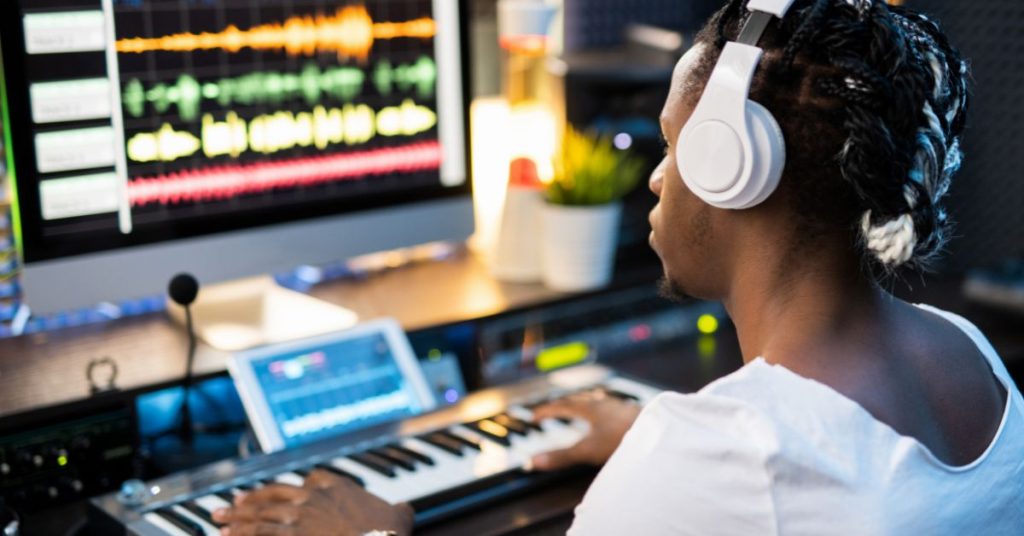
For studio work, safe listening often comes down to controlling headphone and monitor volume. Long mixing sessions at elevated levels can be just as damaging as live performance exposure. A good rule is the “60/60 guideline”: keep headphone volume at no more than 60% of maximum output, for no longer than 60 minutes at a time without a break. Nearfield monitors should also be set to moderate levels, emphasising clarity rather than loudness. Many producers find that mixing at lower volumes actually improves accuracy, helping avoid ear fatigue and ensuring the final mix translates better across different playback systems.
Environmental awareness plays a major role, too. Standing slightly off-axis from speakers, choosing rehearsal spaces with acoustic treatment, and positioning yourself further from high-output amps or subwoofers can lower exposure dramatically. Small adjustments in where you stand or how equipment is arranged can reduce harmful peaks without affecting performance quality.
Finally, make hearing protection part of your everyday routine, not just a last-minute add-on. Keep high-fidelity earplugs in your gig bag, discuss volume management during band rehearsals, and normalise protective habits with colleagues. Many performers worry that using protection will separate them from the music, but most find the opposite—reduced distortion, better clarity, and far less fatigue.
With thoughtful strategies and consistent habits, you can create safer listening environments both on stage and in the studio, preserving your ability to enjoy and create music for years to come.
Long-Term Hearing Wellness for Musicians and DJs
Protecting your hearing isn’t just a moment-to-moment decision—it’s a long-term commitment that supports your ability to perform, mix, and enjoy music throughout your life. Many musicians and DJs only begin thinking about hearing health after noticing early warning signs like ringing, muffled hearing, or sensitivity to certain sounds. But adopting long-term wellness habits can prevent these issues from progressing and ensure your ears stay healthy well into the future.
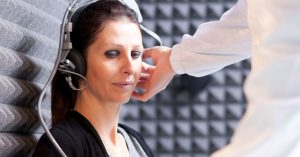
A key part of long-term hearing care is regular hearing checkups. Just as musicians tune their instruments and DJs calibrate their gear, routine hearing assessments help track changes early. Audiologists can detect subtle shifts in hearing sensitivity, recommend appropriate hearing protection, and identify signs of damage before they become more serious. Annual or biannual checkups are ideal for anyone working in high-volume environments.
Recognising the early warning signs of hearing damage can also make a significant difference. Persistent or recurring tinnitus, temporary muffling after performances, difficulty hearing conversations in noisy settings, or distortion when listening to familiar music are all cues that your ears need support. Early intervention—whether through better protection, volume adjustments, or medical evaluation—can prevent these symptoms from worsening.
In addition to professional care, daily lifestyle habits play a major role in long-term wellness. Maintaining a healthy cardiovascular system, staying hydrated, avoiding smoking, and managing stress all contribute to inner ear health. Some musicians find relief from ear fatigue by incorporating quiet time into their daily routine, giving their auditory system a chance to reset after exposure to loud environments.
Technology and gear choices can also support sustained hearing wellness. Investing in high-quality headphones or in-ear monitors with safe, controlled output reduces the temptation to turn up the volume excessively. Using apps or devices that monitor decibel levels in studios, clubs, and rehearsal spaces provides valuable information, helping you stay mindful of your exposure throughout the day.
Most importantly, make hearing protection part of your identity as a musician or DJ. Normalising the use of earplugs, advocating for safer sound levels, and discussing hearing wellness with fellow performers helps shift the culture toward long-term ear health. Many artists now openly share their experiences with tinnitus or hearing loss, highlighting the importance of prevention and proactive care.
By integrating hearing protection into your daily and professional life, you’re not just avoiding damage—you’re preserving the joy, clarity, and emotional connection that music brings. Long-term hearing wellness ensures that your craft remains vibrant, your performances remain strong, and your love for music continues to thrive across the decades.
Conclusion
Music is one of life’s greatest joys, and for musicians and DJs, it’s also a lifelong passion and a vital part of identity. But the environments in which music is created and performed often come with risks that, if ignored, can lead to lasting hearing problems. The good news is that hearing loss from loud sound exposure is largely preventable—and taking action now can make all the difference in your long-term hearing health.
By understanding how loud music affects the ear, choosing the right type of hearing protection, and developing safe habits both on stage and in the studio, you can continue to enjoy music at its fullest. High-fidelity earplugs, custom-moulded protection, in-ear monitors, and smart listening strategies all play an important role in reducing risk without sacrificing sound quality. Pairing these tools with routine hearing checkups and healthy lifestyle choices ensures that your hearing remains strong and reliable for years to come.
Protecting your ears isn’t about limiting your musical experience—it’s about preserving it. When you prioritise your hearing, you safeguard your ability to perform, mix, and enjoy the sounds that matter most. Whether you’re a lifelong musician, a dedicated DJ, or someone rediscovering music later in life, taking proactive steps today ensures that you can continue creating, connecting, and enjoying every note well into the future.
FAQ
Q: Why do musicians and DJs face a higher risk of hearing loss?
Musicians and DJs are exposed to loud sound levels for extended periods, often well above the safe listening threshold of 85 dB. Live performances, rehearsals, studio sessions, and amplified monitoring systems all contribute to excessive noise exposure that can damage the inner ear’s delicate hair cells. Because this damage is cumulative and irreversible, consistent hearing protection is essential.
Q: Do earplugs change the way music sounds?
Traditional foam earplugs can muffle sound and alter tonal balance, but musician-grade high-fidelity earplugs preserve clarity by reducing volume evenly across frequencies. Custom-moulded earplugs and electronic filtered plugs offer even better sound accuracy. Most musicians and DJs find that using high-quality protection actually improves their ability to hear detail without distortion or fatigue.
Q: Are in-ear monitors (IEMs) safer than stage monitors?
IEMs can provide safer listening conditions when used at appropriate volumes. They block external noise, allowing performers to hear clearly without cranking up the sound. However, IEMs can still cause hearing damage if volume levels are too high, so proper setup, safe listening habits, and regular monitoring of volume are essential.
Q: How often should musicians and DJs get their hearing checked?
Anyone regularly exposed to loud sound should have their hearing checked annually or at least every two years. Routine checkups help identify early signs of damage and ensure your hearing protection strategies are effective. Early detection can prevent issues from progressing and support long-term hearing wellness.
Q: What are the first signs of noise-induced hearing damage?
Common early signs include ringing in the ears (tinnitus), muffled hearing after performances, difficulty understanding speech in noisy environments, or sounds seeming distorted or overly sharp. These symptoms should never be ignored—taking action early can prevent further damage and improve long-term outcomes.
This article is for informational purposes only and is not a substitute for professional medical advice, diagnosis, or treatment. If you are concerned about your hearing or ear health, please consult a qualified healthcare provider.