
Hearing is one of our most important senses, yet it’s often taken for granted—until it starts to decline. Protecting your ears isn’t just for people in loud workplaces; everyday habits, from listening to music to household chores, can impact long-term hearing health. That’s where a simple hearing conservation checklist comes in. By following a clear, easy-to-use set of steps, you can safeguard your hearing every day, reduce the risk of noise-induced damage, and maintain your quality of life well into your later years.
In this guide, we’ll explore practical strategies for protecting your ears, whether at home, at work, or on the go. You’ll learn why hearing conservation matters, the habits that support ear health, and how to track your progress with a personalized checklist. Even small changes—like lowering the volume on your devices or wearing ear protection in noisy environments—can make a big difference over time.
For adults over 50, caregivers, and anyone concerned about hearing loss, creating and following a simple checklist ensures that hearing health stays a daily priority. By the end of this article, you’ll have all the tools and tips needed to implement effective hearing conservation practices and keep your ears healthy every day.
Understanding Hearing Conservation
Hearing conservation is the practice of protecting your ears from damage and maintaining healthy hearing throughout your life. It involves a combination of daily habits, workplace safety measures, and regular monitoring of your hearing. While age-related hearing loss is natural, exposure to loud sounds, certain medications, and medical conditions can accelerate the process. Understanding hearing conservation is the first step toward preserving your auditory health and preventing further deterioration.
At its core, hearing conservation is about awareness and proactive action. Recognizing potentially harmful environments—like busy construction sites, concerts, or even noisy kitchens—helps you take timely protective measures. It also means paying attention to your daily activities, such as how loudly you listen to music, how long you use headphones, or how often you encounter background noise. Even small adjustments, when practiced consistently, can significantly reduce the risk of long-term hearing loss.
The benefits of prioritizing hearing conservation extend beyond just preventing hearing loss. Clear hearing impacts social interactions, mental health, and overall quality of life. Individuals who protect their hearing are more likely to remain engaged in conversations, enjoy media and music fully, and maintain independence as they age. Conversely, neglecting hearing conservation can lead to gradual hearing decline, difficulty communicating, and feelings of isolation.
Early recognition of hearing changes is also an essential part of hearing conservation. Simple signs like frequently asking people to repeat themselves, turning up the volume on devices, or ringing in the ears (tinnitus) may indicate the need for attention. Identifying these warning signs early allows for timely interventions, whether through lifestyle adjustments, hearing protection, or consultation with a professional audiologist.
By understanding what hearing conservation is and why it matters, you can begin integrating protective strategies into your daily life. This foundation makes it easier to follow a practical checklist that ensures your ears are cared for consistently, both at home and in noisier environments.
Daily Habits to Protect Your Hearing
Protecting your hearing doesn’t have to be complicated. By incorporating simple daily habits, you can significantly reduce the risk of hearing damage and maintain healthy ears well into later life. These habits are particularly important for adults over 50, who may be more susceptible to age-related hearing changes, as well as for caregivers who want to model safe practices for those they support.
One of the most effective daily habits is controlling the volume of personal audio devices. Listening to music or podcasts at high volumes through headphones or earbuds is a common source of noise-induced hearing loss. Experts recommend following the 60/60 rule: keep the volume at no more than 60% of the device’s maximum, and limit listening sessions to 60 minutes at a time. Taking breaks allows your ears to recover and prevents cumulative damage over time.
Using ear protection in noisy environments is another essential habit. Whether you’re mowing the lawn, attending a concert, or walking through a busy construction area, wearing earplugs or noise-canceling earmuffs can reduce the intensity of harmful sounds. Even short exposures to loud noise can contribute to long-term hearing damage, so consistency matters.
Monitoring your daily exposure to background noise is equally important. Simple measures, like keeping the TV at a moderate volume, closing windows to reduce traffic noise, or creating quiet spaces in your home, can lessen auditory strain. Engaging in “quiet hours” where you limit noise can also give your ears a much-needed rest.
Hydration, nutrition, and overall health also play a role in hearing conservation. Staying well-hydrated supports circulation to the inner ear, while a balanced diet rich in vitamins and minerals—such as magnesium, zinc, and vitamin B12—may help maintain auditory function. Avoiding smoking and managing chronic conditions like diabetes and high blood pressure also contribute to better hearing health.
Finally, awareness and mindfulness throughout the day are key. Notice when your ears feel fatigued or if you experience ringing, muffled sounds, or difficulty following conversations. These signals indicate it may be time to reduce exposure to loud environments or consult a hearing professional. By making these small habits part of your routine, you create a foundation for long-term hearing conservation that is simple, manageable, and effective.
Workplace Hearing Safety
For many adults, workplace noise is one of the most significant contributors to hearing damage. From construction sites to factories, restaurants, and even busy offices, consistent exposure to elevated sound levels can gradually impair hearing if proper precautions aren’t taken. Fortunately, implementing hearing conservation strategies at work can make a substantial difference in protecting your ears.
The first step is to assess your work environment for potential hazards. Sounds above 85 decibels—the equivalent of heavy traffic—can cause hearing damage over prolonged exposure. Using a sound level meter or consulting with occupational health professionals helps identify areas where noise reduction is necessary. Once high-noise zones are identified, protective measures can be tailored to the environment.
Personal protective equipment (PPE) is a cornerstone of workplace hearing safety. Earplugs and earmuffs are highly effective when used correctly, and many workplaces provide them as part of occupational safety programs. Choosing the right type of protection depends on the noise level and duration of exposure. Foam earplugs are ideal for intermittent noise, while custom-molded plugs or over-ear muffs provide better protection in extremely loud settings.
Engineering controls, which reduce noise at its source, are another important tool. These can include installing noise-reducing barriers, using quieter machinery, or implementing maintenance practices that minimize operational noise. Combining PPE with these controls creates a layered defense that is far more effective than relying on one method alone.
Equally important is training and awareness. Employees should understand how noise affects hearing, how to use protective devices correctly, and the importance of taking breaks in quiet areas. Regular workplace hearing tests, often required in industries with high noise exposure, help track any changes over time and ensure early intervention if issues arise.
Caregivers and professionals working in healthcare or service industries may also encounter unexpected noise hazards, such as alarms, equipment sounds, or patient activity. Awareness of these everyday sources of noise, combined with simple protective strategies like limiting time near loud machinery or using soft-closing devices, can reduce cumulative hearing risk.
By making workplace hearing safety a routine part of your day, you create a sustainable habit that preserves your hearing for the long term. Implementing a combination of personal protection, environmental adjustments, and regular monitoring ensures that your ears remain healthy, no matter how noisy your workplace may be.
Hearing-Friendly Home Environment
Your home should be a sanctuary not only for rest but also for hearing health. While most people associate hearing damage with workplaces or loud events, everyday household noise can also contribute to gradual hearing loss if left unchecked. Creating a hearing-friendly home environment involves simple changes that reduce noise exposure and support auditory well-being.
One of the first steps is controlling everyday background noise. Televisions, radios, and kitchen appliances can contribute to a noisy environment when used at high volumes or simultaneously. Keeping devices at moderate volumes, using headphones responsibly, and staggering noisy tasks can minimize unnecessary auditory strain. Even small reductions in background noise can make a significant difference over time.
Soundproofing measures are another effective strategy. Adding rugs, curtains, or acoustic panels can absorb excess noise and prevent sound from bouncing around rooms. For homes near busy streets or construction areas, sealing windows and doors or installing double-pane windows helps block outside noise. Creating quiet spaces where you can relax or read without loud interruptions allows your ears to rest and recover.
Encouraging hearing-friendly behaviors among family members is equally important. This includes avoiding shouting indoors, using text or messaging for quick communication when appropriate, and respecting quiet hours. Children and grandchildren can also benefit from learning healthy hearing habits, such as turning down device volumes and using ear protection during noisy activities.
Regularly maintaining household appliances and tools is another key practice. Items like vacuum cleaners, blenders, and power tools can produce high decibel levels if worn or improperly maintained. Using quieter alternatives or performing noisy tasks during specific hours can help limit exposure. Additionally, using personal protective equipment, such as earmuffs when operating loud tools, reinforces a culture of hearing safety.
Finally, integrating natural sound breaks into daily routines—like enjoying a walk in a quiet park or listening to soft music at a moderate volume—supports auditory recovery. Our ears need periods of calm to prevent fatigue and preserve long-term hearing function.
By creating a hearing-friendly home environment, you reduce the cumulative noise your ears encounter daily. Simple adjustments, combined with mindful habits, ensure that your home supports—not harms—your hearing, making daily life more comfortable and enjoyable.
Regular Hearing Checkups
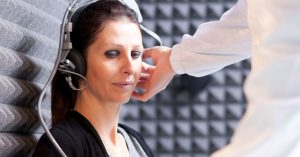
Even with the best hearing conservation habits, regular hearing checkups are essential for maintaining long-term ear health. Routine visits to an audiologist or hearing healthcare professional help detect early signs of hearing loss, track changes over time, and provide guidance on protective strategies tailored to your needs. For adults over 50, annual or biennial hearing assessments are particularly valuable, as age-related hearing changes can occur gradually and may go unnoticed without professional evaluation.
A comprehensive hearing checkup typically includes a series of tests to measure how well you hear different frequencies and volumes. Audiologists may also assess your middle and inner ear health, evaluate balance, and discuss any concerns you have about tinnitus or ear discomfort. Early detection allows for interventions such as hearing aids, assistive listening devices, or lifestyle adjustments that prevent further deterioration.
Keeping a personal record of your hearing results can be a powerful tool for conservation. Tracking changes over time allows you to notice trends, identify triggers for hearing fatigue, and adjust protective habits accordingly. Combining professional monitoring with your daily hearing conservation checklist ensures a proactive approach rather than a reactive one.
Additionally, hearing checkups are an opportunity to receive guidance on protecting your ears in specific environments. For example, an audiologist can recommend custom earplugs for noisy hobbies, strategies for managing tinnitus, or advice on safe listening levels for personal devices. This individualized advice complements daily habits and workplace protections, creating a comprehensive hearing conservation plan.
For caregivers, scheduling regular hearing assessments for the people they support is equally important. Early detection and intervention can dramatically improve communication, prevent social isolation, and enhance overall quality of life. Encouraging family members to attend checkups also fosters a culture of hearing awareness, reinforcing the importance of long-term ear health.
By committing to regular hearing checkups, you add a critical layer of protection to your hearing conservation efforts. These evaluations, combined with daily habits and environmental adjustments, create a holistic approach that keeps your ears healthy and responsive for years to come.
Creating Your Personal Hearing Conservation Checklist
A personal hearing conservation checklist is a practical tool to help you maintain consistent ear protection habits every day. By breaking down protective actions into manageable steps, you ensure that hearing health becomes a routine part of your lifestyle rather than an occasional effort. A checklist also provides a sense of accountability, making it easier to track progress and identify areas for improvement.
Start by listing daily habits that support hearing health. These can include simple actions such as: controlling the volume on headphones and televisions, limiting exposure to loud environments, taking regular “quiet breaks” during noisy activities, and staying hydrated and well-nourished to support overall ear function. By incorporating these small but impactful behaviors into your checklist, you create a foundation for ongoing hearing protection.
Next, add weekly or monthly tasks to the checklist. This may involve reviewing and maintaining ear protection equipment, checking household noise levels, updating any audiologist appointments, and monitoring changes in hearing or tinnitus. Scheduling these tasks ensures that your hearing conservation efforts extend beyond daily routines, addressing longer-term factors that influence auditory health.
Personalization is key. Tailor your checklist to your lifestyle and environment. For example, if you regularly attend concerts or use power tools, include specific protective measures such as wearing high-fidelity earplugs or setting time limits for exposure. Caregivers can also adapt the checklist to include guidance for those they support, such as encouraging quiet activities or monitoring hearing changes in older family members.
Tracking completion of your checklist can be motivating. You might use a physical planner, a smartphone app, or a simple printable chart. Checking off tasks each day not only reinforces habits but also provides a visual reminder of your commitment to hearing conservation. Over time, this consistency helps reduce the risk of hearing loss and makes ear protection an effortless part of your routine.
Finally, review and update your checklist regularly. As your environment, lifestyle, or hearing needs change, your checklist should evolve to reflect new strategies and protective measures. A well-maintained personal hearing conservation checklist empowers you to take control of your auditory health, offering a clear, actionable plan to protect your ears every day.
Conclusion
Maintaining healthy hearing is a lifelong effort, and a simple hearing conservation checklist can make the process manageable and effective. By combining daily habits, workplace safety measures, a hearing-friendly home environment, and regular checkups, you create a comprehensive plan that safeguards your ears against noise-induced damage and age-related hearing changes.
Even small actions—like lowering the volume on your devices, wearing ear protection in noisy situations, or taking quiet breaks—accumulate over time to protect your long-term hearing. For adults over 50 and caregivers, following a structured checklist ensures that these habits are practiced consistently, preventing gradual hearing loss and supporting better communication, social engagement, and overall quality of life.
Remember, hearing conservation is not a one-time task but an ongoing commitment. Regularly updating your checklist, monitoring your hearing, and seeking professional guidance when needed all contribute to sustained auditory health. With dedication and mindfulness, you can take control of your hearing, enjoy everyday sounds fully, and protect your ears for years to come.
FAQ
What is a hearing conservation checklist?
A hearing conservation checklist is a practical tool that outlines daily, weekly, and monthly actions to protect your ears from damage. It includes habits like controlling device volume, wearing ear protection in noisy environments, taking quiet breaks, and scheduling regular hearing checkups. The checklist helps ensure consistent ear care and reduces the risk of hearing loss over time.
How often should I have my hearing checked?
For most adults, especially those over 50, it’s recommended to have a hearing assessment at least once every one to two years. People who are frequently exposed to loud environments may benefit from more frequent checkups. Regular testing helps detect early changes in hearing, allowing for timely interventions and better long-term hearing conservation.
What are some simple ways to protect hearing at home?
You can protect your hearing at home by keeping TVs and music at moderate volumes, using sound-absorbing materials like rugs and curtains, creating quiet zones, and maintaining household appliances to reduce unnecessary noise. Additionally, scheduling quiet breaks and encouraging hearing-friendly behaviors among family members can make your home a supportive environment for ear health.
Do I need special equipment for hearing protection?
While everyday habits like controlling volume are important, using protective equipment in noisy situations is highly recommended. Earplugs, earmuffs, or custom-molded devices can reduce exposure to harmful sound levels. The choice of protection depends on the type and intensity of noise. Even in non-industrial settings, ear protection can be beneficial for concerts, power tools, or recreational activities.
Can hearing loss be reversed if I start using a checklist now?
Hearing loss caused by long-term damage is often irreversible. However, a hearing conservation checklist helps prevent further deterioration and preserves the hearing you still have. Early detection through regular checkups may allow interventions like hearing aids, assistive devices, or lifestyle adjustments to improve hearing quality and overall communication.
This article is for informational purposes only and is not a substitute for professional medical advice, diagnosis, or treatment. If you are concerned about your hearing or ear health, please consult a qualified healthcare provider.