
If you’ve ever found yourself nodding along in a bar or busy restaurant without fully understanding what someone just said, you’re not alone. Many people—especially those over 50 or with even mild hearing loss—struggle to follow conversations in loud, crowded environments. It’s not just frustrating; it can feel isolating and exhausting. You may wonder why you can hear just fine at home or in quiet settings but suddenly feel overwhelmed and disconnected in a noisy place.
The truth is, our ears and brains work together to help us make sense of sound, and noisy environments like bars challenge that system in every possible way. From background chatter and clinking glasses to booming music and poor acoustics, these environments create a perfect storm for hearing difficulties. Add in age-related changes or undiagnosed hearing loss, and even the simplest conversation can feel like decoding a foreign language.
In this article, we’ll explore the reasons why hearing in places like bars can be so difficult, what might be going on with your hearing, and most importantly—what you can do about it. Whether you’re dealing with hearing loss yourself or supporting someone who is, understanding the “why” behind the struggle is the first step toward finding effective solutions.
Why Noisy Environments Are So Challenging for Hearing
Bars, restaurants, and similar venues are a perfect storm of sound. They often feature background music, echoing voices, clattering dishes, and tight seating that forces people to talk over each other. All of these elements combine to create what’s known as “auditory masking”—when background noise drowns out or overlaps with the speech you’re trying to hear. This makes it incredibly difficult to pick out one voice from the crowd, especially if that voice is soft or the speaker is facing away from you.
One of the key challenges in noisy environments is the “cocktail party effect.” This term describes your brain’s ability to focus on a single conversation in a noisy room. While most people can manage this when they’re younger and have healthy hearing, the task becomes much harder as we age. Over time, our auditory system becomes less efficient at filtering and processing sounds, especially when many are competing for attention.
Another factor is frequency overlap. Human speech, background chatter, and ambient music often fall within similar frequency ranges. This overlap can confuse the brain and ears, making it harder to distinguish words. Unlike controlled environments, noisy venues rarely provide clear sound separation, and this makes it tough for even people with “normal” hearing to keep up.
The acoustics of the environment also play a major role. Bars are often designed with aesthetics in mind, not sound control. Hard surfaces like tile floors, metal ceilings, and glass windows reflect sound instead of absorbing it, creating a reverberant environment where sounds bounce around and blur together. The result? Words become less distinct, even if you’re right next to the person speaking.
Lighting and visual distractions can make things worse. Many people rely on lip reading and facial cues to support understanding in noisy settings. But dim lighting or obstructed views remove those visual aids, forcing you to rely entirely on your hearing.
Ultimately, these challenges combine to create an overwhelming listening experience. Even if your hearing is only slightly diminished, the added strain of filtering through competing noises can make communication feel nearly impossible. The good news? Understanding these challenges is the first step to addressing them—and there are ways to adapt, which we’ll explore later in this article.
How Hearing Loss Affects Your Ability to Hear in Bars
If you struggle to hear in noisy places, it doesn’t necessarily mean you’re going deaf—but it could be a sign of hearing loss, even if it’s mild. One of the most common and earliest symptoms of hearing loss is difficulty understanding speech in environments filled with background noise. Bars, cafés, family gatherings, and busy restaurants often reveal these issues long before someone realizes they have hearing trouble.
High-frequency hearing loss—the most common form of age-related hearing loss (presbycusis)—affects your ability to hear sounds like “s,” “f,” “th,” and “sh.” These consonants are crucial for distinguishing between words. In a quiet room, your brain may be able to fill in the blanks, but in a bar with lots of competing sound, these missing pieces become harder to guess. The result? You hear muffled speech or only fragments of a sentence, even if the person is speaking directly to you.
Another problem is reduced speech clarity. When you lose some of your hearing, it’s not just about volume—it’s also about distortion. You might hear that someone is talking, but the words aren’t crisp or clear. This is especially challenging in environments with poor acoustics or where people are talking rapidly or mumbling.
Compounding the issue is that many people with hearing loss don’t realize it at first. Hearing loss often occurs gradually, and the brain adapts to the change. You might think people are mumbling more or that bars are just louder than they used to be. In reality, your ears are working harder than they should—and your brain is picking up the slack. This extra effort can lead to mental fatigue, frustration, and even withdrawal from social situations.
Untreated hearing loss doesn’t just impact your social life; it can have long-term effects on your cognitive health and emotional well-being. Studies have shown links between hearing loss and increased risks of depression, anxiety, and even cognitive decline. All of these consequences can start with something as simple as feeling left out during a night out with friends.
The takeaway? If you’re struggling to hear in places like bars but feel fine in quiet settings, it’s worth having your hearing tested. Identifying and treating hearing loss early—whether with hearing aids, assistive devices, or communication strategies—can dramatically improve your ability to stay connected and enjoy social life without strain.
The Role of Brain Processing and Listening Fatigue
Hearing isn’t just about your ears—your brain plays a huge role in how you interpret sound. In fact, your ears collect sound waves, but it’s your brain that processes those waves into meaningful language. When you’re in a noisy environment like a bar, your brain has to work overtime to filter out irrelevant noise and focus on the voice you’re trying to hear. For people with hearing loss or even subtle age-related changes, this task becomes increasingly difficult and mentally draining.
This extra cognitive load is what leads to listening fatigue, a common but under-recognized issue. When your brain constantly strains to decode muffled speech, fill in missing words, and suppress background noise, it uses up mental resources quickly. You may feel exhausted after just an hour or two in a loud environment—not physically tired, but mentally wiped out. This fatigue can affect your mood, memory, and ability to concentrate, making social interactions feel like a chore rather than a joy.
This challenge is even more pronounced in older adults. As we age, our brains naturally slow down in processing speed. When this slowdown is combined with hearing loss, it becomes harder to keep up with rapid conversations—especially when the sound quality is poor. You might miss a word here or there and quickly fall behind in the conversation, leading to embarrassment or frustration.
For people using hearing aids, it’s important to understand that while these devices amplify sound, they don’t restore normal hearing. In noisy environments, even with hearing aids, your brain still has to distinguish between speech and background noise. Advanced hearing aid technology—such as directional microphones and noise reduction algorithms—can help, but they can’t eliminate the brain’s processing load entirely.
In some cases, untreated hearing loss can also affect the brain’s ability to process language over time. Studies have shown that long-term auditory deprivation can cause changes in brain structure and function, making it even harder to understand speech—even after hearing aids are introduced.
The good news? Early intervention can make a big difference. Whether it’s through hearing aids, auditory training, or communication strategies, supporting both your ears and your brain can improve your experience in noisy settings. Recognizing the role your brain plays in hearing is a key part of tackling the frustration of noisy environments—and reclaiming the joy of social connection.
Acoustics and Environment: Why Bar Design Makes Hearing Worse
Have you ever noticed how some bars or restaurants seem louder than others—even when they’re not particularly full? That’s not your imagination. The layout, materials, and architectural design of a space have a huge impact on how sound behaves. Unfortunately, many modern bars are designed for visual appeal or a lively atmosphere, not for sound clarity. This results in poor acoustics, which can make understanding speech nearly impossible, especially for those with hearing difficulties.
One of the biggest culprits is the use of hard, reflective surfaces like wood floors, glass windows, metal fixtures, and concrete walls. These materials reflect sound waves rather than absorb them, leading to reverberation—where sounds bounce around the room and linger. Instead of hearing one clean version of a word, you might hear multiple overlapping echoes that make speech sound muddy or distorted.
Open floor plans, which are common in trendy restaurants and bars, allow sound to travel freely without barriers. Combine this with high ceilings and minimal décor to absorb sound, and you have an acoustic nightmare. Without carpets, curtains, padded furniture, or acoustic panels, there’s nothing to soak up the noise. Every laugh, clink of a glass, or bass line from the speakers competes with your conversation.
Music is another factor. In many bars, background music is intentionally set at a high volume to create energy and encourage a vibrant atmosphere. While this may be great for ambiance, it competes directly with speech frequencies. That means your ears and brain have to work harder to distinguish the voice of your friend from the beat of the music or the crowd noise.
Lighting also plays a surprising role in communication. Poor lighting—such as dim mood lighting or colored LEDs—can make it harder to see facial expressions and lip movements. These visual cues are essential for people who rely on lipreading or non-verbal communication to supplement what they hear.
Even where you sit matters. Tables near the kitchen, speakers, or crowded walkways will naturally be louder than those in more secluded corners. Unfortunately, people with hearing loss often don’t think to request seating in quieter areas—or aren’t aware that it could make a significant difference.
Ultimately, bars and restaurants often unintentionally create conditions that are among the most difficult for hearing. While you can’t change the design of the venue, being aware of these environmental factors allows you to make better choices—like choosing quieter locations, visiting during off-peak hours, or asking for specific seating.
What You Can Do: Tips and Solutions for Hearing Better in Noisy Places
While you can’t always control the noise level in a bar or restaurant, there are many practical strategies that can significantly improve your ability to hear and participate in conversations. Whether you’re dealing with diagnosed hearing loss or simply notice you struggle in loud places, these tips can help make social outings more enjoyable and less exhausting.
Be Strategic About Seating
Where you sit matters—a lot. Choose a table away from the speakers, kitchen, or large groups. Booths or corners are often quieter than open tables in the center of the room. Sit with your back to the wall to block out ambient noise behind you, and try to face your conversation partner directly. If possible, call ahead and ask for a quieter area of the restaurant or bar.
Use Directional Listening Techniques
If you use hearing aids, check whether they have directional microphones or a “restaurant mode” setting. These features help focus on sounds in front of you while reducing background noise from other directions. Some hearing aids even pair with smartphone apps that let you adjust settings in real time depending on your environment.
For those without hearing aids, cupping your hand behind your ear or turning your head slightly toward the speaker can help focus the sound. Position yourself so the background noise is behind you and the speaker is in front.
Leverage Technology
There are a variety of assistive listening devices and smartphone apps designed to enhance speech clarity in noisy environments. Some apps use your phone’s microphone to amplify and clarify nearby speech through earbuds. Others provide real-time transcription of conversations, which can be helpful in extremely loud settings.
Bluetooth-enabled hearing aids can also connect directly to your phone, allowing you to stream audio or use it as a remote microphone—placing it closer to your conversation partner for better sound quality.
Plan for Quieter Times and Places
If you know certain environments are especially challenging, try visiting during off-peak hours. Early evenings or late afternoons are typically less noisy than Friday or Saturday nights. Opt for smaller, quieter venues over crowded, echo-prone establishments. Some restaurants are even designated as “hearing-friendly” and invest in acoustic treatments to make conversation easier.
Use Communication Strategies
In group settings, let others know you may need to see their face while they talk or that background noise makes it harder for you to follow. Don’t be afraid to ask someone to repeat themselves or rephrase something. Often, switching to simpler or shorter sentences can make a big difference in comprehension.
Pay attention to visual cues—like facial expressions, gestures, and body language—to help interpret what’s being said. And try to reduce distractions by turning off music or asking your group to limit cross-talk when possible.
Get a Hearing Evaluation
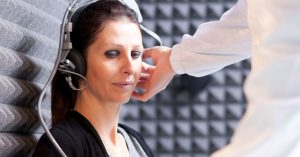
If noisy environments consistently cause frustration or exhaustion, it’s a good idea to get your hearing checked—even if you think your hearing is “mostly fine.” An audiologist can determine if there’s underlying hearing loss and recommend solutions tailored to your needs, from hearing aids to auditory training or communication strategies.
Conclusion
If you’ve ever found yourself struggling to keep up with a conversation in a bar, restaurant, or crowded gathering, know that you’re not alone—and you’re not imagining things. Noisy environments are challenging for everyone, but especially for those with even mild hearing loss or age-related changes in how the brain processes sound. Between poor acoustics, overlapping speech, and mental fatigue, it’s no wonder that so many people feel frustrated, isolated, or simply avoid these situations altogether.
But avoiding social settings doesn’t have to be the answer. By understanding the factors that make hearing in noisy places so difficult, you can take proactive steps to manage the problem. Whether it’s seeking out quieter venues, using hearing aids or assistive devices, practicing communication strategies, or simply asking for better seating, there are many ways to reclaim your confidence in social situations.
Most importantly, if you’ve noticed a recurring struggle with hearing in noisy environments, don’t wait to take action. A hearing evaluation is a simple step that can uncover hidden hearing loss and open the door to solutions that improve not just your hearing, but your overall quality of life. You deserve to enjoy conversations, laughter, and connection—wherever they happen.
FAQ
Why is it harder to hear in bars than in quiet places?
Bars are filled with background noise, reflective surfaces, and competing conversations—all of which make it difficult for your brain to isolate and understand speech. Even people with normal hearing can struggle, but it’s especially challenging for those with hearing loss or age-related auditory changes.
Does hearing loss always mean I’ll struggle in noisy environments?
Not always, but it’s one of the most common early signs. Many people with mild hearing loss first notice problems in social settings like bars and restaurants. The more background noise, the more your brain has to work to understand speech, making even minor hearing loss more noticeable.
Can hearing aids help me hear better in noisy places?
Yes—modern hearing aids are designed with features like directional microphones, background noise reduction, and customizable settings that can significantly improve hearing in complex environments. They may not eliminate all noise, but they can make speech much clearer.
What can I do if I don’t have hearing aids?
There are still plenty of strategies you can use, such as sitting in quieter areas, using apps or assistive listening devices, and relying on visual cues like lip reading. Planning ahead by choosing quieter venues or off-peak times can also make a big difference.
Should I get my hearing tested if I only struggle in noisy places?
Yes. Difficulty hearing in noisy environments is often one of the first signs of hearing loss. A hearing test can determine if there’s an underlying issue and help you explore treatment options to improve your hearing and quality of life.
This article is for informational purposes only and is not a substitute for professional medical advice, diagnosis, or treatment. If you are concerned about your hearing or ear health, please consult a qualified healthcare provider.