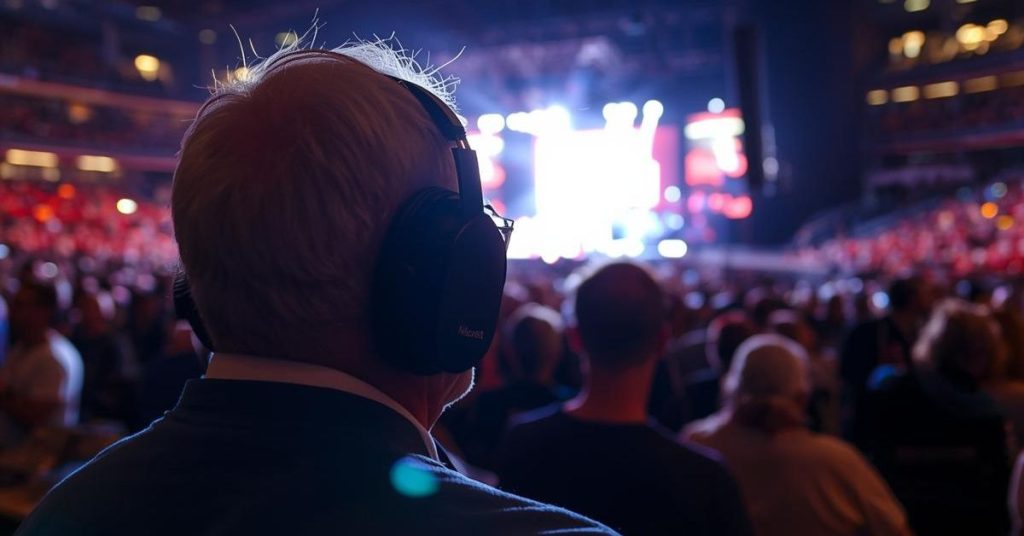
Have you ever walked out of a loud concert or a bustling event and noticed that your ears felt muffled, or sounds around you seemed distant or dull? That sensation, while often temporary, is known as a temporary threshold shift (TTS)—a short-term change in your hearing ability caused by exposure to loud sounds. While it usually fades with time, understanding what it is and how it happens is crucial for protecting your hearing in the long run.
Temporary threshold shift is a warning sign from your ears that they’ve been pushed beyond their comfort zone. Though it often resolves within a few hours to a couple of days, repeated episodes of TTS can add up, increasing your risk for permanent hearing damage over time. For adults over 50, who may already experience age-related hearing changes, protecting against further strain is especially important.
In this article, we’ll break down what TTS is, what causes it, how to recognize the symptoms, and—most importantly—how you can prevent it. Whether you enjoy live music, work in noisy environments, or simply want to preserve your hearing health, understanding TTS is a vital step in safeguarding one of your most valuable senses.
What Is Temporary Threshold Shift?
Temporary threshold shift (TTS) is a short-term reduction in your ability to hear certain sounds, typically caused by exposure to loud noise. After spending time in a noisy environment—like a rock concert, a construction site, or even a loud restaurant—you might notice your hearing feels dulled or muffled. This is your ears’ way of recovering from an auditory overload.
At a biological level, TTS occurs when the delicate hair cells in your inner ear (specifically in the cochlea) become overstimulated by loud sounds. These hair cells are responsible for translating sound vibrations into electrical signals that the brain interprets as sound. Loud noise can temporarily “fatigue” these cells, making them less responsive, which results in reduced hearing sensitivity.
Unlike permanent hearing loss, which involves irreversible damage to these hair cells, TTS typically resolves on its own. Depending on the volume and duration of the noise exposure, your hearing may return to normal within a few hours or days. However, frequent or prolonged exposure to loud noise without protection can lead to permanent threshold shift (PTS)—a condition that does not go away.
It’s important to note that TTS is not limited to one specific frequency range. Often, the shift occurs in the higher frequencies first, which is why people may struggle to hear higher-pitched sounds like birdsong or women’s voices right after loud noise exposure. Over time, this can evolve into more noticeable hearing difficulties if left unmanaged.
Understanding TTS is crucial because it’s often the first sign that your ears are being overexposed to harmful noise levels. Think of it as your hearing’s version of a warning light—it’s reversible, but only if you pay attention and take protective measures going forward.
Common Causes of Temporary Threshold Shift
Temporary threshold shift (TTS) is more common than many people realize, largely because it can be triggered by everyday activities and environments. You don’t need to work on a construction site or attend heavy metal concerts to experience TTS—although those certainly increase the risk. In fact, any prolonged exposure to sounds above 85 decibels (dB) can cause a temporary reduction in hearing sensitivity.
Loud Music and Concerts
One of the most frequent causes of TTS is listening to loud music, especially at live concerts or through personal headphones. Concerts can reach volumes of 100–120 dB, which is well above the safe listening threshold. Even a single evening at a loud event can leave your ears feeling muffled for hours afterward.
Headphones and Earbuds
Many people use earbuds or headphones at high volumes, often to drown out background noise. This can easily push sound levels beyond safe limits, especially if used for extended periods. Noise-cancelling headphones can help by allowing you to listen at lower volumes, but only if used responsibly.
Power Tools and Household Equipment
Using lawnmowers, leaf blowers, drills, or even blenders for extended periods can expose you to hazardous sound levels. Many of these tools operate around 90–110 dB, making them a common but underestimated risk factor for TTS.
Fireworks and Sporting Events
Attending fireworks displays or major sporting events, especially in indoor arenas or enclosed stadiums, can expose your ears to sudden bursts of very loud sound. Fireworks can exceed 150 dB at close range—enough to cause immediate TTS or even permanent damage without protection.
Workplace Noise
People in manufacturing, construction, aviation, and other industrial fields are often exposed to continuous loud noise. Even brief periods without proper hearing protection can result in TTS. This is why occupational safety guidelines emphasize hearing conservation programs and protective gear.
Daily Environmental Noise
Even city life can be noisy enough to cause concern. Subways, traffic, emergency sirens, and loud bars or restaurants all contribute to cumulative noise exposure that, over time, can add up.
Recognizing these common sources of loud noise is the first step toward prevention. While a single episode of TTS might not seem serious, repeated exposures—even brief ones—can lead to permanent damage over time. It’s essential to be mindful of your environment and take action to protect your hearing wherever possible.
Symptoms and Signs to Watch For
Temporary threshold shift can be subtle or very noticeable, depending on the intensity and duration of the noise exposure. Recognizing the signs of TTS early can help you take proactive steps to prevent further hearing damage.
Muffled or Dull Hearing
The most common symptom is a sensation that sounds are muffled or distant. Voices may seem harder to distinguish, and you might find yourself needing to turn up the volume on devices that previously sounded fine.
Tinnitus (Ringing in the Ears)
Many people experience temporary ringing, buzzing, or hissing in the ears after exposure to loud noise. This symptom—called temporary tinnitus—often accompanies TTS and may fade within a few hours or days. If it persists, it could indicate more serious damage.
Difficulty Hearing High-Frequency Sounds
TTS often affects high-pitched sounds first. You may have trouble hearing birds chirping, alarms beeping, or consonants like “s” and “f” in conversation. This can make speech sound less clear and harder to understand.
Fullness or Pressure in the Ears
Some individuals report a sensation of pressure or fullness in the ears following loud sound exposure. While not always present, this symptom can occur alongside hearing changes and may be mistaken for sinus or ear infections.
Sensitivity to Sound
After experiencing TTS, you might notice an increased sensitivity to everyday sounds—a condition known as temporary hyperacusis. Sounds that didn’t bother you before may now seem overly loud or sharp as your ears recover.
Duration of Symptoms
Most cases of TTS resolve within a few hours to 48 hours. However, if symptoms last longer than two to three days—or if they worsen—you should consult a hearing care professional. Persistent symptoms may signal a more serious or permanent hearing issue.
These signs are your body’s way of saying “your ears need a break.” TTS is reversible, but it should never be ignored. Frequent episodes can lead to permanent threshold shift and long-term hearing challenges.
The Recovery Process: How Hearing Returns After TTS
Once the noise stops, your ears begin to recover. Recovery from temporary threshold shift typically happens on its own, but the speed and completeness of recovery can depend on a few key factors: the loudness of the noise, how long you were exposed, and your overall hearing health.
How the Ears Heal
The inner ear’s hair cells—responsible for detecting sound—are not destroyed during TTS, just overstimulated. With rest, these cells usually regain their function, restoring your hearing back to its baseline. However, repeated exposure can lead to permanent damage where these cells no longer recover.
Typical Recovery Timeline
Most people recover within a few hours to 48 hours. Some may need up to a week, especially after extremely loud events. During this time, it’s important to avoid additional noise exposure to allow for proper healing.
When to Seek Help
If your hearing doesn’t return to normal after 72 hours, or if the tinnitus becomes persistent, you should see a licensed audiologist or hearing specialist. Early intervention can improve outcomes and prevent further damage.
Factors That Affect Recovery
Age, existing hearing conditions, and lifestyle habits (such as smoking or poor circulation) can slow down recovery. Older adults, in particular, may take longer to bounce back or may already be experiencing age-related hearing loss that TTS can temporarily worsen.
Supporting Recovery
The best way to aid recovery is to rest your ears. Avoid loud environments, lower the volume on electronic devices, and avoid using headphones until your hearing stabilizes. Staying hydrated and getting adequate rest also support overall healing.
Temporary threshold shift doesn’t leave lasting damage if managed well, but it’s a warning to start protecting your ears more consciously. It’s much easier to prevent hearing loss than to reverse it.
Prevention Tips: Protecting Your Hearing in Loud Situations
Preventing TTS is entirely possible—and relatively easy—once you’re aware of the risks. Whether you’re at a concert, mowing the lawn, or enjoying a fireworks display, protecting your ears can make all the difference in your long-term hearing health.
Use Hearing Protection
Earplugs or earmuffs are effective at reducing sound exposure by 15–30 dB, depending on the type. Keep a pair of reusable earplugs in your bag or car for impromptu noisy situations like sporting events or construction zones.
Follow the 60/60 Rule
When using headphones, listen at no more than 60% of the maximum volume for no more than 60 minutes at a time. Take listening breaks to give your ears a rest.
Choose Noise-Cancelling Headphones
These can help you hear clearly at lower volumes by reducing background noise. Just be cautious not to crank up the volume unnecessarily, as even with better clarity, overexposure is still possible.
Measure the Noise
Apps like NIOSH Sound Level Meter or Decibel X can help you check real-time sound levels. If the environment exceeds 85 dB, limit your exposure or wear hearing protection.
Create Quiet Zones
Give your ears regular breaks from noise throughout the day, especially if you live in a loud city or work in a noisy industry. Even 10–15 minutes of quiet can help reset your auditory system.
Be Proactive in Noisy Workplaces
If your job involves loud machinery or constant background noise, advocate for hearing conservation programs and use proper protection every day. Regular hearing checks can also catch early signs of damage.
Educate Others
Spread the word about safe listening habits with family and friends. Teaching children and teens about the importance of hearing protection can help instill lifelong habits.
A few small changes can protect your hearing for years to come. TTS is reversible—but only if you take the warning seriously and adjust your habits accordingly.
Conclusion
Temporary threshold shift might be temporary, but its message is clear: your ears need protection. Whether you’re 25 or 75, safeguarding your hearing is a lifelong commitment, and it starts with recognizing the signs and causes of short-term hearing loss.
By understanding how TTS works, identifying its symptoms, and making simple changes to your daily habits, you can prevent further damage and maintain your hearing health well into the future. From wearing earplugs at concerts to lowering your headphone volume, every small step counts.
Hearing loss isn’t always sudden. It often begins with brief, recoverable shifts—like TTS—that we brush off. But each one is a chance to change course. Listen to what your ears are telling you and take action now to protect one of your most vital senses.
FAQ
What is the difference between temporary and permanent threshold shift?
A temporary threshold shift is a short-term reduction in hearing sensitivity that usually resolves within a few hours to days. A permanent threshold shift involves irreversible damage to the inner ear hair cells, resulting in long-lasting hearing loss.
How long does it take to recover from a temporary threshold shift?
Most people recover from TTS within 24 to 48 hours. However, recovery time can vary depending on the intensity of the noise exposure and individual factors like age and preexisting hearing conditions.
Can you experience temporary threshold shift more than once?
Yes, repeated episodes of TTS are common, especially in people frequently exposed to loud noise. However, repeated shifts increase the risk of developing permanent hearing damage over time.
Is it safe to use headphones every day?
Yes, but it’s important to follow safe listening guidelines. Keep the volume below 60% of the maximum and limit use to 60 minutes at a time. Noise-cancelling headphones can help reduce the need for high volumes.
When should I see a doctor for hearing changes?
If your hearing doesn’t return to normal after 72 hours, or if you experience persistent ringing, pain, or dizziness, consult a hearing specialist. Early treatment can prevent further damage and identify other underlying issues.
“This article is for informational purposes only and is not a substitute for professional medical advice, diagnosis, or treatment. If you are concerned about your hearing or ear health, please consult a qualified healthcare provider.”