Hearing loss is more common than many people realize, and it affects individuals in different ways depending on its cause and severity. For some, changes in hearing appear suddenly due to something as simple as a buildup of earwax or a temporary infection. For others, hearing fades gradually over time and is linked to long-term factors such as aging, noise exposure, or underlying medical conditions. Because hearing is such an essential part of communication, social connection, and overall wellbeing, understanding what’s happening when sounds suddenly seem muffled—or slowly become harder to detect—is incredibly important.
One of the biggest questions people have when they first notice hearing difficulties is whether the problem is temporary or permanent. The answer matters, not only for peace of mind but also for how quickly treatment should begin. Temporary hearing loss often has clear and treatable causes, while permanent hearing loss involves more lasting changes to the auditory system that typically require ongoing support.
In this article, we’ll explore the differences between temporary and permanent hearing loss, what causes each type, what symptoms to look for, how hearing professionals diagnose the issue, and the treatment approaches you can expect. Understanding these distinctions can make it easier to take the right steps and protect your long-term hearing health whenever you notice changes in how well you hear.
What Is Temporary Hearing Loss?
Temporary hearing loss occurs when something interferes with the normal movement of sound through the ear, but the underlying structures responsible for hearing remain intact. In many cases, this type of hearing loss develops suddenly, creating a noticeable change in how clearly or loudly sounds are heard. The good news is that temporary hearing loss is often reversible once the cause is properly identified and treated, which is why timely evaluation is so important.
One of the most common causes of temporary hearing loss is earwax buildup. When earwax becomes impacted, it can block sound from reaching the eardrum effectively, resulting in muffled or reduced hearing. Another frequent cause is middle ear infections, especially when fluid builds up behind the eardrum. This fluid prevents sound from passing through the middle ear as it normally would, creating a sense of fullness, pressure, or muted hearing. Seasonal allergies, sinus congestion, and even sudden changes in pressure—such as during flights—can lead to similar issues.
Exposure to loud noise can also trigger temporary hearing changes. After attending a loud concert or spending time near heavy machinery, people may notice ringing in their ears or difficulty hearing clearly. This is known as a temporary threshold shift, and while hearing often returns to normal after several hours or days, repeated exposure without protection can lead to permanent damage over time.
Temporary hearing loss usually resolves once the underlying problem is addressed. Earwax can be safely removed by a healthcare professional, infections can be treated with medication, and congestion or fluid buildup may clear with time or targeted treatment. However, it’s important not to assume hearing loss will always correct itself. If symptoms persist for more than a couple of days, or if pain, dizziness, or drainage accompanies the hearing changes, seeking professional care helps ensure proper recovery and prevents complications.
What Is Permanent Hearing Loss?
Permanent hearing loss, often referred to as sensorineural hearing loss, occurs when there is lasting damage to the delicate structures of the inner ear or the auditory nerve pathways that send sound signals to the brain. Unlike temporary hearing loss, this type does not resolve on its own because the affected cells—particularly the tiny hair cells inside the cochlea—cannot naturally repair or regenerate. As a result, changes in hearing sensitivity are typically long-term and require ongoing support or rehabilitation.
The most common cause of permanent hearing loss is age-related hearing decline, known medically as presbycusis. As people grow older, the structures within the inner ear gradually wear down, making it harder to hear high-frequency sounds, follow conversations in noisy places, or understand speech clearly. Another major cause is long-term noise exposure, such as working around loud equipment, using power tools without hearing protection, or listening to music at high volumes through headphones. Repeated exposure to loud sound can permanently damage the sensory hair cells responsible for transmitting sound information.
Permanent hearing loss can also result from genetic factors, certain medications known to affect hearing (ototoxic drugs), head trauma, or medical conditions such as diabetes, cardiovascular disease, and autoimmune disorders. In these cases, hearing loss may come on gradually or suddenly, depending on the underlying issue. Sudden sensorineural hearing loss—which occurs rapidly, often within hours—requires immediate medical attention since early treatment increases the chance of partial recovery.
Although permanent hearing loss cannot be reversed, many effective solutions can significantly improve communication and quality of life. Hearing aids, for example, amplify sounds in a way tailored to a person’s unique hearing pattern. For severe or profound loss, cochlear implants may be considered. Other tools, such as assistive listening devices, captioning technologies, and communication strategies, can also make daily interactions much easier. The key is early identification and proactive management, which help prevent further deterioration and support long-term hearing health.
Key Differences Between Temporary and Permanent Hearing Loss
While temporary and permanent hearing loss can feel similar at first—both may cause muffled sounds, difficulty understanding speech, or a sense that one ear isn’t working properly—the underlying causes and long-term implications are very different. Recognizing these differences is essential for determining whether hearing is likely to recover naturally, needs medical treatment, or requires long-term hearing support.
One of the biggest distinctions lies in the cause. Temporary hearing loss is usually linked to issues that block or interrupt sound from reaching the inner ear, such as earwax, fluid buildup, infections, or short-term noise exposure. These issues affect how sound travels through the outer or middle ear but do not permanently damage the inner ear structures. In contrast, permanent hearing loss involves damage to the inner ear or auditory nerve, often due to aging, prolonged noise exposure, certain medications, or medical conditions. Because these structures cannot regenerate, the hearing loss remains even after the initial cause is addressed.
Another key difference is the expected recovery. Temporary hearing loss often improves once the underlying trigger is treated—wax is removed, infections clear, or inflammation subsides. Many people notice improvement within days or weeks. Permanent hearing loss, however, typically does not get better on its own. While treatments such as hearing aids or cochlear implants can significantly improve communication and clarity, they do not restore natural hearing.
Symptoms can also provide clues. Temporary hearing loss often appears suddenly and may come with a feeling of fullness, pain, pressure, or changes due to congestion. Permanent hearing loss generally develops more gradually, especially when related to aging or long-term noise exposure. People might notice they are turning up the TV more often, struggling in noisy rooms, or misunderstanding speech even when things seem “loud enough.”
Finally, the diagnostic results differ. Hearing tests for temporary hearing loss often show a gap between air-conduction and bone-conduction results, indicating that sound is being blocked or interrupted. Permanent hearing loss shows reduced sensitivity across certain pitches, especially high frequencies, without this gap. These test patterns help hearing professionals determine whether recovery is likely and what treatments are most appropriate.
How Hearing Professionals Diagnose Temporary vs. Permanent Loss
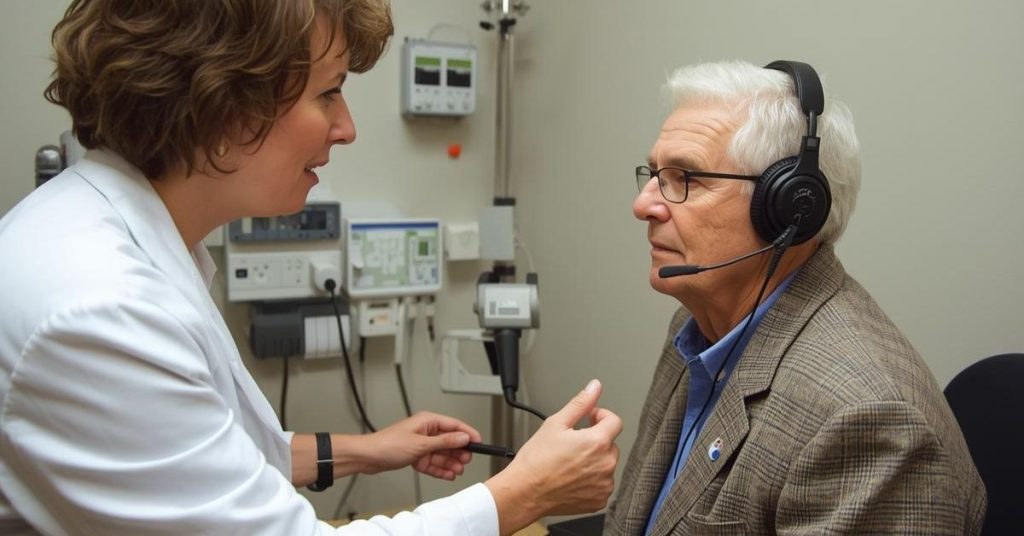
When someone experiences changes in their hearing, a hearing professional—such as an audiologist or an ear, nose, and throat (ENT) specialist—uses a combination of physical exams, hearing tests, and medical history to determine whether the hearing loss is temporary or permanent. This diagnostic process is essential because the right treatment depends entirely on identifying the underlying cause. What may seem like a simple blockage to the patient could, in fact, be a sign of something more significant, and early evaluation helps ensure nothing is overlooked.
The first step typically involves a visual examination of the ear canal and eardrum. Using an otoscope, the clinician checks for impacted earwax, signs of infection, fluid behind the eardrum, inflammation, or damage. Many temporary causes can be identified at this stage, and sometimes treatment begins immediately—for example, removing wax or prescribing medication for an active infection. If the outer or middle ear appears clear, the clinician moves on to more detailed testing.
Next, a series of audiological tests helps measure how well sound is being detected at different volumes and frequencies. The most common test is pure-tone audiometry, where you respond to tones played through headphones. Another important test is tympanometry, which evaluates how the eardrum moves in response to air pressure. Tympanometry is especially helpful for identifying fluid buildup, blockages, or eardrum problems—all typical causes of temporary hearing loss.
Perhaps the most significant difference identified through testing is whether the hearing loss is conductive or sensorineural. Conductive hearing loss—often temporary—appears as a gap between air-conduction and bone-conduction thresholds, showing that something is blocking sound on its way to the inner ear. Sensorineural loss, which is generally permanent, shows reduced hearing sensitivity across certain pitches without that gap, indicating inner ear or nerve damage.
Finally, the hearing professional reviews medical history and symptoms, including how quickly the hearing loss developed, whether it affects one or both ears, and whether other symptoms such as ringing, dizziness, or pain are present. This information helps pinpoint whether the issue is temporary and treatable, or likely permanent and requiring long-term support. By combining all these tools, professionals can provide a clear diagnosis and guide patients toward the most effective next steps.
Treatment Options and Next Steps
Treatment for hearing loss depends entirely on whether the issue is temporary or permanent, which is why getting an accurate diagnosis is so important. Once the cause is identified, healthcare professionals can guide you through the most appropriate steps to restore hearing, manage symptoms, or provide long-term support. Understanding these options helps individuals and families make informed decisions about their hearing health.
For temporary hearing loss, treatment focuses on addressing the underlying issue. If earwax buildup is the cause, a hearing professional can safely remove the blockage using specialized tools or irrigation. Middle ear infections may require prescription antibiotics or anti-inflammatory medications, while fluid trapped behind the eardrum often resolves on its own but may benefit from decongestants or allergy treatments. Noise-related temporary hearing changes typically improve within hours or days once the ears are given time to rest, though repeated exposure without protection increases the risk of long-term damage. In all cases, early evaluation is key—treating small issues promptly prevents them from becoming bigger problems.
For permanent hearing loss, the goal shifts from curing the condition to improving quality of life. Hearing aids are the most common and effective solution, offering personalized amplification that helps users hear speech more clearly and stay engaged in daily activities. Modern hearing aids come with advanced features such as noise reduction, directional microphones, and Bluetooth connectivity, making them highly adaptable to different listening environments. For individuals with severe or profound loss who receive limited benefit from hearing aids, cochlear implants may be considered. These surgically implanted devices stimulate the auditory nerve directly and can significantly improve perception of speech and environmental sounds.
In addition to medical devices, a variety of assistive listening technologies—such as amplified telephones, TV listening systems, and smartphone apps—can make communication easier. Many people also benefit from learning new communication strategies, including lip-reading techniques, choosing quieter seating in restaurants, or using captioning services during meetings and calls. These practical tools support everyday interactions and reduce the frustration often associated with hearing challenges.
Regardless of the type of hearing loss, one of the most important steps is ongoing monitoring. Hearing can change over time, and regular checkups help ensure that treatments continue to meet your needs. Whether the goal is to recover from a temporary issue or to manage permanent changes effectively, working closely with hearing health professionals provides the best path toward clearer communication, greater confidence, and a better overall quality of life.
Conclusion
Understanding the difference between temporary and permanent hearing loss is essential for taking the right steps toward protecting your hearing health. While temporary hearing loss often arises from treatable issues such as earwax buildup, infections, or short-term noise exposure, permanent hearing loss involves lasting changes to the inner ear or auditory nerve that require long-term management. Recognizing whether hearing difficulties appear suddenly, come with a sense of fullness or discomfort, or develop gradually over time can offer important clues, but a professional evaluation is always the most reliable way to determine the cause.
Early action makes a tremendous difference. Treating temporary issues promptly can restore hearing and prevent complications, while identifying permanent hearing loss early allows individuals to benefit sooner from hearing aids, cochlear implants, and other supportive technologies. These solutions not only improve communication but also help maintain cognitive health, emotional wellbeing, and a strong connection with loved ones.
No matter the type, hearing loss should never be ignored. If you or someone you care for notices changes in hearing—whether mild, sudden, or gradual—seeking help from a qualified hearing professional ensures the best chance of recovery, adaptation, and long-term hearing wellness. Taking that first step can make all the difference in staying engaged, confident, and connected.
FAQ
What are the most common signs of temporary hearing loss?
Temporary hearing loss often comes on suddenly and may include muffled hearing, a feeling of fullness in the ear, pressure, or difficulty hearing after a loud event. It can also be accompanied by symptoms like pain, congestion, or ringing. These signs typically improve after the underlying cause—such as earwax, fluid, or infection—is treated.
Can permanent hearing loss happen suddenly?
Yes. Although many cases of permanent hearing loss develop gradually, sudden sensorineural hearing loss can occur rapidly, often within hours. This is considered a medical emergency, and immediate treatment increases the chances of partial recovery. Anyone experiencing sudden unexplained hearing loss should seek urgent medical care.
How can I tell if my hearing loss is temporary or permanent?
While certain clues can help—such as pain or pressure suggesting a temporary cause—there is no reliable way to diagnose the type on your own. A hearing evaluation is essential. Audiologists and ENT specialists use tests that distinguish conductive (often temporary) from sensorineural (usually permanent) hearing loss.
Do temporary hearing problems always go away on their own?
Not always. Some temporary causes, such as mild congestion, may resolve without treatment, but others require professional care. Impacted earwax, infections, and fluid buildup often need proper treatment to fully restore hearing. If symptoms last more than a few days, it’s best to seek evaluation.
What treatments are available for permanent hearing loss?
While permanent hearing loss cannot be reversed, many effective solutions can significantly improve communication. Hearing aids are the most common option, offering personalized amplification. Cochlear implants may be recommended for severe cases. Assistive listening devices, captioning services, and communication strategies also make daily life easier.
This article is for informational purposes only and is not a substitute for professional medical advice, diagnosis, or treatment. If you are concerned about your hearing or ear health, please consult a qualified healthcare provider.