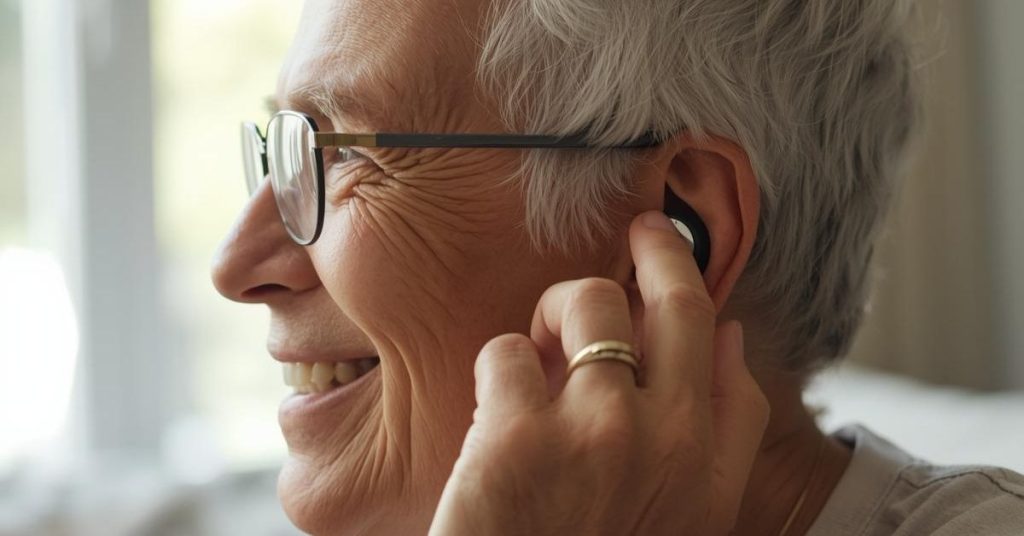
Hearing plays a central role in staying connected, engaged, and independent—yet for many seniors, gradual hearing loss can quietly make everyday life more challenging. Conversations may become harder to follow, social situations can feel overwhelming, and once-enjoyable activities may not feel the same. The good news is that today’s hearing aids are more advanced, comfortable, and user-friendly than ever before, offering powerful support for older adults who want to stay active and confident in their communication.
This article explores the best hearing aids for seniors by breaking down the features that matter most, the models that consistently perform well, and expert insights to help individuals and caregivers make informed decisions. Modern hearing aids are not “one size fits all,” and understanding how they differ can make the process of choosing the right pair much easier. Whether someone is experiencing mild age-related hearing changes or navigating more significant hearing loss, there are solutions designed to meet their needs and lifestyle.
As technology evolves, hearing aids now offer improvements in sound clarity, background noise reduction, and even seamless connectivity with phones and televisions. These enhancements can dramatically improve social interactions and overall wellbeing. With the right device—and guidance from a hearing care professional—seniors can regain confidence, stay engaged with loved ones, and enjoy clearer, more natural hearing every day.
Understanding Hearing Loss in Seniors
As we age, changes in our auditory system become increasingly common. In fact, age-related hearing loss—known as presbycusis—is one of the most widespread conditions affecting older adults. It typically develops gradually, making it easy to overlook until communication becomes noticeably more difficult. Presbycusis often affects both ears and primarily reduces the ability to hear high-frequency sounds, which are essential for understanding speech, especially consonants like s, f, and th. This can make conversations seem muffled or unclear, even when a person believes the overall volume is loud enough.
Beyond natural aging, several other factors contribute to hearing loss in seniors. Long-term noise exposure from work or hobbies, chronic health conditions such as diabetes or hypertension, and certain medications can all play a role in reducing hearing ability over time. The cumulative effect can change how well seniors process sound, especially in challenging listening environments like restaurants, group gatherings, or outdoor spaces with wind and background noise.
Untreated hearing loss doesn’t just affect hearing—it can impact emotional and cognitive wellbeing too. Many seniors withdraw from social interactions when conversations become frustrating, leading to feelings of isolation or reduced quality of life. Research also suggests a link between untreated hearing loss and cognitive decline, as the brain works harder to interpret unclear sound signals. Additionally, hearing difficulties can affect safety by making it harder to hear alarms, approaching vehicles, or important cues when out in the community.
Understanding the nature of age-related hearing loss is the first step toward choosing an effective solution. A properly selected hearing aid can significantly improve communication, boost confidence, and help seniors stay connected to the world around them. With today’s technology, there are more supportive and accessible options than ever before—making it easier for older adults to find a device that truly fits their needs.
Top Features Seniors Should Look For in Modern Hearing Aids
Today’s hearing aids offer a range of advanced technologies designed to make listening easier, clearer, and more comfortable for older adults. While every individual’s needs are different, several key features consistently help seniors get the most benefit from their devices. Understanding these features can make the selection process less overwhelming and ensure that the chosen hearing aid truly enhances day-to-day life.
One of the most important features for seniors is noise reduction, which helps filter out background sounds so speech becomes easier to understand. Whether in a bustling restaurant or on a busy street, strong noise-management technology can dramatically improve conversations. Paired with this, directional microphones focus on sound coming from a specific direction—often straight ahead—allowing wearers to better follow the person they’re speaking with. These two features alone can significantly reduce listening effort and frustration.
Another major consideration is battery type. Many seniors appreciate rechargeable hearing aids because they eliminate the need to handle small disposable batteries, which can be difficult for those with arthritis or limited dexterity. A simple overnight charge provides a full day’s use, making the devices more convenient and easier to manage. For those who prefer traditional batteries, choosing devices with longer battery life can minimize the need for frequent replacements.
Bluetooth connectivity has become a highly valued feature as well. With Bluetooth-enabled hearing aids, seniors can stream phone calls, music, and TV audio directly to their ears, creating a clearer and more enjoyable listening experience. This also reduces the struggle of understanding voices on the phone or needing the television volume at uncomfortable levels for others in the household.
Lastly, seniors may benefit from features like telecoils for improved performance in public spaces with hearing loops, automatic scene detection that adjusts settings based on the environment, and user-friendly controls that are simple to adjust without frustration. These features help ensure that hearing aids not only enhance sound quality but also seamlessly fit into daily routines.
The Best Hearing Aid Styles for Seniors
Choosing the right hearing aid style is just as important as selecting the right technology. Seniors have a variety of options, and each style offers unique benefits related to comfort, visibility, ease of handling, and performance. Understanding how these designs differ can help older adults and caregivers make confident, informed decisions.
One of the most popular choices for seniors is the Behind-the-Ear (BTE) hearing aid. BTE models rest comfortably behind the ear and connect to an earmold or dome that sits inside the ear canal. They are known for durability, reliability, and ease of handling—making them especially helpful for individuals with arthritis or dexterity challenges. BTE devices also provide ample power, making them suitable for mild to profound hearing loss. Their larger size allows for strong battery life and additional features, such as telecoils and Bluetooth connectivity.
Another widely recommended option is the Receiver-in-Canal (RIC) hearing aid. RICs are similar to BTEs but feature a small speaker placed directly in the ear canal. This design produces a more natural sound quality and reduces the feeling of fullness sometimes associated with other styles. RIC devices are lightweight, discreet, and very comfortable, making them a top choice for seniors who want both aesthetics and performance. They also support a wide range of features and hearing loss levels.
For those seeking a more customized fit, In-the-Ear (ITE) hearing aids are molded to the individual’s ear and sit entirely within the ear opening. They are easier to insert and remove than smaller styles and can still house advanced features, though usually fewer than BTE or RIC models. ITE devices work well for seniors who prefer simplicity and want a device that is easy to manage without being overly small.
At the smallest end of the spectrum are Completely-in-Canal (CIC) and Invisible-in-Canal (IIC) hearing aids. These offer maximum discretion but come with trade-offs. Their tiny size can be difficult for seniors to handle, and they typically have shorter battery life and fewer features. They may also not provide enough amplification for moderate to severe hearing loss. While these models appeal to those prioritizing invisibility, they may not be the best fit for many older adults.
Ultimately, the most suitable style depends on each senior’s hearing needs, finger dexterity, cosmetic preferences, and lifestyle. Working with a hearing care professional ensures that the chosen model not only fits comfortably but also supports long-term success.
Top-Rated Hearing Aids for Seniors in 2025
The hearing aid market continues to evolve rapidly, offering seniors more advanced, user-friendly, and versatile devices than ever before. While the “best” hearing aid depends on individual needs and a professional evaluation, several brands and models consistently stand out for their performance, reliability, and senior-friendly features. In this section, we’ll explore some of the top-rated options for 2025, focusing on real-world benefits rather than technical jargon.
Phonak remains a leader in hearing technology, particularly with its Audéo Lumity series. These devices excel in background-noise management, making them ideal for seniors who struggle to hear in restaurants or group settings. The user-friendly rechargeability and seamless Bluetooth connectivity allow hands-free calls and easy pairing with TVs and smartphones. Many seniors appreciate the natural sound quality and automatic environmental adjustments that reduce the need to tinker with settings.
Oticon’s Real line is another strong contender. Known for its innovative “BrainHearing™” approach, Oticon devices aim to support the brain’s natural ability to process sound. This helps reduce listening fatigue—a common issue for older adults. The Real models offer excellent clarity, particularly in complex environments, and provide feedback reduction to minimize annoying whistling. Their discreet design and durability make them a favorite among active seniors.
For those who value comfort and aesthetics, Widex Moment Sheer hearing aids deliver exceptionally pure, natural sound with minimal processing delay. Widex is well-known for sound quality that many users describe as rich and crisp. These devices also feature strong tinnitus support, which can be a major advantage for seniors who experience ringing in the ears.
Signia Pure Charge&Go IX models offer powerful rechargeability, impressive noise reduction, and unique features like built-in motion sensors. These sensors help the hearing aid understand whether the wearer is stationary or moving, adjusting the sound accordingly to maintain clarity. Seniors who enjoy walking, traveling, or social events often find this dynamic adaptability especially helpful.
Finally, ReSound OMNIA hearing aids provide excellent speech understanding, even in noisy settings, thanks to advanced directional microphone systems. They also integrate well with smartphone apps, allowing simple adjustments to volume, programs, or sound settings without needing tiny physical controls. Their transparent sound signature appeals to those who prefer a natural, open listening experience.
While these models represent some of the best hearing aids available in 2025, the right choice always depends on an individual’s hearing profile, lifestyle, manual dexterity, and comfort preferences. A hearing care professional can help seniors test different options to ensure the best possible fit and performance.
Expert Tips for Choosing the Right Hearing Aid
Selecting the right hearing aid can feel overwhelming, especially with the wide range of technology and styles available today. For seniors and caregivers, having a clear plan makes the process far easier—and ensures the final choice genuinely improves daily communication. The following expert-backed tips help guide older adults through the journey of finding a device that fits their hearing needs, lifestyle, and comfort level.
One of the most important steps is to start with a professional hearing evaluation. A comprehensive assessment by an audiologist or hearing care specialist identifies the type and degree of hearing loss and determines which hearing aid styles and features will be most effective. Skipping this step often leads to frustration or underperforming devices, especially when people purchase hearing aids online without personalized guidance.
From there, seniors should try multiple models whenever possible. Hearing aids differ significantly in sound quality, comfort, and ease of use. What works beautifully for one person may not feel right for another. A good hearing provider will allow trials or adjustment periods so seniors can experience the devices in real-life situations—at home, outdoors, on the phone, and in social settings. This hands-on experience is invaluable for choosing a device that truly meets day-to-day needs.
It’s also essential to consider ease of handling and maintenance. Seniors with arthritis or limited dexterity may benefit from rechargeable hearing aids, larger controls, or app-based adjustments. Similarly, features like automatic program switching reduce the need for frequent manual adjustments, making the device simpler and more intuitive to use. For caregivers supporting a loved one, choosing a model with remote-care capabilities can make ongoing support easier and more efficient.
Another key consideration is understanding warranties and ongoing care. Hearing aids are long-term investments, and professional follow-up visits—including cleaning, adjustments, and annual hearing tests—are critical to ensuring optimal performance. Seniors should feel comfortable with their provider, understand the support included with their purchase, and know what to expect in terms of repairs or replacements.
Lastly, many people overlook the importance of realistic expectations and adaptation time. Hearing aids do not restore hearing to its youthful state instantly; instead, they help the brain gradually relearn how to process certain sounds. Patience and regular follow-up visits help ensure the best results.
Conclusion
Finding the best hearing aids for seniors is not just about choosing the most advanced device on the market—it’s about selecting a solution that aligns with each individual’s hearing needs, daily routines, and comfort preferences. Modern hearing aids offer remarkable improvements in clarity, connectivity, and ease of use, helping older adults stay connected to conversations, enjoy social activities, and maintain independence. With options ranging from powerful behind-the-ear models to sleek receiver-in-canal devices, there is a style and technology level suited for nearly every lifestyle.
As hearing loss becomes more common with age, seeking help sooner rather than later makes a meaningful difference. The right hearing aid can reduce listening effort, improve cognitive engagement, and enhance overall wellbeing. For seniors who may feel hesitant or overwhelmed, understanding the available features—and working with a trusted hearing care professional—can transform the experience into a positive, empowering journey.
By taking the time to evaluate needs, explore different models, and follow expert guidance, seniors and caregivers can confidently choose hearing aids that deliver long-lasting benefits. Clearer communication, renewed social confidence, and a higher quality of life are well within reach when the right technology is matched with proper care and support.
FAQ
What makes a hearing aid “best” for seniors?
The best hearing aids for seniors offer a combination of clear sound quality, strong background noise reduction, easy-to-use controls, and comfortable wear. Rechargeable batteries, Bluetooth connectivity, and automatic adjustments also make daily use simpler and more enjoyable. The ideal device is one that matches the individual’s hearing loss, dexterity, lifestyle, and comfort preferences.
Do seniors really need advanced features like Bluetooth?
Bluetooth isn’t required, but it can significantly improve convenience. Seniors can stream phone calls, music, and TV audio directly into their hearing aids, making speech easier to understand. This is particularly helpful for those who struggle with phone conversations or frequently watch television with others.
How long does it take to adjust to new hearing aids?
Most seniors need several weeks to fully adjust. Because the brain has adapted to reduced sound input over time, new hearing aids may initially make certain sounds feel loud or unfamiliar. Consistent use, follow-up appointments, and professional adjustments help create a smoother transition.
Are rechargeable hearing aids better for seniors?
For many older adults, yes. Rechargeable hearing aids eliminate the need to handle tiny disposable batteries and provide a full day of power with an overnight charge. This makes them especially helpful for seniors with arthritis, visual impairments, or limited dexterity.
Can hearing aids help prevent cognitive decline?
While hearing aids cannot stop cognitive decline, research suggests they may help reduce the risk by improving communication and decreasing the brain’s listening strain. By keeping seniors more socially and mentally engaged, hearing aids can support overall cognitive health.
“This article is for informational purposes only and is not a substitute for professional medical advice, diagnosis, or treatment. If you are concerned about your hearing or ear health, please consult a qualified healthcare provider.”