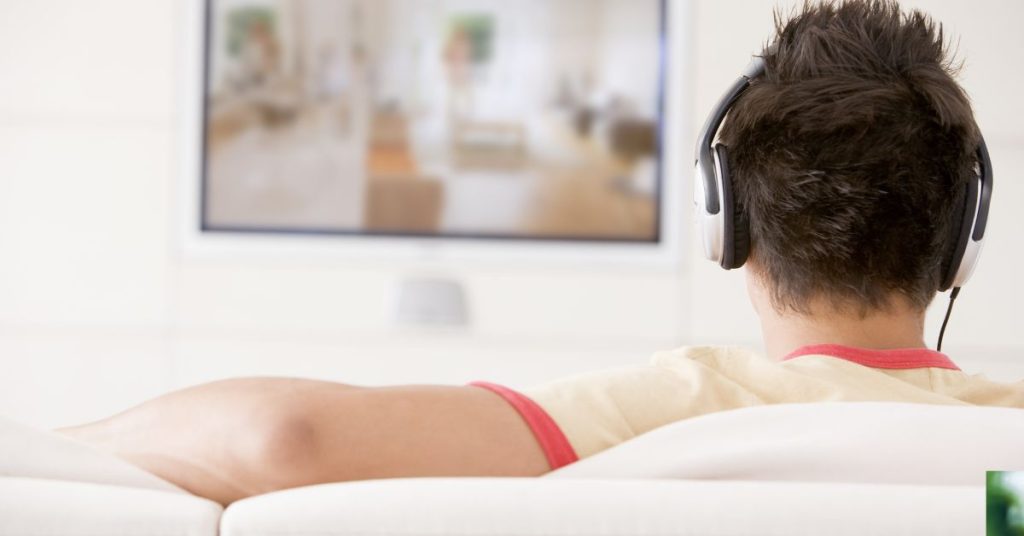
For many adults—especially those over 50—hearing the television clearly becomes more challenging over time. You may notice yourself turning up the volume higher than others prefer, struggling to follow dialogue during your favorite shows, or asking family members to repeat what a character just said. These are incredibly common experiences, and they often have less to do with the quality of the TV show and more to do with how modern audio is mixed, how today’s TVs are built, and how our hearing naturally changes with age.
Modern televisions are thinner and sleeker than ever, but their slim design leaves very little room for speakers that deliver clear, forward-facing sound. As a result, voices may seem muffled, music and background effects often overpower speech, and the overall listening experience can feel frustrating—especially for individuals with high-frequency hearing loss, which affects the ability to understand consonants and speech details. Even viewers with normal hearing can struggle with today’s cinematic-style sound mixing, making dialogue harder to separate from surrounding noise.
Hearing devices designed specifically for TV can dramatically improve this experience. These tools are made to enhance speech clarity, reduce background noise, and deliver sound directly to your ears at a volume that works for you—without disturbing anyone else in the room. Whether you prefer a simple plug-and-play headset or a high-tech wireless streamer that connects to your hearing aids, there is a solution that can restore the joy of watching TV without tension or strain.
In this article, we’ll explore why TV audio has become more difficult to hear, the different types of devices that can help, and the best options available today. We’ll also guide you through selecting the right device based on your needs and provide tips for getting the clearest listening experience possible. With the right technology, TV time can once again be a relaxing and enjoyable part of your day.
Why TV Audio Is Difficult to Hear
If you’ve ever wondered why TV dialogue seems harder to understand than it used to be, you’re not imagining it. Several modern factors—both technological and biological—combine to make television speech clarity a common challenge, especially for adults over 50. Understanding these factors can help you make sense of why a dedicated TV hearing device can make such a meaningful difference.
One of the biggest contributors is the design of modern televisions. As screens have become thinner and more streamlined, the space available for high-quality speakers has shrunk dramatically. Many TVs now rely on small, downward- or backward-facing speakers that bounce sound off walls, floors, or cabinets before it reaches your ears. This indirect sound path can muddy dialogue, making it harder to distinguish voices from background effects.
Another factor is the way TV audio is mixed today. Many shows and movies use cinematic soundtracks with dramatic music, booming effects, and layered background noise. While this makes for exciting audio on large theater speakers, it often overwhelms spoken words when coming through a standard TV. Dialogue frequencies—especially higher-pitched consonants—are easily masked by louder, lower-frequency sounds, leaving speech sounding muffled or unclear.
Then there’s the natural aging process. Age-related hearing loss, known as presbycusis, typically affects higher frequencies first. These frequencies contain much of the detail that helps decode speech, such as “s,” “t,” “f,” and “ch” sounds. When these details fade, speech may appear softer, blurred, or incomplete, even if it’s technically loud enough. This can lead to constant volume adjustments or the feeling that people on TV “mumble.”
Room acoustics also play a role. Hard surfaces like tile, wood floors, and bare walls cause sound reflections that can echo or distort dialogue. Soft furnishings like carpets and curtains can help absorb sound, but many living rooms aren’t optimized for clarity.
Together, these factors create a perfect storm: unclear speech, louder background noise, and difficulty hearing the high-frequency details that make dialogue understandable. Fortunately, a wide range of hearing devices is designed specifically to address these challenges and bring speech clarity back to your TV experience.
Types of Hearing Devices That Improve TV Listening
With so many factors affecting TV sound clarity, it’s no surprise that a wide range of hearing devices has been developed specifically to help people hear dialogue more clearly. These devices work in different ways—some amplify speech, some send sound directly to your ears, and others enhance clarity through specialized technology. Understanding the main categories will help you determine which type best fits your needs, your comfort level with technology, and your budget.
One of the most well-known solutions is TV-specific headset systems, such as TV Ears. These devices use a wireless transmitter connected to your TV and a lightweight headset that delivers audio directly to your ears. They allow you to set a personal volume without affecting the TV’s main speaker volume, making them ideal for households where one person needs louder sound while others do not. Their voice-enhancing features help lift dialogue above background noise, which is especially helpful for those with mild to moderate hearing loss.
Another popular option is wireless TV headphones. These typically use Bluetooth or radio frequency (RF) connections and offer clear, immersive sound. Unlike regular headphones, many models designed for TV watching include speech-enhancing technology and low-latency transmission to prevent audio delay. They’re a great choice for people who prefer a private listening experience or who find traditional TV speakers too distorted.
For individuals who want to improve overall room audio without wearing a headset, soundbars with dialogue enhancement are an excellent option. Many modern soundbars include features like “voice mode” or “clear speech enhancement,” which amplify dialogue while reducing background music and effects. Soundbars are also easy to install and help improve sound for all viewers in the room—not just the person with hearing difficulty.
Those who wear hearing aids may benefit most from TV streamers, which transmit sound from the TV directly into compatible hearing aids. This method offers exceptional clarity because the audio bypasses the room’s acoustics entirely. Streamers provide personalized amplification based on your hearing aid settings, making them ideal for individuals with mild to severe hearing loss who prefer a seamless, comfortable listening experience without wearing additional devices.
Another specialized solution is the hearing loop system, used in homes or public spaces. A loop transmitter sends sound through a wire loop installed around the room, which hearing aids with a telecoil (T-coil) can pick up. This creates a clean, direct audio connection free from background noise.
Each of these device types addresses TV listening challenges in different ways. By understanding how they work and who they benefit most, you’re better equipped to choose the solution that will make TV viewing clearer, easier, and more enjoyable.
Best Hearing Devices for TV in 2025: Top Recommendations
With so many TV hearing solutions on the market, choosing the right one can feel overwhelming. To make things easier, here are some of the best and most reliable devices available in 2025. These recommendations cover different styles, features, and budgets, ensuring there’s an option for everyone—whether you prefer a simple plug-and-play headset or a fully integrated hearing-aid streaming setup.
TV Ears Digital Wireless Headset
TV Ears continues to be a favorite for seniors and anyone who wants clearer dialogue without cranking up the volume. The system uses voice-enhancing technology that boosts speech frequencies, making dialogue easier to understand. It’s lightweight, comfortable for long viewing sessions, and allows users to adjust their personal volume independently of the TV. This makes it ideal for shared households where one person needs louder sound while others prefer normal volume.
Sennheiser RS 5200 Wireless TV Listening System
For excellent sound quality and long-term comfort, the Sennheiser RS 5200 is a top choice. Its stethoscope-style earbuds are designed specifically for TV clarity, and the low-latency audio means speech stays perfectly synced with the picture. The RS 5200 offers easily adjustable clarity modes, making it a great fit for people with mild to moderate hearing loss who want a customizable listening experience without complicated controls.
Sony Wireless TV Headphones (RF Connection)
Sony’s RF-based headphones provide strong, stable audio transmission with impressive range—sometimes up to 150 feet. They offer rich sound, comfortable over-ear padding, and simple charging via a docking base. Because RF technology doesn’t rely on Bluetooth, users enjoy virtually zero audio delay. These headphones suit those who prefer full-ear coverage and a more immersive listening experience.
Bose TV Speaker Soundbar
For people who prefer not to wear a headset, the Bose TV Speaker is one of the best soundbars for enhancing dialogue. It uses proprietary speech algorithms to lift voices forward while reducing background noise. The compact design fits easily below most TVs, and installation is straightforward. This is a strong choice for couples or families who want better shared audio without specialized devices.
Hearing Aid–Compatible TV Streamers (Widex TV Play, Phonak TV Connector, Oticon TV Adapter 3.0)
If you already wear hearing aids, hearing aid–specific TV streamers can provide the clearest, most personalized sound available. These devices send audio directly into your hearing aids—no headphones, wires, or speakers needed. Because the sound matches your unique hearing settings, you’ll hear dialogue with exceptional clarity. Streamers often offer long wireless range, low latency, and easy pairing, making them ideal for users with mild to severe hearing loss.
Home Loop Systems
Loop systems are an excellent option for people with hearing aids containing a telecoil (T-coil). Once installed, they produce clear, interference-free sound throughout the entire room. Users can move around freely while still enjoying full audio clarity. Loop systems are especially beneficial for people with more advanced hearing loss who want dependable, room-wide accessibility.
How to Choose the Right TV Hearing Device for Your Needs
Selecting the best TV hearing device isn’t just about picking the most advanced model—it’s about finding the solution that matches your hearing needs, comfort level, and lifestyle. With so many options available, taking a few practical factors into account will help ensure you get the most effective and enjoyable listening experience.
One of the first things to consider is your level of hearing loss. Individuals with mild to moderate hearing loss may find that TV headsets, wireless headphones, or soundbars provide all the clarity they need. However, those with more significant hearing loss typically benefit most from hearing aid–compatible TV streamers or loop systems, which deliver sound that’s customized to their exact hearing prescription.
Your comfort with technology also plays an important role. Some devices, like TV Ears or RF headphones, are extremely simple to set up and use—perfect for people who prefer a plug-and-play experience. In contrast, hearing aid streamers may require pairing, app use, or initial assistance from an audiologist. While they offer superior clarity, they are best for users who are comfortable with—or have support for—slightly more advanced technology.
Household dynamics matter, too. If you live with family members who prefer normal TV volume, personal listening devices such as headsets or hearing aid streamers allow you to adjust sound independently without affecting others. On the other hand, if everyone in the household would enjoy clearer audio, a soundbar with dialogue enhancement may be the most inclusive choice.
Budget can also be a deciding factor. TV headsets and soundbars are generally more affordable, while hearing aid streamers and loop systems may require a higher investment. It’s important to weigh cost against benefits—especially since the right device can significantly improve your daily comfort and reduce frustration.
You’ll also want to think about TV compatibility and wireless range. Most modern devices work with nearly any television, but older models or unique home theater setups may require adapters. Likewise, if you often move around the room or sit far from your TV, choosing a device with good range—such as RF headphones or a hearing loop—will make a noticeable difference.
Lastly, consider comfort and listening preferences. Some people love the immersive feel of over-ear headphones, while others dislike wearing anything on their head. Some prefer the simplicity of a soundbar, while others want the precision of direct-to-hearing-aid streaming.
By understanding your hearing needs, lifestyle, and personal preferences, you can confidently choose a TV hearing device that will make watching shows, movies, and daily news clearer and more enjoyable. The right match doesn’t just improve sound—it enhances your overall viewing experience.
Tips for Getting the Best TV Listening Experience
Even with the right device, small adjustments in your viewing environment and TV settings can make a big difference in how clearly you hear dialogue. Whether you’re using a headset, soundbar, or streaming audio directly to your hearing aids, these practical tips can help you get the most out of your listening setup and create a more comfortable, enjoyable TV experience.
One of the simplest improvements is to adjust your TV’s audio settings. Many televisions include built-in features such as “Dialogue Enhancement,” “Clear Voice,” or “Speech Mode,” which prioritize speech frequencies over background noise. Switching your sound profile from “Standard” or “Cinema” to “News” or “Voice” often improves clarity immediately. You can also turn off surround sound modes, which sometimes spread audio too widely and make speech harder to pinpoint.
Improve your room’s acoustics by softening hard surfaces that cause sound to echo. Simple additions like rugs, curtains, or upholstered furniture can reduce reverberation and help prevent dialogue from sounding hollow or muffled. If your TV speakers are positioned behind or below the screen, consider raising the TV or angling speakers toward your listening position for a more direct audio path.
If you use a soundbar, placing it directly beneath the TV and ensuring it isn’t blocked by cabinets or décor will help optimize its performance. For soundbars with voice-enhancement features, experiment with different settings to find the balance that feels clearest to your ears.
For people using wireless headphones or TV headsets, ensuring that the transmitter has a clear line of sight to the listening area can improve signal strength and reduce audio dropouts. Rechargeable devices also perform best when kept fully charged, so establishing a simple charging routine helps maintain consistent performance.
If you wear hearing aids, consider pairing them with a TV streamer or adjusting your hearing aid program for TV listening. Many hearing aids include specialized “media” or “TV” modes that reduce background noise and amplify speech. Your audiologist can fine-tune these programs to match your typical listening environment.
It’s also helpful to reduce competing noise sources in the room. Running appliances, open windows, or conversations happening nearby can all make dialogue harder to hear. Turning off background noise or selecting quieter times for TV watching can significantly improve clarity.
For caregivers supporting older adults, a little setup assistance goes a long way. Ensuring the device is charged, positioned correctly, and functioning properly helps the user feel confident and prevents unnecessary frustration. Labeling buttons or presets can make day-to-day use simpler and more intuitive.
By combining the right hearing device with thoughtful adjustments to your listening environment, you can reclaim a clear and enjoyable TV experience. Small changes often make big improvements—helping you relax, stay engaged in the storyline, and feel fully connected to the moments unfolding on screen.
Conclusion
Hearing the television clearly shouldn’t be a struggle, yet for many adults—especially those over 50—it becomes a daily frustration. Whether the challenge lies in modern TV speaker design, complex audio mixing, or age-related hearing changes, the result is often the same: dialogue that’s difficult to follow and viewing experiences that feel less enjoyable than they should be. Fortunately, today’s TV hearing devices offer practical, effective solutions that can restore clarity, comfort, and confidence to your favorite shows and movies.
From simple wireless headsets to advanced hearing aid streamers, there’s a device for every level of hearing need and every personal preference. Some options provide a private, customizable listening experience, while others enhance sound for everyone in the room. With the right tools, you no longer have to choose between turning up the volume, disturbing others, or missing important details in dialogue. Modern technology allows speech to be clearer, background noise to fade appropriately, and TV time to feel relaxing again.
Choosing the best device starts with understanding your hearing profile, comfort with technology, and typical viewing habits. Taking the time to match these factors with the right solution can transform a challenging listening environment into an enjoyable one. Combine that with a few simple setup tips, and you’ll experience a noticeable improvement in TV clarity almost immediately.
As you explore your options, remember that better TV hearing isn’t just about convenience—it’s about staying connected to the stories, news, and entertainment that enrich your day. Clearer dialogue means more meaningful shared moments, more confident viewing, and a renewed sense of enjoyment at any age.
FAQ
What is the best type of hearing device for watching TV?
The best device depends on your hearing needs and personal preferences. For mild to moderate hearing loss, wireless TV headsets or soundbars with voice enhancement work very well. For individuals with more significant hearing loss or who already wear hearing aids, a TV streamer that sends sound directly into the hearing aids typically provides the clearest and most comfortable listening experience.
Do TV hearing devices work for people with severe hearing loss?
Yes. Hearing aid–compatible TV streamers and loop systems are excellent for individuals with moderate to severe hearing loss. These solutions bypass room acoustics and deliver clean, amplified dialogue directly to the ears using the listener’s personalized hearing-aid settings, making speech significantly easier to understand.
Will using a TV headset bother other people in the room?
No. Most TV headsets allow you to listen at your preferred volume without changing the TV’s main speaker output. This means others can enjoy normal volume while you hear clearer, louder speech through your device. Some systems even let multiple listeners use separate headsets at different volumes.
Are soundbars helpful for hearing speech more clearly?
Absolutely. Many modern soundbars include specialized dialogue-enhancement modes designed to amplify voices and soften background sounds. While they may not be as precise as direct-to-ear listening devices, they provide a noticeable improvement for households where everyone wants clearer TV audio.
Do I need hearing aids to use a TV hearing device?
Not at all. Many TV hearing devices work independently of hearing aids, including wireless headsets, RF headphones, and soundbars. However, if you do wear hearing aids, a compatible TV streamer often provides the most seamless and personalized sound quality.
This article is for informational purposes only and is not a substitute for professional medical advice, diagnosis, or treatment. If you are concerned about your hearing or ear health, please consult a qualified healthcare provider.