Head injuries are more common than many people realize—and their impact can extend far beyond bruises or concussions. One of the lesser-known but serious consequences of head trauma is hearing loss. Whether from a fall, car accident, sports injury, or even a seemingly minor bump to the head, the effects on the auditory system can be profound and, in some cases, permanent.
Many people overlook hearing problems after a head injury, especially if symptoms don’t appear immediately. But the ear is intricately connected to the brain, and trauma to the head can damage delicate structures in the inner ear, auditory nerves, or the areas of the brain responsible for processing sound. That’s why understanding the link between head injuries and hearing loss is crucial—not only for those who’ve experienced trauma but also for caregivers, older adults, and anyone concerned about protecting their hearing health.
In this article, we’ll explore how head injuries can affect hearing, the specific types of hearing issues that may result, warning signs to watch for, and the treatment options that can help. Whether you’re recovering from a recent injury or looking to support someone else, knowing what to look for and when to seek help can make all the difference.
How Head Injuries Can Affect the Auditory System
The human ear is a marvel of biology, composed of delicate structures that convert sound waves into signals your brain can understand. These structures—especially the inner ear and auditory nerves—are closely connected to the skull and brain. When a head injury occurs, whether mild or severe, these components are at risk of damage.
There are several ways head trauma can affect the auditory system. Direct physical injuries, such as skull fractures, can harm the middle or inner ear structures. For instance, a fracture near the temporal bone can disrupt the cochlea or semicircular canals, leading to hearing loss or balance problems. Even without a visible fracture, the force from a blow to the head can cause internal damage, such as perilymph fistulas (leaks of inner ear fluid) or disruption of the tiny hair cells responsible for translating sound into electrical signals.
Another way hearing is affected is through nerve damage. The auditory nerve, also known as the cochlear nerve, carries sound signals from the ear to the brain. If this nerve is bruised, stretched, or severed during trauma, the result can be partial or complete hearing loss—usually permanent.
Traumatic brain injuries (TBIs), such as concussions, can also interfere with the brain’s ability to process sound, even if the ear itself remains undamaged. The auditory cortex, located in the temporal lobe, is essential for interpreting the sounds we hear. When this part of the brain is injured, individuals may experience difficulty understanding speech, especially in noisy environments, or they might report a sense that sounds are distorted or distant.
Moreover, head injuries can trigger inflammation or swelling, which may temporarily impact hearing. In some cases, fluid buildup or blood pooling in the ear canal or behind the eardrum can cause conductive hearing loss, which may resolve with medical treatment. But without proper care, these temporary issues can develop into long-term complications.
Understanding these mechanisms helps highlight why any head injury—no matter how minor it may seem—warrants close attention to auditory symptoms. Prompt diagnosis and treatment are essential to prevent permanent hearing damage and ensure the best possible outcome.
Types of Hearing Problems Linked to Head Trauma
Not all hearing loss is the same, and when it’s caused by head trauma, the type and severity can vary greatly depending on the nature of the injury. Understanding the different kinds of hearing issues that may result can help individuals and caregivers recognize problems early and seek appropriate care.
Sensorineural Hearing Loss
This is the most common type of hearing loss linked to head injuries. Sensorineural hearing loss occurs when there is damage to the inner ear (specifically the cochlea) or the auditory nerve that connects the ear to the brain. A sudden blow to the head can rupture delicate structures inside the cochlea or damage the hair cells that detect sound vibrations. This type of hearing loss is often permanent and may affect one or both ears, depending on the injury.
Conductive Hearing Loss
Conductive hearing loss happens when sound cannot effectively travel through the outer or middle ear to reach the inner ear. After a head injury, this may be due to a ruptured eardrum, dislocated ossicles (tiny middle ear bones), or fluid accumulation from internal bleeding. Unlike sensorineural hearing loss, conductive hearing loss may be reversible with medical or surgical treatment, making early diagnosis essential.
Tinnitus (Ringing in the Ears)
Tinnitus is a common and often distressing symptom following a head injury. It is typically described as a ringing, buzzing, hissing, or roaring sound in the ears without an external source. Tinnitus can occur in isolation or alongside other forms of hearing loss. It may be caused by nerve damage, changes in brain activity, or injury to the structures of the inner ear.
Hyperacusis and Sound Sensitivity
Some people experience increased sensitivity to everyday sounds after a head injury—a condition known as hyperacusis. Even normal conversations or background noise can feel painfully loud or overwhelming. This symptom is thought to be linked to damage or misfiring within the auditory pathways of the brain and can significantly affect quality of life.
Central Auditory Processing Disorders (CAPD)
In cases where the brain’s auditory processing centers are affected, individuals may develop central auditory processing disorders. People with CAPD often have normal hearing tests but struggle to understand speech, especially in noisy environments. They may have difficulty following conversations, distinguishing between similar sounds, or remembering auditory instructions.
Each of these hearing problems requires a specific approach to diagnosis and treatment. That’s why it’s so important to recognize the signs early and consult a specialist if hearing changes occur after a head injury—even if they seem minor or temporary at first.
Warning Signs and Symptoms to Watch For
Hearing problems related to head injuries can appear suddenly or develop gradually over days or even weeks. Recognizing the signs early can make a significant difference in treatment outcomes and quality of life. Whether you’ve experienced a head injury yourself or are caring for someone who has, knowing what to look for is crucial.
Changes in Hearing Ability
One of the most obvious signs is a noticeable change in hearing. This might manifest as muffled sounds, a sensation of ear fullness, or difficulty hearing certain pitches or voices. Some people may feel like they can hear but can’t understand, particularly in noisy environments. In unilateral hearing loss, one ear may be significantly worse than the other—often a red flag after trauma.
Ringing or Buzzing in the Ears (Tinnitus)
Tinnitus is a hallmark symptom that something has changed within the auditory system. After a head injury, tinnitus may come on suddenly and persist for weeks or longer. It can vary in intensity and may be continuous or intermittent. In some cases, it becomes more pronounced at night or in quiet settings.
Balance and Dizziness Issues
The inner ear plays a vital role in balance. Damage to the vestibular system during a head injury can lead to vertigo, dizziness, or a spinning sensation. Individuals may feel unsteady when walking or experience nausea and disorientation. These symptoms can be mistaken for general concussion effects, but they may indicate a specific issue with the inner ear or vestibular nerve.
Delayed Onset Symptoms
Not all hearing-related symptoms appear immediately after trauma. Swelling, internal bleeding, or nerve damage may take time to manifest, leading to delayed onset hearing issues. A person might feel fine after a fall or accident, only to notice hearing difficulty days later. This delay can be dangerous if it leads to missed opportunities for early treatment.
Behavioral Changes and Communication Struggles
In some cases, especially in older adults, hearing loss may go unreported but still affect behavior. People may withdraw from conversations, seem confused, or ask others to repeat themselves frequently. These subtle signs can be misinterpreted as cognitive decline or mood changes, but they may actually be related to undiagnosed hearing problems.
Ear Pain or Fluid Drainage
Physical symptoms such as ear pain, pressure, or fluid (including blood) draining from the ear can signal a more serious internal injury. These may suggest a ruptured eardrum or skull fracture involving the temporal bone. These symptoms warrant immediate medical attention.
If you notice any of these warning signs after a head injury, it’s important to consult a healthcare provider promptly. The earlier hearing issues are identified and addressed, the better the chances of preserving hearing and preventing further complications.
Diagnosis and Medical Evaluation
When hearing issues follow a head injury, prompt and thorough medical evaluation is essential. Because these symptoms can result from a wide range of underlying problems—ranging from eardrum damage to brain trauma—an accurate diagnosis ensures the right treatment path is taken and helps prevent long-term complications.
Initial Medical Assessment
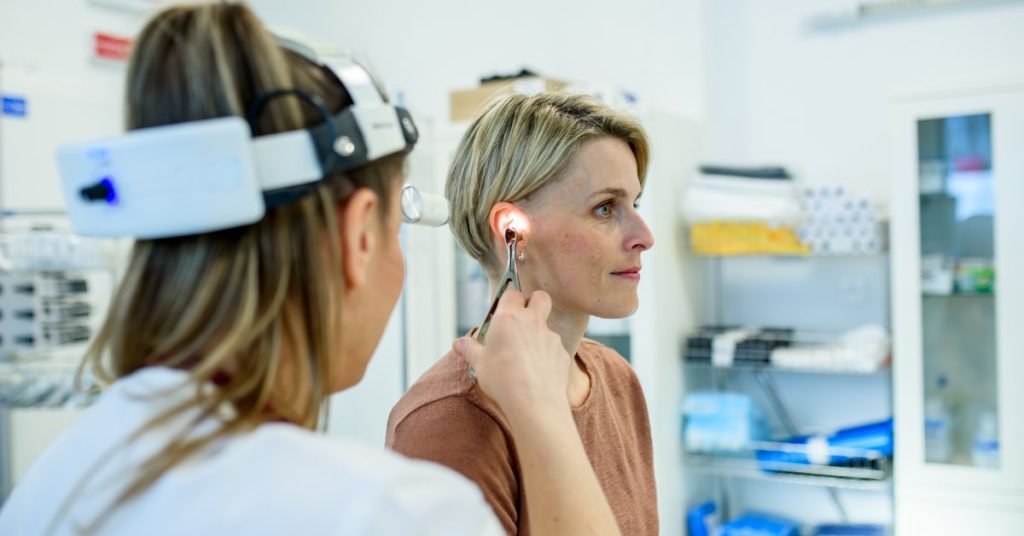
The process typically begins with a physical examination and a detailed history of the injury. Medical professionals will ask about the circumstances of the trauma, when symptoms began, and any other neurological or physical changes experienced since the incident. This helps determine whether the hearing issue stems from mechanical damage to the ear, nerve involvement, or a central processing problem.
Hearing Tests (Audiometry)
Audiologists play a key role in assessing hearing function. Standard hearing tests, such as pure-tone audiometry, measure how well you hear sounds at different pitches and volumes. Speech recognition tests may also be used to assess how well you understand spoken words. These evaluations help determine the type (sensorineural, conductive, or mixed) and severity of hearing loss.
Tympanometry and Acoustic Reflex Testing
Tympanometry tests how well the eardrum responds to changes in air pressure, which can identify issues like fluid in the middle ear, eardrum perforations, or ossicle problems. Acoustic reflex testing evaluates how the middle ear muscles respond to loud sounds and can help identify abnormalities in the auditory nerve pathways.
Imaging Studies: CT and MRI Scans
If structural damage is suspected—especially in cases involving head trauma—imaging tests may be ordered. A CT scan can reveal fractures in the skull or temporal bones, while an MRI is better suited for examining soft tissues, such as the brain and auditory nerves. These scans are critical for identifying serious conditions like skull fractures, hemorrhages, or nerve compression.
Neurological Evaluation
Because hearing involves both the ear and the brain, a neurological evaluation may also be necessary. Neurologists assess reflexes, coordination, eye movement, and cognitive function to determine whether the brain’s auditory processing areas are affected. This is particularly important when central auditory processing disorders are suspected.
Vestibular Testing
If balance issues accompany hearing symptoms, vestibular testing may be performed to assess the function of the inner ear’s balance system. These tests can help differentiate between peripheral (ear-related) and central (brain-related) causes of dizziness and vertigo.
Why Timely Diagnosis Matters
Hearing loss that results from head trauma is often treatable—but only if it’s diagnosed early. Delaying evaluation increases the risk of permanent damage or complications such as chronic tinnitus, worsening balance problems, or irreversible hearing loss. In many cases, early intervention can improve hearing outcomes significantly or even fully restore hearing function.
If you or someone you know experiences hearing changes after a head injury, don’t wait—getting a proper diagnosis is the first step toward recovery and preserving long-term ear health.
Treatment Options and Coping Strategies
Once a hearing issue caused by a head injury is diagnosed, the next step is finding the most effective treatment and learning to adapt. Depending on the type and severity of the hearing problem, there are a variety of medical, technological, and rehabilitative options available. Just as important are strategies to cope with the emotional and social challenges that hearing loss can bring.
Medical Treatments
If hearing loss is caused by a reversible condition—such as a ruptured eardrum, fluid buildup, or middle ear damage—medical or surgical intervention may restore normal hearing. Antibiotics, corticosteroids, or decongestants may be used to treat inflammation or infection. In some cases, procedures to repair eardrum perforations or reposition dislocated ossicles (tiny ear bones) can be highly effective.
For sensorineural hearing loss or nerve damage, treatment options are more limited, but not hopeless. Early administration of corticosteroids may reduce inflammation and prevent further damage in some cases. If nerve-related loss is permanent, hearing aids or cochlear implants become the primary tools for improving hearing function.
Hearing Aids and Cochlear Implants
Hearing aids are often recommended for mild to moderate hearing loss and can be custom-fitted to amplify sounds and improve speech clarity. Today’s digital hearing aids are highly advanced, offering features like directional microphones, noise reduction, and wireless connectivity.
For those with severe or profound hearing loss, especially when conventional hearing aids are ineffective, cochlear implants may be considered. These devices bypass damaged parts of the inner ear and directly stimulate the auditory nerve. They require surgery and ongoing therapy, but can significantly improve communication and quality of life.
Vestibular and Balance Therapy
When head trauma affects balance—often due to damage in the inner ear’s vestibular system—specialized therapy can help. Vestibular rehabilitation therapy (VRT) is a type of physical therapy that uses exercises to retrain the brain to compensate for balance issues. This is particularly helpful for individuals who experience dizziness, unsteadiness, or vertigo after a head injury.
Auditory Training and Speech Therapy
In cases where the brain’s ability to process sound is affected, auditory training or speech therapy can make a big difference. These therapies help retrain the brain to better interpret sounds, improve speech comprehension, and develop coping techniques for difficult listening environments.
Mental Health and Support Resources
Dealing with hearing loss—especially when it comes suddenly after trauma—can be emotionally taxing. Feelings of isolation, frustration, or even depression are common. Support groups, counseling, and hearing loss organizations can provide emotional support and practical advice. Connecting with others who’ve experienced similar challenges can make the adjustment process easier.
Everyday Coping Strategies
Simple lifestyle adjustments can also help individuals manage hearing loss more effectively:
- Use visual cues and maintain eye contact during conversations
- Reduce background noise whenever possible
- Inform family and friends about hearing difficulties so they can adjust their communication style
- Use captioning on TVs and digital content
- Explore assistive listening devices for phones, theaters, and public venues
With the right combination of medical care, hearing technology, therapy, and support, many people can lead full, engaged lives despite hearing loss after a head injury. Early action and ongoing support are key to adapting successfully.
Conclusion
Head injuries can have far-reaching consequences, and hearing loss is one of the most overlooked yet life-altering effects. Whether the result of a fall, accident, or sports injury, trauma to the head can disrupt the delicate systems responsible for hearing and balance. The damage may involve the ear structures, auditory nerves, or the brain itself, and symptoms can range from subtle hearing changes to persistent ringing, dizziness, or complete hearing loss.
The good news is that with early recognition and timely medical intervention, many of these issues can be treated or effectively managed. From hearing aids and cochlear implants to physical and auditory therapy, a wide range of solutions are available to help individuals regain function and adapt to life after injury. Equally important is emotional support—dealing with sudden hearing changes can be overwhelming, and no one should face that journey alone.
If you or a loved one experiences hearing problems following a head injury, don’t dismiss them as temporary or unimportant. Seek evaluation from qualified professionals who understand the complexities of hearing and neurological health. Taking action early could protect your hearing and dramatically improve your quality of life.
FAQ
Can a concussion cause permanent hearing loss?
Yes, a concussion can lead to permanent hearing loss, especially if the inner ear or auditory nerve is damaged during the injury. While many people recover fully, some experience lasting effects, including sensorineural hearing loss or tinnitus. Prompt evaluation and treatment improve the chances of recovery.
What are the most common hearing symptoms after a head injury?
Common symptoms include muffled hearing, tinnitus (ringing in the ears), dizziness, sensitivity to sound, and difficulty understanding speech. These symptoms can appear immediately or develop gradually, and they should never be ignored.
Is tinnitus after a head injury treatable?
Tinnitus may improve over time, especially if the underlying cause (such as swelling or nerve irritation) is treated early. While there’s no universal cure, options like sound therapy, hearing aids with masking features, and cognitive behavioral therapy can help manage the condition effectively.
How soon should I see a doctor if I notice hearing changes after a head injury?
You should seek medical attention as soon as you notice any hearing-related symptoms. Early diagnosis can lead to more effective treatment and prevent permanent damage. Even subtle or delayed symptoms should be evaluated by a hearing specialist or ENT.
Can children or teens also develop hearing problems from head injuries?
Absolutely. Children and teens are just as susceptible to hearing loss from head trauma as adults, particularly in contact sports or accidents. Because they may not always report symptoms, it’s important for parents and caregivers to monitor for signs of hearing issues or changes in behavior.
This article is for informational purposes only and is not a substitute for professional medical advice, diagnosis, or treatment. If you are concerned about your hearing or ear health, please consult a qualified healthcare provider.