
Hearing is one of our most essential senses, yet it’s often taken for granted—until we notice subtle changes or difficulties in daily communication. From enjoying conversations with loved ones to listening to music or alerts in our environment, healthy hearing plays a crucial role in overall well-being. Unfortunately, hearing loss affects millions of adults, particularly those over 50, and can impact not only communication but also mental health, social engagement, and safety.
The good news is that hearing health can be actively protected and maintained at any age. Advances in medical research, technology, and lifestyle strategies have made it easier than ever to prevent hearing damage, manage age-related changes, and support overall ear health. This guide is designed to provide practical, evidence-based advice that is accessible to everyone, whether you’re looking to prevent hearing loss, manage early symptoms, or simply maintain the quality of your hearing as you age.
In the following sections, we will explore the causes of hearing loss, practical lifestyle adjustments, protective technologies, nutritional support, and the importance of regular professional check-ups. Each section offers actionable tips to help you take control of your hearing health, ensuring that you can continue enjoying life’s sounds for years to come. By understanding how hearing works, recognizing risk factors, and implementing proactive strategies, you can safeguard your ears and enhance your overall quality of life.
Understanding Hearing Loss
Hearing loss is a common condition that affects people of all ages but becomes increasingly prevalent as we get older. Understanding the different types, causes, and risk factors is the first step toward protecting your hearing and seeking timely intervention when necessary.
Types of Hearing Loss
There are three primary types of hearing loss:
Sensorineural Hearing Loss: This is the most common form, caused by damage to the inner ear (cochlea) or the auditory nerve. It often occurs gradually with age and is sometimes linked to prolonged exposure to loud noise, genetics, or certain medical conditions. Sensorineural hearing loss is typically permanent, but it can often be managed effectively with hearing aids or cochlear implants.
Conductive Hearing Loss: This type occurs when sound waves cannot efficiently pass through the outer or middle ear. Causes include ear infections, fluid buildup, earwax blockages, or abnormalities of the ear structures. Conductive hearing loss is often temporary and can be treated medically or surgically.
Mixed Hearing Loss: As the name suggests, this type combines both sensorineural and conductive components. A person may experience permanent inner ear damage alongside temporary issues in the outer or middle ear.
Common Causes and Risk Factors
Hearing loss can result from a combination of factors:
Aging (Presbycusis): Natural changes in the ear structures often lead to gradual hearing decline in older adults.
Noise Exposure: Chronic exposure to loud sounds from music, machinery, or even household appliances can damage the delicate hair cells in the inner ear.
Medical Conditions: Conditions such as diabetes, high blood pressure, and cardiovascular disease can affect blood flow to the inner ear, impacting hearing.
Medications: Certain medications, known as ototoxic drugs, may cause temporary or permanent hearing loss.
Genetics: Family history can play a role in susceptibility to hearing loss.
Ear Infections or Injuries: Recurring infections, head trauma, or sudden loud noises can damage hearing over time.
Early Signs to Watch For
Recognizing early signs of hearing loss can prevent further damage and improve treatment outcomes:
Difficulty following conversations, especially in noisy environments
Frequently asking others to repeat themselves
Turning up the volume on the TV or radio higher than usual
Ringing, buzzing, or other noises in the ears (tinnitus)
Withdrawal from social activities due to hearing difficulties
Understanding hearing loss helps you take proactive steps, whether that’s using protective measures, seeking professional evaluation, or making lifestyle adjustments. By identifying risk factors and early warning signs, you can address issues before they significantly impact your daily life and communication.
Lifestyle Tips for Healthy Hearing
Maintaining healthy hearing goes beyond medical check-ups—it involves everyday habits and lifestyle choices that protect your ears and support overall ear health. Simple adjustments in daily routines can have a lasting impact, helping prevent hearing damage and even slowing age-related hearing decline.
Protect Your Ears from Loud Noise
One of the leading causes of hearing loss is prolonged exposure to loud sounds. To safeguard your ears:
Use Ear Protection: Earplugs or earmuffs are essential in noisy environments, such as concerts, construction sites, or while using power tools.
Follow the 60/60 Rule: Limit headphone or earbud volume to 60% of maximum and avoid listening for more than 60 minutes at a time.
Maintain Safe Distances: Move away from speakers at concerts or loud events whenever possible.
Prioritize Cardiovascular Health
Healthy blood flow is essential for the tiny hair cells in your inner ear that transmit sound signals to the brain. Cardiovascular issues can compromise this process, so adopting heart-healthy habits can also support hearing:
Engage in regular physical activity, such as walking, swimming, or cycling
Maintain a balanced diet rich in fruits, vegetables, and whole grains
Manage blood pressure, cholesterol, and blood sugar levels through lifestyle and medical guidance
Avoid Ototoxic Substances
Some medications and chemicals can negatively impact hearing. Always consult your healthcare provider about potential side effects of:
Certain antibiotics and chemotherapy drugs
High doses of aspirin or nonsteroidal anti-inflammatory drugs (NSAIDs)
Excessive alcohol consumption and tobacco use
Practice Good Ear Hygiene
Proper care of your ears can prevent infections and blockages that may affect hearing:
Avoid inserting cotton swabs or sharp objects into the ear canal
Gently clean the outer ear with a soft cloth
Treat ear infections promptly to prevent long-term complications
Manage Stress and Sleep
Chronic stress and lack of sleep can exacerbate tinnitus or hearing difficulties. Incorporating relaxation techniques such as meditation, yoga, or deep breathing exercises can have indirect benefits for your auditory health.
By incorporating these lifestyle strategies, you can actively protect your hearing while promoting overall wellness. Healthy habits not only prevent damage but also enhance your ability to enjoy daily sounds—from music and conversation to the simple pleasures of nature.
Hearing Protection Devices and Technology
Modern technology has transformed the way we protect and enhance our hearing. From simple earplugs to advanced hearing aids and assistive devices, there are solutions available for virtually every hearing need. Understanding your options allows you to make informed choices that suit your lifestyle, environment, and level of hearing loss.
Ear Protection for Everyday Use
Ear protection isn’t just for concerts or construction sites. Everyday exposure to loud sounds—traffic, household appliances, or even noisy restaurants—can gradually damage hearing. Some effective devices include:
Foam or Silicone Earplugs: Affordable and widely available, these reduce noise levels by 15–30 decibels, ideal for sleeping, commuting, or noisy hobbies.
Earmuffs: Provide a higher level of protection, especially in industrial settings or when using power tools.
Custom-Fitted Earplugs: Molded to the shape of your ear, these offer comfort and maximum noise reduction, often used by musicians or frequent concert-goers.
Hearing Aids and Amplification Devices
For individuals experiencing hearing loss, hearing aids are the most common solution. Modern devices are highly advanced, offering:
Digital Sound Processing: Amplifies speech while reducing background noise
Connectivity Features: Bluetooth-enabled devices connect to smartphones, TVs, and other electronics
Rechargeable Options: Many hearing aids now offer long-lasting rechargeable batteries, eliminating frequent replacements
Discreet Designs: Invisible-in-canal (IIC) and behind-the-ear (BTE) options allow users to choose based on comfort and style
Other amplification devices, like personal sound amplifiers or assistive listening devices, can also enhance hearing in specific situations, such as lectures, theaters, or group meetings.
Tinnitus Management Devices
For those experiencing ringing or buzzing in the ears, specialized devices can provide relief:
Sound Maskers: Produce gentle background noise to reduce the perception of tinnitus
Combination Hearing Aids: Incorporate amplification with tinnitus masking for dual benefits
Mobile Apps and White Noise Machines: Offer flexible, portable options for managing symptoms at home or on the go
Choosing the Right Technology
Selecting the best hearing technology involves consultation with an audiologist or hearing care professional. They can:
Evaluate your level and type of hearing loss
Recommend devices that suit your lifestyle and budget
Provide guidance on proper use, maintenance, and adjustments for optimal results
Technology, when paired with preventive habits, allows individuals to maintain an active, social, and fulfilling life despite hearing challenges. By leveraging the right devices, you can protect your hearing, improve communication, and enjoy the richness of everyday sounds.
Nutrition and Hearing Health
What we eat can have a surprisingly significant impact on our hearing. Research suggests that certain nutrients support the delicate structures of the inner ear, improve blood flow, and even reduce the risk of age-related hearing loss. While no single food or supplement can guarantee perfect hearing, a balanced diet combined with healthy habits can play a vital role in maintaining auditory health.
Key Nutrients for Hearing Support
Several vitamins and minerals have been linked to better hearing outcomes:
Magnesium: Helps protect the inner ear from noise-induced damage and supports nerve function. Foods rich in magnesium include leafy greens, nuts, seeds, and whole grains.
Zinc: Plays a role in immune system health and may help reduce the risk of ear infections. Sources include lean meats, beans, nuts, and fortified cereals.
Omega-3 Fatty Acids: Found in fatty fish like salmon, mackerel, and sardines, omega-3s improve blood flow to the cochlea and have been associated with lower rates of age-related hearing loss.
Vitamin D and Calcium: Essential for bone health, including the tiny bones in the middle ear, which are critical for sound transmission. Dairy products, fortified plant milks, and sunlight exposure provide these nutrients.
Antioxidants (Vitamins A, C, E): Help combat oxidative stress, which can damage inner ear cells over time. Include colorful fruits and vegetables, nuts, and seeds in your diet.
Hydration and Overall Health
Adequate hydration supports the body’s circulatory system, ensuring that nutrients and oxygen reach the inner ear. Dehydration may worsen tinnitus and affect balance, making it important to drink sufficient water throughout the day.
Foods to Limit for Ear Health
High-Sodium Foods: Excess salt can increase blood pressure, potentially affecting blood flow to the inner ear.
Processed Foods and Sugars: Overconsumption may lead to cardiovascular issues linked to hearing loss.
Excessive Alcohol: Can negatively impact blood flow and nerve health in the auditory system.
Supplements: Proceed with Caution
While supplements can help fill nutritional gaps, they should never replace a balanced diet. Always consult a healthcare professional before starting any new vitamin or mineral regimen, especially if you are taking medications or have chronic health conditions.
Incorporating a nutrient-rich diet, staying hydrated, and minimizing foods that can harm ear health collectively support long-term hearing wellness. When combined with lifestyle habits and hearing protection strategies, proper nutrition becomes a key component of proactive auditory care.
Regular Hearing Check-Ups and Professional Care
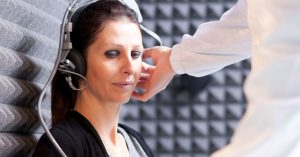
Routine hearing evaluations are essential for maintaining healthy hearing and detecting potential problems early. Just as we schedule regular check-ups for our eyes or cardiovascular health, our ears also benefit from professional monitoring, particularly as we age. Early detection of hearing loss can improve treatment outcomes, prevent social isolation, and enhance overall quality of life.
Why Regular Hearing Assessments Matter
Many forms of hearing loss occur gradually, making them difficult to notice in daily life. Regular check-ups with an audiologist or ENT specialist can:
Identify Early Signs: Even mild hearing changes can be detected before they significantly impact communication.
Prevent Complications: Untreated hearing loss is linked to cognitive decline, depression, and social withdrawal.
Guide Treatment: Professionals can recommend hearing aids, assistive devices, or medical interventions tailored to individual needs.
How Often to Get Checked
Adults 50+ or at Risk: Hearing test every 1–2 years
Younger Adults: Every 3–5 years to establish a baseline
Children and Adolescents: Regular screenings for development and learning
Choosing the Right Professional
Audiologists: Evaluate hearing, fit hearing aids, and provide rehabilitation strategies
ENT Doctors: Diagnose medical causes of hearing loss, such as infections or structural issues
Hearing Aid Providers: Customize devices and provide ongoing support
Preparing for Your Visit
List symptoms like ringing, difficulty understanding speech, or balance issues
Note medications or health conditions that could affect hearing
Provide details about lifestyle, work environment, and noise exposure
Supporting Loved Ones
Encourage regular testing
Monitor changes in communication and social engagement
Support consistent use of hearing aids or assistive devices
By prioritizing professional care and establishing a routine for hearing evaluations, individuals can address problems before they escalate. Combined with preventive habits, technology, and proper nutrition, regular check-ups ensure long-term auditory wellness and a more connected, fulfilling life.
Conclusion
Hearing health is a vital component of overall well-being, yet it’s often overlooked until noticeable problems arise. Protecting your ears and maintaining optimal hearing involves a combination of awareness, preventive strategies, healthy lifestyle choices, and professional care. By understanding the different types and causes of hearing loss, recognizing early warning signs, and taking proactive steps, you can safeguard your hearing at any age.
Lifestyle adjustments—such as limiting exposure to loud noise, prioritizing cardiovascular health, avoiding ototoxic substances, and practicing good ear hygiene—play a foundational role in protecting hearing. Nutrition also supports auditory health, with key vitamins, minerals, and omega-3 fatty acids contributing to the proper functioning of inner ear structures. Meanwhile, modern technology, including hearing aids, earplugs, and tinnitus management devices, provides practical solutions for preserving and enhancing hearing in a variety of settings.
Regular hearing check-ups with audiologists or ENT specialists are essential for early detection and effective management. Professional guidance ensures that any hearing concerns are addressed promptly, preventing further decline and improving quality of life. Caregivers and family members also play an important role in supporting hearing health, encouraging routine evaluations, and fostering environments that prioritize auditory wellness.
Ultimately, maintaining healthy hearing is an ongoing process that combines daily habits, medical care, and mindful choices. By implementing the strategies outlined in this guide, you can protect your ears, enhance communication, and continue to enjoy the rich sounds of life for years to come.
FAQ
What are the early signs of hearing loss?
Early signs of hearing loss can include difficulty following conversations, frequently asking others to repeat themselves, turning up the volume on the TV or radio, and experiencing ringing or buzzing in the ears (tinnitus). Recognizing these signs early and scheduling a hearing test can help prevent further damage and improve treatment outcomes.
How can I protect my hearing in noisy environments?
Protecting your hearing involves using earplugs or earmuffs, following the 60/60 rule for headphones, maintaining a safe distance from loud sounds, and limiting prolonged exposure to noisy environments. Regular breaks from loud noise and being mindful of sound levels can significantly reduce the risk of hearing damage.
Can diet really impact hearing health?
Yes, diet plays a role in hearing health. Nutrients like magnesium, zinc, omega-3 fatty acids, vitamins A, C, E, and D support inner ear function, improve blood flow, and protect against age-related hearing loss. Maintaining a balanced diet and staying hydrated can contribute to long-term auditory wellness.
How often should I have a hearing check-up?
For adults over 50 or those at risk, a hearing test every 1–2 years is recommended. Younger adults can benefit from testing every 3–5 years to establish a baseline. Children and adolescents should have regular screenings to support speech, learning, and development.
Are hearing aids the only solution for hearing loss?
While hearing aids are the most common and effective solution for many types of hearing loss, other options exist, including assistive listening devices, tinnitus management tools, and protective devices to prevent further damage. Consulting a hearing professional helps determine the best approach based on individual needs and lifestyle.
This article is for informational purposes only and is not a substitute for professional medical advice, diagnosis, or treatment. If you are concerned about your hearing or ear health, please consult a qualified healthcare provider.