
Swimming is one of the most enjoyable ways to stay active, improve fitness, and relax. But for many people, especially adults over 50, time in the water can come with an unexpected risk: ear problems. Ear infections, irritation, and even long-term hearing complications can arise when water repeatedly enters the ear canal. This is where waterproof earplugs and proper swim protection become essential.
Waterproof earplugs act as a barrier, preventing water from entering the ear canal while still allowing you to enjoy your time in the pool, lake, or ocean. They’re especially important for swimmers who spend a lot of time in the water, people prone to ear infections, and anyone with sensitive ears. Beyond just preventing infections, earplugs can also help reduce the risk of wax buildup, ear discomfort, and even tinnitus triggered by water exposure.
This guide will take you through everything you need to know about protecting your ears in the water. From understanding why ear protection matters to exploring different types of earplugs, choosing the right fit, and maintaining them properly, you’ll gain practical tips to keep your ears safe and healthy. Whether you’re a casual swimmer or a water sports enthusiast, adopting the right ear protection habits can make your aquatic experiences safer and more enjoyable.
Why Ear Protection Matters When Swimming
Swimming is fantastic for overall health, but your ears can pay the price if they’re not properly protected. Water exposure can lead to several common issues, ranging from mild irritation to serious infections, making ear protection more than just a convenience—it’s a necessity.
One of the most frequent problems is swimmer’s ear, medically known as otitis externa. This occurs when water becomes trapped in the ear canal, creating a warm, moist environment that encourages bacterial or fungal growth. Symptoms include itching, redness, swelling, and sometimes pain or discharge. While mild cases can resolve on their own, repeated infections can cause long-term damage or lead to more severe conditions that require medical treatment.
Another concern is wax buildup. Water entering the ear can push wax deeper into the canal, leading to blockages and muffled hearing. Over time, these blockages may require professional removal. For older adults, the risk is even higher, as the ear canal may naturally produce more wax or become more sensitive to irritation.
Even temporary hearing changes can occur if water frequently enters the ears. Some swimmers experience muffled hearing or ringing after a swim, which can affect balance, communication, and overall quality of life. Consistent use of waterproof earplugs helps reduce these risks by creating a barrier between water and the delicate structures of the ear canal.
In addition to health concerns, ear protection is important for comfort. Cold water or prolonged exposure can cause discomfort, and water trapped in the ears can be irritating during activities like diving, surfing, or even casual pool sessions. Waterproof earplugs provide a simple, effective solution to keep your ears dry, comfortable, and protected.
By understanding the risks and the benefits of proper ear protection, swimmers can take proactive steps to prevent infections and maintain ear health. Next, we’ll explore the different types of waterproof earplugs available so you can choose the best option for your needs.
Types of Waterproof Earplugs
When it comes to protecting your ears in the water, not all earplugs are created equal. Choosing the right type can make a huge difference in comfort, effectiveness, and long-term ear health. Here’s a detailed look at the main types of waterproof earplugs available for swimmers.
Foam Earplugs
Foam earplugs are widely available, inexpensive, and easy to use. They are designed to expand inside the ear canal, creating a snug seal that blocks water and reduces noise. While foam plugs are convenient for occasional swimmers, they may not provide a perfect seal for everyone, and repeated use can sometimes irritate sensitive ear canals. Additionally, foam plugs are typically disposable and need to be replaced regularly to maintain hygiene.
Silicone Earplugs
Silicone earplugs are a popular choice among frequent swimmers because they are reusable and offer a reliable waterproof barrier. They come in two forms: moldable silicone, which can be shaped to fit the ear canal, and pre-molded silicone, which is manufactured in specific sizes. Moldable silicone provides a custom fit for comfort, while pre-molded versions are durable and easy to use. Silicone plugs are gentle on the skin, making them ideal for people with sensitive ears or those prone to irritation.
Custom-Molded Earplugs
For those who swim regularly or have unique ear shapes, custom-molded earplugs are the gold standard. Made by an audiologist or hearing professional, these plugs are designed to perfectly fit the contours of your ear canal, offering superior comfort and a watertight seal. Although more expensive than foam or silicone options, custom earplugs are long-lasting, reduce the risk of infection, and are excellent for older adults or swimmers with chronic ear problems.
Specialized Swimming Earplugs
Some earplugs are specifically engineered for water sports, including competitive swimming, surfing, and diving. These plugs often feature advanced designs like double flanges, vented channels, or flexible materials that combine water protection with pressure equalization. Vented plugs, for example, allow slight pressure adjustment while keeping water out, making them ideal for activities where ear pressure changes are common.
Choosing the Right Type for You
Selecting the right earplug depends on several factors, including your frequency of swimming, ear sensitivity, and budget. Occasional swimmers may find foam or pre-molded silicone adequate, while daily swimmers or those with ear issues may benefit from custom-molded or specialized plugs. Comfort, hygiene, and proper fit are key—an earplug that is uncomfortable or leaks water will not provide effective protection.
Understanding the options available helps you make an informed choice that protects your ears without compromising comfort. In the next section, we’ll dive deeper into how to choose the right earplugs for your specific needs and lifestyle.
How to Choose the Right Earplugs for Swimming
Selecting the right earplugs for swimming isn’t just about picking the first pair you see at the store. The correct fit, material, and design can make the difference between effective protection and discomfort. Here’s a step-by-step guide to help you choose earplugs that keep your ears safe and dry.
Assess Your Ear Shape and Size
Everyone’s ears are slightly different, and earplugs that fit one person perfectly may leak or cause discomfort for another. Take note of the shape of your ear canal—narrow, wide, or irregular—as this will influence whether foam, silicone, or custom-molded plugs are most appropriate. If you’ve struggled with earplugs slipping out or causing pain, a custom or moldable option may provide the best solution.
Consider Your Swimming Frequency and Activity
If you swim occasionally, a pair of high-quality pre-molded silicone or foam earplugs may be sufficient. For frequent swimmers, competitive athletes, or those involved in water sports like surfing or diving, more durable solutions such as custom-molded or specialized swimming plugs are recommended. These options provide a more secure seal, reduce the risk of infections, and withstand repeated exposure to water.
Evaluate Comfort and Material
Comfort is crucial because uncomfortable earplugs are less likely to be worn consistently. Moldable silicone is soft and gentle, making it suitable for sensitive ears. Foam plugs expand inside the canal and can sometimes cause pressure or irritation if worn for extended periods. Consider also whether the material is hypoallergenic if you have a history of skin sensitivities or allergies.
Check for Waterproof and Pressure Features
Look for earplugs specifically labeled as waterproof. Some specialized plugs also offer pressure-equalizing features, which are beneficial for divers or swimmers who frequently go underwater. These designs allow your ears to adjust naturally to pressure changes while still keeping water out.
Hygiene and Maintenance Considerations
Reusable earplugs are economical, but they require proper cleaning and storage. Choose plugs that are easy to clean and durable. Foam plugs are often disposable, while silicone and custom-molded options can last months or even years with proper care. Clean your earplugs after each use, store them in a dry case, and replace them when they show signs of wear or damage.
Seek Professional Advice if Needed
If you have recurring ear infections, chronic ear pain, or difficulty finding a comfortable fit, consult an audiologist or ENT specialist. They can create custom earplugs tailored to your ear anatomy, ensuring maximum protection and comfort.
By carefully considering these factors, you can select earplugs that not only protect your ears from water but also provide comfort, durability, and peace of mind. In the next section, we’ll explore how to properly use and maintain waterproof earplugs to ensure long-lasting effectiveness.
Proper Use and Maintenance of Waterproof Earplugs
Even the best earplugs won’t protect your ears if they aren’t used and cared for correctly. Proper insertion, removal, cleaning, and storage are essential to ensure comfort, effectiveness, and hygiene.
Inserting Earplugs Correctly
For foam earplugs, roll the plug between your fingers to compress it, then gently insert it into the ear canal. Hold it in place for a few seconds as it expands to form a seal. Silicone or moldable earplugs should be shaped or positioned according to the manufacturer’s instructions to create a watertight barrier. Avoid forcing the plug too deep, as this can cause discomfort or even minor injuries.
Removing Earplugs Safely
To remove earplugs, gently twist and pull them out of the ear canal. Sudden or forceful removal can damage the ear canal or push wax deeper. Foam plugs may need a slow, steady pull to avoid tearing. If water has entered your ear despite wearing plugs, tilt your head and gently shake to help it drain, or use a clean, dry towel to absorb excess moisture.
Cleaning and Drying Reusable Earplugs
Silicone and custom-molded earplugs can be reused, but keeping them clean is critical. After each use, rinse them with warm water and mild soap, then allow them to air dry completely before storing. Avoid using harsh chemicals or alcohol, as these can degrade the material. Proper cleaning prevents bacterial buildup, reducing the risk of ear infections.
Storage Tips
Store earplugs in a clean, dry case to protect them from dirt, moisture, and damage. Avoid leaving them in direct sunlight or in damp environments, as this can cause material deterioration. A small travel case is useful for swimmers who bring earplugs to the pool, beach, or gym.
Recognizing When to Replace Earplugs
No earplug lasts forever. Foam plugs should be replaced after a few uses or when they lose their shape. Silicone or custom-molded plugs should be replaced if they show signs of cracks, deformation, or reduced sealing ability. Regularly inspecting your earplugs ensures consistent protection and maintains ear health.
By following these steps, you can maximize the lifespan and effectiveness of your waterproof earplugs, keeping your ears safe, dry, and comfortable during every swim.
Additional Swim Protection Tips Beyond Earplugs
While waterproof earplugs are highly effective, combining them with other protective measures can further safeguard your ears and promote long-term ear health. Here are several complementary strategies every swimmer should consider.
Wear a Swim Cap
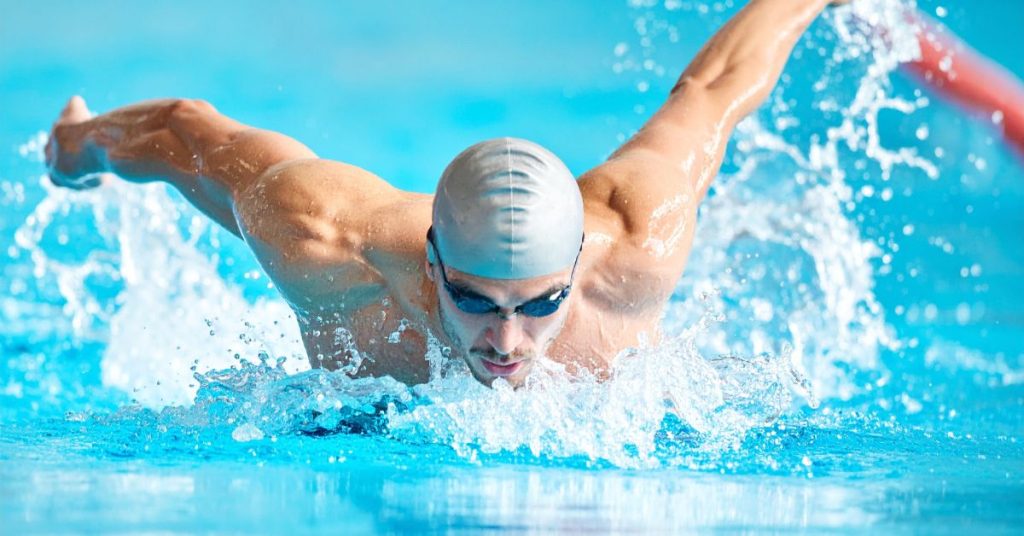
A snug-fitting swim cap provides an extra layer of protection by covering the ears and helping to keep water out. Caps made from silicone or latex are particularly effective for preventing water from reaching the ear canal. Swim caps are also beneficial for reducing heat loss in colder water, keeping your head and ears warmer during extended swims.
Dry Your Ears Thoroughly
After swimming, it’s important to remove any residual water from your ears. Tilt your head to each side and gently pull on your earlobes to help water drain naturally. You can also use a clean, dry towel or a hairdryer on a low, cool setting to gently dry the outer ear. Avoid inserting cotton swabs or other objects into the ear canal, as this can push wax deeper and increase the risk of infection.
Use Ear Drops for Prevention
Over-the-counter ear drops can help dry out excess moisture in the ear canal and prevent bacterial growth. Look for alcohol-based or acetic acid-based drops specifically formulated for swimmers. These drops are especially helpful for people prone to swimmer’s ear or those who spend significant time in water. Always follow product instructions and consult your healthcare provider if you have ear conditions or perforated eardrums.
Avoid Contaminated Water
Swimming in unclean pools, lakes, or hot tubs increases the risk of ear infections. Be mindful of water quality and avoid swimming in areas known for high bacteria levels or pollution. If you do swim in natural bodies of water, rinse your ears with clean water afterward and consider using protective earplugs.
Maintain Overall Ear Health
Good ear hygiene supports your swimming protection efforts. Avoid excessive wax removal or insertion of foreign objects, and monitor your ears for signs of irritation or infection. Regular check-ups with an audiologist or ENT specialist can help identify issues early and ensure your ear protection strategy is effective.
By combining earplugs with these additional precautions, you can significantly reduce the risk of infections, discomfort, and long-term hearing problems. These simple steps allow you to enjoy swimming safely, whether in a pool, lake, or ocean.
Conclusion
Protecting your ears while swimming is essential for both comfort and long-term ear health. Waterproof earplugs offer a simple, effective solution to prevent water from entering the ear canal, reducing the risk of infections, irritation, and hearing complications. By understanding the types of earplugs available, choosing the right fit, and maintaining them properly, swimmers of all ages can enjoy their time in the water safely.
In addition to using earplugs, incorporating complementary measures—such as wearing a swim cap, drying ears thoroughly, using preventive ear drops, and avoiding contaminated water—further enhances protection. Together, these practices form a comprehensive approach to ear care that supports both short-term comfort and long-term hearing health.
Whether you are a casual swimmer, a dedicated athlete, or someone prone to ear issues, adopting these strategies can make swimming a safer, more enjoyable experience. Investing in quality ear protection and maintaining good ear hygiene ensures that your ears stay healthy, allowing you to fully enjoy the benefits of swimming and water-based activities.
FAQ
What are the best waterproof earplugs for swimming?
The best waterproof earplugs depend on your ear shape, activity level, and comfort needs. Foam plugs are ideal for occasional swimmers, silicone plugs work well for frequent use and sensitive ears, and custom-molded plugs provide the most secure fit for swimmers with unique ear canals or chronic ear issues. Look for earplugs labeled “waterproof” and consider features like pressure equalization if you dive or engage in water sports.
Can I use regular earplugs for swimming?
No, regular earplugs designed for noise reduction are not suitable for swimming. They often allow water to seep into the ear canal and do not provide a watertight seal. Only earplugs specifically designed for swimming, waterproofing, or water sports should be used to prevent ear infections and discomfort.
How do I clean and maintain reusable swimming earplugs?
Reusable silicone or custom-molded earplugs should be rinsed with warm water and mild soap after each use. Let them air dry completely before storing them in a clean, dry case. Avoid harsh chemicals or alcohol, which can damage the material. Inspect earplugs regularly and replace them if they show cracks, deformation, or reduced sealing ability.
How can I prevent swimmer’s ear besides using earplugs?
Other preventive measures include wearing a snug-fitting swim cap, drying ears thoroughly after swimming, using preventive ear drops, and avoiding swimming in contaminated water. Maintaining good ear hygiene and regular check-ups with an audiologist or ENT specialist can also help prevent infections and complications.
Can older adults safely use waterproof earplugs?
Yes, older adults can safely use waterproof earplugs. In fact, ear protection is particularly important for this age group, as ear canals may be more sensitive and prone to infections or wax buildup. Choosing comfortable, properly fitting earplugs—such as moldable silicone or custom-molded options—helps ensure effectiveness and comfort during swimming or water activities.
This article is for informational purposes only and is not a substitute for professional medical advice, diagnosis, or treatment. If you are concerned about your hearing or ear health, please consult a qualified healthcare provider.