Hearing is one of our most vital senses, yet it’s often taken for granted—until it starts to fade. Daily exposure to noise, whether from household appliances, traffic, or recreational activities, can gradually damage our hearing without us even realizing it. That’s why understanding sound levels is essential, especially for adults over 50 and caregivers who want to protect their own hearing or that of their loved ones.
A sound level chart is a simple but powerful tool that puts everyday noises into perspective. By showing the loudness of common sounds in decibels (dB), it helps you recognize which environments are safe and which could pose a risk. From the soft hum of a refrigerator to the roar of a motorcycle, knowing the decibel level of what surrounds you every day allows you to make informed decisions about hearing protection.
In this guide, we’ll break down the science of sound, provide a comprehensive chart of everyday noises, discuss the risks of prolonged exposure to loud sounds, and offer practical tips for protecting your hearing. Whether you’re at home, in your garden, or enjoying a concert, this article will equip you with the knowledge to safeguard your ears every day.
Understanding Decibels: The Science of Sound
Sound is measured in decibels (dB), a unit that quantifies how loud or intense a sound is. But decibels can be a little tricky to grasp because the scale is logarithmic, not linear. This means that an increase of 10 dB doesn’t just sound a little louder—it’s roughly twice as loud to the human ear. For example, a conversation at 60 dB sounds about twice as loud as a quiet office at 50 dB, even though the numbers seem close.
Decibels also help us understand the risk of hearing damage. Sounds below 70 dB, such as normal conversation or the hum of a refrigerator, are generally safe for prolonged exposure. But once you reach 80 dB and above—think traffic noise or a busy office—hearing can start to suffer if exposure is prolonged without protection. Extremely loud sounds, like a lawnmower at 90 dB or a rock concert at 110 dB, can cause damage in just minutes.
To put decibels into context, here are some examples:
0 dB: Threshold of hearing, almost silent
30 dB: Whisper or rustling leaves
60 dB: Normal conversation
80 dB: City traffic from inside a car
100 dB: Motorcycle or chainsaw
120 dB: Ambulance siren or jet engine nearby
Understanding this scale helps you make everyday choices that protect your ears. It also emphasizes why hearing protection is so important in louder environments. By paying attention to decibel levels, you can reduce the risk of long-term damage and maintain better hearing health.
Beyond just loudness, decibels also reflect energy in sound waves. A small increase in dB represents a significant increase in sound energy, which is why repeated exposure to moderately loud sounds can accumulate and impact hearing over time. The key takeaway is simple: even sounds that seem tolerable can be harmful if you’re exposed for too long.
Common Everyday Sounds and Their Decibel Levels
Every day, we’re surrounded by a mix of sounds—some gentle and soothing, others loud enough to potentially harm our hearing. A sound level chart helps put these noises into perspective, giving you a practical guide to what’s safe and what requires caution or protection. Here’s a breakdown of common sounds and their approximate decibel (dB) levels:
| Decibels (dB) | Sound Example | Hearing Notes |
|---|---|---|
| 30 dB | Whisper, rustling leaves | Safe for extended exposure; very quiet |
| 50 dB | Moderate rainfall, refrigerator hum | Comfortable background noise |
| 60 dB | Normal conversation | Safe for prolonged exposure |
| 70 dB | Busy office, vacuum cleaner | Prolonged exposure may cause slight stress on ears |
| 80 dB | City traffic, alarm clock | Begin to consider hearing protection if exposure is long |
| 90 dB | Lawnmower, power tools | Hearing protection recommended for prolonged use |
| 100 dB | Motorcycle, concert | Short exposure without protection may cause damage |
| 110 dB | Car horn, chainsaw | Very loud; ear protection necessary |
| 120 dB | Ambulance siren, nearby thunder | Immediate discomfort; risk of hearing damage |
| 130+ dB | Fireworks, jet engine at close range | Dangerous; even brief exposure can cause permanent damage |
Everyday Examples Adults Over 50 Might Encounter
Home Appliances: Washing machines, dishwashers, and vacuum cleaners typically range from 60–80 dB. Using these for long periods in enclosed spaces can add up, so consider taking breaks or using hearing protection if needed.
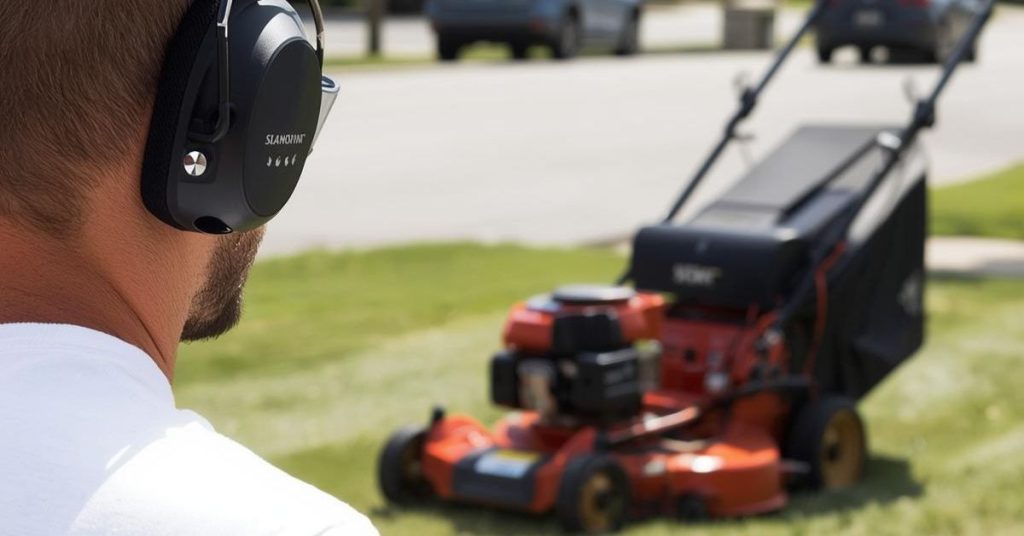
Outdoor Activities: Lawn mowers, leaf blowers, and gardening equipment often exceed 85 dB. Wearing earplugs or earmuffs is highly recommended.
Transportation Noise: Traffic, motorcycles, and public transit vary between 70–90 dB. Limiting exposure during peak hours or sitting away from engines can help protect your ears.
Leisure & Entertainment: Concerts, sporting events, or movie theaters can reach 100–110 dB. Using high-fidelity earplugs lets you enjoy the experience while reducing the risk of hearing damage.
Key Takeaways
Duration matters: Even sounds below 100 dB can be harmful if exposure is prolonged. The combination of loudness and time determines risk.
Protection is proactive: Using earplugs or earmuffs in louder environments prevents gradual hearing loss.
Awareness is crucial: By keeping a mental note of decibel levels around you, everyday choices—like where you sit at a concert or how often you use power tools—can make a big difference in long-term hearing health.
Risks of Prolonged Exposure to Loud Sounds
Many people underestimate the cumulative effects of daily noise exposure. Even sounds that seem tolerable—like a busy office, traffic, or household appliances—can cause gradual hearing damage if experienced for long periods. Understanding the risks of prolonged exposure is essential for protecting your ears and maintaining long-term hearing health.
Hearing Loss
The most obvious risk of prolonged exposure to loud sounds is hearing loss. Noise-induced hearing loss (NIHL) occurs when the delicate hair cells in the inner ear become damaged or destroyed. These hair cells do not regenerate, meaning that once hearing is lost, it’s permanent. Symptoms often start subtly, such as difficulty hearing conversations in noisy environments, but can progress to more severe hearing impairment if precautions aren’t taken.
Tinnitus
Another common consequence is tinnitus, a persistent ringing, buzzing, or hissing sound in the ears. Tinnitus can be triggered or worsened by repeated exposure to loud noises. While it doesn’t always indicate permanent hearing loss, it can significantly affect quality of life, causing stress, sleep disturbances, and difficulty concentrating.
Cognitive and Social Impacts
Prolonged noise exposure isn’t just a problem for the ears. Studies suggest that untreated hearing loss can contribute to cognitive decline, social isolation, and emotional stress. Adults over 50 are particularly at risk, as hearing challenges can interfere with communication and social engagement. Protecting your hearing today helps maintain mental acuity and social well-being in the long term.
Environmental and Occupational Risks
Certain environments, whether at work or during hobbies, pose higher risks. Construction sites, factories, concerts, and busy urban areas can expose you to high decibel levels for extended periods. Even if individual exposures are short, repeated daily contact can accumulate, making protective measures crucial.
Strategies to Minimize Risk
Monitor your environment: Use a sound level app or reference chart to check decibel levels.
Limit exposure time: Reduce the duration you spend in loud environments whenever possible.
Use hearing protection: Earplugs, earmuffs, or noise-cancelling headphones can significantly reduce risk.
Take hearing breaks: Step away from noisy areas to give your ears a chance to recover.
Hearing Protection: Tips and Tools
Protecting your hearing doesn’t have to be complicated. With the right tools and strategies, you can enjoy daily life, hobbies, and social activities without putting your ears at risk. Here’s a guide to practical hearing protection options and how to use them effectively.
Earplugs
Earplugs are a simple, affordable, and highly effective way to reduce noise exposure. They come in several types:
Foam earplugs: Expandable foam that molds to your ear canal. Ideal for short-term use in loud environments like concerts, gardening, or vacuuming.
Reusable silicone or wax earplugs: Moldable and washable, suitable for repeated use.
High-fidelity earplugs: Reduce sound levels evenly without distorting music or speech, perfect for concerts or performances.
Proper insertion is key: a poorly fitted earplug will not protect your hearing effectively. Gently roll foam earplugs, insert them into your ear canal, and allow them to expand for a snug fit.
Earmuffs
Earmuffs cover the entire ear and provide excellent noise reduction, especially for prolonged exposure. They are commonly used in industrial or construction settings, during power tool use, or in extremely noisy outdoor environments. Some models also include electronic features, like amplifying soft sounds while blocking loud ones, which can be beneficial for adults who want situational awareness while protecting their hearing.
Noise-Cancelling Headphones
Noise-cancelling headphones can be particularly useful for daily commuting or noisy office environments. They reduce background noise, allowing you to listen to music or calls at lower volumes, which protects your ears from excessive decibels. They are also helpful for adults sensitive to everyday noise, creating a calmer auditory environment.
Smart Hearing Devices
Modern technology offers smart hearing devices that combine amplification and protection. Some devices alert you when ambient noise exceeds safe levels, helping you avoid accidental overexposure. Others can customize sound reduction to specific environments, providing a balance between protection and clarity.
Practical Tips for Everyday Use
Keep devices at safe volumes: For personal audio devices, follow the 60/60 rule—listen at no more than 60% volume for no longer than 60 minutes at a time.
Use protection consistently: Don’t wait until a sound is painful; prevention is more effective than recovery.
Educate family members: Encourage loved ones to wear protection during noisy activities.
Schedule hearing checks: Regular audiologist visits can detect early signs of hearing loss and provide guidance on protection.Creating Your Personal Sound Level Awareness Plan
Protecting your hearing isn’t just about using earplugs or earmuffs—it’s about being aware of your environment and making conscious choices every day. A personal sound level awareness plan helps you monitor noise exposure, adjust your habits, and reduce the risk of hearing damage over time.
Assess Your Daily Noise Exposure
Start by identifying the sounds you encounter regularly. Common sources include:
Home: Appliances like vacuum cleaners, blenders, and washing machines
Outdoors: Traffic, lawn mowers, leaf blowers, and construction sites
Social settings: Restaurants, concerts, sporting events, and public transit
Use a sound level chart or smartphone decibel app to measure noise levels in these environments. Knowing the approximate dB for each activity allows you to determine when protection is necessary.
Set Safe Exposure Limits
Once you know your typical noise levels, set guidelines for safe exposure. For instance:
Sounds below 70 dB can generally be tolerated for long periods without protection.
Sounds between 70–85 dB should be limited to short durations or combined with hearing protection.
Sounds above 85 dB require earplugs, earmuffs, or time limits to prevent damage.
Consider timing your exposure as well. Even moderately loud sounds can accumulate, so taking breaks in quiet areas is important to give your ears a rest.
Implement Protective Habits
Carry portable protection: Keep foam or reusable earplugs handy for unexpected loud environments.
Adjust volume levels: For music, television, or personal audio devices, maintain moderate volumes.
Distance matters: When possible, increase your distance from loud sources like speakers or machinery—decibel levels drop significantly with distance.
Teach others: Encourage family members and caregivers to respect noise limits and use protection when necessary.
Track and Review
Keep a simple log of noisy activities, the decibel levels, and your use of protection. Over time, this helps you identify patterns and adjust habits before damage occurs. Small adjustments—like moving a chair further from a TV speaker or using noise-cancelling headphones on public transit—can have a big impact on long-term hearing health.
Make It Routine
Incorporating sound awareness into daily life shouldn’t feel burdensome. Think of it as ear hygiene, similar to brushing your teeth. By routinely checking your environment and using protection when needed, you can prevent gradual hearing loss and enjoy better auditory health for years to come.Conclusion
Hearing is a vital part of how we experience the world, yet it’s often overlooked until problems arise. Understanding sound levels and using a sound level chart can transform the way you approach everyday noise, helping you make informed decisions that protect your ears. From household appliances to traffic, concerts, and recreational activities, awareness of decibel levels empowers you to enjoy life while safeguarding your hearing.
Prolonged exposure to loud sounds can lead to hearing loss, tinnitus, and other cognitive and social challenges. However, by implementing practical hearing protection, creating a personal sound level awareness plan, and monitoring your environment, you can dramatically reduce the risks. Simple habits—like using earplugs, taking breaks from noisy areas, and keeping volumes at safe levels—make a significant difference over time.
Ultimately, maintaining hearing health is about proactive care and daily mindfulness. By applying the strategies outlined in this guide, you can enjoy your favorite activities, maintain meaningful social interactions, and preserve your auditory health well into the future. A sound level chart is not just a reference—it’s a roadmap to protecting one of your most important senses every day.FAQ
What is a safe decibel level for everyday listening?
Sounds below 70 dB—such as normal conversation or the hum of household appliances—are generally safe for long-term exposure. Prolonged exposure above 85 dB may require hearing protection to prevent gradual hearing damage.
How can I use a sound level chart in daily life?
A sound level chart helps you identify the approximate decibel levels of common sounds, from whispers to lawnmowers to concerts. By comparing these levels, you can decide when to use ear protection, limit exposure time, or adjust your environment to protect your hearing.
What types of hearing protection are most effective?
Common options include foam or reusable earplugs, earmuffs, and noise-cancelling headphones. High-fidelity earplugs are ideal for concerts or music events because they reduce volume evenly without distorting sound. Electronic earmuffs can amplify soft sounds while blocking loud ones, which is helpful for adults who need situational awareness.
Can prolonged exposure to moderate noise really damage hearing?
Yes. Even sounds below 100 dB can cause gradual hearing loss if exposure is long and repeated. Noise-induced hearing loss accumulates over time, making awareness and protection essential—even for everyday household and outdoor noises.
How often should I check my hearing?
Adults, especially over 50, should have their hearing tested every 1–2 years. Regular audiologist visits can detect early changes, guide protection strategies, and help prevent further damage.
This article is for informational purposes only and is not a substitute for professional medical advice, diagnosis, or treatment. If you are concerned about your hearing or ear health, please consult a qualified healthcare provider.