
Tinnitus is often described as a ringing in the ears, but for many people, it is far more complex and intrusive than that simple description suggests. Some hear buzzing, hissing, whistling, or humming sounds that seem to come from nowhere. These sounds can be constant or intermittent, loud or soft, and they may affect one ear or both. For adults over 50 in particular, tinnitus can become an unwelcome part of daily life, interfering with sleep, concentration, and emotional wellbeing. While there is currently no universal cure for tinnitus, there are effective ways to manage its impact—and this is where tinnitus masking devices come in.
Living with tinnitus can be frustrating and, at times, overwhelming. The brain naturally pays attention to unusual or persistent sounds, especially in quiet environments. This is why tinnitus often feels louder at night or during moments of rest. Over time, this heightened awareness can lead to stress, anxiety, and even low mood, creating a cycle in which tinnitus becomes harder to ignore. Many people search for solutions that do not involve medication or invasive procedures, particularly when tinnitus is long-term or linked to age-related hearing changes.
Tinnitus masking devices are designed to help break this cycle. Rather than trying to eliminate tinnitus itself, these devices work by introducing gentle external sounds that reduce the contrast between tinnitus and silence. By doing so, they make the internal noise less noticeable and less distressing. For some people, this can bring immediate relief; for others, it forms part of a longer-term strategy to help the brain become less reactive to tinnitus over time.
Despite their growing popularity, tinnitus masking devices are often misunderstood. Some people worry that using sound to cover sound will make tinnitus worse, while others assume masking devices are a cure. In reality, these tools sit somewhere in between. They are not a one-size-fits-all solution, but when used correctly and with realistic expectations, they can make a meaningful difference to quality of life. Understanding how they work and who they are best suited for is key to deciding whether they might be helpful.
In this article, we will explain tinnitus masking devices in clear, practical terms. You will learn what tinnitus is and why management is usually the goal, what different types of masking devices are available, and how they interact with the brain’s response to sound. We will also explore who tends to benefit most, the advantages and limitations of these devices, and how to choose the right option with professional guidance. If tinnitus has been affecting your comfort, sleep, or peace of mind, this guide will help you decide whether tinnitus masking devices could play a role in managing it more effectively.
What Is Tinnitus and Why Does It Need Management?
Tinnitus is the perception of sound when there is no external noise present. While it is often referred to as “ringing in the ears,” many people experience it as buzzing, humming, clicking, roaring, or even a high-pitched whistling sound. These noises can vary in intensity and may change over time, making tinnitus a highly individual experience. For some, it is a mild background annoyance, while for others it can be disruptive and distressing.
One of the reasons tinnitus is so common in adults over 50 is its strong link to hearing loss. As hearing declines with age or long-term noise exposure, the brain receives less sound input from the ears. In response, it may increase its sensitivity, effectively “turning up the volume” in an attempt to compensate. This change in brain activity is believed to play a key role in the development of tinnitus. Other causes can include ear infections, earwax build-up, certain medications, head or neck injuries, and health conditions such as high blood pressure or stress-related disorders.
Tinnitus is not a disease in itself but a symptom of an underlying issue within the auditory system or the brain’s sound-processing pathways. This is why there is no single cure that works for everyone. In many cases, the sound itself cannot be switched off completely. However, the way a person reacts to tinnitus—and how much it interferes with daily life—can be managed effectively with the right strategies and support.
Management is important because unmanaged tinnitus can have a significant impact on overall wellbeing. Persistent noise can make it difficult to relax, concentrate, or fall asleep. Over time, this lack of rest and constant mental strain may contribute to irritability, anxiety, or low mood. Some people also begin to withdraw from social situations, especially if tinnitus is combined with hearing loss, which can further affect quality of life.
Another reason tinnitus needs management is that silence often makes it worse. In quiet environments, tinnitus stands out more clearly, drawing the brain’s attention towards it. The more attention the brain gives to the sound, the more prominent it can seem. This is where sound-based approaches, such as tinnitus masking devices, become particularly valuable. By reducing the contrast between tinnitus and silence, these approaches help the brain shift focus away from the internal noise.
Rather than aiming for complete silence or a permanent cure, modern tinnitus care focuses on helping people live comfortably with the condition. This may involve a combination of education, sound therapy, hearing support, and stress management. Tinnitus masking devices are one of the most widely used tools within this approach, offering practical relief and helping many people regain a sense of control over their daily lives.
What Are Tinnitus Masking Devices?
Tinnitus masking devices are tools designed to reduce the awareness of tinnitus by introducing external sound into the listening environment. Rather than trying to eliminate the tinnitus itself, these devices work by making the internal noise less noticeable. They do this by reducing the contrast between tinnitus and silence, which is often when tinnitus feels most intrusive. For many people, this simple shift can make a significant difference to comfort and concentration.
At their core, tinnitus masking devices produce gentle, neutral sounds. These might include white noise, pink noise, nature sounds, or soft tones that are carefully adjusted to suit the individual. The goal is not to drown out tinnitus completely with loud noise, but to provide just enough sound to blend with it. When the brain has something else to listen to, it tends to pay less attention to the tinnitus signal.
There are several different types of tinnitus masking devices available, each suited to different needs and lifestyles. One common option is wearable sound generators. These are small devices that sit in or behind the ear, similar in appearance to hearing aids. They emit a steady, low-level sound throughout the day and are often prescribed and adjusted by an audiologist. Some people wear them for several hours at a time, particularly in quiet settings where tinnitus is most noticeable.
Another widely used option is hearing aids with built-in tinnitus masking features. This is especially helpful for people who have both hearing loss and tinnitus, which is a very common combination. By amplifying everyday sounds, hearing aids can naturally reduce tinnitus awareness. When combined with an integrated masking program, they offer a dual benefit: improved hearing and targeted tinnitus relief. Many modern hearing aids allow users to adjust masking sounds via a smartphone app, providing greater flexibility and control.
Non-wearable masking devices are also popular, particularly for use at home. These include bedside sound machines, tabletop devices, or even smartphone apps that play background sounds. They are often used at night to support sleep, when tinnitus can feel louder due to the lack of environmental noise. Sounds such as rainfall, ocean waves, or gentle static can create a more comfortable sound environment and help prevent the brain from focusing on tinnitus.
It is important to understand that tinnitus masking devices are not all the same, and effectiveness can vary from person to person. The type of sound, volume level, and duration of use all play a role in how helpful a device may be. This is why professional guidance is often recommended, particularly for wearable options. With the right setup and expectations, tinnitus masking devices can become a valuable part of a broader tinnitus management plan.
How Tinnitus Masking Devices Work
Tinnitus masking devices work by changing how the brain perceives sound rather than by fixing a problem in the ear itself. To understand this, it helps to know that tinnitus is closely linked to brain activity. When the auditory system is not receiving enough external sound—often due to hearing loss—the brain may generate its own noise. Over time, the brain can become highly alert to this sound, treating it as something important or threatening, even when it is not.
Masking devices introduce a controlled external sound that blends with the tinnitus. This reduces the contrast between the internal noise and the surrounding environment. In quiet conditions, tinnitus can stand out sharply, making it difficult to ignore. By adding gentle background sound, masking devices soften this contrast, making tinnitus feel less dominant. Many people describe this as their tinnitus fading into the background, rather than disappearing completely.
It is important to distinguish between masking and drowning out. Effective tinnitus masking does not involve playing loud sounds to overpower tinnitus. In fact, sounds that are too loud can be uncomfortable and may even increase stress or hearing fatigue. Instead, masking devices are carefully adjusted so that the external sound sits just below or at the level of the tinnitus. This allows both sounds to coexist in a way that feels more balanced and natural.
Another key concept is habituation. While masking provides immediate relief by reducing awareness of tinnitus, long-term use can also support habituation. Habituation occurs when the brain learns that a sound is not important and stops reacting to it emotionally. Over time, with consistent exposure to neutral background sound, the brain may become less sensitive to tinnitus, even when the masking device is not in use. This process does not happen overnight, but for many people it leads to a noticeable reduction in distress.
Personalisation plays a crucial role in how well tinnitus masking devices work. Different people respond better to different types of sound. Some find white noise soothing, while others prefer softer, more natural sounds such as rainfall or wind. The pitch and volume of tinnitus also vary, which is why professional assessment can be so helpful. An audiologist can fine-tune masking sounds to match an individual’s needs, improving comfort and effectiveness.
Finally, tinnitus masking devices often work best as part of a broader management approach. Stress, fatigue, and anxiety can all make tinnitus feel worse by increasing the brain’s sensitivity to sound. When masking is combined with good sleep habits, hearing support, and relaxation strategies, many people find they are better able to manage tinnitus in daily life. The device itself is not a cure, but it can be a powerful tool in helping the brain respond to tinnitus in a calmer, more balanced way.
Who Can Benefit Most from Tinnitus Masking Devices?
Tinnitus masking devices can be helpful for many people, but they tend to be most effective for certain groups. Understanding who is likely to benefit can help set realistic expectations and ensure that the right support is chosen from the outset. For adults over 50, in particular, tinnitus masking devices often form an important part of a broader hearing and wellbeing plan.
People with tinnitus linked to hearing loss are among those who benefit most. Age-related hearing loss and long-term noise exposure are two of the most common causes of tinnitus. When everyday sounds are harder to hear, tinnitus can become more noticeable. In these cases, hearing aids with built-in masking features can be especially effective. By restoring access to environmental sound and providing gentle masking, these devices address two issues at once: reduced hearing and tinnitus awareness.
Those who find tinnitus particularly troublesome in quiet environments also tend to respond well to masking. Many people report that their tinnitus feels louder at night, when trying to relax, or when concentrating in silence. Bedside sound machines or wearable masking devices can provide consistent background sound during these times, helping to reduce the brain’s focus on tinnitus. This can be particularly beneficial for people who struggle with sleep disturbance due to tinnitus.
Tinnitus masking devices may also help individuals whose tinnitus is closely linked to stress or anxiety. Stress does not cause tinnitus, but it can significantly increase how intrusive it feels. When the nervous system is on high alert, the brain is more likely to fixate on internal sounds. Masking devices can create a more calming sound environment, which may support relaxation and reduce the emotional response to tinnitus when used alongside stress management techniques.
However, masking devices are not equally effective for everyone. People with very severe or highly fluctuating tinnitus may find that simple masking alone does not provide enough relief. In some cases, certain sounds may even feel irritating rather than soothing. This is why careful sound selection and gradual adjustment are important. Professional guidance can help identify whether masking is suitable or whether other approaches, such as tinnitus counselling or cognitive behavioural therapy, may be more appropriate.
It is also worth noting that people who expect masking devices to completely eliminate tinnitus may feel disappointed. These devices are designed to reduce awareness and distress, not to cure tinnitus. Individuals who approach masking with an open mind and realistic expectations are more likely to find it helpful. With the right match between device, sound, and lifestyle, tinnitus masking devices can offer meaningful support to many people living with persistent tinnitus.
Benefits and Limitations of Tinnitus Masking Devices
Tinnitus masking devices offer several potential benefits, which is why they are commonly recommended as part of tinnitus management. One of the most immediate advantages is relief from constant awareness of tinnitus. By introducing gentle background sound, these devices can make the internal noise feel less intrusive, allowing people to focus more easily on daily activities such as reading, watching television, or having conversations.
Improved sleep is another significant benefit. Tinnitus often feels louder at night due to the lack of environmental sound, making it difficult to fall or stay asleep. Bedside sound machines or wearable masking devices can create a more comfortable sound environment, helping to prevent the brain from fixating on tinnitus. Better sleep can have a positive knock-on effect on mood, energy levels, and overall wellbeing.
Masking devices can also support emotional wellbeing. Persistent tinnitus can be stressful, and the frustration of constantly noticing internal noise can increase anxiety or low mood. By reducing the prominence of tinnitus, masking devices may help lower stress levels and restore a sense of control. Over time, this can make tinnitus feel more manageable and less overwhelming, particularly when combined with education and reassurance.
Despite these benefits, tinnitus masking devices also have limitations that are important to understand. Perhaps the most significant is that they do not treat the underlying cause of tinnitus. They are a management tool rather than a cure. When the device is turned off, tinnitus is likely to still be present. For this reason, some people find the relief temporary and may need ongoing use or additional support strategies.
Adjustment time is another factor to consider. Not everyone finds masking sounds comfortable straight away. Some people may initially find certain noises distracting or irritating, especially if the sound is poorly matched to their tinnitus. It can take time and fine-tuning to find the right sound type and volume. Patience and gradual adjustment are often needed for the best results.
Cost and accessibility can also be limiting factors. Wearable masking devices and hearing aids with tinnitus features can be expensive, and not all options are covered by insurance or public health services. Simpler sound machines and apps are more affordable but may not provide the same level of personalisation. Additionally, some people may find it inconvenient to rely on a device throughout the day.
Understanding both the benefits and limitations helps set realistic expectations. When used appropriately, tinnitus masking devices can significantly improve comfort and quality of life, but they are most effective when viewed as part of a broader tinnitus management approach rather than a standalone solution.
How to Choose the Right Tinnitus Masking Device
Choosing the right tinnitus masking device depends on several personal factors, including the nature of your tinnitus, your lifestyle, and whether you also have hearing loss. Because tinnitus varies so widely between individuals, what works well for one person may not be suitable for another. Taking the time to consider your needs can greatly improve the chances of finding a device that offers meaningful relief.
One of the first things to consider is when your tinnitus is most noticeable. If it mainly affects you at night or in quiet home environments, a bedside sound machine or a smartphone app may be sufficient. These options are easy to use, relatively affordable, and allow you to experiment with different sounds such as white noise or nature recordings. They can be a good starting point for people who want gentle support without wearing a device all day.
If tinnitus is present throughout the day, particularly in quiet settings or during focused tasks, a wearable masking device may be more appropriate. These small devices provide consistent sound wherever you go and are often discreet. For people with hearing loss, hearing aids with integrated tinnitus masking features are often the most effective option. They not only introduce masking sound but also amplify everyday noises, which can naturally reduce tinnitus awareness.
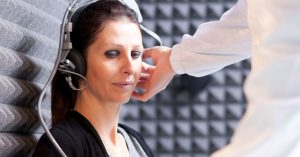
Sound preference is another key factor. Some people find steady white noise calming, while others prefer softer, more varied sounds. The pitch and volume of tinnitus itself also influence what type of masking works best. This is where professional input becomes especially valuable. An audiologist can assess your hearing, discuss your tinnitus experience, and help select or programme sounds that are comfortable and effective for you.
Lifestyle and comfort should not be overlooked. Consider how willing you are to wear a device for extended periods and whether you are comfortable adjusting settings as needed. Modern devices often come with smartphone controls, making them easier to personalise. However, simpler solutions may be preferable for those who want minimal technology involvement.
Finally, it is important to think in terms of long-term management rather than quick fixes. Tinnitus masking devices work best when used consistently and as part of a broader plan that may include hearing support, education, and stress management. Seeking guidance from a qualified hearing professional can help ensure that the device you choose is well suited to your needs and that you receive realistic advice about what it can and cannot do.
Conclusion
Tinnitus masking devices are a valuable tool for managing the persistent ringing, buzzing, or hissing that many people experience, particularly adults over 50. While they do not cure tinnitus, they work by introducing gentle external sounds that reduce the contrast between tinnitus and silence, making the internal noise less noticeable. This simple mechanism can bring immediate relief and, over time, support the brain’s ability to habituate to tinnitus, decreasing emotional distress and improving quality of life.
Different types of masking devices are available to suit a variety of needs. Wearable sound generators provide ongoing relief during daily activities, hearing aids with integrated masking features help those with hearing loss, and bedside machines or apps offer support for sleep and quiet environments. Choosing the right device depends on factors such as the timing and severity of tinnitus, sound preference, lifestyle considerations, and whether professional guidance is sought.
Tinnitus masking devices are particularly effective for people whose tinnitus is linked to hearing loss, is more noticeable in quiet situations, or is exacerbated by stress. They are less effective for those with highly fluctuating or very severe tinnitus, and they work best when expectations are realistic. While these devices do not eliminate tinnitus, they offer meaningful support for managing the condition and improving daily comfort.
Ultimately, tinnitus masking devices should be seen as part of a broader management approach. Combined with education, hearing support, and relaxation or stress management strategies, they can help people regain control over their environment and reduce the impact of tinnitus on sleep, focus, and emotional wellbeing. For those living with tinnitus, understanding how masking works and who it helps can be an empowering first step toward more peaceful, manageable days and nights.
FAQ
What is the difference between tinnitus masking and tinnitus treatment?
Tinnitus masking is a management approach that reduces the awareness of tinnitus by introducing external sounds, such as white noise or nature sounds. It does not treat the underlying cause of tinnitus. Tinnitus treatment, on the other hand, aims to address the root cause or reduce symptoms through medical interventions, hearing support, or therapy. Masking can complement treatment by providing immediate relief and helping with habituation.
Can tinnitus masking devices completely eliminate tinnitus?
No, masking devices do not eliminate tinnitus. They make the internal sounds less noticeable and reduce the brain’s focus on them. Over time, this can lead to reduced distress, but the underlying tinnitus may still be present. The goal is improved comfort and quality of life rather than a cure.
Are tinnitus masking devices suitable for everyone?
Tinnitus masking devices can benefit many people, especially those with hearing loss-related tinnitus, quiet-environment sensitivity, or stress-linked symptoms. However, they may be less effective for severe, fluctuating, or highly intrusive tinnitus. Professional guidance from an audiologist can help determine if a masking device is appropriate for your specific situation.
How do I choose the right sound for my tinnitus masking device?
The right sound depends on personal preference, tinnitus pitch, and volume. Common options include white noise, pink noise, or natural sounds like rainfall or ocean waves. An audiologist can assess your tinnitus and help adjust the sound type and level to ensure comfort and effectiveness.
Do I need to use a masking device all day?
Not necessarily. Some people use masking devices only at night to improve sleep, while others use wearable devices during quiet periods of the day. The duration and timing depend on individual needs, tinnitus severity, and lifestyle. Gradual and consistent use often produces the best results.
This article is for informational purposes only and is not a substitute for professional medical advice, diagnosis, or treatment. If you are concerned about your hearing or ear health, please consult a qualified healthcare provider.