Hearing is one of our most important senses, yet it’s often taken for granted—until it begins to decline. Healthy hearing allows us to enjoy conversations, music, and the world around us. Hearing loss can impact social interactions, cognitive function, and overall quality of life.
The good news is that hearing health can be preserved with intentional steps. This article provides 10 expert tips for maintaining hearing at any age, helping you protect your ears, prevent hearing loss, and enjoy better auditory experiences.
Understanding Hearing Health
Hearing involves the outer ear, middle ear, inner ear, auditory nerve, and brain. Sound waves travel through the ear canal, vibrate the eardrum, move through tiny middle ear bones, and stimulate the cochlea’s hair cells in the inner ear. The brain then interprets these signals as sound.
Hearing loss can occur due to aging (presbycusis), prolonged exposure to loud noise, infections, certain medications, and chronic health conditions. Genetics can also influence susceptibility. Understanding how your ears function and the risks that affect them is the first step in maintaining hearing health.
Tip 1: Protect Your Ears from Loud Noise
Exposure to loud sounds above 85 dB can damage the inner ear’s hair cells permanently. Protect your hearing by using earplugs at concerts, wearing earmuffs in noisy environments, and following safe headphone practices. The 60/60 rule—listening at 60% volume for no more than 60 minutes—is a helpful guideline. Recognizing early signs, like tinnitus or difficulty following conversations, allows for prompt action.
Tip 2: Maintain a Healthy Lifestyle
Good nutrition, regular exercise, avoiding smoking, and limiting alcohol support overall health and hearing. Foods rich in antioxidants, magnesium, and omega-3 fatty acids promote inner ear health, while physical activity improves blood flow to auditory structures. Healthy habits strengthen your body and protect your ears over time.
Tip 3: Manage Chronic Health Conditions
Conditions such as diabetes, hypertension, cardiovascular disease, and high cholesterol can affect hearing. Proper management through medications, diet, exercise, and regular check-ups reduces risk. Mental health also matters—stress and anxiety can exacerbate tinnitus and hearing difficulties, so stress management is important.
Tip 4: Regular Hearing Check-Ups
Routine hearing tests, recommended every 1–2 years, help detect early changes before they significantly affect life. Audiologists can provide testing, interpret results, and recommend interventions, from hearing aids to lifestyle changes. Pay attention to warning signs like difficulty hearing in noisy environments or needing higher volume on devices.
Tip 5: Protect Your Ears from Infections and Injuries
Prevent ear infections by keeping ears dry, practicing good hygiene, and avoiding swimming in polluted water. Protect ears from trauma during sports or activities using helmets or ear guards. Avoid inserting objects like cotton swabs into the ear canal to reduce the risk of injury and infection.
Tip 6: Limit Ototoxic Medications
Some medications can harm hearing, including certain antibiotics, chemotherapy drugs, diuretics, and high-dose pain relievers. Always discuss potential side effects with your healthcare provider, explore alternatives, and schedule hearing tests if necessary. Protect your ears from additional stressors while on these medications.
Tip 7: Use Hearing Aids and Assistive Devices Properly
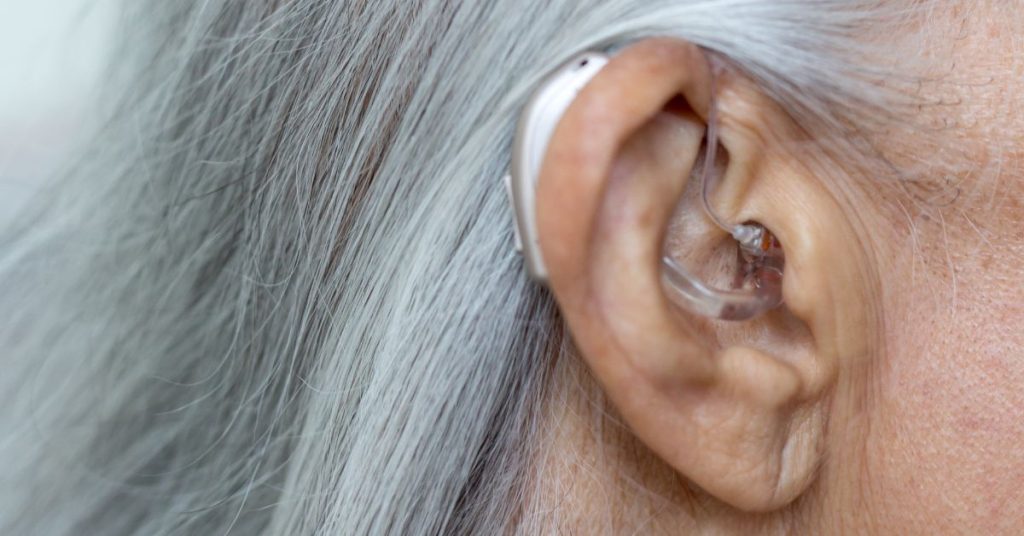
Modern hearing aids amplify sound and improve clarity. Assistive listening devices, like amplified phones or FM systems, help in specific situations. Proper fitting, maintenance, and hygiene maximize benefits. Allow time to adjust gradually and follow audiologist guidance for best results.
Tip 8: Engage in Cognitive and Auditory Exercises
Strengthening auditory processing and cognitive function helps maintain hearing comprehension. Activities like brain-training apps, memory exercises, listening to music, or identifying speech in noisy environments stimulate the brain and support long-term auditory health.
Tip 9: Create a Hearing-Friendly Environment
Minimize background noise by controlling appliance volume and using soft furnishings to absorb sound. Arrange seating to face speakers directly, improve lighting to support visual cues, and use technology like personal amplifiers or noise-canceling devices to enhance listening comfort.
Tip 10: Advocate for Your Hearing Health
Be proactive in seeking hearing assessments and interventions. Educate family and friends about your hearing needs, engage in supportive communities, and communicate with healthcare providers about risks and solutions. Advocacy ensures your hearing health is prioritized and managed effectively.
Conclusion
Maintaining hearing health requires a combination of protection, lifestyle habits, regular check-ups, and proactive management. By following these 10 expert tips, you can preserve hearing, enhance communication, and maintain a high quality of life. Taking control of your auditory health today supports clear and vibrant hearing well into the future.
FAQ
What are the early signs of hearing loss?
Difficulty understanding speech in noisy settings, frequently asking for repetition, increasing device volume, and experiencing tinnitus.
How often should I get my hearing checked?
Adults should schedule hearing tests every 1–2 years, especially those over 50 or with risk factors. More frequent checks may be advised if changes are noticed.
Can lifestyle changes affect hearing?
Yes. Healthy diet, regular exercise, avoiding smoking, and limiting alcohol support inner ear and auditory nerve health.
Are hearing aids necessary for everyone with hearing loss?
Not always, but they significantly improve communication and quality of life for many individuals. Audiologist evaluation determines suitability.
How can I protect my hearing in noisy environments?
Use ear protection, limit exposure time, follow safe listening practices, and take breaks from loud settings.
This article is for informational purposes only and is not a substitute for professional medical advice, diagnosis, or treatment. If you are concerned about your hearing or ear health, please consult a qualified healthcare provider.