
Hearing is one of our most vital senses, yet it’s often taken for granted—especially until changes start to occur. Gradual hearing loss can affect communication, relationships, and overall quality of life, making everyday activities like enjoying music, having conversations, or watching TV more challenging. The good news is that adopting simple daily habits can help protect your ears and maintain healthy hearing well into later life.
Lifelong hearing health isn’t just about avoiding loud noises; it’s a holistic approach that includes lifestyle choices, preventive care, and awareness of your listening habits. From using ear protection in noisy environments to maintaining a healthy diet, every step you take can make a significant difference in preserving your hearing.
In this article, we’ll explore top habits that promote lifelong hearing, offering practical tips and actionable advice tailored for adults over 50, caregivers, and anyone looking to safeguard their ear health. By making small, consistent changes today, you can enjoy clearer hearing for years to come.
The Role of Noise Protection
One of the most common causes of hearing loss is prolonged exposure to loud noises. Everyday sounds—traffic, concerts, power tools, or even personal music devices—can slowly damage the delicate hair cells in the inner ear. Once these hair cells are damaged, they do not regenerate, making prevention essential for lifelong hearing health.
Understanding Safe Noise Levels
Sound is measured in decibels (dB), and exposure to sounds above 85 dB can start to harm your hearing over time. For perspective, heavy traffic or a lawnmower can reach this level, while a rock concert or personal headphone at full volume can exceed 100 dB. The louder the sound, the shorter the safe exposure time. Using a simple rule of thumb—“the louder it is, the shorter you should stay”—can help prevent damage.
Ear Protection in Noisy Environments
Investing in quality ear protection, like earplugs or earmuffs, is a small step with a big payoff. Whether you’re attending a live concert, operating power tools, or mowing the lawn, wearing protective gear can significantly reduce the risk of noise-induced hearing loss. Modern earplugs are discreet and comfortable, and some are even designed to filter sound without muffling speech, making them ideal for daily use.
Reducing Everyday Noise Exposure
Small changes in your daily environment can also protect your ears. Lowering the volume on TVs, radios, and personal devices, taking breaks from continuous noise, and creating quiet zones at home can all reduce cumulative noise exposure. Apps and devices that monitor decibel levels can help you stay aware and make smarter listening choices.
Protecting Hearing in the Workplace
For those who work in noisy industries, following workplace safety guidelines is critical. Many organizations provide hearing protection and enforce noise limits, but personal vigilance is equally important. Rotate tasks, use protective equipment consistently, and get regular hearing checks to catch early signs of damage.
By making noise protection a routine habit, you give your ears a strong defense against the irreversible effects of loud sound. Incorporating these strategies into daily life is one of the simplest ways to maintain hearing health for decades to come.
Maintaining a Healthy Lifestyle
Hearing health isn’t just about protecting your ears from loud sounds—it’s closely linked to your overall physical well-being. Your cardiovascular system, diet, and chronic health conditions can all influence how well your ears function over time. By adopting a healthy lifestyle, you can support not only your general health but also the longevity of your hearing.
Nutrition for Ear Health
Certain nutrients play a key role in maintaining the delicate structures of the inner ear. Foods rich in antioxidants, such as vitamins C and E, can help reduce oxidative stress that contributes to hearing loss. Omega-3 fatty acids, commonly found in fish like salmon and walnuts, support blood circulation, which is vital for the tiny blood vessels in the inner ear. Magnesium, present in leafy greens, nuts, and seeds, may protect against noise-induced damage, while zinc supports overall ear health and immune function. Including a variety of these nutrient-dense foods in your diet can strengthen your ears from the inside out.
Exercise and Circulation
Regular physical activity benefits hearing by promoting healthy blood flow throughout the body, including the inner ear. Cardiovascular exercises such as walking, swimming, and cycling help maintain the oxygen and nutrient supply to your auditory system. Strong circulation not only protects your ears from age-related decline but also supports brain function, which is essential for processing sounds and speech.
Managing Chronic Health Conditions
Conditions like diabetes, high blood pressure, and high cholesterol have been linked to increased risk of hearing loss. Managing these conditions through medication, lifestyle adjustments, and regular medical checkups can indirectly protect your ears. For example, keeping blood pressure in a healthy range ensures that tiny blood vessels in the inner ear remain intact, reducing the likelihood of damage over time.
Avoiding Harmful Substances
Smoking and excessive alcohol consumption can negatively impact hearing health. Nicotine and other toxins restrict blood flow to the ears, while heavy alcohol use may contribute to cellular damage in the auditory system. By minimizing these habits, you improve not only your cardiovascular health but also the long-term resilience of your hearing.
Maintaining a healthy lifestyle is a cornerstone habit for lifelong hearing. By focusing on balanced nutrition, regular exercise, and proper management of chronic conditions, you create a supportive environment for your ears, helping them function optimally for years to come.
Regular Hearing Check-Ups
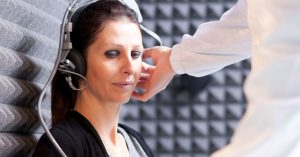
Routine hearing screenings are one of the most effective ways to maintain lifelong hearing. Many people assume that hearing loss only occurs suddenly or with old age, but gradual changes often go unnoticed until they significantly affect daily life. Regular check-ups allow for early detection, timely intervention, and better management of hearing health.
The Importance of Early Detection
Hearing loss often develops slowly, making it easy to overlook. Early detection is crucial because it allows you to take steps to prevent further damage and address issues before they interfere with communication or social engagement. Even mild hearing loss can increase cognitive strain, lead to social withdrawal, and affect overall well-being. A routine hearing assessment helps identify changes that might otherwise go unnoticed.
How Often Should You Get Checked?
For adults over 50, a hearing check every one to two years is recommended, even if no symptoms are present. Those with known risk factors—such as exposure to loud noise, a family history of hearing loss, or chronic health conditions—may benefit from more frequent assessments. Early intervention can include hearing aids, assistive listening devices, or lifestyle adjustments to prevent further decline.
Understanding Hearing Tests
A comprehensive hearing evaluation goes beyond simply identifying whether you can hear certain tones. Audiologists assess how well you understand speech in different environments, detect early signs of age-related or noise-induced loss, and provide personalized recommendations. Many clinics now offer advanced hearing tests that can detect subtle changes before noticeable symptoms appear.
Benefits of Ongoing Monitoring
Keeping track of your hearing health allows you to notice patterns or gradual declines and respond proactively. Regular check-ups also provide an opportunity to discuss concerns, update hearing devices, and learn strategies to maintain ear health. This consistent monitoring is a habit that pays dividends over time, preserving communication ability and quality of life.
By making regular hearing check-ups part of your routine, you create a proactive approach to ear health that complements other protective habits, helping ensure your hearing remains strong and reliable throughout your life.
Smart Listening Habits
How we listen every day has a profound impact on hearing health. Modern technology, like headphones and earbuds, has made it easier than ever to enjoy music, podcasts, and phone calls—but improper use can accelerate hearing loss. Adopting smart listening habits is a practical way to protect your ears while still enjoying audio entertainment.
Safe Headphone and Earbud Use
Listening at high volumes through headphones or earbuds can damage the tiny hair cells in the inner ear, leading to permanent hearing loss over time. Experts recommend following the 60/60 rule: listen at no more than 60% of maximum volume for no more than 60 minutes at a time. After an hour, give your ears a break to recover. Over-ear headphones are generally safer than in-ear devices because they reduce direct sound pressure in the ear canal.
Taking Listening Breaks
Even at moderate volumes, prolonged listening without breaks can fatigue your auditory system. Incorporating regular pauses—whether stepping away from music, TV, or phone calls—helps prevent cumulative stress on your hearing. Consider using “quiet moments” throughout the day to rest your ears, especially in noisy environments.
Adjusting Volume and Sound Settings
Many devices allow volume limits or preset safe listening levels. Activating these features ensures that your music, videos, and calls stay within a hearing-friendly range. Reducing background noise, using noise-canceling headphones, or enhancing audio clarity can also allow you to listen at lower volumes without losing enjoyment.
Mindful Listening in Daily Life
Smart listening extends beyond technology. Being aware of your environment and avoiding unnecessarily loud settings—like crowded restaurants or noisy streets—can reduce long-term exposure to damaging sounds. Simple adjustments, such as choosing quieter venues or using ear protection in noisy public spaces, contribute significantly to preserving hearing.
By integrating these habits into your daily routine, you can enjoy your favorite audio experiences safely. Thoughtful listening habits are an easy yet highly effective way to maintain hearing health for a lifetime.
Protecting Your Ears From Infection and Injury
Protecting your ears goes beyond avoiding loud sounds—it also involves safeguarding them from infection, trauma, and other physical damage. Ear infections, improper cleaning, and accidents can all contribute to hearing loss over time, so adopting preventive habits is essential for lifelong ear health.
Ear Hygiene Without Harm
Cleaning your ears may seem simple, but using cotton swabs or sharp objects can damage the ear canal or eardrum. Instead, gently wipe the outer ear with a soft cloth and allow the ear’s natural cleaning mechanisms to handle wax buildup. Over-the-counter ear drops or professional ear cleaning by a healthcare provider can be used if necessary. Proper ear hygiene prevents infections and maintains the integrity of your auditory system.
Preventing Ear Infections
Frequent ear infections, particularly in adults, can lead to temporary or even permanent hearing damage if left untreated. Keep your ears dry after swimming or bathing, avoid inserting foreign objects, and seek prompt medical attention for any signs of infection, such as pain, fluid discharge, or ringing in the ears. Vaccinations, including flu and pneumococcal vaccines, can also help prevent certain infections that may affect ear health.
Protecting Ears During Physical Activity
Sports, falls, or other accidents can result in trauma to the ears, potentially causing hearing loss or balance issues. Wearing helmets during cycling, using protective headgear for contact sports, and being cautious during high-risk activities can prevent injury. Additionally, avoiding exposure to sudden loud blasts, such as fireworks or gunfire, is crucial to prevent acoustic trauma.
Safe Water Practices
Water-related activities, like swimming or showering, can introduce bacteria into the ear canal, leading to swimmer’s ear or other infections. Use earplugs designed for water protection when swimming and dry ears thoroughly afterward. Avoid inserting objects to remove water, as this can cause irritation or damage.
By being mindful of ear hygiene, preventing infections, and protecting your ears during activities, you reduce the risk of damage that can compromise hearing over time. These habits complement noise protection and healthy lifestyle choices, creating a comprehensive approach to preserving hearing for life.
Conclusion
Maintaining healthy hearing throughout life is a combination of daily habits, preventive care, and mindful listening practices. From protecting your ears against loud noises to adopting a nutrient-rich diet, regular exercise, and routine hearing check-ups, every small step contributes to long-term auditory health. Incorporating smart listening habits, avoiding infections, and safeguarding your ears from injury further strengthens your defense against gradual hearing loss.
The key takeaway is that hearing health is cumulative—consistent attention and care today can prevent significant issues tomorrow. Simple habits, like using ear protection in noisy environments, moderating headphone volume, and prioritizing overall wellness, empower you to enjoy clear hearing for decades.
By making these practices a part of your daily routine, you are investing in a richer, more connected, and fulfilling life. Lifelong hearing is achievable, and it starts with mindful choices and proactive habits that protect your ears every single day.
FAQ
What are the most important daily habits for protecting hearing?
Daily habits that protect hearing include using ear protection in noisy environments, moderating headphone volume, taking listening breaks, maintaining a healthy diet, exercising regularly, and scheduling routine hearing check-ups. Together, these habits reduce the risk of noise-induced and age-related hearing loss.
How often should adults get their hearing checked?
Adults over 50 should have their hearing evaluated at least once every one to two years, even if no symptoms are present. Individuals with high-risk factors—such as frequent exposure to loud noise, a family history of hearing loss, or chronic health conditions—may benefit from more frequent screenings. Early detection allows for timely intervention and better management.
Can lifestyle changes really impact hearing health?
Yes. Nutrition, exercise, and overall wellness play a significant role in maintaining hearing. A heart-healthy diet, proper blood circulation, and management of conditions like diabetes or high blood pressure can help preserve the delicate structures of the inner ear and reduce the risk of progressive hearing loss.
Are headphones harmful to hearing?
Headphones and earbuds can be harmful if used at high volumes for extended periods. Following the 60/60 rule—listening at no more than 60% of maximum volume for 60 minutes at a time—and taking breaks can minimize the risk. Over-ear headphones are generally safer than in-ear models, and noise-canceling options allow for lower volumes in noisy environments.
How can I prevent ear infections from affecting my hearing?
Prevent ear infections by keeping your ears dry, avoiding inserting objects into the ear canal, and seeking prompt medical care if symptoms like pain or fluid discharge occur. Vaccinations and proper ear hygiene also reduce the risk of infections that could impact hearing over time.
This article is for informational purposes only and is not a substitute for professional medical advice, diagnosis, or treatment. If you are concerned about your hearing or ear health, please consult a qualified healthcare provider.