Hearing is one of our most important senses, connecting us to the people, sounds, and experiences that make life meaningful. For millions of adults, especially those over 50, hearing loss can slowly creep in, making conversations, television, and everyday sounds harder to follow. The good news is that hearing devices have evolved tremendously in 2026, offering a range of solutions that improve clarity, comfort, and connectivity.
From discreet hearing aids that fit seamlessly in the ear to smart devices that adjust to your environment automatically, modern technology makes it easier than ever to regain a sense of auditory freedom. Beyond traditional hearing aids, a variety of assistive listening devices, personal amplifiers, and wearable gadgets can help people hear better in different situations—from crowded restaurants to quiet home settings.
This guide will explore the best hearing devices available today, breaking down their features, benefits, and considerations to help you or your loved ones make informed choices. Whether you’re looking for advanced hearing aids, practical amplifiers, or the latest smart hearing tech, this comprehensive 2026 guide covers everything you need to know to improve your hearing and enjoy life more fully.
Understanding Hearing Loss and Its Impact
Hearing loss affects millions of people worldwide, and its prevalence increases with age. There are three main types of hearing loss: sensorineural, conductive, and mixed. Sensorineural hearing loss, the most common form, results from damage to the inner ear or auditory nerve and is often permanent. Conductive hearing loss occurs when sound cannot efficiently travel through the outer or middle ear, sometimes caused by infections, fluid, or earwax buildup. Mixed hearing loss combines elements of both types. Understanding which type you have is crucial for selecting the right hearing device.
Beyond the physical aspect, hearing loss significantly impacts daily life. Conversations can become frustrating, especially in noisy environments like restaurants or family gatherings. Individuals may struggle with phone calls, television, or even recognizing familiar voices. Over time, untreated hearing loss can contribute to social isolation, fatigue, and even cognitive decline.
Psychologically, hearing loss can take a toll on confidence and emotional well-being. Many adults feel embarrassed or anxious when they frequently ask others to repeat themselves. This can lead to avoiding social situations and a reduced quality of life. Recognizing the effects of hearing loss and addressing them proactively with appropriate devices is vital for maintaining independence and staying connected to loved ones.
In short, hearing loss isn’t just about missing sounds—it’s about missing experiences and interactions. The right hearing device can bridge this gap, restoring not just hearing, but also social confidence and overall quality of life.
Hearing Aids: The Most Common Solution
Hearing aids remain the cornerstone for managing hearing loss, offering a personalized way to amplify sounds and improve speech clarity. In 2026, hearing aid technology has advanced significantly, providing options that are more discreet, comfortable, and adaptive than ever before. Modern hearing aids are designed to fit a wide range of hearing levels, from mild to severe, and can be customized to suit individual preferences and lifestyles.
There are several main types of hearing aids:
Behind-the-Ear (BTE): These devices sit comfortably behind the ear and connect to an earmold inside the ear canal. BTE models are suitable for all degrees of hearing loss and often include features like directional microphones, noise reduction, and rechargeable batteries.
In-the-Ear (ITE): These are custom-fit devices that fill the outer part of the ear. ITE aids are generally less visible than BTE models and offer good amplification for mild to severe hearing loss.
Completely-in-Canal (CIC) and Invisible-in-Canal (IIC): These small, discreet hearing aids fit entirely inside the ear canal, making them almost invisible. They are ideal for mild to moderate hearing loss and are particularly appealing for users concerned about aesthetics.
Many modern hearing aids now include Bluetooth connectivity, allowing users to stream phone calls, music, and television audio directly to their devices. AI-powered sound processing automatically adjusts amplification based on the environment, reducing background noise and enhancing speech understanding. Rechargeable batteries are also becoming standard, eliminating the hassle of frequent battery replacements and supporting full-day use.
When choosing a hearing aid, it’s essential to consider lifestyle factors. For example, someone who frequently attends social gatherings may benefit from devices with advanced noise-canceling features, while a tech-savvy user may prefer smart hearing aids that integrate seamlessly with smartphones and apps. Audiologists play a critical role in recommending the right device, performing precise fittings, and providing ongoing adjustments to ensure optimal performance.
Overall, hearing aids offer a versatile and highly effective solution for most types of hearing loss. Paired with proper support and training, they can dramatically improve communication, independence, and quality of life.
Assistive Listening Devices (ALDs) and Personal Amplifiers
While hearing aids are highly effective for many people, they aren’t always sufficient in certain environments or for specific needs. This is where Assistive Listening Devices (ALDs) and personal amplifiers come in, offering targeted solutions to improve hearing in challenging situations. These devices are designed to complement hearing aids or serve as standalone tools for individuals with hearing difficulties.
Assistive Listening Devices (ALDs) include a variety of tools that enhance sound clarity in specific situations:
TV and Media Listeners: These devices transmit television or music audio directly to the listener, reducing background noise and improving speech comprehension. Some models use Bluetooth or FM transmission for crystal-clear sound.
Amplified Phones: Traditional phones can be difficult to hear, even with hearing aids. Amplified phones boost incoming sound and often include tone adjustments to match the user’s hearing profile.
FM and DM Systems: Used in classrooms, lecture halls, or public spaces, these systems transmit a speaker’s voice directly to the listener’s device, significantly reducing background noise and distance-related sound loss.
Personal amplifiers are portable devices that allow users to control the volume of surrounding sounds. They often include a microphone and speaker, enabling clearer hearing in face-to-face conversations, small meetings, or outdoor settings. Some models come with multiple listening modes, noise filters, and rechargeable batteries, making them convenient for daily use.
These devices are particularly helpful for people who cannot tolerate hearing aids due to comfort issues, irregular hearing needs, or mild hearing loss. They can also be a practical solution in noisy environments where even high-quality hearing aids struggle to isolate speech from background noise.
Choosing the right ALD or personal amplifier depends on lifestyle and listening priorities. For instance, frequent TV watchers might benefit from a dedicated TV listening system, while social butterflies may prefer a portable amplifier for small gatherings. Consulting an audiologist or hearing professional can help determine which devices best complement your hearing profile and daily activities.
Emerging Technology and Innovative Devices
The world of hearing technology continues to evolve rapidly, with 2026 bringing a wave of innovative devices designed to make hearing easier, smarter, and more seamless. Beyond traditional hearing aids and assistive listening devices, new tech is transforming how people with hearing loss experience sound in everyday life.
One of the most exciting advancements is smart hearing devices that integrate with smartphones and AI-driven apps. These devices can automatically adjust amplification based on the environment, distinguishing speech from background noise and reducing auditory fatigue. Some models even learn the user’s listening preferences over time, creating a personalized hearing profile that optimizes clarity in restaurants, outdoor spaces, or social gatherings.
Wearable hearing gadgets are another breakthrough. These include earbuds that double as hearing aids, bone conduction devices that transmit sound through the skull, and discreet in-ear monitors with real-time sound processing. Many of these devices connect wirelessly to other electronics, allowing streaming of phone calls, music, or alerts directly into the ears without the need for additional equipment.
Additionally, hearing health apps are becoming a key component of modern hearing care. They offer features like sound therapy for tinnitus, hearing tests to track changes over time, and remote audiologist consultations. Paired with cloud-connected devices, these apps allow for fine-tuning and adjustments without visiting a clinic, making hearing care more accessible and convenient than ever.
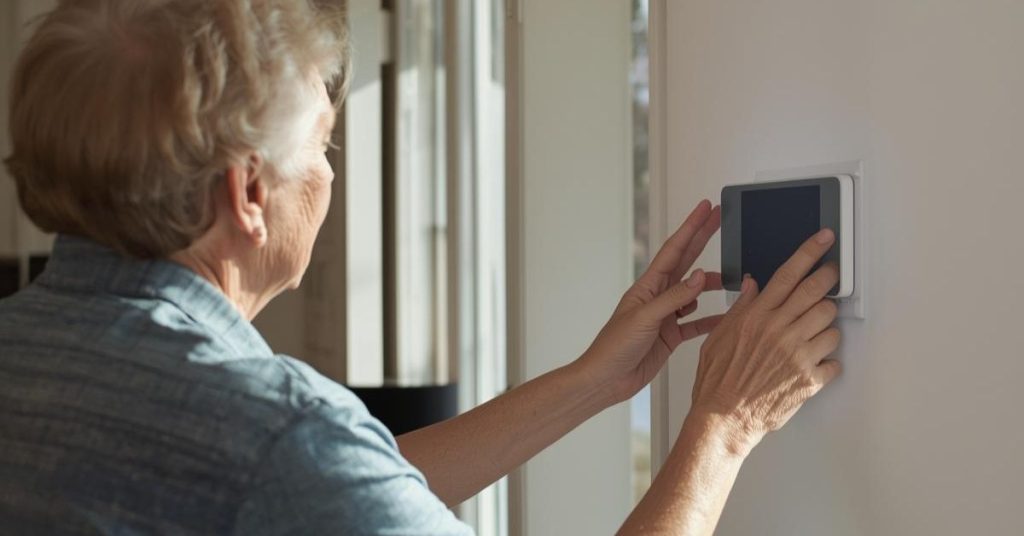
Innovative accessories are also on the rise. For example, wireless microphones can be clipped to a conversation partner’s clothing, transmitting their voice directly to the listener’s hearing device. Smart home integration is another emerging trend, enabling alerts for doorbells, alarms, or baby monitors to be sent straight to hearing devices.
These technological advancements show that hearing solutions in 2026 are no longer just about amplification—they’re about creating a comprehensive hearing experience that fits seamlessly into daily life. For people with hearing loss, staying informed about these innovations opens doors to better communication, independence, and overall quality of life.
Tips for Choosing and Maintaining Hearing Devices
Selecting the right hearing device involves more than picking the latest model—it requires careful consideration of your hearing needs, lifestyle, and preferences. Here are some practical tips to ensure you choose a device that provides the best results:
1. Get a Professional Hearing Assessment:
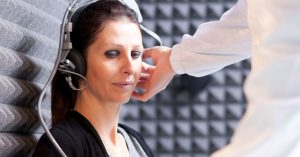
Before investing in any device, schedule a comprehensive hearing evaluation with an audiologist. This will help determine the type and degree of hearing loss, identify specific listening challenges, and guide recommendations for appropriate devices.
2. Consider Your Lifestyle:
Think about where you spend most of your time. Do you attend social events frequently, or do you primarily need help at home? People who are socially active may benefit from hearing aids with advanced noise reduction and Bluetooth connectivity, while someone who watches TV or listens to music may prefer devices that pair easily with media systems.
3. Compare Features and Technology:
Modern hearing devices come with a variety of features—rechargeable batteries, smartphone integration, AI sound optimization, directional microphones, and tinnitus support. Consider which features will have the most impact on your daily life. Avoid paying for extras you don’t need, but prioritize those that enhance your listening experience.
4. Test Devices Before Committing:
Whenever possible, try devices in real-world situations. Many audiologists offer trial periods, allowing you to experience how the device performs in different environments. Comfort, sound quality, and ease of use are all important factors to evaluate.
5. Maintain Your Devices Properly:
Regular maintenance is crucial to ensure longevity and optimal performance. Keep devices clean and dry, follow manufacturer instructions for battery replacement or recharging, and schedule routine check-ups with your audiologist. Proper care can prevent common issues such as feedback, distortion, or device failure.
6. Consider Ongoing Support and Adjustments:
Hearing needs can change over time, and devices may require fine-tuning. Look for providers who offer ongoing support, software updates, and professional adjustments. This ensures your device continues to deliver the best hearing experience year after year.
By following these tips, you can make an informed decision that improves not just your hearing but your overall quality of life. Properly chosen and maintained devices allow you to communicate confidently, enjoy social interactions, and participate fully in everyday activities.
Conclusion
Hearing loss can impact every aspect of life, from social interactions to emotional well-being. Thankfully, the hearing devices available in 2026 offer unprecedented opportunities to restore clarity, confidence, and connection. From traditional hearing aids to assistive listening devices and cutting-edge smart gadgets, there is a solution for nearly every type of hearing loss and lifestyle need.
The key to success lies in understanding your hearing profile, exploring the features that matter most, and seeking professional guidance when choosing a device. Whether it’s a discreet in-ear hearing aid, a personal amplifier for conversations, or a wearable smart device that integrates with modern technology, each option plays a vital role in improving the quality of life for those with hearing challenges.
Ultimately, the right hearing device can do more than amplify sound—it can open doors to richer experiences, better communication, and greater independence. Staying informed about the latest technology and taking proactive steps to care for your hearing ensures that you or your loved ones can enjoy life to the fullest, without letting hearing loss hold you back.
FAQ
What is the best type of hearing aid for mild versus severe hearing loss?
Hearing aids come in different styles, including behind-the-ear (BTE), in-the-ear (ITE), and completely-in-canal (CIC). Mild hearing loss is often managed effectively with smaller, discreet devices like CIC or IIC models, while moderate to severe hearing loss may require BTE aids, which offer stronger amplification and additional features like directional microphones. A professional hearing assessment is essential to determine the best fit for your specific hearing profile.
Can hearing aids connect to smartphones and other devices?
Yes, many modern hearing aids feature Bluetooth connectivity, allowing them to stream audio from smartphones, tablets, TVs, and other devices. Some smart hearing aids even pair with apps that provide customizable settings, real-time adjustments, and remote support from audiologists, enhancing convenience and usability.
Are assistive listening devices necessary if I already have hearing aids?
Assistive listening devices (ALDs) can complement hearing aids, especially in challenging listening environments. For example, amplified phones, TV listeners, and wireless microphones can improve clarity in situations where background noise or distance makes hearing difficult, providing a tailored solution for specific scenarios.
How often should hearing devices be maintained or adjusted?
Regular maintenance is important to ensure optimal performance. Clean devices according to manufacturer instructions, replace or recharge batteries as needed, and schedule routine check-ups with your audiologist. Periodic adjustments help accommodate changes in hearing and ensure the device continues to perform effectively.
Are there new technologies that improve hearing beyond traditional aids?
Yes, emerging technologies in 2026 include AI-powered hearing devices, wearable hearing gadgets, bone conduction devices, and apps for sound optimization and tinnitus management. These innovations can enhance sound quality, provide personalized hearing experiences, and integrate with modern digital lifestyles, offering more than just amplification.
This article is for informational purposes only and is not a substitute for professional medical advice, diagnosis, or treatment. If you are concerned about your hearing or ear health, please consult a qualified healthcare provider.