Monitoring noise levels has never been more important, especially as more people become aware of how everyday sounds can impact long-term hearing health. Whether you’re concerned about loud environments, trying to protect your hearing, or simply curious about the noise around you, sound meter apps have become incredibly popular tools. They offer a convenient, accessible way to measure sound levels directly from your smartphone—no expensive equipment required. But with so many apps available, it can be difficult to know which ones are accurate, which ones are user-friendly, and which ones can genuinely help you make better decisions about your hearing.
In this article, we take a closer look at how sound meter apps work, why accuracy varies from app to app, and which options are worth your time. For adults over 50, caregivers, and anyone managing hearing loss, understanding noise levels in familiar settings—like restaurants, concerts, workplaces, and even at home—can make a meaningful difference. By reviewing the top-rated apps, we’ll explore how these tools stack up against professional sound level meters, where they shine, and where they still fall short.
You’ll also discover tips on using these apps effectively, whether you’re safeguarding your own hearing or helping someone you care for navigate noisy environments. By the end, you’ll have a clear picture of which sound meter apps truly measure up—and how they can become part of your overall hearing health strategy.
Understanding How Sound Meter Apps Work
Sound meter apps may seem simple on the surface, but there’s a lot going on behind that digital decibel display. At their core, these apps rely on your smartphone’s built-in microphone to capture sound waves and convert them into measurable data. While professional sound level meters are calibrated with precision hardware, smartphone microphones are designed for speech—not scientific sound measurement. Still, with sophisticated software processing and clever algorithms, many modern apps do a surprisingly good job of estimating noise levels in everyday environments.
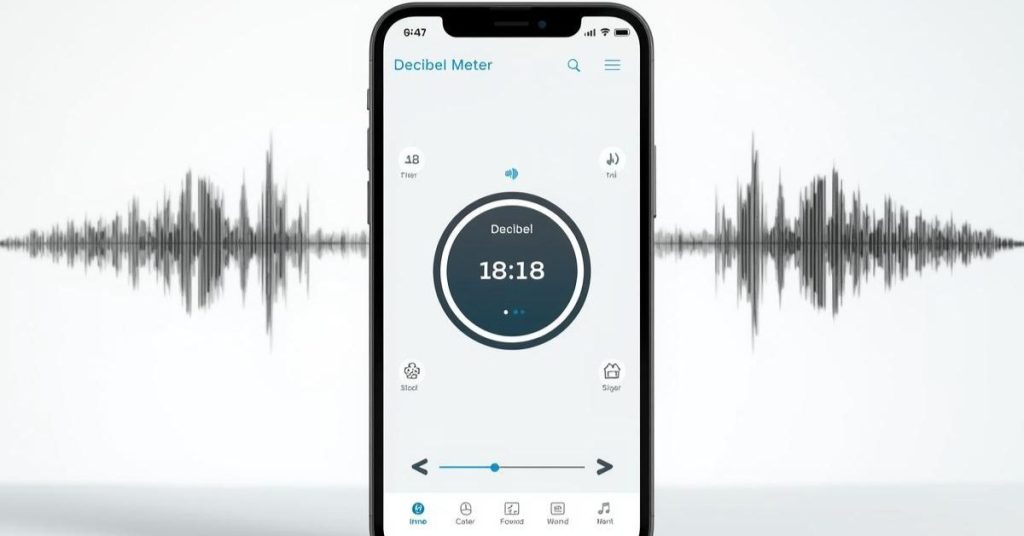
To understand how these apps work, it helps to know a bit about decibels (dB). Decibels measure sound intensity on a logarithmic scale, meaning each increase of 10 dB represents a sound that’s roughly twice as loud to the human ear. Most people are exposed to a wide range of sounds each day—40 dB for a quiet room, 60 dB for normal conversation, 85 dB in heavy traffic, and well over 100 dB at concerts or sporting events. Sound meter apps analyze these sound levels and display them in real time, often with additional insights such as peak readings, averages, and exposure warnings.
However, accuracy varies due to microphone limitations. Smartphone mics cannot capture very high or very low frequencies with the same precision as dedicated equipment. Some apps attempt to compensate with calibration tools or hardware-specific tuning, while others focus more on ease of use than scientific accuracy. Still, even with their limitations, sound meter apps can offer helpful “ballpark” readings that empower users to better understand their sound environment and make more informed choices about hearing protection.
For older adults or individuals managing hearing loss, this accessibility can make a meaningful difference. A sound meter app can help identify when a restaurant is too loud for comfortable conversation, when household appliances are producing excessive noise, or when listening devices like headphones might be set too high. By offering quick, convenient insights, these apps help bring noise awareness into daily life—without the need for expensive equipment.
Top-Rated Sound Meter Apps: An In-Depth Review
With so many sound meter apps available today, it can feel overwhelming to sort out which ones are truly useful and which ones fall short. While none of them can fully replace a professional-grade sound level meter, several apps come remarkably close—offering strong accuracy, intuitive interfaces, and practical features that help users easily gauge noise levels in everyday environments. Below is an in-depth look at some of the top-rated options, focusing on usability, functionality, and suitability for adults, caregivers, and individuals monitoring hearing health.
NIOSH Sound Level Meter (iOS)
Developed by the National Institute for Occupational Safety and Health, this app is one of the most trusted sound meter tools available. It combines scientific-grade methodology with an easy-to-read display. The NIOSH app provides A-weighted and C-weighted measurements, time-weighted averages, and real-time charts—features typically found in professional instruments. While available only for iPhone, its calibration and accuracy are among the best in the app market. Users who want reliable information for workplace or personal noise safety often find this app to be the gold standard.
Sound Meter by Smart Tools (Android)
Popular on Android devices, Sound Meter by Smart Tools offers a clean, user-friendly interface and a range of helpful functions. The app displays real-time decibel readings, historical data, and reference points that help users understand how loud different environments are compared to everyday sounds. While it may not match the precision of the NIOSH app, it delivers a solid level of accuracy for daily noise checks. Its lightweight design makes it ideal for those who want a straightforward, reliable tool without unnecessary complexity.
Decibel X (iOS & Android)
Decibel X is one of the few apps available on both major platforms that advertises professional-grade accuracy. It includes calibration options, real-time sound waveform displays, and easy sharing of recorded data—features that appeal to tech-savvy users and those who want deeper insights into their noise exposure. Its sleek interface and customizable settings make it a favorite among musicians, event-goers, and individuals monitoring hearing health. While accuracy can vary depending on smartphone model, its overall performance is strong.
SPL Meter by Studio Six Digital (iOS)
Designed to resemble a traditional analog sound meter, SPL Meter offers a familiar and visually engaging experience. It includes A, C, and Z weightings, making it versatile for different noise-measurement needs. Though its calibration features are best utilized with external microphones, even its built-in mic performance is generally reliable for casual use. The app is especially popular among users who appreciate a blend of classic aesthetics and modern functionality.
Sound Meter Pro (Android)
Sound Meter Pro provides a more advanced feature set for Android users, including data logging, noise analysis charts, and peak-level monitoring. It’s useful for individuals who want more detailed long-term insights into their noise environment—such as tracking nighttime noise, workplace exposure, or daily commuting levels. While its interface is slightly more technical than beginner-oriented apps, it offers excellent value for those who need more than just a quick noise check.
Across these apps, the level of accuracy varies based on smartphone hardware and environmental factors. However, each provides enough reliability for everyday use—helping users stay aware of potentially loud environments and make smart decisions about hearing protection.
Accuracy Matters: How Reliable Are Smartphone Sound Meter Apps?
One of the most common questions people ask about sound meter apps is whether they can truly be trusted. After all, professional sound level meters are precision-calibrated instruments designed to capture sound with remarkable accuracy. Smartphone apps, on the other hand, rely on microphones built primarily for speech detection, making their capabilities naturally more limited. Still, for everyday environments and general noise awareness, many apps perform far better than users expect.
Smartphones today use microphones that are sensitive, high quality, and capable of capturing a broad range of sounds. However, their frequency response isn’t flat, and they’re often optimized to reduce background noise—something that can interfere with precise sound measurements. Despite this, advanced algorithms and calibration tools built into some apps help compensate for these hardware limitations. Apps like NIOSH Sound Level Meter and Decibel X, for example, offer calibration features that can improve accuracy significantly when used with compatible devices.
That said, even the best sound meter apps may struggle in certain situations. Extremely loud environments, such as concerts or construction zones, may exceed a phone’s maximum input level, causing readings to be capped or distorted. Similarly, very low-level sounds are often difficult for smartphones to detect because noise-reduction circuits may filter them out. Background wind, device placement, and cases or covers can also affect accuracy. For these reasons, users should think of sound meter apps as helpful guides rather than precise scientific tools.
Despite their limits, sound meter apps excel in giving users a clear sense of whether an environment is safe or potentially harmful to their hearing. For example, if an app consistently shows readings near or above 85 dB—the level at which prolonged exposure can lead to hearing damage—it’s a meaningful indicator that protective steps should be taken. These apps also help raise awareness about daily noise exposure, enabling people to identify noisy restaurants, household appliances, or social events that might strain their hearing.
For adults over 50 or individuals with hearing loss, this awareness is especially valuable. Hearing sensitivity often decreases with age, making it harder to notice if an environment is dangerously loud. By checking noise levels through a sound meter app, users gain an added layer of awareness and control. And while the apps may not replace professional equipment in clinical or occupational settings, they provide an accessible, practical way to stay informed about the sound levels that affect everyday well-being.
Using Sound Meter Apps to Protect Your Hearing
Sound meter apps can be powerful tools when it comes to safeguarding your hearing, especially in a world where harmful noise exposure often goes unnoticed. While these apps aren’t meant to replace medical evaluations or professional sound meters, they provide practical, real-time insights that help you make smarter choices about your listening environments. For adults over 50, caregivers, and individuals already experiencing hearing loss, this awareness can play a valuable role in preventing further damage.
One of the biggest advantages of using a sound meter app is its ability to alert you when noise levels reach thresholds that could become hazardous. For example, sounds at or above 85 dB can begin damaging hearing with prolonged exposure, and many apps can warn you when you’re approaching or exceeding this level. Whether you’re at a busy restaurant, a family gathering, or an outdoor event, a quick check of an app can help you decide when to take breaks, move to a quieter spot, or use hearing protection.
These apps are also beneficial when monitoring noise levels at home. Everyday appliances—like blenders, hairdryers, vacuum cleaners, or even kids’ toys—can reach unexpected decibel levels. Using a sound meter app allows you to test these items and identify which ones may warrant caution. Caregivers may find this especially helpful when protecting children or elderly family members who are sensitive to loud sounds or unable to express discomfort.
For individuals who use hearing aids or other assistive listening devices, sound meter apps can help ensure that the overall listening environment stays within safe limits. This can be especially useful during activities like listening to music, watching TV, or participating in social gatherings. When paired with mindful listening habits—such as following the 60/60 rule (no more than 60% volume for no more than 60 minutes)—these apps offer an added layer of protection.
Travel and recreation also present opportunities to use sound meter apps effectively. Whether you’re attending a sporting event, traveling on an airplane, or walking along a busy street, these apps can help you understand how much noise you’re exposed to and for how long. Some apps even allow you to track your exposure over time, giving you a broader picture of your daily noise environment and helping you identify patterns that may impact your hearing health.
Overall, sound meter apps empower users to take an active role in hearing protection. By offering awareness, insight, and timely feedback, they make it easier than ever to recognize potentially harmful sounds and respond in ways that support long-term hearing well-being.
Choosing the Right Sound Meter App for Your Needs
With so many sound meter apps available, choosing the right one depends largely on your personal goals, lifestyle, and comfort with technology. While some users may prioritize ease of use and quick noise checks, others may want advanced features, detailed logs, or near-professional accuracy. Understanding what matters most to you will help narrow down the options and ensure the app you select truly supports your hearing health.
If your main priority is accuracy, especially for monitoring potentially hazardous environments, apps like NIOSH Sound Level Meter (for iOS) or Decibel X (for iOS and Android) are among the most reliable choices. These apps offer calibration tools, clear displays, and standardized measurement methods that deliver some of the closest readings to a professional sound level meter. They’re ideal for individuals who regularly encounter loud settings—such as concerts, sports events, or busy public spaces—and want trustworthy measurements to guide their decisions.
For users who value simplicity and ease of use, apps like Sound Meter by Smart Tools (Android) or SPL Meter (iOS) offer highly intuitive interfaces. Their screens are easy to read, and their features are straightforward, making them excellent choices for older adults or those who simply want a quick sound check without navigating complex settings. These apps can help identify loud environments, gauge everyday noises, and support smart choices about hearing protection without overwhelming the user.
If you’re looking for long-term tracking or want to better understand your overall daily noise exposure, apps such as Sound Meter Pro (Android) or Decibel X—with its export and logging capabilities—offer excellent tools. These features are particularly helpful for caregivers monitoring children’s exposure, individuals working in noisy environments, or those who want a broader picture of how sound affects their well-being over time.
Compatibility is also an important factor. Some of the best apps are platform-specific—NIOSH for iOS, for example—so your smartphone’s operating system will naturally influence your choices. Additionally, some older phone models may not support the latest features or may offer reduced microphone performance, which can affect accuracy. If you’re using hearing aids or assistive listening devices, it may be helpful to choose an app with clear visual displays and customizable settings.
Finally, consider whether you prefer free apps or are open to paid versions. Free apps are often sufficient for casual noise monitoring, while paid versions may unlock higher accuracy, more professional features, or ad-free experiences. Regardless of your budget, the most important factor is choosing an app that feels comfortable, reliable, and easy to use—one that encourages you to stay aware of noise levels and take proactive steps to protect your hearing for the long term.
Conclusion
Sound meter apps have become valuable tools for anyone looking to better understand and manage their exposure to everyday noise. While they can’t completely replace the precision of professional sound level meters, they offer an accessible, convenient, and surprisingly reliable way to check sound levels in real time. For adults over 50, caregivers, and individuals living with or concerned about hearing loss, these apps provide a practical way to stay informed, recognize potentially harmful noise environments, and make informed decisions that support long-term hearing health.
Throughout this article, we’ve explored how sound meter apps work, what affects their accuracy, and which options offer the best blend of functionality, usability, and dependability. Whether you’re looking for professional-grade features, simple on-the-go checks, or comprehensive exposure tracking, there’s an app that fits your needs. By understanding what each app does well—and where it may fall short—you can choose the one that aligns with your lifestyle and comfort level.
Ultimately, awareness is the first step toward prevention. By integrating a sound meter app into your daily routine, you gain a helpful tool that can make it easier to recognize loud environments, protect your hearing, and support your overall well-being. As our world becomes increasingly noisy, having such technology at your fingertips empowers you to take charge of your listening health with confidence and ease.
FAQ
What is a safe noise level for everyday environments?
Most experts agree that prolonged exposure to noise levels above 85 dB can cause hearing damage. Everyday environments like restaurants, traffic, and household appliances can reach this threshold. Sound meter apps help you quickly identify when noise levels are becoming hazardous so you can take protective action.
Are sound meter apps accurate enough to rely on?
While sound meter apps can’t match the precision of professional sound level meters, many provide surprisingly reliable estimates—especially apps that offer calibration features. They are best used for general awareness rather than exact scientific measurements.
Can sound meter apps help protect hearing for older adults?
Yes. Older adults often experience age-related hearing loss and may not notice when an environment is dangerously loud. Sound meter apps offer a simple way to monitor noise exposure, make informed decisions, and avoid settings that may worsen hearing difficulties.
Do I need to calibrate my sound meter app?
Calibration isn’t required for basic use, but it can improve accuracy—especially if your app supports manual calibration. Some apps automatically adjust settings based on your phone model. If you want more accurate readings, calibration can be a helpful step.
Which sound meter app is best for beginners?
Apps like Sound Meter by Smart Tools (Android) and SPL Meter (iOS) are excellent for beginners due to their simple interfaces and easy-to-read displays. They’re user-friendly and offer reliable readings for everyday noise checks.
This article is for informational purposes only and is not a substitute for professional medical advice, diagnosis, or treatment. If you are concerned about your hearing or ear health, please consult a qualified healthcare provider.