Hearing is more than just detecting sounds; it’s about understanding them clearly. Every sound we hear—from a gentle whisper to a high-pitched bird chirp—has a unique frequency, measured in hertz (Hz). As we age or experience prolonged exposure to loud environments, our ability to hear certain frequencies can diminish. This change isn’t always uniform—some frequencies may be affected more than others.
This is where frequency-specific hearing tests come in. Unlike standard hearing exams that give a general overview, these tests examine your sensitivity to individual frequencies. By pinpointing which pitches you struggle to hear, audiologists can detect early signs of hearing loss that might otherwise go unnoticed. These tests are particularly useful for adults over 50, people who work in noisy environments, and anyone noticing subtle hearing difficulties.
Understanding your results is key. Frequency-specific tests provide a detailed map of your hearing, allowing for targeted interventions, whether that’s fine-tuning hearing aids, implementing preventive strategies, or monitoring changes over time. In this article, we’ll explore how hearing works across different frequencies, what these tests measure, the common causes of frequency-specific hearing loss, and how to interpret and act on your results.
How Hearing Works Across Different Frequencies
Hearing is a complex process that begins when sound waves enter the ear and travel through the outer ear, middle ear, and finally the inner ear. Within the inner ear lies the cochlea, a spiral-shaped organ lined with tiny hair cells. Each section of the cochlea is sensitive to a specific range of sound frequencies: hair cells at the base detect high-frequency sounds, while those at the apex detect lower frequencies. This organization allows the ear to distinguish between a wide variety of pitches, from deep bass tones to high-pitched whistles.
Not all frequencies are equally resilient. High-frequency sounds are typically the first to decline with age, a condition known as presbycusis. Exposure to loud noise over time can also selectively damage hair cells responsible for particular frequencies, especially those in the higher range. This means that someone may have “normal” hearing for conversational speech but struggle to hear birds chirping, alarms, or children’s voices.
Understanding how the ear perceives different frequencies is essential because it helps explain why people often miss certain sounds without realizing their hearing has changed. For instance, high-frequency loss can make it difficult to understand speech in noisy environments, as consonant sounds like “s,” “f,” and “th” carry much of the clarity in conversations. Low-frequency hearing loss is less common but can affect the perception of deeper voices or background music.
Frequency-specific hearing tests provide a detailed assessment of these sensitivities. By measuring the softest sound you can hear at each frequency, audiologists can detect subtle changes that might not be noticeable in everyday life. This detailed understanding is crucial for crafting effective treatment plans, whether that involves hearing aids, assistive listening devices, or preventive strategies to protect your remaining hearing.
What Frequency-Specific Hearing Tests Measure
Frequency-specific hearing tests are designed to evaluate how well your ears detect sounds across the entire range of audible frequencies, typically from 250 Hz to 8,000 Hz. Unlike a general hearing test that may provide an overall score or threshold for speech sounds, these tests break down your hearing sensitivity at each frequency. This level of detail helps audiologists identify early or subtle hearing loss that could otherwise go unnoticed.
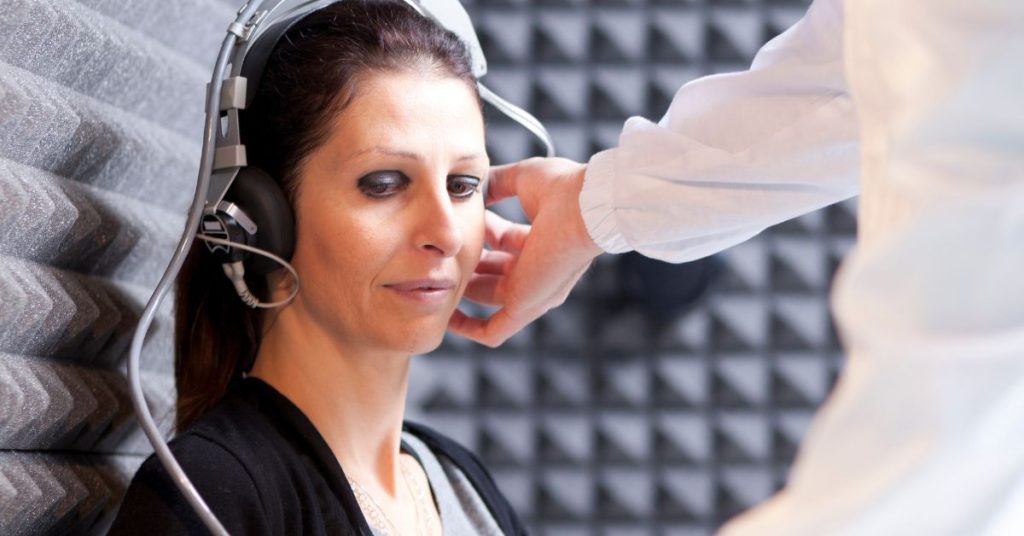
During a test, you typically wear headphones and listen to a series of tones at different pitches and volumes. You’ll be asked to indicate when you hear a sound, either by pressing a button or raising your hand. The softest sound you can hear at each frequency is recorded as your threshold, measured in decibels (dB). Lower thresholds indicate better hearing, while higher thresholds suggest some degree of hearing loss. The results are usually plotted on an audiogram—a visual chart showing your hearing levels across frequencies for each ear.
These tests can differentiate between types of hearing loss as well. For example, high-frequency hearing loss is common with age or noise exposure, whereas low-frequency loss may indicate fluid in the middle ear or other medical conditions. Some advanced tests even assess ultra-high frequencies beyond 8,000 Hz, which can be useful for monitoring early noise-induced hearing damage or evaluating the impact of certain medications known to affect hearing.
Understanding the results is crucial. Audiologists analyze patterns in frequency sensitivity to determine the cause of hearing issues and recommend tailored interventions. For example, hearing aids can be programmed to amplify specific frequencies where loss occurs, improving speech comprehension without over-amplifying sounds that are already audible. In short, frequency-specific hearing tests provide a precise, individualized snapshot of your hearing health, enabling proactive care before problems become severe.
Common Causes of Frequency-Specific Hearing Loss
Hearing loss that affects specific frequencies can result from a variety of factors, ranging from natural aging processes to environmental influences and medical conditions. Understanding these causes helps individuals take proactive steps to protect their hearing and seek timely treatment.
One of the most common causes is age-related hearing loss, also known as presbycusis. This type of hearing loss typically affects high-frequency sounds first, making it harder to hear consonants like “s,” “f,” and “th.” Over time, this can impact speech comprehension, especially in noisy environments. The hair cells in the cochlea that respond to higher pitches are more fragile and tend to deteriorate earlier than those that respond to lower frequencies.
Noise exposure is another major contributor. Long-term exposure to loud environments—such as concerts, construction sites, or even frequent use of headphones at high volumes—can damage hair cells responsible for specific frequencies. This damage often shows up as a “notch” in the audiogram, a dip at the frequency most affected by the noise. Unlike general hearing loss, noise-induced hearing loss may be preventable with proper ear protection.
Certain medications and medical conditions can also lead to frequency-specific hearing loss. Ototoxic drugs, such as some antibiotics or chemotherapy medications, can damage inner ear structures and affect particular frequency ranges. Medical conditions like diabetes, hypertension, and chronic ear infections may contribute to hearing loss by reducing blood flow or causing inflammation in the inner ear.
Genetic factors and congenital conditions can also play a role, sometimes affecting the ability to hear specific frequencies from birth. Additionally, trauma or injury to the ear can lead to selective frequency deficits, depending on the location and extent of the damage.
By identifying the cause of frequency-specific hearing loss, audiologists can develop targeted treatment plans. Whether it’s through hearing aids, lifestyle changes, or medical interventions, understanding the root of the problem is essential for maintaining hearing health and improving quality of life.
Benefits of Frequency-Specific Testing
Frequency-specific hearing tests offer a level of insight that standard hearing exams often cannot provide. By evaluating how well you hear across different pitches, these tests help identify subtle changes in hearing that might otherwise go unnoticed, especially in the early stages of hearing loss. This detailed information is invaluable for both patients and audiologists when it comes to planning effective interventions.
One of the primary benefits is early detection. High-frequency hearing loss, for example, often develops gradually, so individuals may not realize they are missing sounds until communication becomes noticeably difficult. By pinpointing which frequencies are affected, audiologists can detect problems before they significantly impact daily life. Early detection allows for timely intervention, which can slow the progression of hearing loss and improve overall quality of life.
Frequency-specific testing also enhances hearing aid programming. Modern hearing aids can be finely tuned to amplify only the frequencies that a person struggles to hear, creating a more natural listening experience. This targeted amplification prevents over-amplifying frequencies that are already audible, reducing discomfort and improving speech clarity.
Another key advantage is improved communication in challenging environments. Many people with selective frequency loss have trouble understanding speech in noisy settings, such as restaurants or social gatherings. Frequency-specific tests identify the exact pitches that are difficult to hear, allowing audiologists to recommend assistive listening devices, directional microphones, or specialized hearing aid settings that address these challenges.
Finally, these tests provide a baseline for ongoing hearing health monitoring. By comparing test results over time, audiologists can track changes in hearing sensitivity across different frequencies. This ongoing monitoring helps guide preventive measures, lifestyle adjustments, and timely updates to hearing technology as needed.
In short, frequency-specific testing empowers patients with precise information about their hearing. It supports early intervention, optimized hearing aid performance, better communication in daily life, and proactive hearing health management, making it a crucial tool for anyone concerned about maintaining their hearing.
Preparing for a Frequency-Specific Hearing Test
Proper preparation can make a significant difference in the accuracy of a frequency-specific hearing test. While these tests are non-invasive and generally straightforward, following a few key steps ensures that the results truly reflect your hearing ability rather than temporary factors.
First, it’s important to avoid exposure to loud noise in the hours or days leading up to your test. Loud music, power tools, or concerts can temporarily reduce hearing sensitivity, especially in higher frequencies. This temporary threshold shift may make your results appear worse than your typical hearing ability, potentially leading to unnecessary concern or adjustments.
Next, consider your overall health and medication use. Certain medications can temporarily affect hearing, balance, or attention, so inform your audiologist about any prescriptions or supplements you are taking. Being well-rested and alert also helps, as fatigue can make it harder to respond accurately during the test.
Understanding the testing procedure can also improve your experience. Frequency-specific tests typically involve wearing headphones in a quiet, soundproof booth while listening to a series of tones. You’ll be asked to signal whenever you hear a tone, usually by pressing a button or raising your hand. Knowing what to expect can reduce anxiety and help you respond more confidently and accurately.
Communicating your hearing concerns with the audiologist before the test is crucial. Mention any difficulties you notice in daily life, such as struggling to hear high-pitched sounds, understanding speech in noisy environments, or difficulty hearing specific voices. This information helps the audiologist focus on areas of concern and interpret results in context.
Finally, bring any relevant medical history or previous hearing test results. If you’ve had prior audiograms, comparing them can help track changes over time and provide a more complete picture of your hearing health.
By following these preparation tips, you can ensure that your frequency-specific hearing test produces accurate, meaningful results. These results then become a reliable foundation for early detection, targeted interventions, and proactive management of your hearing health.
Interpreting Your Test Results and Next Steps
Once your frequency-specific hearing test is complete, understanding the results is key to managing your hearing health effectively. Results are typically presented in an audiogram, a graph that displays the softest sounds you can hear across different frequencies for each ear. The horizontal axis represents frequencies, ranging from low (250 Hz) to high (8,000 Hz), while the vertical axis shows hearing thresholds in decibels (dB), with lower numbers indicating better hearing.
Audiologists look for patterns in the audiogram to determine the type and severity of hearing loss. Normal hearing generally falls between 0–25 dB across all frequencies. Mild hearing loss ranges from 26–40 dB, moderate from 41–55 dB, and severe is anything above 70 dB. Frequency-specific results allow audiologists to pinpoint which pitches are affected—high-frequency loss is common in older adults, while low-frequency loss may indicate middle-ear issues or fluid buildup.
Understanding these patterns helps guide the next steps. For mild or early hearing loss, interventions might include regular monitoring, protecting your ears from further noise exposure, or using assistive listening devices in challenging environments. Moderate to severe loss may require hearing aids, which can be programmed to amplify only the frequencies you struggle with, improving speech comprehension without amplifying sounds that are already audible.
Frequency-specific results are also valuable for tracking hearing changes over time. By comparing current results with past audiograms, audiologists can detect gradual shifts and adjust treatment plans accordingly. This proactive approach can prevent further deterioration and maintain quality of life.
Finally, your audiologist may provide recommendations beyond hearing aids, such as communication strategies, environmental modifications, or referrals to specialists if underlying medical conditions are contributing to the loss. Interpreting your test results is not just about numbers—it’s about creating a personalized plan to protect and enhance your hearing for years to come.
Conclusion
Frequency-specific hearing tests provide a detailed and accurate understanding of your hearing health, far beyond what a standard hearing exam can reveal. By measuring your sensitivity across individual frequencies, these tests can detect subtle changes that might otherwise go unnoticed, allowing for early intervention and more effective treatment.
For adults over 50, people frequently exposed to loud environments, or anyone noticing hearing difficulties, these tests are invaluable. They can guide hearing aid programming, recommend assistive listening devices, and offer strategies to improve communication in everyday life. Understanding which frequencies are affected helps audiologists tailor solutions to your unique hearing profile, enhancing both clarity and comfort.
Moreover, frequency-specific testing allows for ongoing monitoring, providing a baseline for detecting changes over time. This proactive approach not only protects your current hearing but also empowers you to take informed steps toward preserving it.
In short, frequency-specific hearing tests are more than just a diagnostic tool—they are a roadmap for maintaining your hearing health, improving your quality of life, and ensuring that you continue to enjoy the sounds that make life rich and engaging. By understanding your results and acting on them, you can take control of your hearing health today and for the future.
FAQ
What is a frequency-specific hearing test?
A frequency-specific hearing test measures how well you hear sounds at different pitches or frequencies, typically ranging from low (250 Hz) to high (8,000 Hz). Unlike standard hearing tests, it provides a detailed map of your hearing sensitivity across all frequencies, helping detect subtle or early-stage hearing loss.
Why are high frequencies often affected first?
High-frequency hearing loss is common with age (presbycusis) and prolonged noise exposure. Hair cells at the base of the cochlea, which detect high-pitched sounds, are more fragile and tend to deteriorate sooner than those responsible for lower frequencies. This can make it harder to hear consonants, leading to speech comprehension difficulties.
How should I prepare for a frequency-specific hearing test?
To ensure accurate results, avoid loud noises before your test, get adequate rest, and inform your audiologist about medications or health conditions that could affect hearing. Bring previous hearing test results if available and communicate any specific hearing difficulties you’ve noticed.
What do my results mean?
Results are presented on an audiogram showing your hearing thresholds across different frequencies. Normal hearing usually falls between 0–25 dB, while mild, moderate, or severe loss is indicated by higher decibel thresholds. Frequency-specific patterns help audiologists determine the type of hearing loss and recommend targeted interventions, such as hearing aids or assistive devices.
Can frequency-specific testing help with hearing aids?
Yes. These tests provide detailed information about which frequencies need amplification. Audiologists use this data to program hearing aids precisely, improving speech clarity and overall listening comfort without over-amplifying sounds that are already audible.
This article is for informational purposes only and is not a substitute for professional medical advice, diagnosis, or treatment. If you are concerned about your hearing or ear health, please consult a qualified healthcare provider.