Hearing is one of our most vital senses, yet it’s often overlooked until problems arise. For many adults, especially those over 50, gradual hearing loss can go unnoticed for years, affecting communication, social life, and overall quality of life. Early detection and intervention are key to maintaining healthy hearing, and one of the most reliable ways to assess hearing is through a test called pure tone audiometry.
Pure tone audiometry is a standard hearing assessment used by audiologists worldwide. It measures how well you hear different frequencies and sound intensities, helping to identify the type and degree of hearing loss. The test is simple, non-invasive, and highly informative, making it an essential tool for anyone concerned about their hearing health.
In this guide, we’ll explore everything you need to know about pure tone audiometry. You’ll learn what the test involves, how to read an audiogram, and why regular hearing assessments can make a significant difference in your life. Whether you’re preparing for your first hearing test or simply curious about how hearing is measured, this article will give you a clear, comprehensive overview.
What is Pure Tone Audiometry?
Pure tone audiometry is a specialized hearing test that evaluates an individual’s ability to hear sounds at different pitches and volumes. Essentially, it measures the quietest sound a person can detect at each frequency, providing a detailed map of their hearing health. Audiologists use this information to identify the type and severity of hearing loss, which can be critical for diagnosis and treatment planning.
The test primarily involves two types of sound conduction: air conduction and bone conduction. Air conduction tests use headphones to deliver sounds through the ear canal and eardrum, assessing the entire hearing pathway, including the outer, middle, and inner ear. Bone conduction tests, on the other hand, bypass the outer and middle ear by sending vibrations directly to the inner ear through a small device placed on the skull. Comparing results from these two methods helps audiologists determine whether hearing loss is sensorineural, conductive, or mixed.
During the test, the audiologist plays a series of tones at various frequencies, typically ranging from low-pitched sounds around 250 Hz to high-pitched sounds up to 8,000 Hz. Each tone is played at gradually increasing volumes, and the patient indicates when they can hear it—usually by pressing a button or raising their hand. This process is repeated for each ear separately, ensuring a complete assessment.
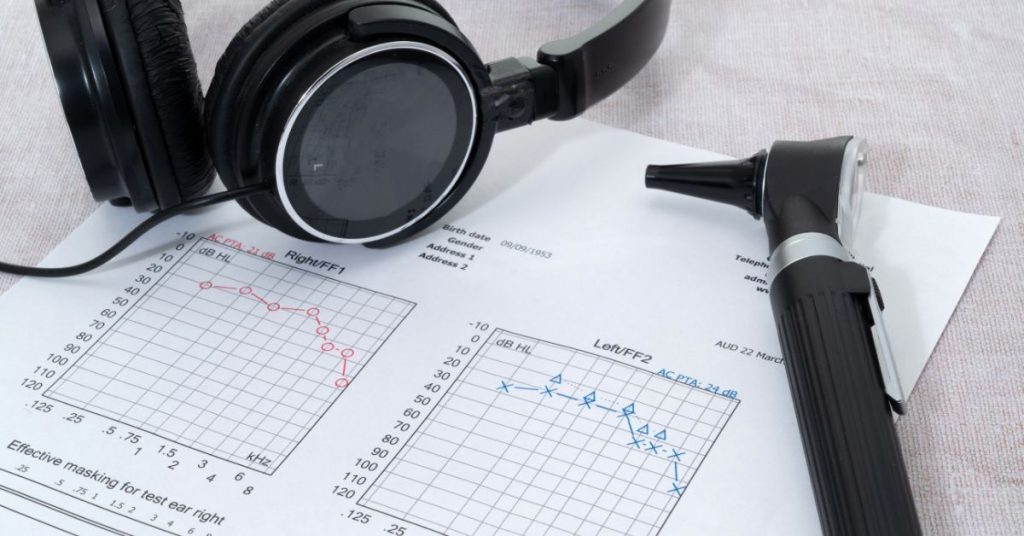
The results are plotted on an audiogram, a graph that shows hearing thresholds across different frequencies. This visual representation allows both the audiologist and the patient to easily understand patterns of hearing loss. For example, high-frequency hearing loss, which is common with age-related decline, will appear as reduced sensitivity to the higher-pitched sounds on the audiogram.
Pure tone audiometry is widely used because it is highly accurate and adaptable for patients of all ages. It’s non-invasive, generally quick, and requires minimal preparation, making it suitable for routine hearing checks as well as more detailed diagnostic evaluations. By understanding the basics of pure tone audiometry, patients can feel more confident and informed when undergoing the test and interpreting the results.
How the Test is Conducted
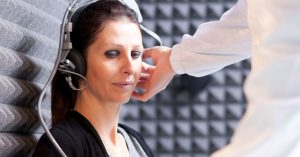
Undergoing a pure tone audiometry test is a straightforward and comfortable experience, but knowing what to expect can help ease any anxiety. The test is usually conducted in a soundproof booth to ensure that background noise does not interfere with the results. Inside the booth, you will sit in a chair while wearing special headphones that deliver a range of tones to each ear individually.
Before the test begins, the audiologist will explain the procedure and may ask about your hearing history, including any recent changes, difficulties understanding speech, or exposure to loud noises. This information helps the audiologist interpret the results accurately.
During the test, you will hear a series of pure tones—simple, single-frequency sounds—at varying volumes and pitches. Your task is to respond whenever you hear a tone, typically by pressing a button or raising your hand. Even if the sound is very faint, it’s important to respond, as this helps the audiologist pinpoint your hearing threshold for each frequency. The test is first performed for one ear and then repeated for the other to compare hearing sensitivity between ears.
In addition to air conduction testing, some patients may also undergo bone conduction testing. For this part, a small device called a bone vibrator is placed behind the ear on the skull. It sends vibrations directly to the inner ear, bypassing the outer and middle ear structures. Comparing air and bone conduction results allows the audiologist to determine the type of hearing loss—whether it originates in the outer/middle ear (conductive) or the inner ear/auditory nerve (sensorineural).
The test usually takes about 20–40 minutes, depending on the number of frequencies tested and any additional assessments required. It is painless and non-invasive, and there are no lasting effects, so patients can resume normal activities immediately afterward. It’s also a highly flexible test: adjustments can be made for older adults, children, or individuals with cognitive or physical limitations, ensuring accurate results for everyone.
To prepare for a pure tone audiometry test, it’s recommended to avoid loud noises for at least 12 hours before the appointment, as exposure can temporarily affect hearing thresholds. Bringing any information about prior hearing tests, ear infections, or medications that could impact hearing can also be helpful.
By following these steps, the audiologist gathers precise data that forms the foundation for diagnosing hearing loss, planning interventions like hearing aids, and monitoring hearing over time. Knowing what happens during the test can help patients feel confident and relaxed, making the experience as smooth and informative as possible.
Reading and Understanding Your Audiogram
After completing a pure tone audiometry test, the results are displayed on an audiogram, a graph that visually represents your hearing thresholds across different frequencies. Understanding this graph can seem intimidating at first, but with a few key pointers, it becomes much easier to interpret.
An audiogram plots frequency (pitch) on the horizontal axis, usually measured in Hertz (Hz), ranging from low-pitched sounds (250 Hz) to high-pitched sounds (8,000 Hz). The vertical axis represents intensity or loudness, measured in decibels (dB), from soft sounds at the top to louder sounds at the bottom. Each ear is plotted separately, typically with red circles for the right ear and blue Xs for the left ear.
The points on the audiogram indicate the softest sound you can hear at each frequency. A normal hearing range is generally considered 0–20 dB, meaning you can detect soft sounds across all frequencies. Values above this range suggest some degree of hearing loss, which can be categorized as mild, moderate, severe, or profound depending on the decibel levels.
Interpreting an audiogram also involves understanding the type of hearing loss:
Sensorineural Hearing Loss: Occurs in the inner ear or auditory nerve and is often permanent. On an audiogram, it shows similar thresholds for both air and bone conduction. High-frequency hearing loss is common with age or noise exposure.
Conductive Hearing Loss: Caused by issues in the outer or middle ear, such as fluid, wax buildup, or structural problems. The audiogram will show a gap between air and bone conduction thresholds.
Mixed Hearing Loss: A combination of sensorineural and conductive loss, with both types of issues present.
Reading an audiogram can also reveal patterns that provide insight into the underlying cause of hearing difficulties. For example, a downward slope on the right side indicates high-frequency hearing loss, which can affect understanding speech, particularly consonants, in noisy environments. Flat lines across frequencies may suggest uniform hearing loss, often related to aging or prolonged noise exposure.
Understanding your audiogram empowers you to make informed decisions about your hearing care. It allows you and your audiologist to plan treatments, consider hearing aids or assistive devices, and monitor changes over time. By interpreting these graphs, patients gain a clearer picture of their hearing abilities and the steps needed to maintain or improve them.
Benefits of Pure Tone Audiometry
Pure tone audiometry offers numerous benefits, making it one of the most essential tools for maintaining hearing health. By accurately measuring hearing thresholds across a wide range of frequencies, this test provides a clear understanding of an individual’s auditory abilities. These insights can significantly improve quality of life, especially for adults over 50, who are more susceptible to age-related hearing loss.
One of the primary advantages of pure tone audiometry is early detection of hearing loss. Many people do not realize their hearing is declining until communication becomes noticeably difficult. By identifying hearing deficits early, audiologists can recommend interventions such as hearing aids, assistive listening devices, or communication strategies before the loss affects daily life. Early detection also helps prevent the social isolation, depression, and cognitive decline often associated with untreated hearing loss.
Another key benefit is precise diagnosis of the type and severity of hearing loss. The test differentiates between sensorineural, conductive, and mixed hearing loss, providing valuable information for tailored treatment plans. For example, conductive issues caused by ear infections or wax buildup may be treated medically, while sensorineural loss often requires hearing aids or other long-term solutions. This detailed understanding ensures that patients receive the most appropriate and effective care.
Pure tone audiometry is also beneficial for monitoring hearing over time. Regular testing allows audiologists to track changes in hearing thresholds, adjusting treatment plans as needed. This is particularly important for individuals exposed to loud environments, those with chronic health conditions, or patients taking medications that may affect hearing. By tracking hearing health, patients can make informed decisions to protect and preserve their auditory abilities.
Additionally, the test plays a critical role in hearing aid fitting and optimization. Accurate audiometric data ensures that hearing aids are programmed correctly to amplify specific frequencies where the patient has difficulty. This results in more natural sound quality, better speech understanding, and improved overall satisfaction with the device.
Finally, undergoing pure tone audiometry provides peace of mind and empowerment. Knowing the exact state of your hearing allows you to take proactive steps to maintain your auditory health. Whether it’s making lifestyle adjustments, seeking professional treatment, or simply staying informed, the knowledge gained from the test equips you to make decisions that support long-term hearing wellness.
In summary, pure tone audiometry is more than just a hearing test; it is a vital tool for preserving communication, independence, and quality of life. Regular assessments enable early intervention, precise diagnosis, ongoing monitoring, and effective hearing aid management, all of which contribute to healthier, more confident living.
Common Questions and Concerns
It’s natural to have questions or concerns before undergoing a pure tone audiometry test. Understanding what to expect can make the experience less intimidating and more productive. Here, we address some of the most common inquiries patients have about the test.
Is the test painful?
Absolutely not. Pure tone audiometry is a completely painless, non-invasive procedure. The test simply involves listening for sounds through headphones or a bone vibrator and indicating when you hear them. Some people may feel a slight pressure from the bone conduction device, but it is not uncomfortable.
How long does the test take?
The duration varies depending on the complexity of the assessment, but most pure tone audiometry tests take about 20–40 minutes. Additional tests, such as speech recognition or bone conduction testing, may extend the appointment slightly. The relatively short duration makes it an easy procedure to schedule and complete without significant disruption to your day.
Do I need to prepare for the test?
Yes, a few simple steps can help ensure accurate results. Avoid exposure to loud noises for at least 12 hours prior to the test, as temporary hearing fatigue can affect thresholds. Bring any previous hearing test results and inform the audiologist of medications, ear infections, or chronic conditions that could influence hearing. Comfort is also important—wearing minimal earrings or hair accessories around the ears can help with headphone placement.
What do the results mean?
The audiogram provides a visual representation of your hearing thresholds across frequencies. Results indicate whether you have normal hearing or some degree of hearing loss, and if loss is present, whether it is mild, moderate, severe, or profound. The test can also help determine the type of hearing loss—sensorineural, conductive, or mixed—which guides treatment decisions. Your audiologist will review the results with you in detail, answer questions, and recommend next steps if any intervention is needed.
How often should I have this test?
Frequency depends on age, lifestyle, and medical history. Adults over 50 or those at risk for hearing loss are generally advised to have a baseline hearing test every 1–2 years. Those exposed to occupational or recreational noise, or with chronic health conditions affecting hearing, may benefit from more frequent testing. Regular assessments help track changes over time and allow for timely interventions.
By addressing these common concerns, patients can approach pure tone audiometry with confidence and understanding. Knowing that the test is safe, straightforward, and highly informative helps reduce anxiety and encourages proactive hearing care.
Conclusion
Pure tone audiometry is a cornerstone of hearing health, offering a simple yet highly effective way to assess and monitor your auditory abilities. By measuring how well you hear different pitches and volumes, this test provides a clear picture of your hearing status, allowing for early detection of hearing loss and informed treatment decisions.
For adults over 50, caregivers, and anyone concerned about their hearing, regular pure tone audiometry testing is a vital tool. It helps identify hearing issues before they impact communication, relationships, and overall quality of life. The test is non-invasive, painless, and quick, making it accessible and comfortable for people of all ages.
Understanding the results of your audiogram empowers you to take proactive steps toward better hearing. Whether it’s fitting hearing aids, making lifestyle adjustments, or monitoring hearing over time, the information gained from this test is invaluable. Additionally, knowing the type and degree of hearing loss ensures that you receive tailored care that addresses your specific needs.
Ultimately, pure tone audiometry is more than a diagnostic procedure—it’s a step toward maintaining independence, staying socially connected, and improving overall wellbeing. Regular testing, combined with professional guidance, enables you to protect your hearing and enjoy clearer, richer sound experiences throughout life.
FAQ
What is pure tone audiometry used for?
Pure tone audiometry is used to evaluate a person’s hearing sensitivity across different frequencies and sound intensities. It helps identify the presence, type, and severity of hearing loss, guiding treatment plans such as hearing aids, medical interventions, or communication strategies.
Is pure tone audiometry safe for older adults?
Yes, the test is completely safe and non-invasive for adults of all ages. It is painless, requires no medication, and has no lasting effects. Audiologists can adjust the procedure to accommodate mobility or cognitive limitations, making it suitable for older adults.
How should I prepare for a hearing test?
To ensure accurate results, avoid exposure to loud noises for at least 12 hours before the test. Bring any previous hearing test results, inform the audiologist of medications or ear issues, and wear minimal accessories around the ears. Relaxing and staying attentive during the test also helps improve accuracy.
Can hearing loss detected by pure tone audiometry be treated?
Treatment depends on the type and severity of hearing loss. Conductive hearing loss may be treated medically or surgically, while sensorineural hearing loss is often managed with hearing aids or assistive devices. Early detection allows for timely intervention, improving communication and quality of life.
How often should I get a hearing test?
Adults over 50 or those at risk for hearing loss are generally advised to have a hearing assessment every 1–2 years. Individuals exposed to loud environments or with chronic health conditions affecting hearing may need more frequent testing to monitor changes over time.
This article is for informational purposes only and is not a substitute for professional medical advice, diagnosis, or treatment. If you are concerned about your hearing or ear health, please consult a qualified healthcare provider.