Hearing is one of our most vital senses, allowing us to connect with the world around us, communicate with loved ones, and enjoy everyday experiences like music, nature, and conversation. Yet, hearing loss is a common concern, especially as we age, with millions of adults experiencing some degree of diminished hearing. While genetics, noise exposure, and medical conditions all play a role, research increasingly shows that nutrition can have a significant impact on maintaining ear health.
Vitamins and minerals are essential nutrients that support many bodily functions, including those critical for healthy hearing. Certain nutrients help protect delicate structures in the inner ear, reduce inflammation, combat oxidative stress, and support the auditory nerves that carry sound signals to the brain. A deficiency in these key nutrients may increase the risk of age-related hearing loss or exacerbate existing hearing challenges.
In this article, we will explore the essential vitamins and minerals that play a role in hearing health, the science behind how they support your ears, and practical ways to include them in your diet. Whether you are looking to preserve your hearing or support someone who is experiencing hearing loss, understanding the connection between nutrition and ear health is a crucial step toward maintaining the sounds that make life rich and enjoyable.
The Science of Hearing and Nutritional Support
To understand how vitamins and minerals influence hearing, it helps to know a bit about how the ear works. The ear is a complex organ made up of three main parts: the outer ear, the middle ear, and the inner ear. While the outer and middle ear capture and transmit sound, the inner ear—particularly the cochlea and auditory nerve—is where the magic happens. Tiny hair cells in the cochlea convert sound vibrations into electrical signals that the brain interprets as sound. These hair cells are incredibly sensitive and, once damaged, cannot regenerate, making them particularly vulnerable to nutritional deficiencies, oxidative stress, and inflammation.
Oxidative stress occurs when there is an imbalance between harmful free radicals and the body’s natural antioxidants. This stress can damage the delicate hair cells in the cochlea and contribute to age-related hearing loss. Nutrients such as vitamins C and E, as well as minerals like magnesium and selenium, act as antioxidants, helping to neutralize free radicals and protect ear structures.
Inflammation is another factor that can affect hearing. Chronic low-level inflammation, often linked to poor diet or medical conditions, can compromise blood flow to the inner ear, impairing its function. Certain vitamins, including vitamin D and the B-complex group, have anti-inflammatory properties and help maintain healthy nerve function, including the auditory nerve that transmits sound information to the brain.
In addition, blood flow is critical for ear health. The cochlea relies on a rich supply of oxygen and nutrients to function optimally. Nutrients such as magnesium support healthy circulation, which ensures that the inner ear receives the oxygen and nutrients it needs to remain resilient. Deficiencies in these key nutrients can make the ear more susceptible to damage from noise, age, or environmental toxins.
By understanding these mechanisms, it becomes clear why nutrition is more than just a supporting player—it is a foundational component of hearing health. A diet rich in the right vitamins and minerals can help protect the inner ear, support auditory nerve function, and potentially reduce the risk of hearing loss over time.
Key Vitamins for Healthy Hearing
Certain vitamins play a critical role in maintaining ear health and supporting the complex structures involved in hearing. Incorporating these vitamins into your diet can help protect against hearing loss and keep your auditory system functioning optimally.
Vitamin A
Vitamin A is essential for maintaining the health of epithelial tissues, which line the ear canal and inner ear. It supports the proper functioning of the cochlea and helps maintain healthy immune responses, reducing the risk of ear infections. Foods rich in vitamin A include carrots, sweet potatoes, spinach, and liver. A deficiency in vitamin A may increase susceptibility to infections and compromise overall ear health.
Vitamin C
Vitamin C is a powerful antioxidant that helps combat oxidative stress in the inner ear. Free radicals can damage the tiny hair cells in the cochlea, leading to age-related hearing loss. By neutralizing these free radicals, vitamin C helps protect these delicate cells. Citrus fruits, strawberries, bell peppers, and broccoli are excellent sources of vitamin C.
Vitamin D
Vitamin D plays a crucial role in calcium metabolism, which is important for maintaining the tiny bones in the middle ear. Proper levels of vitamin D may also support healthy blood flow to the inner ear and reduce inflammation. Sunlight exposure, fatty fish like salmon, and fortified dairy products are good sources of vitamin D.
B-Complex Vitamins
The B vitamins, particularly B12, B6, and folate, are essential for nerve health, including the auditory nerve. They help reduce homocysteine levels, an amino acid that, at high levels, may impair blood flow to the inner ear. Foods rich in B vitamins include eggs, dairy products, whole grains, leafy greens, and fish. Adequate intake of B vitamins supports nerve signaling and may reduce the risk of hearing loss associated with aging.
Vitamin E
Vitamin E is another antioxidant that protects inner ear cells from oxidative stress. It works synergistically with vitamin C to maintain the integrity of the auditory system. Nuts, seeds, spinach, and sunflower oil are excellent sources of vitamin E. Research suggests that a diet rich in these antioxidants may help preserve hearing over time.
Incorporating a variety of these vitamins through a balanced diet or supplements, when necessary, can help maintain ear health and support optimal hearing function. Combining these nutrients with a healthy lifestyle provides a strong foundation for long-term auditory wellness.
Essential Minerals That Protect Your Ears
Minerals are just as important as vitamins when it comes to maintaining healthy hearing. They support nerve function, protect against noise-induced damage, and help maintain proper blood flow to the inner ear.
Magnesium
Magnesium helps protect the delicate hair cells in the cochlea from damage caused by loud noises. It also supports healthy blood flow, ensuring that the inner ear receives sufficient oxygen and nutrients. Studies suggest that adequate magnesium intake may reduce the risk of noise-induced hearing loss. Foods rich in magnesium include leafy green vegetables, nuts, seeds, whole grains, and legumes.
Zinc
Zinc is essential for immune function and helps prevent ear infections, which can lead to temporary or permanent hearing damage if left untreated. It also contributes to cell growth and repair, including the cells in the inner ear. Sources of zinc include oysters, beef, pumpkin seeds, chickpeas, and fortified cereals. Maintaining adequate zinc levels may also improve recovery from certain types of sudden hearing loss.
Selenium
Selenium is a trace mineral with powerful antioxidant properties. It helps neutralize free radicals in the inner ear, protecting hair cells from oxidative stress. Adequate selenium intake has been linked to a lower risk of age-related hearing loss. Foods high in selenium include Brazil nuts, fish, eggs, and whole grains.
Potassium
Potassium helps regulate fluid balance in the inner ear, which is crucial for transmitting sound signals to the brain. Proper potassium levels may help maintain cochlear function and prevent issues like tinnitus or sudden hearing fluctuations. Potassium-rich foods include bananas, sweet potatoes, spinach, and avocados.
Iron
Iron supports healthy blood flow and oxygen transport to the auditory system. A deficiency can impair cochlear function and may contribute to hearing problems, particularly in older adults. Iron-rich foods include red meat, lentils, spinach, and fortified cereals.
By ensuring a diet rich in these essential minerals, individuals can help protect their ears from damage, maintain healthy auditory function, and support overall hearing wellness. Combined with key vitamins, these minerals form a comprehensive nutritional approach to ear health.
Dietary Sources and Supplement Tips
Eating a balanced diet is one of the most effective ways to ensure your body receives the vitamins and minerals essential for hearing health. While supplements can help fill nutritional gaps, whole foods often provide a broader spectrum of nutrients and additional health benefits.
Nutrient-Rich Foods for Hearing Health
Incorporating a variety of foods can naturally boost your intake of hearing-supportive nutrients:
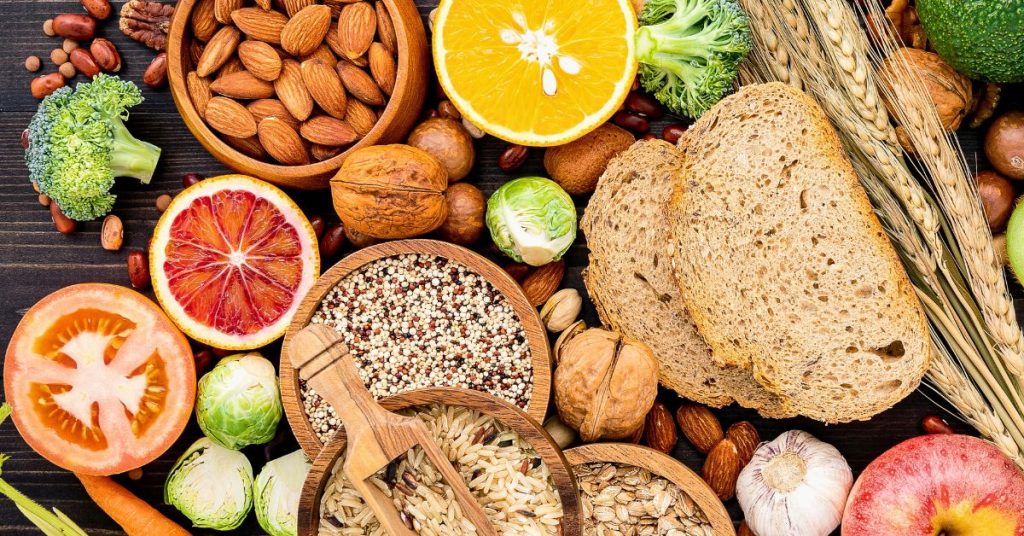
Leafy greens and vegetables: Spinach, kale, broccoli, and bell peppers are rich in vitamins A, C, and E, as well as magnesium and potassium.
Fruits: Citrus fruits, berries, bananas, and avocados provide antioxidants and potassium that support inner ear health.
Whole grains: Brown rice, oats, and quinoa are excellent sources of B-complex vitamins, magnesium, and selenium.
Lean proteins and seafood: Fish such as salmon, tuna, and mackerel provide vitamin D, B12, and selenium, while lean meats and eggs are rich in zinc, iron, and other B vitamins.
Nuts and seeds: Almonds, sunflower seeds, and Brazil nuts offer vitamin E, magnesium, and selenium.
Supplements: When and How to Use Them
While a nutrient-rich diet is ideal, supplements can be beneficial for individuals who have dietary restrictions, difficulty absorbing certain nutrients, or specific deficiencies. Here are some tips:
Choose quality supplements: Look for reputable brands that provide the active forms of vitamins and minerals.
Avoid megadoses: Excessive intake of certain nutrients, such as vitamin A or iron, can be harmful. Follow recommended daily allowances (RDAs).
Consult a healthcare professional: Before starting any new supplement, especially if you take medications or have medical conditions, speak with a doctor or registered dietitian.
Practical Tips for Daily Nutrition
Aim for a colorful plate: Different colors often indicate different nutrients, helping ensure a wide range of vitamins and minerals.
Include at least one serving of leafy greens and one serving of fruit per day.
Incorporate fatty fish or fortified foods a few times per week for vitamin D and omega-3s, which may also support ear and brain health.
Stay hydrated and maintain overall cardiovascular health, as good blood flow supports nutrient delivery to the inner ear.
By combining nutrient-dense foods with mindful supplementation when necessary, you can provide your ears with the essential building blocks they need to function optimally and protect against hearing loss over time.
Lifestyle and Hearing Health: Beyond Vitamins
While vitamins and minerals are critical for supporting ear health, maintaining healthy hearing involves more than just nutrition. Lifestyle factors such as exercise, noise exposure, and overall cardiovascular health play a significant role in preserving auditory function and preventing hearing loss.
Protecting Your Ears from Noise
Prolonged exposure to loud sounds is one of the leading causes of hearing damage. Even if you’re consuming all the right nutrients, constant exposure to loud music, machinery, or traffic can damage the delicate hair cells in your inner ear. Using ear protection like noise-canceling headphones or earplugs in loud environments, taking breaks from noisy activities, and keeping volume levels moderate are simple but effective strategies to preserve hearing.
Exercise and Circulation
Regular physical activity supports healthy circulation, which is vital for delivering oxygen and nutrients to the inner ear. Cardiovascular exercise—such as walking, swimming, or cycling—can help maintain the tiny blood vessels in the cochlea, ensuring that the auditory system receives the nutrients it needs. Combining a nutrient-rich diet with exercise maximizes your ears’ ability to function efficiently.
Manage Chronic Health Conditions
Conditions like diabetes, high blood pressure, and high cholesterol can impair blood flow to the inner ear and increase the risk of hearing loss. Managing these conditions through diet, exercise, and medication, if prescribed, helps protect your hearing. Certain nutrients, including magnesium and B vitamins, also support cardiovascular health, creating a synergistic effect on ear function.
Reduce Inflammation and Stress
Chronic inflammation and stress can negatively affect nerve function and contribute to hearing issues. Incorporating anti-inflammatory foods such as leafy greens, berries, and fatty fish, practicing relaxation techniques like yoga or meditation, and maintaining a balanced lifestyle can support both ear health and overall wellbeing.
Holistic Approach
Ultimately, optimal hearing health requires a holistic approach. Vitamins and minerals provide the foundational support, but protecting your ears from damage, maintaining good circulation, managing health conditions, and reducing stress are equally important. By combining nutrition with proactive lifestyle choices, you can enhance your chances of preserving hearing well into later life.
Conclusion
Hearing is an essential sense that enriches our daily lives, and protecting it requires a comprehensive approach that combines nutrition, lifestyle choices, and preventive care. Vitamins and minerals such as vitamins A, C, D, E, B-complex, magnesium, zinc, selenium, potassium, and iron play critical roles in maintaining ear health. They support inner ear structures, protect against oxidative stress, reduce inflammation, and ensure healthy nerve function, all of which are vital for optimal hearing.
Incorporating a variety of nutrient-rich foods—such as leafy greens, fruits, whole grains, lean proteins, seafood, nuts, and seeds—provides your body with these essential nutrients. When dietary intake is insufficient, high-quality supplements may help fill the gaps, but it’s important to follow recommended guidelines and consult a healthcare professional.
Beyond nutrition, protecting your ears from loud noise, maintaining cardiovascular health through exercise, managing chronic health conditions, and reducing stress all contribute to long-term auditory wellness. By taking a proactive, holistic approach, you can preserve your hearing, improve your quality of life, and continue to enjoy the sounds that make life vibrant and meaningful.
FAQ
Which vitamins are most important for hearing health?
Vitamins A, C, D, E, and B-complex are particularly important for hearing. They support inner ear structures, reduce oxidative stress, maintain healthy nerve function, and help prevent age-related hearing loss. Incorporating these vitamins through diet or supplements can help preserve hearing over time.
Can minerals really protect my ears from hearing loss?
Yes. Minerals like magnesium, zinc, selenium, potassium, and iron play key roles in ear health. They help protect delicate hair cells in the inner ear, support blood flow, reduce inflammation, and improve nerve function, all of which are critical for maintaining hearing.
Are there specific foods that help improve hearing?
A nutrient-rich diet is the best way to support hearing. Foods such as leafy greens, citrus fruits, berries, whole grains, nuts, seeds, lean meats, and fatty fish provide the vitamins and minerals essential for ear health. These foods help protect the inner ear from damage and support overall auditory function.
Do I need supplements if I eat a healthy diet?
If your diet is well-balanced and rich in vitamins and minerals, supplements may not be necessary. However, for those with dietary restrictions, certain health conditions, or deficiencies, supplements can help fill the gaps. Always consult a healthcare professional before starting any new supplement regimen.
Can lifestyle changes improve hearing alongside nutrition?
Absolutely. Protecting your ears from loud noise, exercising regularly, managing chronic health conditions, and reducing stress all support hearing health. When combined with proper nutrition, these lifestyle changes create a holistic approach to maintaining and improving auditory function.
This article is for informational purposes only and is not a substitute for professional medical advice, diagnosis, or treatment. If you are concerned about your hearing or ear health, please consult a qualified healthcare provider.