
Hearing loss can be a challenging and isolating condition, affecting communication, relationships, and overall quality of life. For millions of people, traditional hearing aids provide sufficient amplification, helping them stay connected and engaged. But for those with severe to profound hearing loss, hearing aids may not offer enough support. This is where cochlear implants come in—a revolutionary medical device that can restore the perception of sound for individuals who struggle to hear even with conventional amplification.
Cochlear implants are not a universal solution for every type of hearing loss. Understanding who qualifies is essential for anyone considering this life-changing technology. The right candidate can benefit enormously, improving speech perception, social interaction, and overall independence. Conversely, not everyone with hearing difficulties will benefit, which is why a careful evaluation by hearing specialists is crucial.
This guide will provide a comprehensive overview of cochlear implant candidacy for both adults and children, covering eligibility requirements, the evaluation process, and factors that influence successful outcomes. By the end, readers will have a clear understanding of who may qualify and the steps involved in pursuing cochlear implant treatment.
Understanding Cochlear Implants
A cochlear implant is a small electronic medical device designed to bypass damaged portions of the inner ear (cochlea) and directly stimulate the auditory nerve, allowing the brain to perceive sound. Unlike hearing aids, which simply amplify sound, cochlear implants provide a new pathway for hearing, making them suitable for individuals whose hearing loss is too severe for amplification alone.
How Cochlear Implants Work
The device has two main components: an external part that sits behind the ear and a surgically implanted internal part. The external component includes a microphone, speech processor, and transmitter. The microphone picks up sounds, which are then processed and converted into electrical signals. These signals are sent to the internal implant, which stimulates the auditory nerve directly. The brain interprets these signals as sound, allowing the user to recognize speech, environmental sounds, and even music over time.
Difference Between Hearing Aids and Cochlear Implants
Hearing aids amplify sound so that damaged ears can detect it. This works well for mild to moderate hearing loss. However, when hair cells in the cochlea are severely damaged, amplification is not enough. Cochlear implants bypass the damaged hair cells entirely, delivering electrical stimulation directly to the auditory nerve. This distinction is critical for understanding candidacy: individuals who do not receive adequate benefit from hearing aids may be considered for a cochlear implant.
Benefits and Limitations
Cochlear implants can significantly improve speech understanding and quality of life, especially in quiet settings and with focused rehabilitation. Many recipients can carry on conversations, enjoy media, and engage socially in ways that were previously difficult. However, outcomes vary based on factors like age, duration of hearing loss, consistency of device use, and participation in post-implant therapy.
In short, cochlear implants are medical solutions tailored for specific hearing challenges. Understanding how they work and the type of hearing loss they address is the first step toward determining who qualifies.
Adult Candidacy Criteria
Cochlear implants can be life-changing for adults who have severe to profound hearing loss. However, not every adult with hearing difficulties is a candidate. Medical professionals follow specific criteria to determine candidacy, ensuring that the implant will provide meaningful benefit.
Degree of Hearing Loss
Adults considered for cochlear implants typically have severe to profound sensorineural hearing loss in both ears. Sensorineural hearing loss occurs when the inner ear’s hair cells or auditory nerve are damaged, making traditional hearing aids less effective. In practical terms, candidates usually struggle to understand speech even with well-fitted hearing aids, particularly in noisy environments.
Limited Benefit from Hearing Aids
A central factor in adult candidacy is the limited benefit from hearing aids. Audiologists often perform speech perception tests to measure how well a patient understands words and sentences with hearing aids. Adults who score below a certain threshold—commonly around 50% or lower on speech recognition tests—may be considered for cochlear implants. This ensures the device is reserved for those who truly need an alternative to amplification.
Medical Considerations
Candidates must be medically able to undergo surgery, including anesthesia. An intact cochlea and functioning auditory nerve are essential for the implant to work. Certain conditions, such as chronic ear infections or cochlear malformations, may require additional evaluation or treatment before implantation. Doctors also consider overall health, cognitive ability, and readiness to participate in post-implant therapy.
Age and Lifestyle Factors
There is no strict upper age limit for cochlear implantation. Many adults in their 70s and 80s successfully benefit from the procedure. Motivation and lifestyle play a role: adults who are committed to using the implant consistently and attending rehabilitation sessions are more likely to achieve optimal results. Social support from family or caregivers can also enhance post-implant progress.
Additional Considerations
Some adults with single-sided deafness (SSD) or asymmetrical hearing loss may also qualify, depending on local guidelines. Candidates are evaluated individually, and realistic expectations are emphasized. Cochlear implants can restore a sense of sound but do not restore normal hearing, so counseling is an important part of the process.
In summary, adult candidacy hinges on the severity of hearing loss, insufficient benefit from hearing aids, medical readiness for surgery, and commitment to rehabilitation. Proper evaluation by an audiologist and ENT specialist is essential to determine suitability.
Pediatric Candidacy Criteria
Cochlear implants can profoundly impact children with significant hearing loss, supporting speech, language, and cognitive development. Identifying candidates early is crucial because the brain is most receptive to auditory input during the first few years of life, making timely intervention a key factor in long-term success.
Age Recommendations
Children as young as 6 to 12 months can be considered for cochlear implantation if they meet other candidacy criteria. Early implantation allows for optimal speech and language development, while delaying implantation may limit a child’s ability to acquire spoken language naturally. Pediatric audiologists and ENT specialists carefully evaluate the child’s hearing profile, overall health, and readiness for surgery.
Degree of Hearing Loss
Candidates generally have profound sensorineural hearing loss in both ears. This means that even the most powerful hearing aids provide minimal benefit. Parents and caregivers may notice that the child does not respond to everyday sounds, struggles to develop speech, or relies heavily on lip-reading. Objective testing, including audiograms and auditory brainstem response (ABR) tests, helps confirm the severity of hearing loss.
Limited Benefit from Hearing Aids
Just like adults, children must show limited progress with traditional hearing aids. Audiologists assess how much the child benefits from amplification through structured tests, observation of language development, and monitoring responses to sound. If hearing aids fail to provide adequate access to speech, a cochlear implant may be recommended.
Medical and Anatomical Considerations
Children must be healthy enough for surgery, and imaging studies (CT or MRI scans) are used to ensure the cochlea and auditory nerve are structurally intact. Certain congenital conditions, chronic ear infections, or inner ear malformations may require additional evaluation before implantation.
Family Involvement and Rehabilitation
A child’s success with a cochlear implant heavily depends on consistent device use and auditory-verbal therapy. Families and caregivers play a vital role in ensuring the child wears the device regularly, attends therapy sessions, and practices listening and speech exercises at home. Commitment to rehabilitation can dramatically influence long-term outcomes.
Additional Considerations
Children with bilateral hearing loss typically receive implants in both ears, either simultaneously or sequentially, to support binaural hearing. In some cases, children with single-sided deafness or residual hearing may also be candidates, depending on individual needs and clinical guidelines.
In essence, pediatric candidacy revolves around early identification, profound hearing loss, insufficient hearing aid benefit, medical suitability, and strong family support. Timely evaluation and intervention can dramatically improve a child’s communication abilities and overall development.
The Evaluation Process
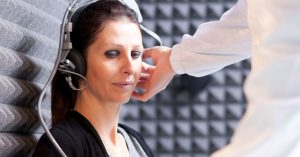
Determining whether someone qualifies for a cochlear implant involves a comprehensive, multi-step evaluation conducted by a team of hearing specialists, including audiologists, ENT surgeons, and sometimes speech-language pathologists. This process ensures that the implant is appropriate and sets realistic expectations for outcomes.
Audiological Assessment
The first step is a thorough hearing evaluation. This includes:
Pure-tone audiometry to measure the softest sounds a person can hear across different frequencies.
Speech perception tests to determine how well the candidate understands speech with and without hearing aids.
Hearing aid trials for those who already use amplification, to document limited benefit.
These tests help identify the severity and type of hearing loss, as well as the potential gain from a cochlear implant.
Medical and Surgical Evaluation
A candidate must be medically fit for surgery. This evaluation includes:
Physical examination and review of overall health
Imaging studies (CT or MRI scans) to assess cochlear anatomy and confirm the auditory nerve is functional
Screening for ear infections or other conditions that could complicate surgery
The ENT specialist determines whether the inner ear is suitable for implantation and evaluates any potential surgical risks.
Psychological and Counseling Assessment
Candidates and their families receive counseling on expectations, benefits, and limitations of cochlear implants. This step ensures that patients understand:
The device does not restore normal hearing
Post-implant rehabilitation is essential for success
Outcomes can vary depending on age, duration of hearing loss, and therapy participation
Counseling helps set realistic goals and prepares the individual or family for the commitment involved.
Additional Considerations
For children, the evaluation may also include speech and language assessments to identify current development levels and guide post-implant therapy. Adults may receive cognitive or lifestyle assessments to ensure they can manage the device and adapt to the therapy process.
Decision and Planning
Once the evaluation is complete, the team reviews results and determines candidacy. If approved, the candidate receives detailed guidance on the surgical procedure, device activation, and therapy plan. Timing is important, especially for children, as earlier implantation can significantly improve outcomes.
The evaluation process is thorough because a successful cochlear implant depends not only on surgery but also on ongoing support, training, and realistic expectations.
Post-Implantation Success Factors
Receiving a cochlear implant is just the beginning of a journey toward improved hearing. Post-implantation care and rehabilitation play a critical role in maximizing the benefits of the device and ensuring long-term success.
Auditory Rehabilitation
After the implant is activated, recipients undergo auditory training to learn how to interpret the new signals their brain receives. This process, often called listening therapy, can include:
Practicing speech recognition exercises
Listening to environmental sounds and music
Engaging in structured sessions with an audiologist or speech-language pathologist
Consistent practice is essential, especially in the first few months after activation, as the brain adjusts to electrical stimulation rather than natural sound.
Realistic Expectations
While cochlear implants can dramatically improve hearing, they do not restore normal hearing. Speech may initially sound robotic or unnatural, and understanding in noisy environments can be challenging at first. Patience and persistence are key, and outcomes often improve over time with consistent device use and therapy.
Consistent Device Use
For optimal results, recipients must wear the implant daily and ensure it is functioning correctly. Regular follow-ups with the audiologist allow for device programming adjustments, also called “mapping,” which fine-tunes the implant to the user’s hearing needs.
Family and Caregiver Support
Support from family or caregivers significantly impacts success, particularly for children. Families help ensure regular device use, attend therapy sessions, and provide encouragement during the adjustment period. In adults, supportive social networks can enhance motivation and engagement with post-implant therapy.
Additional Factors Influencing Success
Age at implantation: Earlier implantation, especially in children, typically results in better speech and language outcomes.
Duration of hearing loss: Shorter periods of profound hearing loss generally lead to improved post-implant performance.
Overall health and cognitive function: These can affect the ability to participate in therapy and adapt to the device.
In summary, successful cochlear implantation is a team effort involving the recipient, healthcare professionals, and family members. Commitment to rehabilitation, consistent device use, and realistic expectations are all critical to achieving the best possible outcomes.
Conclusion
Cochlear implants are transformative devices that can restore the sense of hearing for individuals with severe to profound hearing loss. However, not everyone is a candidate, and understanding who qualifies is essential for making informed decisions. Adults and children with limited benefit from hearing aids, medically suitable cochleas, and the willingness to engage in post-implant therapy are the primary candidates.
For adults, candidacy often hinges on the severity of hearing loss, speech perception scores, and readiness to commit to rehabilitation. For children, early identification, profound hearing loss, and strong family support are critical to maximizing outcomes. The evaluation process is thorough, encompassing audiological tests, medical assessments, counseling, and sometimes imaging studies, to ensure each candidate is well-suited for implantation.
Post-implantation success depends on auditory training, consistent device use, realistic expectations, and support from family or caregivers. While cochlear implants do not restore natural hearing, they can significantly improve communication, independence, and overall quality of life. For anyone struggling with severe hearing loss, consulting an audiologist or ENT specialist is the first step toward understanding eligibility and exploring this life-changing technology.
Cochlear implants offer hope and opportunity, opening the door to clearer communication and richer engagement with the world of sound.
FAQ
Who is eligible for a cochlear implant?
Individuals with severe to profound sensorineural hearing loss in one or both ears who receive limited benefit from hearing aids are typically eligible. Eligibility is determined through a comprehensive evaluation by an audiologist and ENT specialist, which includes hearing tests, medical assessments, and sometimes imaging.
At what age can a child receive a cochlear implant?
Children as young as 6 to 12 months may be considered for implantation, depending on the severity of hearing loss and other medical factors. Early implantation is recommended to support optimal speech and language development.
Can adults over 70 get cochlear implants?
Yes. There is no strict upper age limit. Adults of any age can qualify if they meet the criteria for hearing loss, medical fitness, and commitment to post-implant rehabilitation. Outcomes may vary depending on overall health and auditory experience.
Do cochlear implants restore normal hearing?
No. Cochlear implants do not restore natural hearing. They provide electrical stimulation to the auditory nerve, which the brain learns to interpret as sound. Consistent use and rehabilitation are essential for maximizing understanding of speech and environmental sounds.
How long does it take to adjust to a cochlear implant?
Adjustment varies among individuals. Many recipients notice improvements within weeks, but full adaptation can take several months. Regular auditory therapy, consistent device use, and realistic expectations are key factors in achieving the best results.
This article is for informational purposes only and is not a substitute for professional medical advice, diagnosis, or treatment. If you are concerned about your hearing or ear health, please consult a qualified healthcare provider.